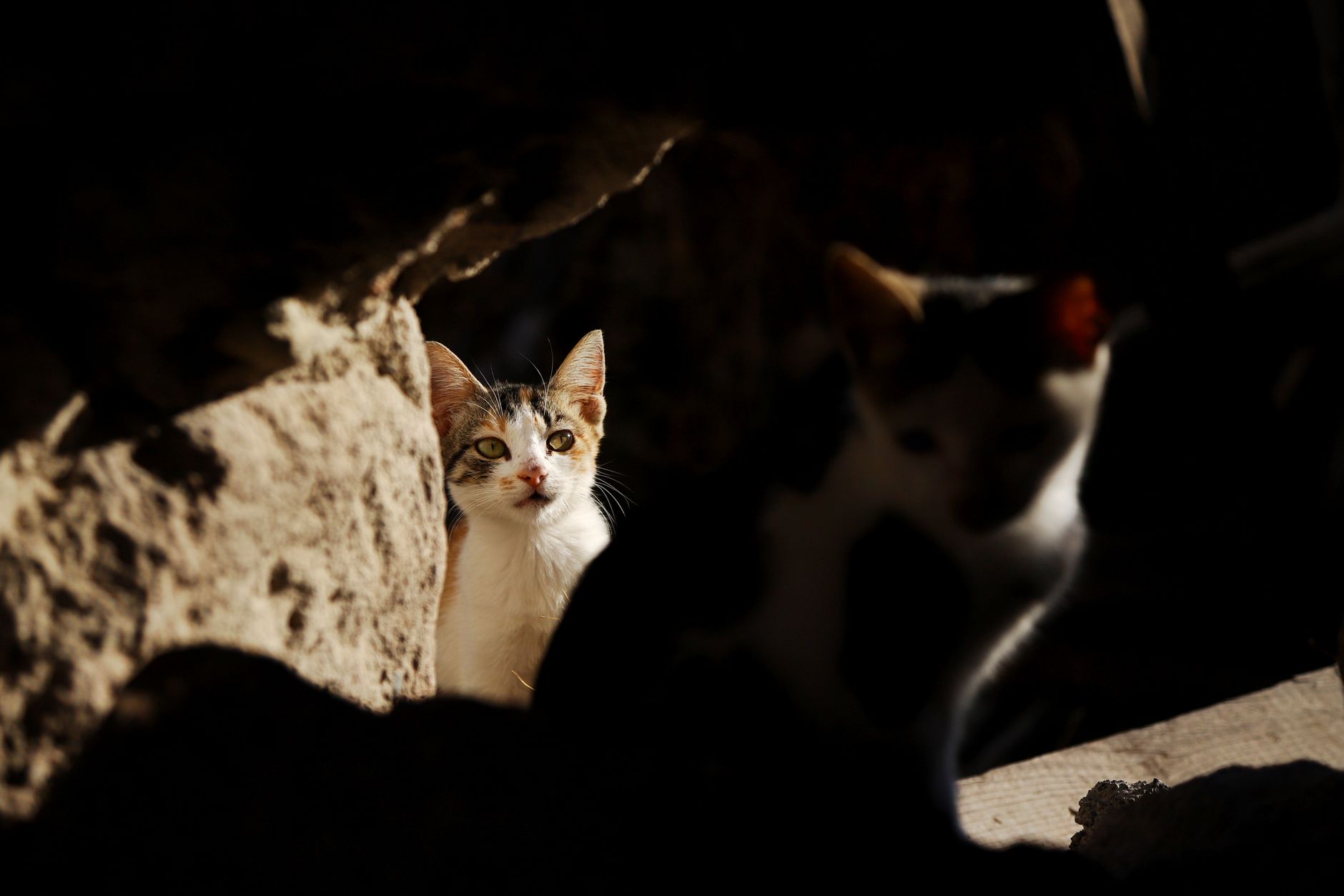
Cats hide more when indoor temperatures drop because ordinary room air sits far below their comfort range, so small enclosed spots help them save heat and feel safe. Cooler rooms raise the energy cost of staying warm, which pushes cats toward blankets, boxes, and quiet corners. Thermoneutral zone means the temperature range where a cat holds body heat without extra effort. The Veterinary Ireland Journal places that feline range near 30–38°C, so a 20–22°C living room feels chilly and motivates warm hiding Veterinary Ireland Journal's feline warmth guide.
Table of Contents
- Why does normal indoor air feel cold to cats?
- Why does a small hideout help in winter?
- Which cats hide most when the house cools?
- How do you make warm hiding spots that work?
Why does normal indoor air feel cold to cats?
Humans feel fine in light clothing near 20°C, but cats run hotter and lose warmth faster through a large skin surface. Drafts, tile, hardwood, and basement corners drain heat quickly, even when the thermostat looks normal.
Curling tight, tucking paws and nose, burrowing under covers, and choosing high cupboards or closed boxes all conserve warmth. These moves are practical heat-saving, not stubbornness or dislike of people.
Why does a small hideout help in winter?
A tight hide traps body heat, blocks drafts, and limits sights and sounds. That mix lowers both heat loss and alertness, so the cat can rest instead of staying watchful.
Utrecht University tested this in 19 newly arrived shelter cats with or without a box. Boxed cats scored calmer on days 3–4 and reached two-week recovery levels by about day 3 Utrecht University's shelter trial. Home cats gain the same benefit on a smaller scale during cold snaps and busy holidays.
Which cats hide most when the house cools?
Seniors, thin cats, short-coated breeds, and cats with joint pain often react first. Cold, damp conditions worsen arthritic stiffness, so affected cats avoid cold floors, jump less, groom less, sleep more, and hide, according to Cats Protection Cats Protection's arthritis guide.
Watch for change in pattern rather than one cozy nap. A new habit of staying hidden, stiffness after rest, missed jumps, or less grooming points more toward cold stress or sore joints than normal winter laziness.
How do you make warm hiding spots that work?
Give choices in quiet, draft-free places, away from doors, windows, and bare floors. Use a covered bed, box with a small entrance, or blanket cave with dry bedding, plus one low-entry option for stiff cats.
Check these warning signs daily in cold weather: Seek prompt veterinary assessment when hiding is sudden, persistent, or paired with those changes, as Horizon Animal Hospital advises Horizon Animal Hospital's cold-weather guidance. Move one hide off the cold floor tonight and see where your cat settles.
- sudden or lasting rise in hiding
- low energy, poor appetite, or toileting change
- limping, trouble jumping, or crying when picked up