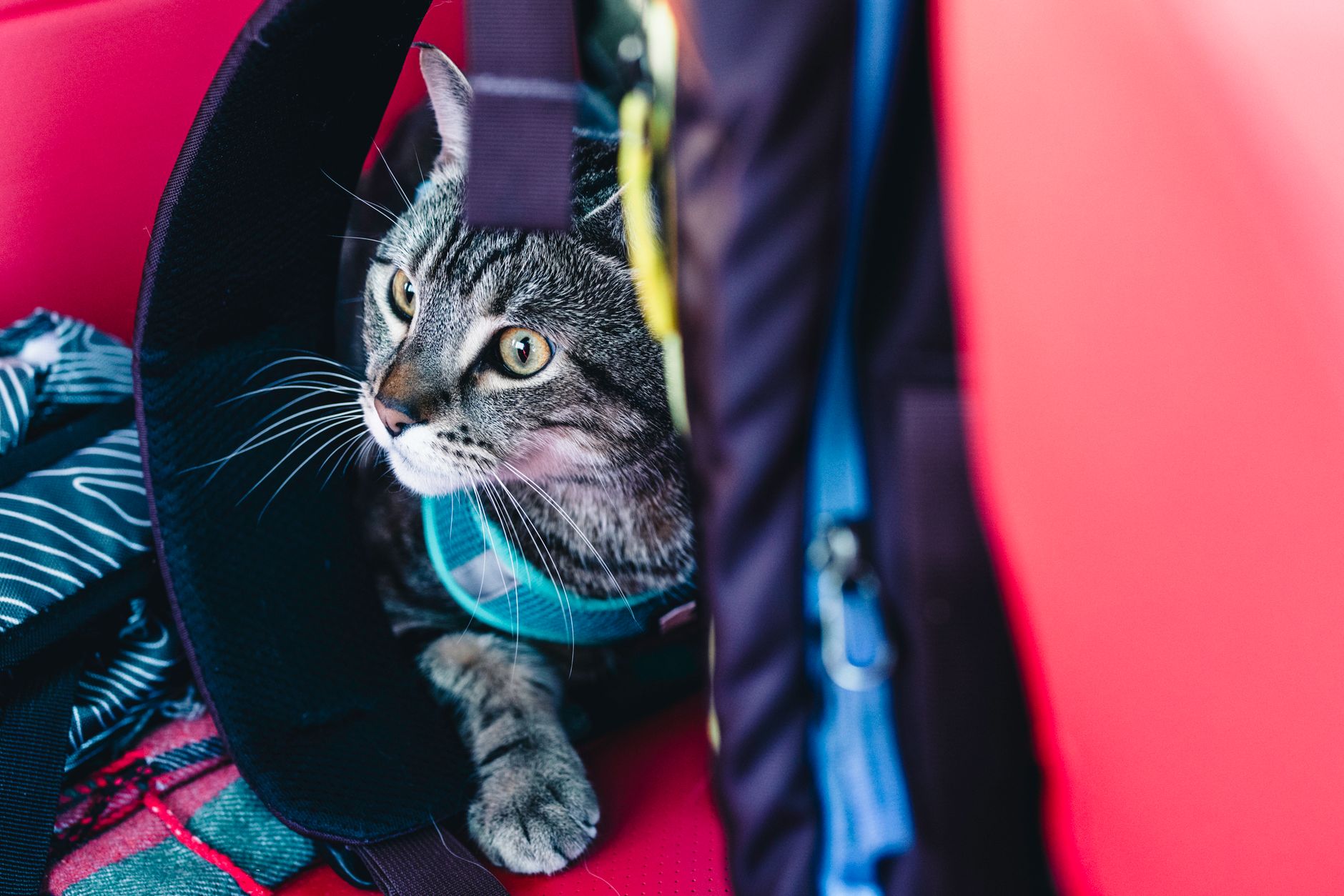
The best car-travel picks for a tabby are the Sleepypod Air for most adult cats and the Sleepypod Mobile Pet Bed for cats that prefer a bed-style carrier. Tabby describes a coat pattern found across many breeds rather than a single breed, so fit depends on weight and measurements. According to Adopt-A-Pet in its tabby breed profile, tabby-patterned domestic cats typically weigh 8-18 lbs. Choose a sturdy, ventilated carrier that lets your cat stand, turn and lie down, then secure it in the back seat.
Table of Contents
- What size carrier fits a tabby?
- Which crash-tested options suit car travel?
- Where and how should the carrier ride?
- How do you check a crash-tested claim?
What size carrier fits a tabby?
Measure length, height and weight before you shop. Weight alone can mislead because two 12-lb cats can have different body lengths. Pick a carrier large enough for standing, turning and lying down.
A snug fit reduces sliding, while extra room lets the cat shift during stops. The Sleepypod Air covers most adult tabbies at an 18-lb test weight. The Mobile Pet Bed suits cats up to 15 lbs and works as a bed, carrier and car seat.
Which crash-tested options suit car travel?
The Center for Pet Safety runs an independent Certified program with its own standards, quality monitoring and truth-in-marketing review. The organization states it accepts no funding from pet-product makers, as described on its CPS Certified page. Sleepypod's full carrier line earned certification when crash-tested to a standard reflecting updated U.S. child-restraint standard FMVSS 213b.
Models include the Mobile Pet Bed, Air, Atom and Mini. The Air earned a 4-star rating in January 2025 at 18 lbs, according to Center for Pet Safety reporting summarized in this 2026 carrier roundup. Its compressible ends help it fit tight footwells and under airline seats. The Mobile Pet Bed earned a 5-star result at 15 lbs and secures with a seatbelt through its base.
Where and how should the carrier ride?
Federal guidance citing the AVMA says the safest place for pets is the back seat restrained in a crate, carrier or harness, as explained on the FDA travel page. Front-seat airbags can seriously injure or kill pets.
Cornell emergency veterinarian Gretchen Schoeffler advises keeping cats inside a carrier in the car, preferably buckled in. Remove the cat only in a secure location because loose cats can wedge under seats or escape.
- Place the carrier on the back seat and thread the seatbelt through the carrier base or straps.
- Wedge a smaller carrier on the floor behind a front seat if it will not stay stable on the seat.
- Keep doors, vents and zippers closed until the car is parked with doors shut.
How do you check a crash-tested claim?
Look past the label and find the certifier, test weight and test standard. Most carriers lack independent certification, so verify any crash-tested claim against the Center for Pet Safety certified list.
The International Cat Association recommends a sturdy, ventilated carrier sized for standing, turning and lying down. Secure it on the back seat with a seatbelt or wedged on the floor behind a front seat. Buy the smallest certified model that still gives your tabby full turning room, then practice short buckled-in trips before a long drive.