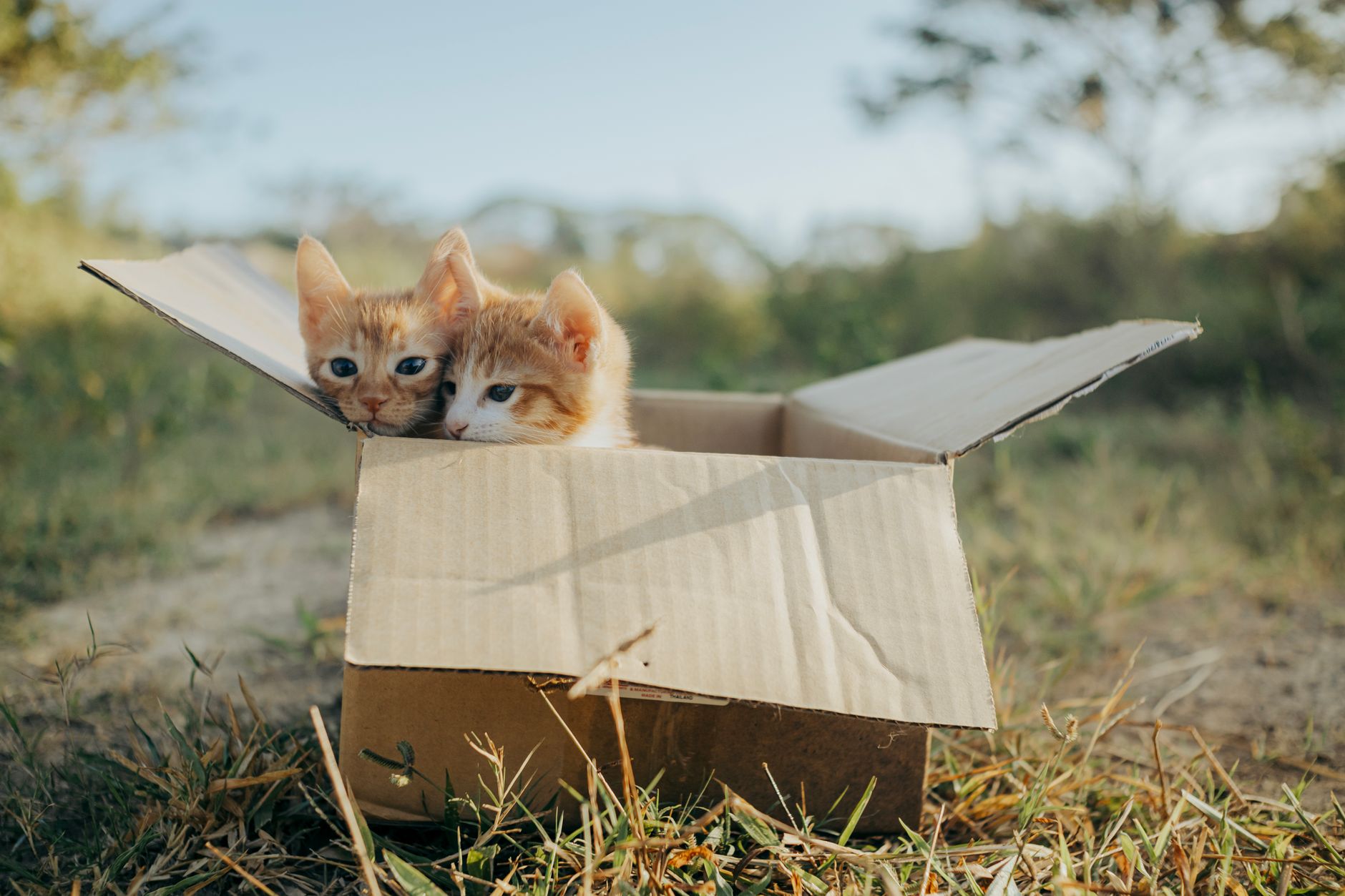
No. Cardboard cat carriers are not safe for a routine vet visit.
A cardboard cat carrier is a disposable corrugated box with ventilation holes and folding flaps, and Cornell-affiliated CatHealth says it is acceptable only for limited short-term transport such as bringing a newly adopted cat home or handling an emergency CatHealth carrier advice. A vet clinic is stressful, noisy, and full of smells and animals. That setting raises the chance your cat will panic and test every weak point.
Table of Contents
- Why does a vet trip defeat cardboard?
- What do water, urine, and cleaning do to the box?
- What should you use instead for exams?
- When is cardboard ever acceptable?
Why does a vet trip defeat cardboard?
A frightened cat can chew through, scratch through, or push out of a cardboard carrier fairly easily, including through the top opening, according to Zoetis Petcare veterinarian Dr. Heather Berst Zoetis carrier guide. Car travel, waiting rooms, and handling increase fear.
Fear gives the cat motive and time to work at seams and flaps. VCA veterinarians warn cardboard carriers should be used only as temporary transport because a determined cat can break out in no time VCA visit guidance. An escape in a parking lot or lobby can lead to injury, loss, or a fight. Hard walls and secure latches prevent that outcome.
What do water, urine, and cleaning do to the box?
Cardboard weakens when exposed to rain, urine, or spilled water. It turns soft and spongy, which makes escape more likely.
It also cannot be adequately cleaned or disinfected for reuse. A soiled box stays a health risk for the next cat.
What should you use instead for exams?
Choose an inexpensive hard-sided carrier that opens from the top and front and splits apart. Feline-practice guidance favors this design because the vet can examine a fearful cat resting in the carrier base.
Look first for escape-proof construction with secure latches. Flaps and zippers that an agitated cat can defeat add risk. Only a few carriers pass independent crash testing, and certified lists favor hard carriers and crash-tested soft carriers over disposable boxes.
When is cardboard ever acceptable?
Use it only for a single short trip when you have no better option. Examples include a shelter adoption pickup, a brief ride home, or an emergency move.
Disposable models are built from 200-lb-test corrugated cardboard with glued joints, no staples, ventilation holes, and flat-pack assembly for shelter, vet, or short-trip use. If you must use one, reduce risk this way:.
- use a new, dry box with intact joints and holes
- keep the trip short, dry, and direct
- carry from the bottom with the top closed and level
- discard the box if it gets wet, soiled, chewed, or soft