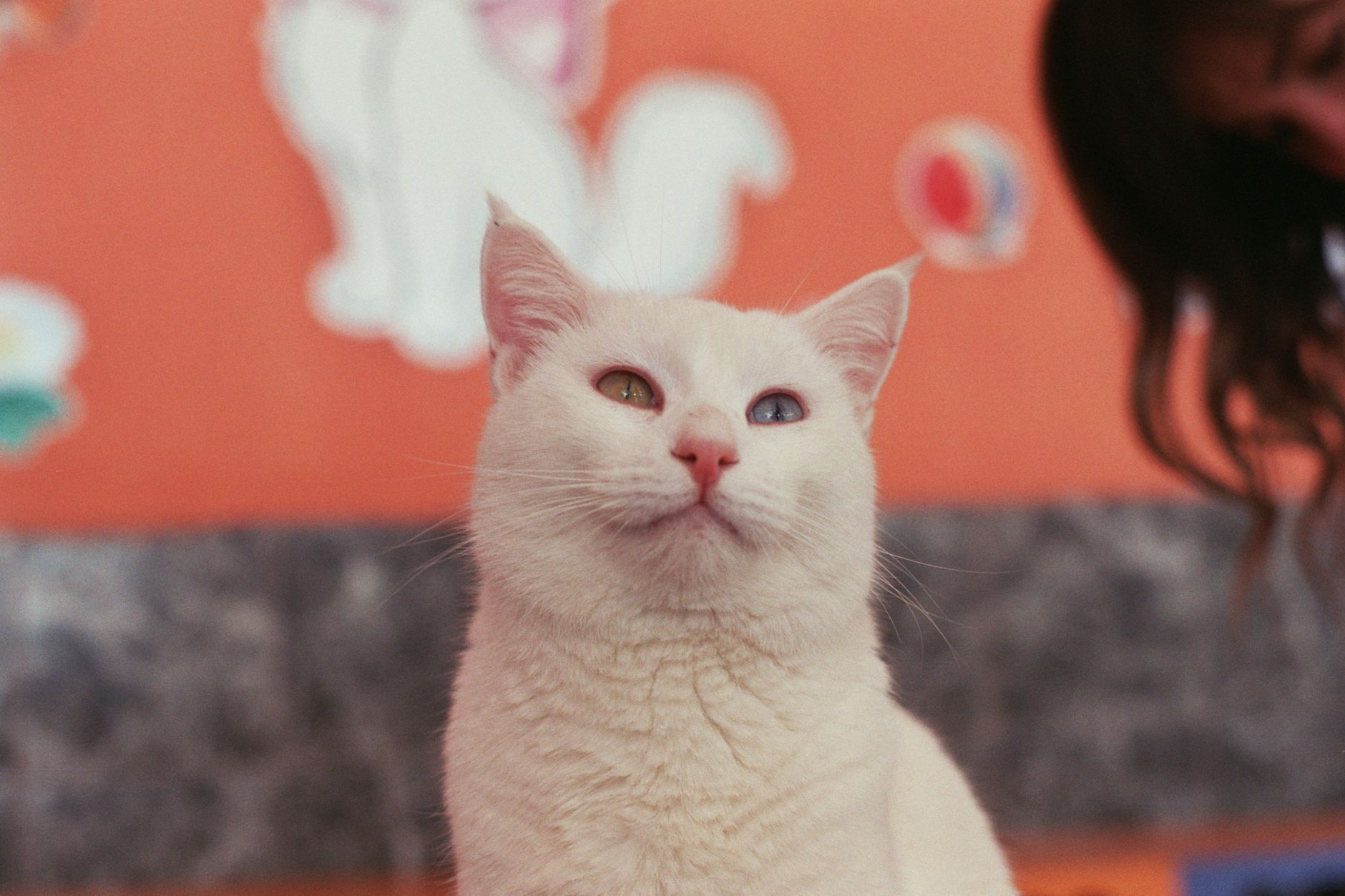
Yes, cats can live happily in apartments without a yard. Indoor life meets their needs when food, rest, play, and toileting areas are set up well. Environmental enrichment means giving an indoor cat choices for climbing, hiding, scratching, and hunting-style play. Those choices replace outdoor roaming with safe indoor activity.
Table of Contents
- Why apartments suit indoor cats
- What your cat needs every day
- How do you set up a small space?
- How do you replace outdoor exercise?
- Why apartments suit indoor cats
- What your cat needs every day
- How do you set up a small space?
- How do you replace outdoor exercise?
Why apartments suit indoor cats
Keeping cats exclusively indoors is safest and linked to greater longevity, according to the American Humane Society in its indoor cats versus outdoor cats guidance. Free-roaming cats face traffic, predators, disease, and injury risks. An apartment removes most of those hazards at once.
The difference in lifespan can be large. The Nebraska Humane Society reports in its outdoor cats resource that loose outdoor cats typically live only 4-5 years versus 18-20 years indoors. A smaller space does not shorten life when care is steady.
What your cat needs every day
The RSPCA advises in creating a good home for cats that indoor cats need extra play, high climbing and resting places, hiding spots, and a quiet bed. It also recommends keeping the litter tray separate from eating and sleeping areas. Spread these resources around the apartment rather than grouping them.
Veterinary guidance describes five basic needs: a safe place, multiple separated resources, predatory play, steady human contact, and respect for smell. Ohio State's indoor-cat program treats the same kind of choice-based setup as preventive health care. Separation matters because many cats dislike eating, drinking, and toileting close together.
How do you set up a small space?
Put the litter box in a quiet, easy-to-reach spot with an escape route. Cornell notes in choosing and caring for your new cat that most cats prefer simple uncovered boxes without hoods. Scoop daily and keep food and water in another room or far corner.
Give vertical space even without floor space. A tall cat tree, wall shelf, or cleared bookcase top works as a lookout. Add a sturdy scratching post and a dry, draught-free bed in a calm corner.
- Place one litter box per cat, plus one extra when possible
- Put scratching posts near sleep spots and room entries
- Keep water away from food to encourage drinking
- Create one hideout, such as a box with a blanket
How do you replace outdoor exercise?
Short daily play sessions protect weight, joints, and mood. Use wand toys, tossed balls, and chase games that let the cat stalk, pounce, and catch. Simple paper bags, boxes, and ping-pong balls can suffice for exercise and mental stimulation. Rotate two or three toys to keep interest fresh.
Add a window perch for watching birds and daylight. End high-energy play with a small meal or treat, then quiet rest.INTRODUCTION: Yes, cats can live happily in apartments without a yard. Indoor life meets their needs when food, rest, play, and toileting areas are set up well. Environmental enrichment means giving an indoor cat choices for climbing, hiding, scratching, and hunting-style play. Those choices replace outdoor roaming with safe indoor activity.
Why apartments suit indoor cats
Keeping cats exclusively indoors is safest and linked to greater longevity, according to the American Humane Society in its indoor cats versus outdoor cats guidance. Free-roaming cats face traffic, predators, disease, and injury risks. An apartment removes most of those hazards at once.
The difference in lifespan can be large. The Nebraska Humane Society reports in its outdoor cats resource that loose outdoor cats typically live only 4-5 years versus 18-20 years indoors. A smaller space does not shorten life when care is steady.
What your cat needs every day
The RSPCA advises in creating a good home for cats that indoor cats need extra play, high climbing and resting places, hiding spots, and a quiet bed. It also recommends keeping the litter tray separate from eating and sleeping areas. Spread these resources around the apartment rather than grouping them.
Veterinary guidance describes five basic needs: a safe place, multiple separated resources, predatory play, steady human contact, and respect for smell. Ohio State's indoor-cat program treats the same kind of choice-based setup as preventive health care. Separation matters because many cats dislike eating, drinking, and toileting close together.
How do you set up a small space?
Put the litter box in a quiet, easy-to-reach spot with an escape route. Cornell notes in choosing and caring for your new cat that most cats prefer simple uncovered boxes without hoods. Scoop daily and keep food and water in another room or far corner.
Give vertical space even without floor space. A tall cat tree, wall shelf, or cleared bookcase top works as a lookout. Add a sturdy scratching post and a dry, draught-free bed in a calm corner.
- Place one litter box per cat, plus one extra when possible
- Put scratching posts near sleep spots and room entries
- Keep water away from food to encourage drinking
- Create one hideout, such as a box with a blanket
How do you replace outdoor exercise?
Short daily play sessions protect weight, joints, and mood. Use wand toys, tossed balls, and chase games that let the cat stalk, pounce, and catch. Simple paper bags, boxes, and ping-pong balls can suffice for exercise and mental stimulation.
Rotate two or three toys to keep interest fresh. Add a window perch for watching birds and daylight. End high-energy play with a small meal or treat, then quiet rest.