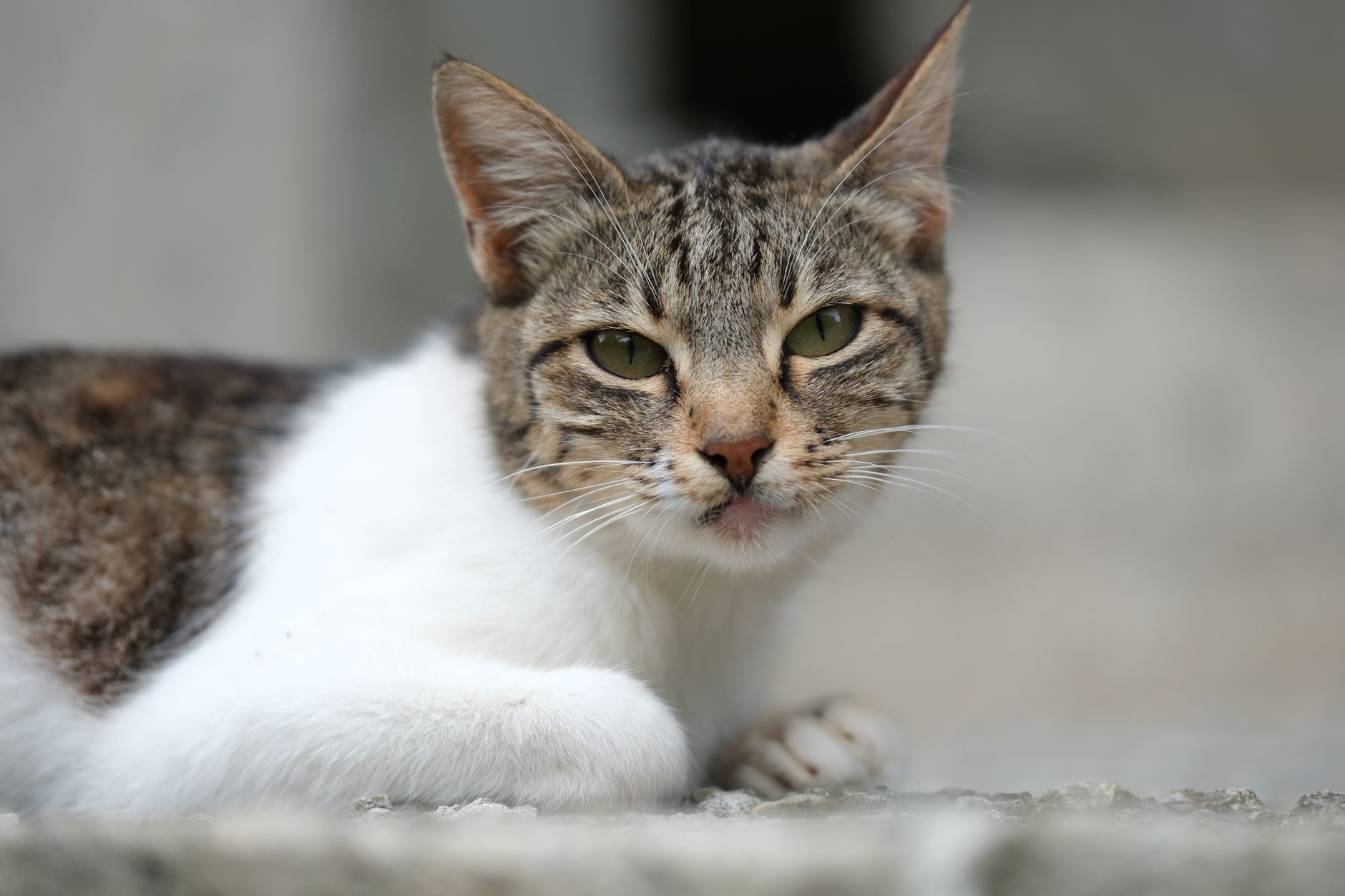
Clear-liquid vomit is mostly water, saliva or stomach fluid, often after drinking too fast or vomiting on an empty stomach. White foam is that same fluid mixed with mucus, stomach acid and swallowed air, turned frothy by retching with little food present. Dutch veterinary practice describes clear vomit as water, saliva or gastric fluid in its clear-liquid guide. WebVet describes foamy vomit as aerated stomach fluid with mucus and acid in its white-foam explainer.
Table of Contents
- What does each type look like?
- Why does an empty stomach cause this?
- Is it vomiting or regurgitation?
- When should you call the veterinarian?
What does each type look like?
Clear vomit looks like spilled water with little color or odor. It may contain a small amount of saliva strings and leave almost no residue. Foam looks white or very pale yellow with bubbles.
The bubbles come from air swallowed and moved during heaving, so the puddle holds its shape briefly. Color alone does not identify the cause. Both types come from the stomach when food is absent.
Why does an empty stomach cause this?
A long gap between meals can irritate the stomach with acid and bile. Sploot Veterinary Care lists prolonged empty stomach, acid reflux, meals spaced too far apart, mild indigestion, nausea and an emerging hairball as shared triggers. Drinking a large amount at once can have the same result.
The stomach fills quickly, then expels water before digestion begins. A missed meal, late dinner or new feeding schedule often explains a single episode. Repeated morning vomiting points more toward acid irritation than thirst.
Is it vomiting or regurgitation?
True vomiting uses visible abdominal heaving and brings up partly digested contents or fluid. Regurgitation is passive, moving undigested food or fluid up from the esophagus without heaving, according to Dutch veterinary practice. Watch the body, not just the puddle.
Heaving, drooling, lip licking and retching point to vomiting. Passive regurgitation often happens right after eating or drinking. The material looks tubular, bland and undigested.
When should you call the veterinarian?
Appearance alone does not rule out serious disease. VCA Animal Hospitals notes that gastritis, obstruction, infection, kidney disease, hyperthyroidism and toxins can also produce clear or foamy vomit. Cornell University College of Veterinary Medicine Feline Health Center advises prompt evaluation for vomiting more than once per week, or with lethargy, weakness, appetite loss, blood, increased thirst, changed urination or diarrhea in its vomiting guidance.
- Offer smaller, more frequent meals and watch for hairballs
- Keep fresh water available and note what stays down
- Seek same-day care for repeated vomiting, inability to keep water down, blood, pain or no eating over 24 hours
- Never give human anti-nausea drugs, per WebVet guidance