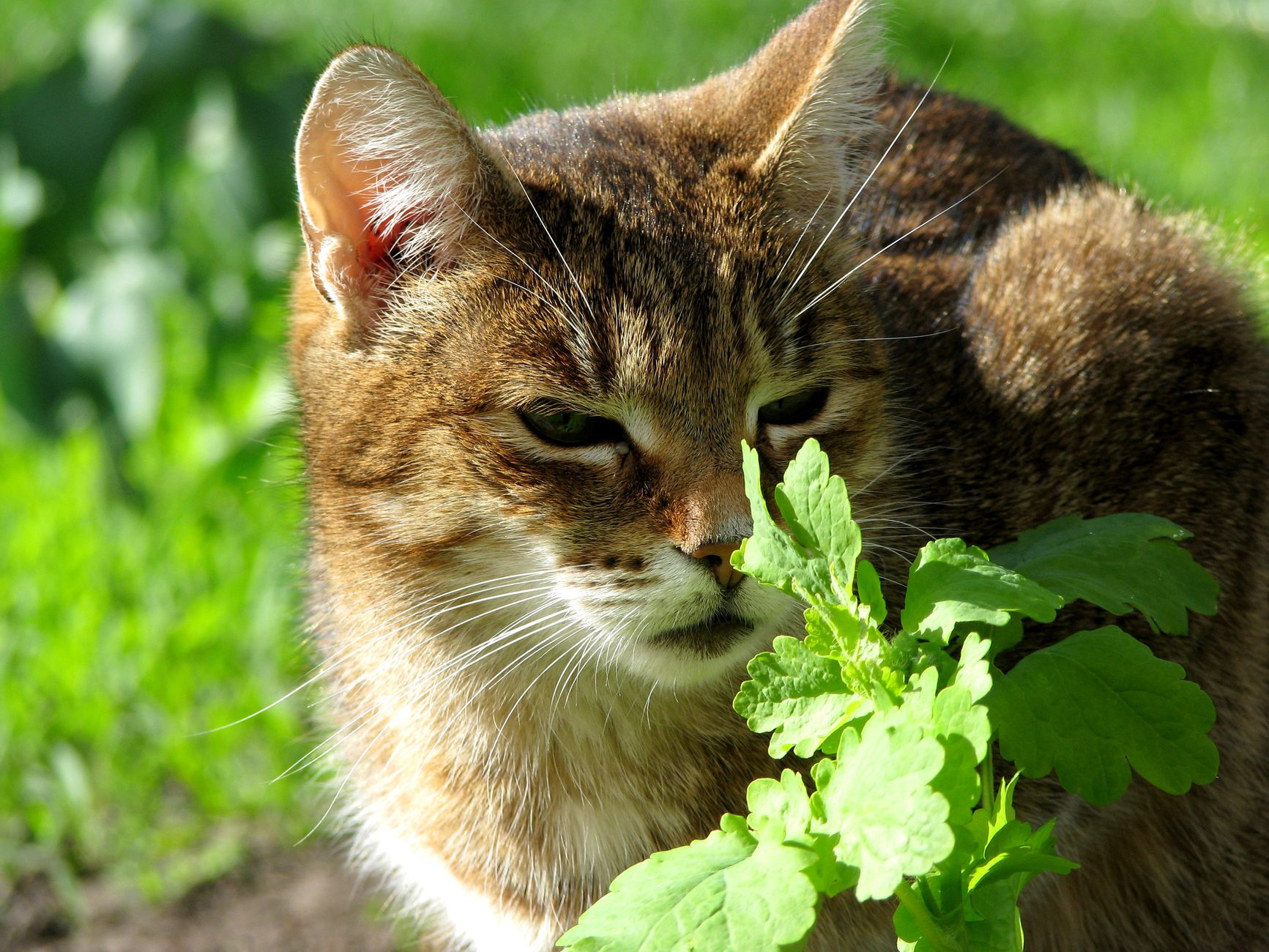
Catnip produces a euphoric response in cats lasting 10–15 minutes when smelled and a calming effect when ingested, making it both a behavioral tool and enrichment toy. The herb is non-toxic and cats cannot overdose fatally, though it remains unsuitable for kittens, pregnant cats, and those with seizure histories. Many cat owners wonder whether catnip is safe, how often to use it, and why their cat ignores it entirely—questions that have clear answers based on age, genetics, and proper dosing.
Table of Contents
- How Catnip Affects Your Cat
- Not All Cats Respond to Catnip
- Safe Dosage and Frequency
- Who Should Avoid Catnip and Warning Signs
- Silvervine: The Catnip Alternative
- Addiction and Desensitization
- Frequently Asked Questions
How Catnip Affects Your Cat
From F1, F10] When a cat smells catnip, [the herb triggers a euphoric response lasting 10–15 minutes. The same plant produces a calming effect when eaten. After exposure, cats become temporarily immune to the effects for 30 minutes to several hours, meaning repeated applications in quick succession will not produce the same result.
Individual cats respond differently to catnip. Some become relaxed and affectionate, while others grow hyperactive or briefly aggressive. Overstimulation can produce persistent sniffing behaviors; if this happens, remove the catnip item temporarily and try again later.
Not All Cats Respond to Catnip
From F3] [Approximately one-third of all cats exhibit no reaction to catnip regardless of age due to genetic factors. Additionally, most cats do not respond until 3–6 months of age, so introducing it to younger kittens is pointless.
This genetic variation is not a deficiency—it is simply how feline biology works. If your cat ignores catnip, it does not mean the herb is ineffective; your cat's genetics may simply lack the trait that triggers a response.
Safe Dosage and Frequency
From F5, F6] [Veterinarians recommend 2–3 catnip uses per week with 1–2 day intervals between applications to prevent olfactory receptor fatigue. Daily use diminishes efficacy over time, so spacing matters.
Safe dosage is approximately 0.5–1 teaspoon of dried catnip, a few fresh leaves, or 2–3 sprays of catnip spray per use. Larger amounts increase the risk of gastric upset without providing additional benefit.
Who Should Avoid Catnip and Warning Signs
From F4, F2] [Kittens under 6 months, pregnant cats, and cats with a seizure history should avoid catnip. Pregnant cats specifically may experience uterine contractions triggered by catnip exposure.
While excessive consumption is non-toxic and not fatal, it can cause vomiting, diarrhea, lethargy, loss of coordination, or rarely seizures—symptoms that typically resolve without treatment. If your cat shows these signs after catnip exposure, remove the item and contact your veterinarian if symptoms persist beyond a few hours.
Silvervine: The Catnip Alternative
From F7] If your cat does not respond to catnip, [silvervine is a proven alternative affecting 79% of cats versus 68% for catnip. More importantly, 71% of cats unresponsive to catnip react to silvervine, with effects lasting up to 30 minutes.
This makes silvervine an excellent option for the one-third of cats whose genetics do not include catnip sensitivity. Silvervine carries the same safety profile as catnip.
Addiction and Desensitization
From F8, F9] [Cats cannot develop addiction to catnip; the substance does not alter brain chemistry in a way that causes dependence or withdrawal symptoms. You can use catnip regularly without concern about your cat becoming dependent.
What actually happens is temporary receptor desensitization—repeated exposure causes the cat's olfactory receptors to become temporarily less responsive, not a buildup of tolerance. This is why spacing applications 1–2 days apart maintains consistent behavioral response. Taking breaks naturally restores your cat's sensitivity.
Frequently Asked Questions
What should I do if my kitten ate catnip before 3 months old?
Most kittens under 3–6 months simply do not respond to catnip effects. If your kitten ingested a large amount, monitor for vomiting or diarrhea and contact your vet if symptoms appear.
Can catnip damage my cat's brain or cause long-term problems?
No. Catnip does not alter brain chemistry, cause addiction, or produce withdrawal.
Is silvervine safe for cats the same way catnip is?
Yes. Silvervine is non-toxic and non-addictive with the same safety profile as catnip.
How do I know if my cat is having a bad reaction?
Watch for vomiting, diarrhea, lethargy, loss of coordination, or unusual aggression after exposure. These symptoms typically resolve on their own, but contact your vet if they persist beyond a few hours.