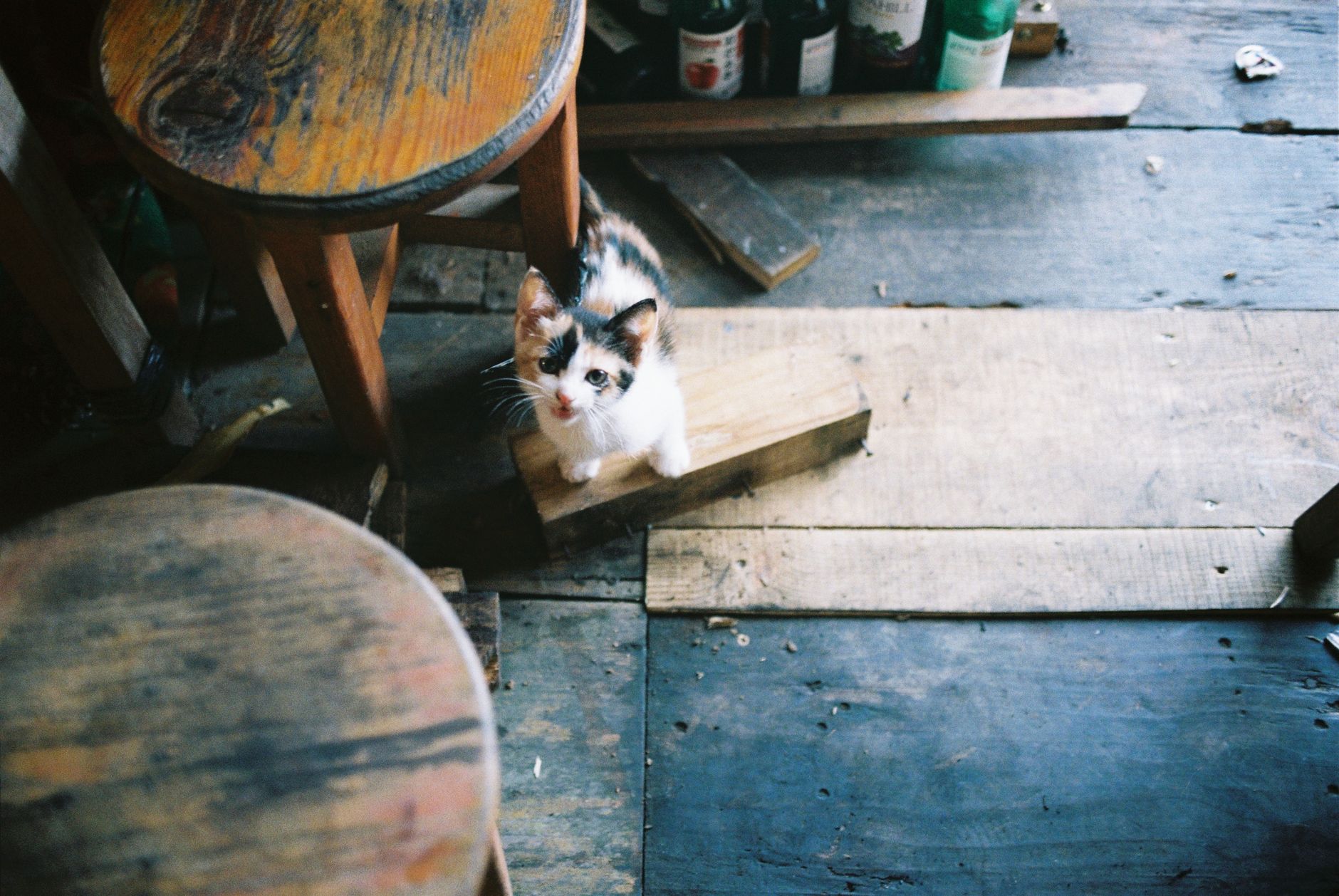
Cat environment means the indoor mix of space, resources, play, interaction, and scent that shapes feline health. It affects indoor cats, caregivers, and practices, as routine change raises sickness risk and daily hunting-like play plus steady care helps. The Feline Veterinary Medical Association says in its 2025 indoor-cat statement that indoor-only living cuts physical dangers but leaves emotional needs unmet 2025 indoor-cats position statement. That gap shifts focus to hunting-like play, climbing, and hiding indoors.
Table of Contents
- Who feels the home environment first?
- What does a complete indoor setup include?
- Why do routine changes and roaming carry risk?
- What can you do next at home?
- Where does this evidence stop?
Who feels the home environment first?
Indoor cats feel it first in body and behavior. Without suitable outlets, normal hunting and hiding drives turn into distress, behavior problems, and stress-linked illness. Caregivers then face spraying, scratching damage, missed litter, and vet visits.
Steve Dale Pet World, quoting the FelineVMA statement, ties relief to five daily provisions rather than extra space alone. Veterinary practices feel the same gap through preventable stress cases and behavior consults. When home setup improves, cats settle and care gets simpler.
What does a complete indoor setup include?
Complete means predictable and cat-led across five areas named by Steve Dale Pet World from the FelineVMA statement. The five areas are safe place, separated resources, predatory play, steady interaction, and care for smell and senses.
In practice that means choice and separation. Cats need to eat, drink, toilet, scratch, and rest without crossing or queuing.
- private safe place for retreat and rest
- multiple separated food, water, toilet, scratching, and rest stations
- daily predatory play chance
- positive consistent predictable interaction
- care for smell and senses with low odor and slow change
Why do routine changes and roaming carry risk?
Ohio State University housed 12 healthy cats and 20 cats with feline interstitial cystitis and tracked response to unusual events Ohio State sickness-behavior study. Both groups equally refused food, vomited often, and missed the litter box after caretaker or feeding-schedule changes. Risk of sickness behaviors rose over three times. Researchers tracked 55 roaming cats in Western Australia for eight months, as reported by ZME Science Western Australia roaming-cat tracking.
They recorded two poisonings, one traffic-related leg loss, fractured canine teeth in a fall, and two fight injuries needing treatment. Authors estimated outdoor cats live at least two to three years shorter than contained cats. Routine matters indoors and risk rises outdoors. A missed meal time can show as vomiting or toilet misses. A free roam can end as poison, traffic harm, or fight wounds.
What can you do next at home?
Ohio State Pets4Life owner guide advises planning for a 12- to 18-year commitment and setting litter and scratching right from the start Ohio State owner care guide. It calls for clumping litter 2-4 inches deep with regular scooping and topping plus periodic full emptying. It also calls for scratching surfaces so cats can scent-mark without harming furniture.
Todays Veterinary Business reporting on the FelineVMA statement urges daily physical and mental stimulation that replicates hunting, climbing, and hiding. Indoor safety alone is not enough. Start with small steady changes. Keep handling calm and schedules even.
- place food, water, litter, scratching, and rest in separate spots
- add daily hunting-like play, plus climb and hide options
- scoop litter often, top up, and wash box on rotation
- keep scent mild and changes slow
- book vet advice early for repeat vomiting, food refusal, or toilet misses
Where does this evidence stop?
Ohio State authors cautioned against directly applying results from 32 colony-housed research cats to average homes. Colony housing differs from flats and houses with varied people, pets, and noise. They still concluded every owner must consider environmental enrichment.
Use findings as direction, not promise. Match the five pillars to your rooms, keep caretaker and feeding times steady, and adjust after vet input. In a small flat, that can mean one quiet hide, split resources, and a short nightly play and climb session.