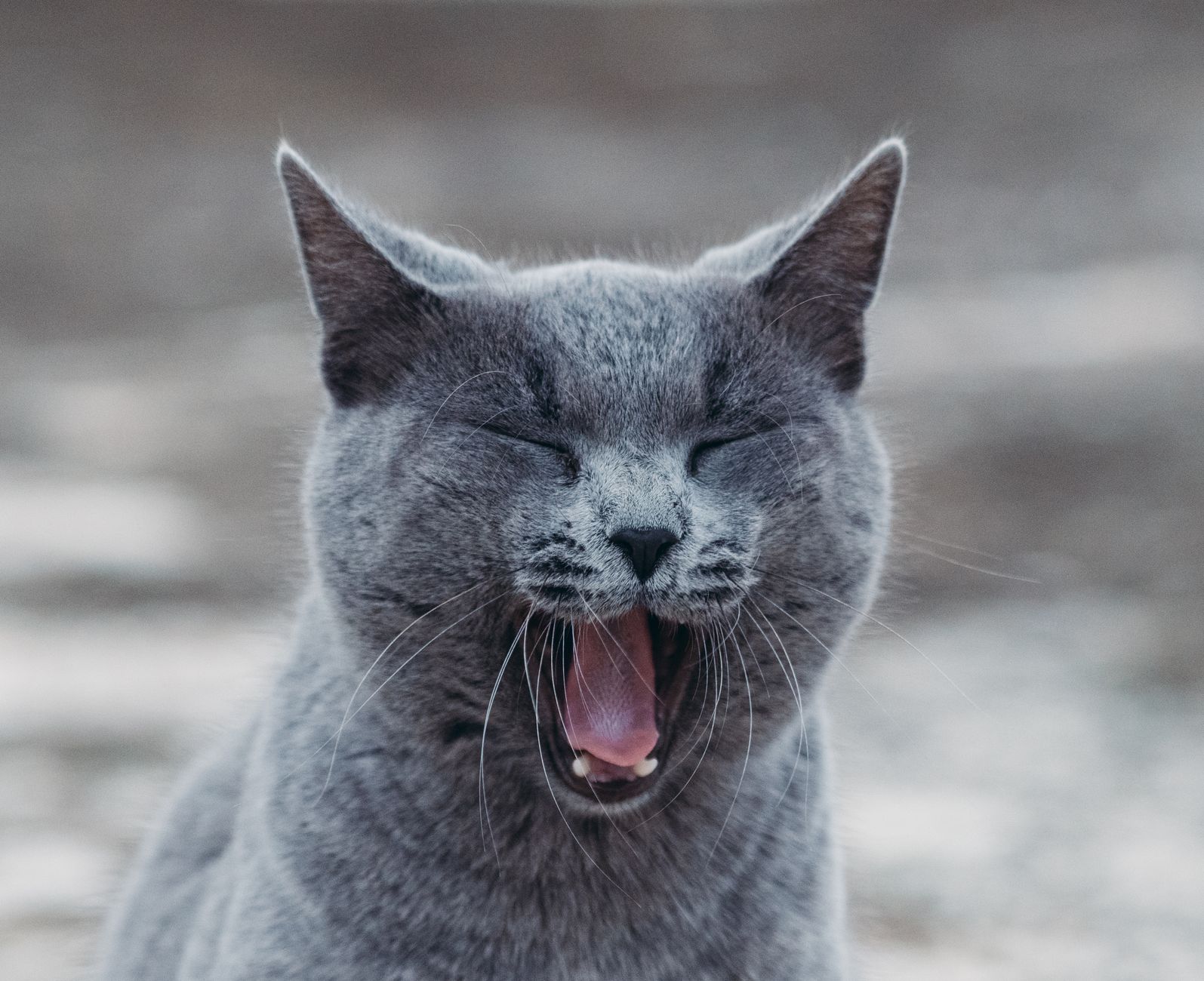
A cat purring care routine combines daily comfort, regular veterinary prevention, and home safety. Purring is the low vibrating sound cats make when content and also when stressed, sick, or in pain.
Watch the pattern, not just the sound. A calm purr during rest or petting often signals ease. A shift in purr, effort, or daily habits deserves closer checks.
Table of Contents
- What is your cat's purr telling you?
- What does routine preventive care include?
- How do you keep indoor life active and safe?
- Which plants must stay out of the home?
- How should you handle the litter box?
What is your cat's purr telling you?
Cats often purr when content, but they also purr to self-soothe when anxious, frightened, sick, in pain, or near death. PetMD describes this range in its guide to why cats purr.
Use change as your cue. A new, stronger, or constant purr matters more than any single purr. Check for these warning signs together: Seek veterinary evaluation when changed or excessive purring joins those signs.
- hides more or avoids contact
- eats less or skips meals
- moves less or seems tired or weak
What does routine preventive care include?
Cats under age 10 need a thorough veterinary checkup at least yearly. Cats over 10 need checkups twice yearly, with cardiac listening at each visit. Cornell University College of Veterinary Medicine gives these intervals in its tip sheet on recognizing heart disease in pets. At home, count breaths during deep rest or sleep. Normal resting rate is 15-30 breaths per minute.
A sustained rate above 35 needs veterinary consultation. Vaccines and parasites complete the routine. The 2020 AAHA/AAFP guidelines, summarized by the Cat Fanciers' Association, list FVRCP against herpesvirus-1, calicivirus, and panleukopenia plus rabies as core for all pet cats. They list feline leukemia virus vaccine as core for kittens under 1 year and risk-based after, shaped by lifestyle and local law. The AAHA-AVMA preventive guidelines call for year-round broad-spectrum control against heartworms, intestinal parasites, and fleas. They also call for at least annual intestinal-parasite testing and annual heartworm testing, even for indoor-only cats.
How do you keep indoor life active and safe?
Outdoor cats face predators, traffic, and infection risks. Indoor life removes those dangers but can turn dull without outlets for climb, scratch, and hunt.
Ohio State University Pets 4 Life recommends enrichment to keep indoor cats physically and mentally active. Add several kinds of play and rest spots: Rotate toys and move puzzles to new spots. Watch which items draw steady use and keep those in rotation.
- tall climbing furniture and a window perch
- sturdy scratching posts in daily paths
- interactive toys for chase and pounce
- food puzzles that mimic hunting
Which plants must stay out of the home?
All parts of true lilies and daylilies can harm cats. Leaves, pollen, flowers, and vase water all count. Even small exposures can cause acute kidney failure. The U.S.
Food and Drug Administration warns households with cats to avoid keeping lilies in its lily safety notice for cat owners. Act before chewing starts. Refuse lily bouquets and check gift arrangements for unopened lily buds. Move any suspect plant out of reach and call a veterinarian at once after contact.
How should you handle the litter box?
Keep clumping litter 2-4 inches deep. Scoop regularly, then empty fully and clean on a set schedule. Ohio State University Pets 4 Life gives this depth and cleaning pattern for cat care basics.
Litter duty also protects people. Some cats carry toxoplasmosis, which can harm a fetus or infant. Have someone else handle daily scooping if you are pregnant.