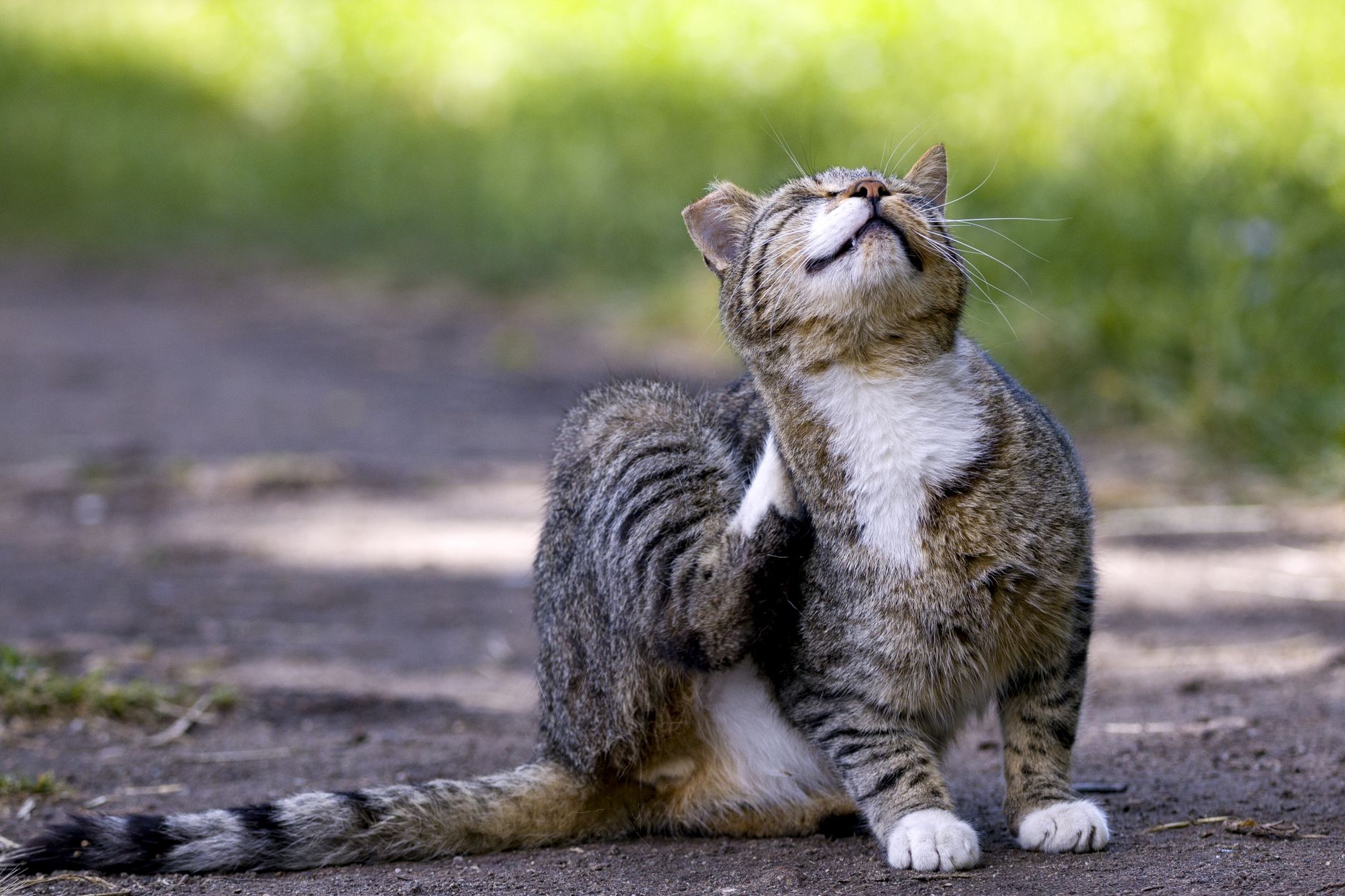
Cat scratching affects almost every cat household, while kittens, flea-infested cats, and children under 15 carry the highest health risk. Current evidence treats it as normal marking and claw care that responds to sisal posts, enrichment, pheromones, and routine nail trims.
Scratching means a cat drags claws to leave scent, shed claw sheaths, and mark territory. Cat-scratch disease means infection with Bartonella henselae bacteria after a scratch or bite. This guide shows who needs attention, what helps, and what to do next.
Table of Contents
- Why cats scratch
- Who faces the highest health risk
- Which surfaces and aids help
- What to do next without surgery
Why cats scratch
Cornell University College of Veterinary Medicine describes scratching as innate marking with paw scent, sheath shedding, and visible marks the Cornell behavior guide. Cats also stretch forelimb and torso muscles and condition claws, so scratching rises after naps and near sleeping spots.
A cat may rake the couch arm by the bed, then pause and stretch long. A confident cat marks near doorways and favorite chairs, not hidden corners.
Who faces the highest health risk
The major reservoir is domestic cats, especially kittens, with cat fleas spreading Bartonella henselae among cats. People scratched or bitten by kittens or flea-infested cats face the most risk. The CDC Emerging Infectious Diseases analysis finds highest U.S.
incidence in children under 15 and in southern states the CDC disease analysis. Typical illness starts as a small bump plus swollen lymph nodes near the scratch. CDC estimates about 12,000 Americans receive this diagnosis yearly and about 500 need hospital care. Most cases stay mild, but severe or unusual symptoms need prompt medical review.
Which surfaces and aids help
In one owner survey, carpet was offered most, but cats used sisal rope most when available. Homes offering sisal, flat surfaces, and enrichment reported less unwanted scratching. A 28-day randomized, triple-blind, placebo-controlled trial tested 1,060 cat-caregiver pairs.
PLOS ONE reports scratching frequency fell in 83.5% of pheromone-diffuser cats versus 68.5% on placebo the PLOS ONE trial report. The result supports pairing a diffuser with a post and redirection, not spray alone. Cats with strong location habits still need a post where they already scratch.
What to do next without surgery
Place help where the habit lives and keep claws dull. The American Association of Feline Practitioners opposes declawing because it amputates the third toe bone, per its position statement the feline veterinary position statement.
Move one scratcher to the couch arm today and redirect with a toy, not fingers. Keep a second flat sisal mat near the nap spot.
- Trim nails regularly and reward calm handling.
- Place a tall, stable scratcher where the cat already scratches.
- Wash any scratch at once and watch for swelling.
- Control fleas year-round and avoid rough hand play.