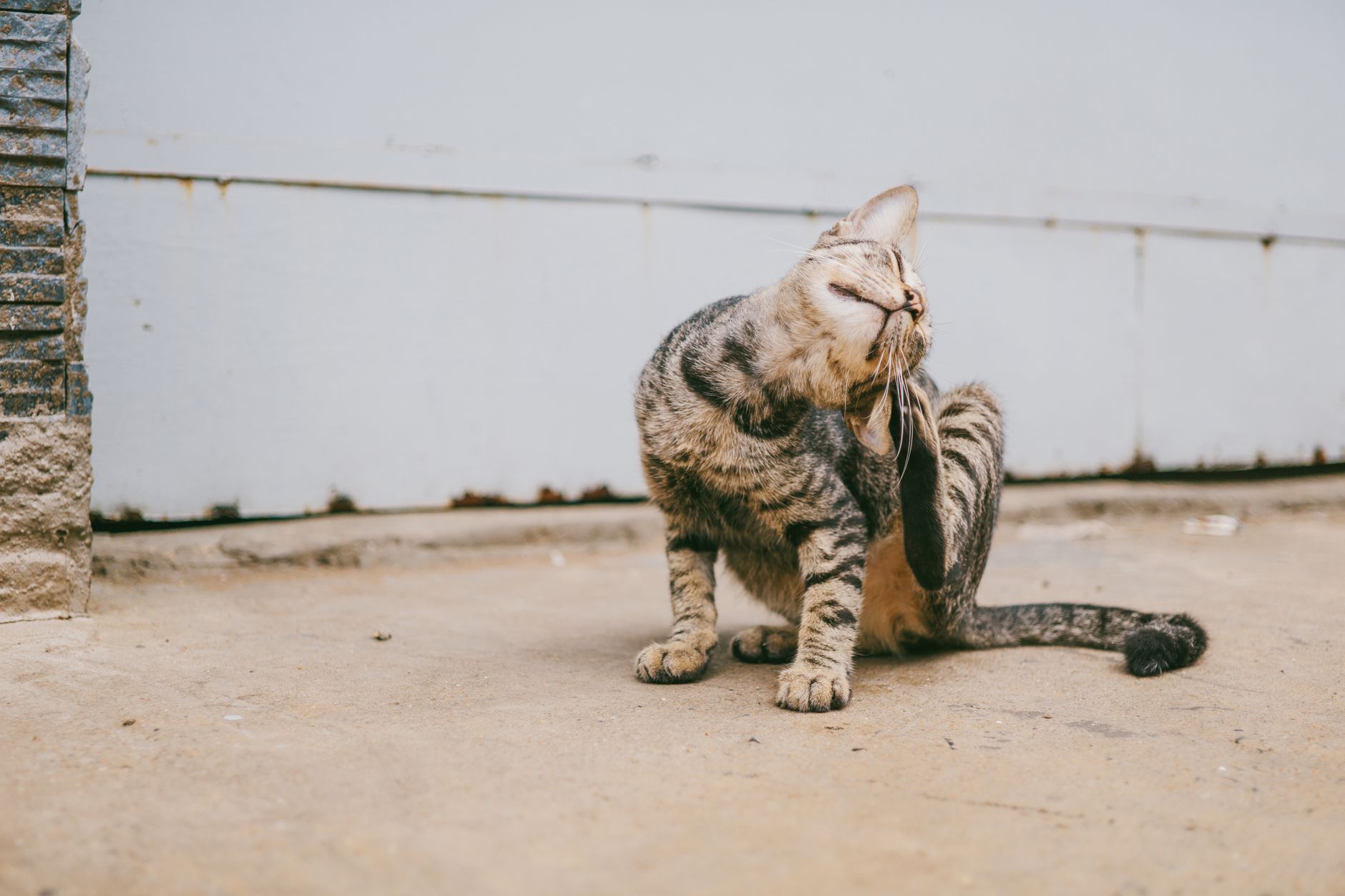
The most damaging cat scratching mistakes are trying to eliminate scratching, choosing declawing, punishing the cat, and offering the wrong post. Redirect scratching instead with matched textures, sturdy placement, regular nail trims, and rewards.
Scratching is normal maintenance, not misbehavior. Cats mark territory, shed worn claw husks, and stretch muscles. Elective declawing, surgery that removes bone as well as nail, does not meet that need.
Table of Contents
- Why bans on scratching fail
- Why punishment and declawing cause harm
- Are you offering the wrong texture?
- Is the post too short, wobbly, or hidden?
- Are nail trims and caps used correctly?
Why bans on scratching fail
Cats scratch to leave visual marks and scent from paw glands. They also remove worn outer claw husks and stretch shoulders, back, and legs. The American Association of Feline Practitioners explains in its declawing position statement that scratching is normal and owners must redirect it.
Redirection works better than prevention. Watch where and how your cat scratches, then offer an approved target nearby. Reward use with play, treats, or praise so the new habit sticks.
Why punishment and declawing cause harm
Yelling, swatting, or spraying only stops scratching for a moment. It does not teach an approved target. The Richmond SPCA handout citing ASPCA notes the cat then avoids the owner and scratches when unwatched.
Elective declawing removes bone through onychectomy, tendonectomy, or phalangectomy. It can cause chronic pain and long-term behavior problems. VCA Animal Hospitals states in its elective-declaw policy that its hospitals do not support or perform the procedure.
Are you offering the wrong texture?
Cats prefer specific textures and scratching angles. Carpet scratchers often want carpet-covered posts. Couch and nubby-surface scratchers often want sisal or rope.
The Cornell Feline Health Center explains in its destructive-behavior guide that owners should match the post to the cat. Offer both vertical and horizontal choices at first. Notice paw placement, surface choice, and stretch height. Keep the texture your cat uses most and move the ignored option closer to traffic or rest areas.
Is the post too short, wobbly, or hidden?
A usable post allows a full hind-leg stretch without tipping. The Ohio State Indoor Pet Initiative sets three tests: tall, sturdy, and well placed. A wobbling post teaches the cat to return to the couch.
Placement decides use. Put posts in prominent rooms, near sleeping quarters, and beside already-scratched furniture. A post in a back closet cannot compete with a living-room armchair.
Are nail trims and caps used correctly?
Trimming nails every ten days to two weeks reduces damage from normal scratching. Cut only the sharp white tip. Avoid the pink quick, which holds nerves and blood vessels. The ASPCA describes this boundary in its at-home grooming tips.
Glued plastic nail caps allow scratching motions without damage. Cornell Feline Health Center notes they suit only cats that accept paw handling. They supplement training, they do not replace it. Replace caps every six to 12 weeks and keep training for lasting results.
- Check nail length every ten days
- Trim white tips in good light, stop before pink
- Place sisal and carpet options near sleep and couch
- Reward post use right away