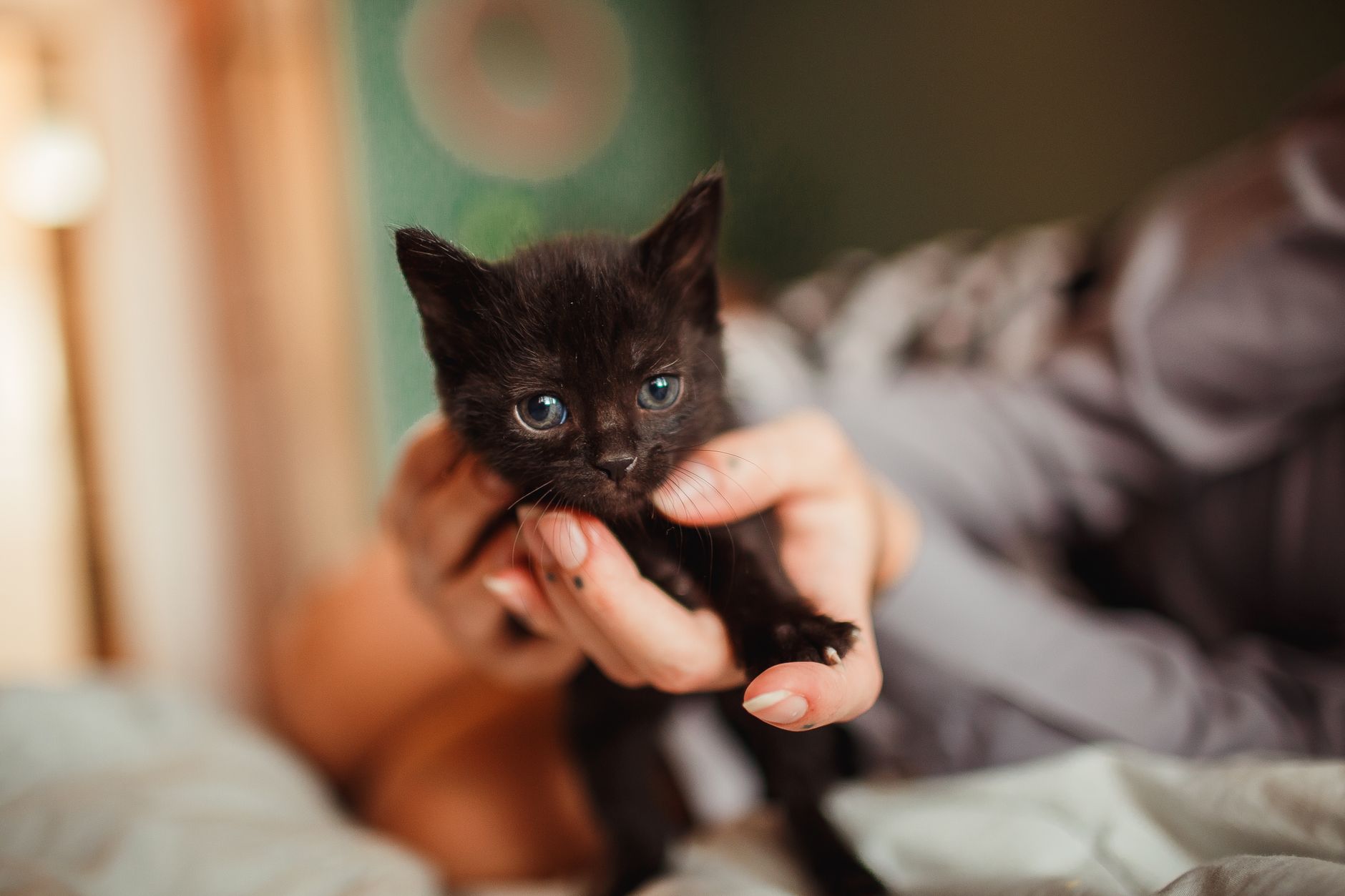
When a fragile kitten enters a rescue organization or shelter, survival is not guaranteed. Kittens born premature, with congenital conditions, or abandoned before weaning face cascading health challenges—upper respiratory infections layered on top of gastrointestinal parasites, malnutrition compounded by immune system failure, or developmental complications that emerge unpredictably. Yet many of these medically complex kittens do survive the journey from rescue intake through foster care to adoption, though success depends on early intervention, consistent veterinary oversight, and foster caregivers willing to perform nursing-level care.
The path is rarely linear; a single kitten might require weeks of treatment for one condition only to face a secondary crisis that tests both the medical team and the human commitment supporting its survival. Each crisis along this journey teaches adopters and rescue staff something critical about resilience in animals that should not have lived. A kitten that arrives dehydrated and hypothermic, stabilizes under round-the-clock care, then develops a secondary infection at week three is not simply recovering—it is demonstrating physiological adaptation and a will that, combined with skilled intervention, creates the conditions for adoption into a permanent home. The stories of these kittens matter because they reflect real possibilities for cats with complicated beginnings, and because preparing potential adopters for what medically fragile kittens actually require remains one of the most underaddressed aspects of rescue work.
Table of Contents
- What Health Crises Do Fragile Kittens Face During Rescue and Foster Care?
- The Role of Foster Care and Ongoing Medical Monitoring
- Recognizing Which Health Crises Indicate Permanent vs. Temporary Complications
- Preparing Adopters for the Reality of Adopting a Medically Fragile Kitten
- Common Complications Overlooked During Rescue and Adoption Transitions
- Support Systems and Resources After Adoption
- The Long-Term Outcomes and Reality of Living with Survivors
- Frequently Asked Questions
What Health Crises Do Fragile Kittens Face During Rescue and Foster Care?
The most common acute health emergencies in rescued kittens stem from abandonment or neglect during the critical early weeks of life. Kittens separated from their mothers before eight weeks lack passive immunity from nursing; even brief periods without maternal antibodies leave them vulnerable to panleukopenia (feline distemper), calicivirus, and rhinotracheitis. Upper respiratory infections are nearly universal in shelter environments, where airborne pathogens spread rapidly through close quarters. A kitten arriving at a rescue facility may appear stable for forty-eight hours, then decline suddenly into labored breathing, nasal discharge so thick it blocks breathing, and fever that exceeds 104 degrees Fahrenheit—a trajectory that separates surviving kittens from those who do not. Beyond infectious disease, malnutrition and parasitism create compounding crises. Kittens found outdoors or abandoned in homes often carry heavy intestinal worm loads—roundworms, hookworms, and coccidia—that cause chronic diarrhea, dehydration, and protein loss even as the kitten consumes food.
The combination of parasites and poor nutrition can trigger secondary bacterial infections of the intestinal tract, creating a cascade where treating one problem without addressing the others ensures continued decline. A kitten might test negative for feline leukemia and feline immunodeficiency virus but remain physiologically compromised for weeks because the underlying parasitic load or caloric deficit was not recognized quickly enough. Congenital and developmental complications add another layer of unpredictability. Cleft palate, heart murmurs, cerebellar hypoplasia (affecting coordination), and other birth defects are not rare in kittens born to unspayed stray females or from high-stress breeding situations. These conditions often do not manifest until the kitten is several weeks old and attempting to nurse or eat solid food. A kitten with a minor cleft may feed adequately until stressed, then aspirate formula or food into the lungs, creating pneumonia that demands aggressive antibiotic therapy and nutritional support. Rescue staff must learn to recognize these subtler presentations, because a kitten that “just seems off” might have a structural problem that, if missed, will prove fatal within days.
The Role of Foster Care and Ongoing Medical Monitoring
Foster homes become intensive care units for kittens too medically complex for shelter kennel environments. The difference between a kitten that survives and one that does not often comes down to whether it receives feeding every four to six hours, temperature monitoring, and immediate response to changes in appetite or breathing. A foster caregiver feeding a bottle-fed kitten must wake multiple times nightly for weeks; must recognize signs of aspiration pneumonia (lethargy, labored breathing, crackling lung sounds); and must communicate immediately with the rescue’s veterinary team when something seems wrong. This level of care cannot be provided in a shelter setting with limited staff. However, foster care creates a limitation that adopters must understand: the kitten’s apparent stability during foster care does not guarantee that all underlying health problems have resolved. A kitten may gain weight steadily, show normal energy levels, and clear a respiratory infection over four weeks of intensive care—then develop a recurrence days after arriving in its forever home if the adopter’s environment, stress level, or feeding routine differs significantly from what the foster provided.
Temperature fluctuations, changes in diet, or exposure to new stressors can trigger relapse of infections that were suppressed, not fully eliminated. Rescue organizations often warn adopters that medically fragile kittens require a continued level of vigilance even after appearing to recover, because physiological reserves remain depleted. The financial barrier to foster-based rescue is substantial. Laboratory testing for a sick kitten—bloodwork, fecal examination, viral testing, urinalysis—can total several hundred dollars before treatment begins. Antibiotics, anthelmintics (deworming medications), and supportive care like IV fluids add hundreds more. Kittens requiring multiple rounds of antibiotics due to secondary bacterial infections or those needing nutritional support through feeding tubes represent investments that many shelters cannot sustain. Foster-based rescues mitigate this by distributing medical costs across donation-funded organizations, but this means that access to intensive care for fragile kittens remains geographically limited and contingent on community support.
Recognizing Which Health Crises Indicate Permanent vs. Temporary Complications
A critical distinction in kitten rescue is understanding which health crises will resolve with treatment and which indicate permanent disability. A kitten with pneumonia, if treated aggressively with antibiotics and supportive care within the first forty-eight hours of symptom onset, has an excellent prognosis for full recovery with no lasting lung damage. By contrast, a kitten that develops neurological symptoms—circling, nystagmus (eye tremor), ataxia (loss of coordination)—from severe infection may recover some function but often retains permanent cerebellar damage or other neurological sequelae. These kittens can live happy lives in adoption, but their adopters must understand the disabilities and accept them as permanent rather than waiting for recovery that may not come. Some kittens survive multiple infections but are left with chronic conditions requiring lifelong management. A kitten that recovers from calicivirus might develop chronic stomatitis—persistent inflammation of the mouth and gums—that causes pain during eating, reduced appetite, and recurrent flare-ups if the immune system is stressed.
Another kitten might survive panleukopenia but retain subtle intestinal damage that predisposes it to chronic diarrhea or malabsorption, meaning its adopter must feed premium, easily digestible food or manage occasional gastrointestinal upset indefinitely. Rescue organizations must communicate these realities clearly during adoption placement, because adopters who believe they are bringing home a “fully recovered” kitten and discover instead that specialized care continues may struggle with the commitment. A concrete example illustrates the stakes: a kitten with feline infectious peritonitis (FIP)—traditionally considered uniformly fatal—may survive with newer antiviral treatments, but survival does not mean cure. FIP-positive kittens placed in adoption require isolated housing away from other cats (to prevent transmission), strict containment protocols, and veterinary monitoring that many household environments cannot sustain safely. A rescue cannot ethically place such a kitten without an adopter who explicitly understands both the transmission risk and the probability of disease recurrence. The kitten that survives FIP has experienced a genuine crisis; the adoption that follows is built on informed commitment, not on the assumption that survival equals problem-solved.
Preparing Adopters for the Reality of Adopting a Medically Fragile Kitten
Adopters drawn to medically fragile kittens often underestimate the ongoing demands of care. Rescue organizations increasingly require adoption contracts that specify veterinary follow-up schedules, medication administration, dietary requirements, and expected costs for the first months after adoption. A kitten discharged from foster care may need to return to the veterinarian weekly for weight checks, bloodwork rechecks, or monitoring of respiratory status for six to eight weeks. Medications might include probiotics to restore intestinal flora after antibiotic therapy, anthelmintics to be repeated at specific intervals, and possibly prescription diet to support recovery. An adopter who budgeted for the initial adoption fee but not for these ongoing expenses may find themselves unable to provide the care the kitten requires, leading to rehoming or crisis situations. The temperament and behavioral expectations for a medically fragile kitten differ significantly from a healthy littermate. A kitten recovering from serious illness may be less playful, more prone to sleep, and less interested in social interaction for weeks or months.
An adopter expecting a typical energetic eight-week-old kitten and instead receiving a kitten that rests quietly, eats slowly, and seems withdrawn may interpret this as behavioral problems or lack of bonding, when in fact the kitten is still marshaling physiological resources for recovery. Rescue organizations must set expectations clearly: this kitten is not broken, but it is not yet a typical pet, and that distinction matters for adoption success. A household with very young children or high activity levels may not be the right placement for a kitten whose immune system is still recovering, because stress and exposure to illness are risks that fully healthy kittens can tolerate but fragile kittens cannot. Cost comparison matters for adopter retention. A kitten adopted from a standard shelter fee might cost fifty to one hundred dollars; the same kitten if it is medically fragile and has undergone foster-based rescue care might be listed with a higher adoption fee (three hundred to five hundred dollars) to recoup veterinary costs. That fee differential, if not explained clearly, can create tension between adopters and rescuers. However, framing the cost as avoiding five to ten times that amount in emergency veterinary care if the kitten deteriorated in an unprepared home provides context. An adopter paying three hundred dollars upfront to adopt a kitten whose health crises have already been managed is significantly less likely to face a fifteen-hundred-dollar emergency bill six months later than an adopter who took a kitten with undiagnosed infections.
Common Complications Overlooked During Rescue and Adoption Transitions
Dental disease emerging after recovery is a frequently underrecognized consequence of severe kitten illness. Kittens that experience high fevers, malnutrition, or significant dehydration during early critical periods may develop enamel defects, discoloration, or other dental abnormalities that appear months later as the permanent teeth erupt. These defects do not necessarily indicate current illness but are markers of the physiological stress the kitten endured. Adopters surprised by dental problems or behavioral changes related to tooth pain should understand that these are not new developments—they are consequences of crises already survived, and they may require dental evaluation and treatment. A less obvious but significant complication is the kitten’s response to veterinary care itself. A kitten that underwent intensive medical intervention—force feeding, medication administration, repeated veterinary visits, possible hospitalization—may develop anxiety or fear responses to veterinary handling that persist into adulthood.
Some fragile kittens become needle-averse or resistant to oral medication administration, creating challenges for future medical care. Adopters should be warned that a kitten’s behavior at veterinary clinics might not reflect its true personality but rather its conditioned fear response from previous treatment experiences. Building positive associations with handling and care requires patience and sometimes gradual desensitization that most adopters are not prepared to undertake without guidance. Environmental sensitivity in previously ill kittens is a warning often missed. A kitten that recovered from respiratory infection remains more susceptible to airborne irritants—dust, smoke, perfumes, strong cleaning chemicals—than a kitten without prior lung inflammation. A household where someone smokes, uses unscented products during cleaning, or keeps a litter box near the kitten’s sleeping area may trigger recurrence of coughing or nasal discharge that an adopter interprets as new illness rather than environmental reaction. Rescue organizations should provide detailed environmental guidance, but many do not, leaving adopters to discover these sensitivities through trial and error.
Support Systems and Resources After Adoption
Rescue organizations serving medically fragile kittens increasingly offer post-adoption support, including follow-up communication, access to foster caregivers for questions, and connections to veterinary resources. The most effective rescues maintain relationships with adopters beyond the adoption event, checking in at two weeks, one month, and three months to ensure the kitten is thriving and to address any health or behavioral concerns early. This support is labor-intensive and requires volunteer capacity, which means it is not universal across rescue organizations. Adopters seeking to adopt medically fragile kittens should inquire specifically about post-adoption support and view it as a marker of organizational quality.
Veterinary partnerships also matter substantially. A rescue working with veterinarians who will perform low-cost or subsidized follow-up care for adopted kittens, who communicate openly with foster caregivers, and who prioritize preventive care removes barriers to success. Some veterinary clinics offer “rescue kitten” packages that bundle initial examinations, vaccines, and deworming at reduced rates specifically to support adoption of medically complex animals. Adopters who connect with these resources—or whose rescue connects them during the adoption process—are far more likely to maintain the ongoing care these kittens require.
The Long-Term Outcomes and Reality of Living with Survivors
Kittens that survive multiple health crises during rescue often become resilient, adaptable adult cats. This is not sentimental anthropomorphism; it reflects genuine physiological recovery. A cat that once required intensive intervention may live a completely normal lifespan with no recurrence of the conditions that threatened it as a kitten. However, medical records and rescue history matter.
An adopter who knows a cat’s complete history—what infections it survived, what medications it received, what test results indicated at recovery—has information that proves invaluable if the adult cat ever develops new health problems. A kitten that survived panleukopenia as an infant requires different medical evaluation protocols if it becomes ill five years later, because the veterinarian can distinguish between chronic consequences of prior infection and new disease processes. The most honest outcome from fragile kitten rescue is this: survival is possible, recovery is real, and adoption into informed and committed households transforms crisis into story. The kitten that arrives hypothermic and dehydrated, stabilizes through intensive care, endures multiple treatment cycles, and is finally adopted has not merely been rescued—it has been given a second beginning. That beginning, however, demands more from adopters than typical pet ownership, and rescue organizations that acknowledge this rather than downplaying the complexity of medically fragile kittens make the strongest, most durable placements.
- —
Frequently Asked Questions
How long does it typically take for a medically fragile kitten to recover enough for adoption?
Recovery timelines vary by condition, but kittens with infectious diseases or parasitic loads often require four to twelve weeks of foster care. Those with congenital conditions or complications may need longer assessment. Rescue organizations should provide realistic timelines rather than promising quick adoptions.
What ongoing costs should an adopter expect after bringing home a fragile kitten?
Monthly veterinary follow-ups, prescription diet, medications, and repeat laboratory work can total several hundred dollars over the first three to six months. Adopters should budget for emergency veterinary care as well, since relapse is possible.
Can a kitten that survived a serious illness adopt normally, or will it have behavioral issues?
Most medically recovered kittens develop typically, but many are less playful during active recovery. Some may show anxiety related to prior veterinary handling. Behavioral issues typically resolve with time and patience, not due to permanent personality changes.
How can I tell if my adopted fragile kitten is having a relapse versus normal kitten behavior?
Changes in appetite, energy level that drops below the kitten’s baseline, labored breathing, or recurrence of prior symptoms warrant veterinary evaluation. Ask your rescue organization for guidance on what baseline behavior to expect and what signals indicate medical concern.
Should a household with other pets adopt a medically fragile kitten?
This depends on the kitten’s specific conditions. Kittens recovering from contagious infections require isolation. Kittens with chronic conditions generally integrate well but benefit from a lower-stress environment. Discuss specific household composition with the rescue organization.
What if I’m not sure I can manage the ongoing care requirements?
Rescue organizations would rather hear this before adoption than have a kitten returned or neglected. Being honest about limitations allows the rescue to identify a better-matched home. Many healthy kittens also need care; medically fragile kittens are not appropriate for every adopter, and that is the correct outcome.