Butter is not toxic to cats, but it is not safe as a regular part of their diet. While a small lick of butter from your toast won’t send your cat to the emergency vet, butter offers no nutritional benefit to felines and can cause digestive upset, weight gain, and contribute to more serious health problems over time. The high fat content and lactose in butter make it a poor choice for cats, who are obligate carnivores designed to thrive on protein-rich meat rather than dairy products. Consider a scenario where your cat jumps on the counter and steals a bite of buttered bread.
In this one-time incident, you’ll likely see no adverse effects beyond perhaps some mild stomach upset or loose stool. However, if you’ve been adding butter to your cat’s food thinking it helps with hairballs or makes their coat shiny, you’re actually doing more harm than good. The difference between an accidental taste and intentional feeding matters significantly when assessing risk. This article explores why cats and butter don’t mix well from a digestive and nutritional standpoint, what symptoms to watch for if your cat consumes butter, safer alternatives for common reasons people give cats butter, and when butter consumption actually warrants a call to your veterinarian. Understanding the nuances helps you make informed decisions about your cat’s diet and respond appropriately if butter theft occurs.
Table of Contents
- Why Can’t Cats Digest Butter Properly?
- What Happens When a Cat Eats Butter?
- Why Do Some Cat Owners Give Their Cats Butter?
- Safe Alternatives When Your Cat Craves Fatty Treats
- When Butter Consumption Requires Veterinary Attention
- Butter Containing Garlic, Onion, or Other Additives
- Can Kittens Have Butter?
- Conclusion
Why Can’t Cats Digest Butter Properly?
cats lose the ability to properly digest lactose after weaning, typically around eight to ten weeks of age. The enzyme lactase, which breaks down the milk sugar lactose, decreases dramatically once kittens transition to solid food. While butter contains less lactose than milk or cream, it still contains enough to cause gastrointestinal distress in many cats, including bloating, gas, diarrhea, and abdominal discomfort. The fat content in butter presents an equally significant problem. Butter consists of approximately 80 percent fat, and cats’ digestive systems aren’t designed to process such concentrated fat loads.
Compare this to a mouse, which contains roughly 8 to 10 percent fat, and you can see why butter overwhelms the feline digestive system. When cats consume too much fat in a single sitting, it can trigger vomiting as the body attempts to expel what it cannot process. Beyond immediate digestive upset, regular butter consumption contributes to obesity and can lead to hepatic lipidosis, a serious liver condition that occurs when excess fat accumulates in liver cells. Cats are particularly susceptible to this condition, and obese cats who suddenly stop eating can develop it within days. The connection between high-fat treats like butter and this potentially fatal condition makes avoiding butter as a regular treat a wise choice.
What Happens When a Cat Eats Butter?
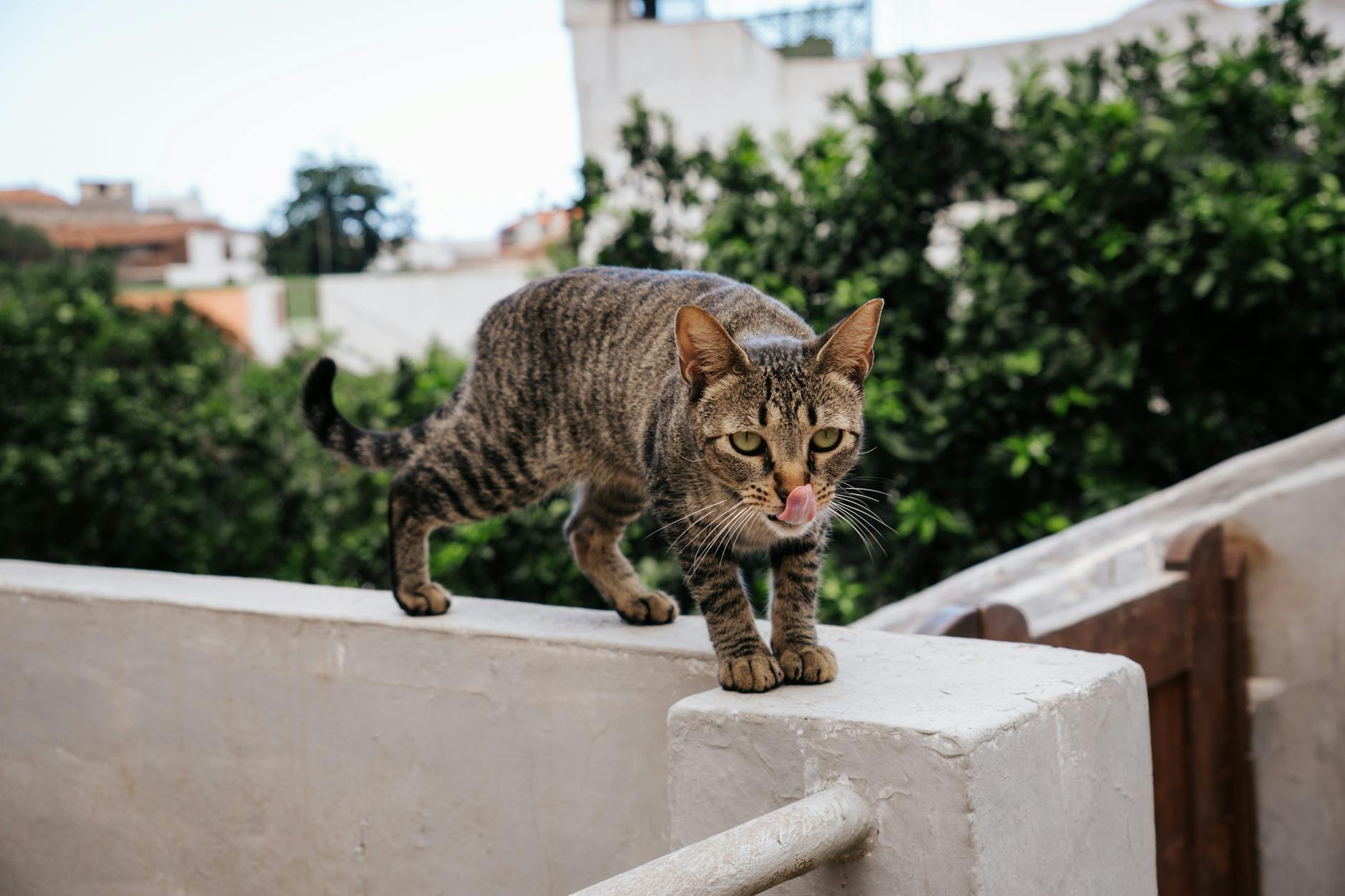
The immediate effects of butter consumption depend on the amount eaten and the individual cat’s tolerance. A small amount, such as what might stick to a knife or remain on an empty butter dish, typically causes no noticeable symptoms. Larger quantities, like half a stick of butter stolen from the counter, will likely result in vomiting within a few hours as the digestive system rejects the fat overload. Diarrhea often follows within 12 to 24 hours of butter consumption, sometimes accompanied by increased thirst and decreased appetite.
The loose stool may appear greasy or have an unusually foul odor due to the undigested fat passing through the system. Most healthy adult cats recover from a single butter incident within one to two days without intervention, though they may seem lethargic or uninterested in food during this time. However, if your cat has an underlying health condition such as pancreatitis, inflammatory bowel disease, or diabetes, even a small amount of butter can trigger a more serious reaction. Cats with pancreatitis are especially vulnerable because high-fat foods can cause painful flare-ups that require veterinary treatment. If your cat has any chronic health condition and consumes butter, monitoring more closely and contacting your vet proactively is advisable rather than waiting for symptoms to develop.
Why Do Some Cat Owners Give Their Cats Butter?
The practice of giving cats butter often stems from well-intentioned but misguided beliefs passed down through generations. Many people believe butter helps with hairball prevention by lubricating the digestive tract, allowing hair to pass more easily. While there’s a kernel of logic here, commercial hairball remedies use petroleum-based lubricants specifically formulated for safe passage through the feline digestive system, making them far more effective and less problematic than butter. Another common reason is the belief that butter improves coat quality. Cat owners sometimes notice a temporary sheen after giving butter, but this is simply residual fat on the fur from grooming after eating, not an actual improvement in coat health.
A cat’s coat quality depends on overall nutrition, adequate protein intake, and essential fatty acid balance in their regular diet. For example, cats fed a high-quality diet with appropriate omega-3 and omega-6 fatty acids develop naturally lustrous coats without any butter supplementation. Some owners use butter to administer medications, coating pills in a butter wrapper to make them more palatable. While this works in a pinch, it’s not ideal for repeated use. Pill pockets designed for cats, small pieces of deli meat, or commercial soft treats made for hiding medications accomplish the same goal without the digestive downsides. If your cat requires daily medication, finding a butter-free delivery method protects their digestive health over the long term.
Safe Alternatives When Your Cat Craves Fatty Treats
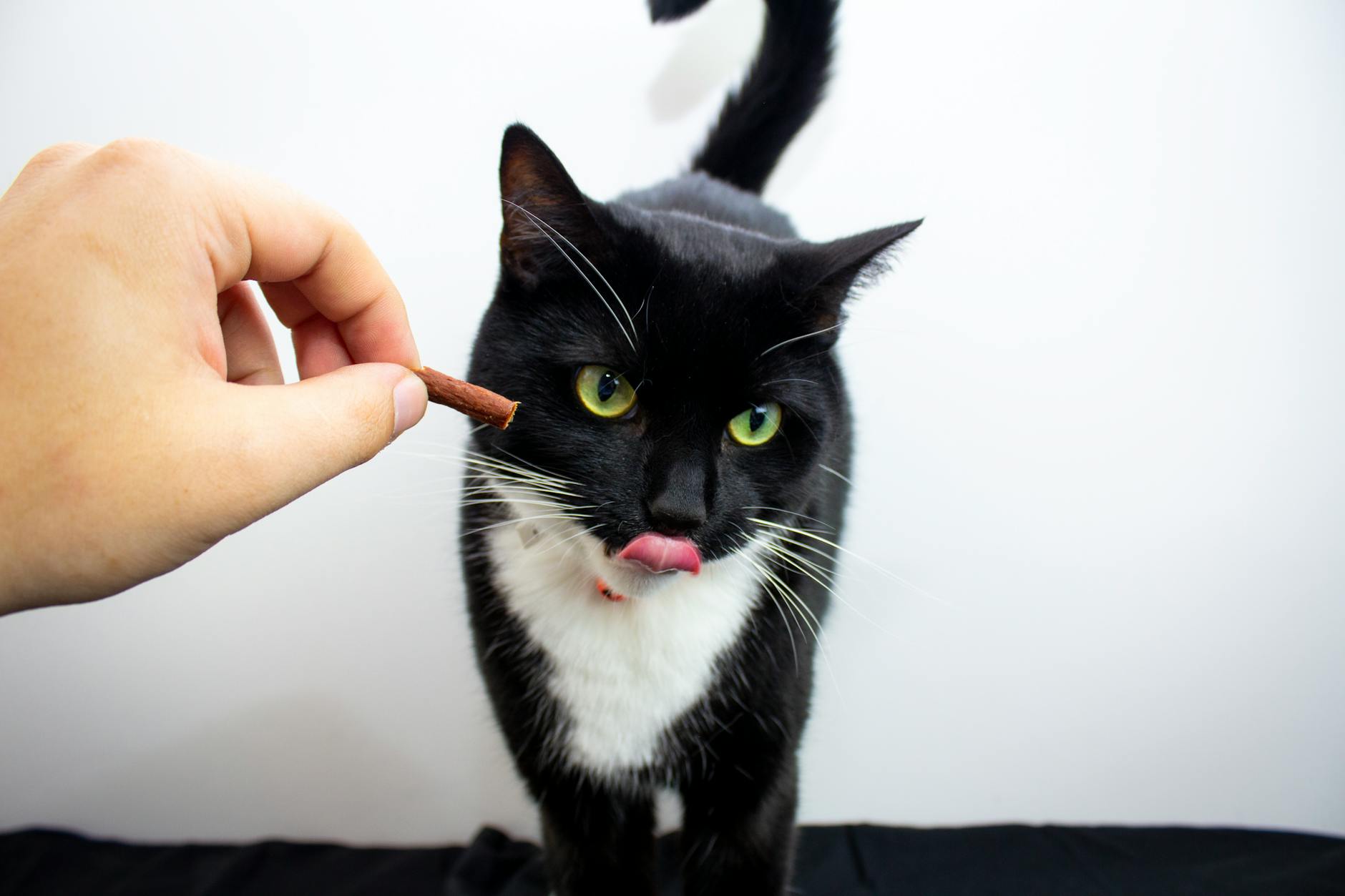
If your cat seems drawn to butter and fatty foods, there are safer ways to satisfy this preference without the risks. Fish oil supplements designed for cats provide healthy omega-3 fatty acids that benefit skin, coat, and joint health while being properly formulated for feline digestion. A single pump of salmon oil on their regular food gives them the rich taste they’re seeking with actual health benefits. Cooked egg yolk offers another alternative that provides fat and protein in a form cats can properly digest. A small portion of scrambled egg without butter or seasoning can serve as an occasional treat.
The tradeoff here is that eggs do add calories, so this works best for cats at a healthy weight who get plenty of exercise. For sedentary or overweight cats, treats should be minimized regardless of the source. Commercial cat treats formulated with higher fat content exist for cats who simply love rich-tasting food. These treats are portion-controlled and digestively appropriate, making them a better choice than table scraps like butter. The difference in cost between a bag of quality cat treats and a stick of butter is minimal, but the difference in appropriateness for your cat’s health is substantial.
When Butter Consumption Requires Veterinary Attention
Most butter incidents resolve on their own, but certain situations warrant professional intervention. If your cat consumes a large quantity of butter, such as an entire stick or more, contact your veterinarian even before symptoms appear. The fat load may be enough to trigger acute pancreatitis, and early intervention can prevent the condition from becoming severe. Symptoms that indicate a more serious problem include vomiting that continues beyond 24 hours, complete refusal to eat or drink, visible abdominal pain such as hunching or crying when picked up, lethargy that progresses to unresponsiveness, or blood in vomit or stool.
These signs suggest that the butter has triggered a condition requiring medical treatment rather than simply passing through the system. A limitation of home monitoring is that cats instinctively hide illness, making it difficult to assess how they’re truly feeling. If your gut tells you something is wrong even without obvious symptoms, trusting that instinct and calling your vet is reasonable. Veterinarians would rather field a call about a cat who turns out to be fine than treat a cat whose owner waited too long to seek help.
Butter Containing Garlic, Onion, or Other Additives
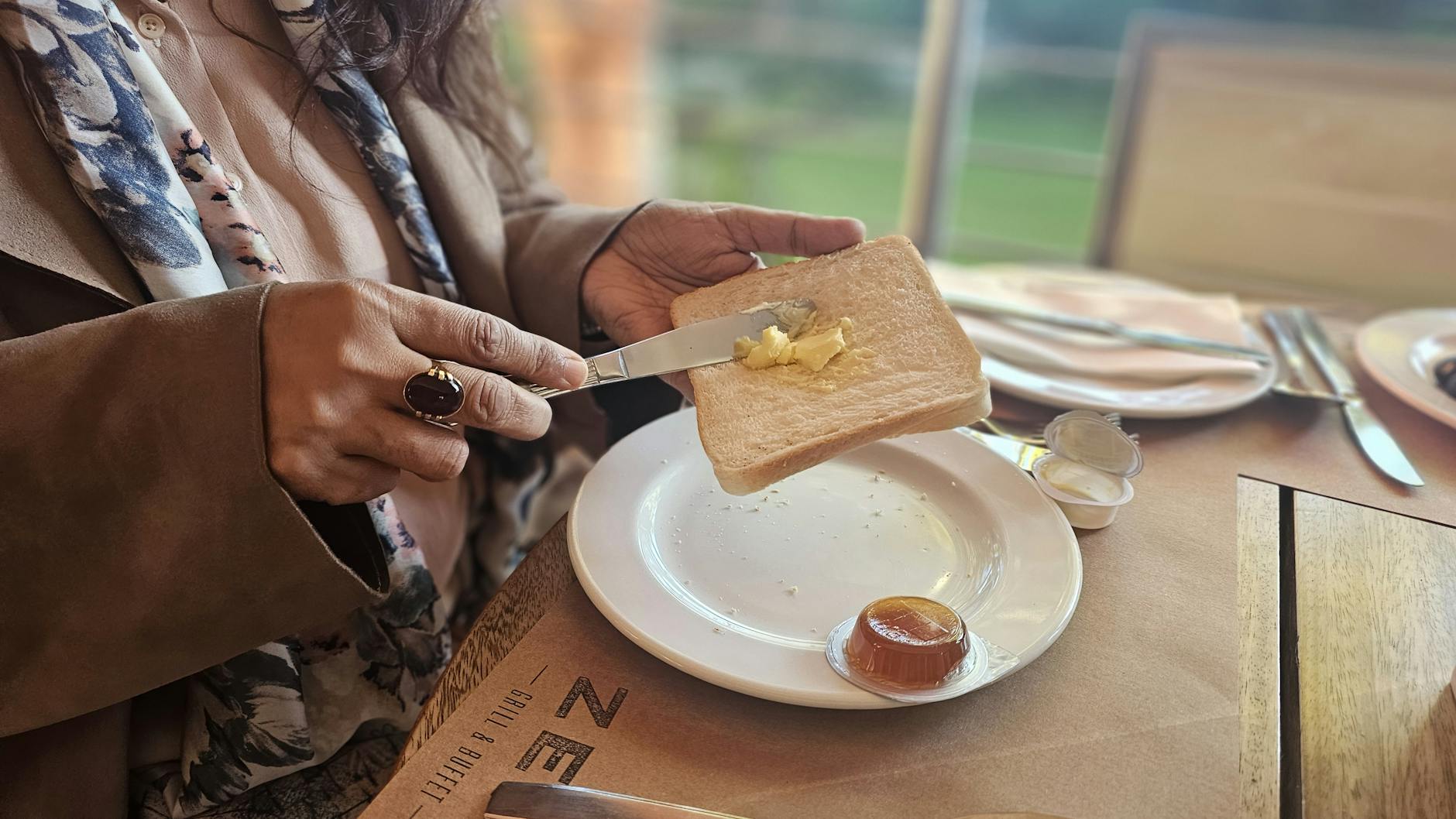
Plain butter is problematic enough, but flavored butters present additional dangers that elevate concern levels significantly. Garlic butter, commonly used on bread and in cooking, contains compounds that are toxic to cats. Garlic damages red blood cells and can cause hemolytic anemia, a condition where the body destroys its own red blood cells faster than it can produce new ones. Even small amounts of garlic consumed regularly can build up to toxic levels.
Onion and chive butters pose similar risks through the same mechanism of red blood cell destruction. If your cat consumes butter that contains any allium family ingredients, monitoring for signs of anemia becomes important. Symptoms include pale gums, weakness, rapid breathing, and decreased appetite appearing several days after ingestion. A cat who ate plain butter can be monitored at home, but a cat who consumed garlic or onion butter should prompt a call to your veterinarian or poison control for guidance.
Can Kittens Have Butter?
Kittens occupy a unique position in this discussion because they still produce lactase and can technically digest lactose better than adult cats. However, this doesn’t make butter appropriate for kittens. Their developing digestive systems are even more sensitive to fat overload than adult cats, and the caloric density of butter can disrupt their carefully balanced nutritional needs during crucial growth periods.
A kitten who gets into butter may experience more dramatic digestive upset than an adult cat simply because their smaller body has less capacity to handle the insult. Dehydration from diarrhea becomes a concern more quickly in kittens, and their energy reserves deplete faster when they’re not eating normally. If your kitten consumes butter and develops digestive symptoms, keeping a closer eye on hydration and being willing to seek veterinary care sooner rather than later is particularly important for these young cats.
Conclusion
Butter falls into the category of foods that won’t poison your cat but shouldn’t become part of their diet. The lack of nutritional benefit combined with the real risks of digestive upset, obesity, and potential contribution to serious conditions like pancreatitis and hepatic lipidosis makes butter a treat best left on the human side of the table. Understanding that cats are obligate carnivores whose bodies are designed for meat, not dairy, helps put butter in proper perspective.
If your cat has already consumed butter, watch for symptoms but don’t panic unless the quantity was large or the butter contained toxic additives like garlic. Going forward, keep butter covered and out of reach, and consider whether your cat’s attraction to fatty foods might indicate a need for diet adjustment or simply a personality that requires extra vigilance about food security. Cats are opportunistic and clever, so preventing access is ultimately easier than managing the consequences of stolen snacks.