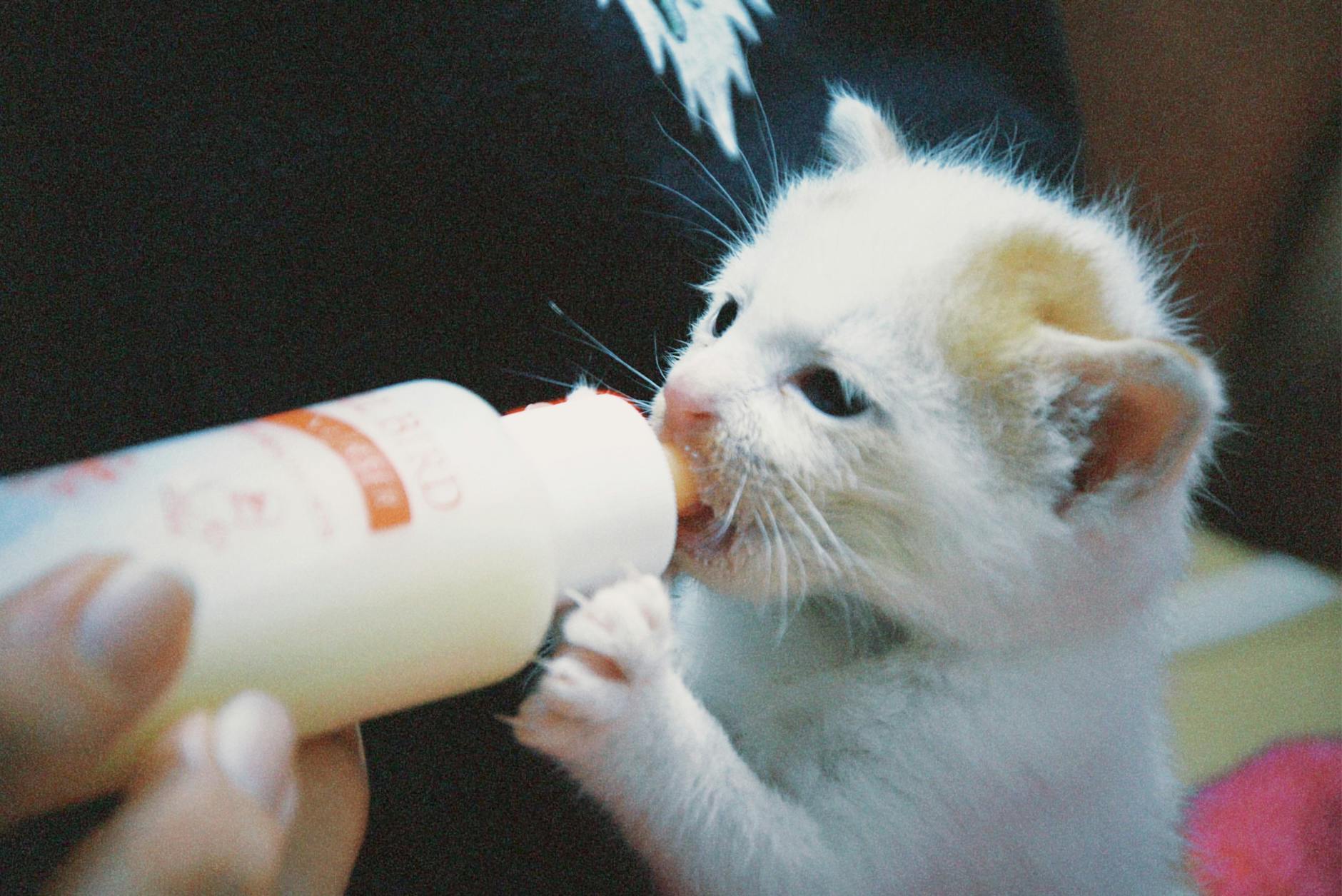
Yes, it is generally safe for cats to drink bottled water, but whether it’s necessary depends on your home’s water quality and your cat’s individual needs. Bottled water doesn’t pose inherent risks to feline health, though the mineral content and filtration level can vary significantly by brand. If your cat has been drinking tap water without problems, switching to bottled water won’t necessarily improve their health or longevity. For example, a healthy adult cat in an area with good municipal water systems may never need bottled water at all, while a cat with urinary issues or a pet owner in a region with poor water quality might benefit from it.
The real concern with bottled water isn’t safety but rather cost, consistency, and whether your cat’s specific situation justifies the expense. Some veterinarians recommend bottled water for cats with a history of kidney disease or urinary blockages, as mineral content can influence urine composition. However, filtered tap water often serves the same purpose at a fraction of the cost. The key is ensuring your cat stays hydrated, regardless of the water source.
Table of Contents
- What Types of Bottled Water Are Safe for Cats?
- Mineral Content and Feline Urinary Health
- Tap Water Quality and Regional Variations
- Bottled Water Versus Filtered Tap Water for Cats
- Distilled Water and Long-Term Health Concerns
- Special Circumstances When Bottled Water Becomes Practical
- Moving Forward with Hydration as the Priority
- Conclusion
What Types of Bottled Water Are Safe for Cats?
Not all bottled water is created equal, and the type matters for feline consumption. Spring water, filtered water, and purified water are the most common options available, each with different mineral profiles and processing methods. Spring water comes from natural springs and may contain minerals like calcium and magnesium that can affect cats prone to urinary issues. Purified water, on the other hand, has had minerals and contaminants removed through distillation or reverse osmosis, making it essentially mineral-free.
Filtered water falls somewhere in between, removing some contaminants while retaining beneficial minerals. For most healthy cats, any of these options are safe to drink. A cat drinking spring water won’t develop kidney problems from the minerals alone. However, if your cat has feline lower urinary tract disease (FLUTD) or has previously had urinary blockages, your veterinarian might recommend avoiding mineral-heavy options or suggest distilled water instead. The distinction becomes important only when addressing specific health conditions rather than general nutrition.
Mineral Content and Feline Urinary Health
The mineral content in water—particularly magnesium, phosphorus, and calcium—has been a topic of discussion in veterinary nutrition for decades. These minerals contribute to urine pH and can influence the formation of struvite crystals, which are implicated in urinary blockages more common in male cats. This is where the bottled water conversation becomes more nuanced and sometimes confusing for cat owners. Some sources suggest that low-mineral water is better for all cats, but this isn’t universally supported by evidence.
The reality is that water mineralization alone is rarely the primary cause of urinary issues in cats. Diet composition, hydration levels, and individual cat genetics play much larger roles. A cat eating high-quality commercial food designed with urinary health in mind can safely drink mineral-containing spring water, while another cat with a family history of urinary problems might need mineral-free water. Here’s the limitation: you can’t know for certain which category your cat falls into without experience or veterinary guidance, so many owners err on the side of caution by choosing filtered or distilled options.
Tap Water Quality and Regional Variations
The safety of your tap water directly affects whether bottled water becomes necessary in your household. Municipal water systems in developed areas are generally regulated and tested for contamination, making tap water safe for cats in most locations. Some areas, however, have harder water with higher mineral content or occasional contamination concerns that make bottled water a practical choice. For instance, a cat owner in a region served by heavily chlorinated municipal water might notice their cat drinks more from a bowl of bottled water, simply because the taste is less off-putting.
Regional water quality varies tremendously. Rural areas relying on well water might have different quality standards than urban municipalities. If you’re unsure about your tap water quality, you can request a water report from your local utility company or have it tested privately. This information helps determine whether your investment in bottled water is justified or whether a simple filter pitcher would solve the taste issue at a lower cost.
Bottled Water Versus Filtered Tap Water for Cats
From a practical standpoint, filtered tap water often delivers the same benefits as bottled water at significantly lower cost and environmental impact. A basic pitcher filter or faucet-mounted filter removes chlorine and improves taste, which can encourage better hydration in cats who are picky about water. The trade-off is that filters require regular replacement, whereas bottled water is convenient but generates plastic waste and higher ongoing expenses.
Over a year, a household buying bottled water for multiple cats can spend substantially more than investing in a quality filter system. Consider a scenario: a two-cat household might spend $20 to $40 monthly on bottled water, compared to $10 to $15 quarterly for replacement filters. If your cats are healthy and tap water is safe in your area, the filter approach typically makes more financial and environmental sense. However, if you already buy bottled water for yourself or live in an area with genuinely questionable water quality, giving your cats the same source you trust requires minimal additional effort.
Distilled Water and Long-Term Health Concerns
Distilled water, which has all minerals removed through boiling and condensation, is technically safe for cats but comes with a potential long-term consideration. Some veterinarians caution against offering distilled water exclusively because the complete absence of minerals might not be ideal for all cats over extended periods, though evidence on this is limited. Distilled water is sometimes recommended short-term for cats with acute urinary issues, but it’s not typically presented as the optimal everyday solution for healthy cats.
A specific limitation here is that if distilled water removes all minerals, it may pull minerals from your cat’s body over time, though this effect is minimal compared to dietary mineral intake. For a cat recovering from a urinary blockage, your veterinarian might recommend distilled water for a few weeks or months, but switching a healthy cat to exclusively distilled water for life isn’t necessary and may be unnecessary caution. The comparison is important: if your cat’s issue is genuinely mineral-related, a modestly filtered water is often sufficient without going to the extreme of distillation.
Special Circumstances When Bottled Water Becomes Practical
Certain situations make bottled water a reasonable choice despite the cost. If your cat has a documented history of struvite crystals or urinary blockages and your veterinarian specifically recommends low-mineral water, bottled distilled or demineralized water becomes a targeted health intervention rather than a luxury. Another practical scenario involves traveling with your cat; you might bring bottled water from home to avoid digestive upset from unfamiliar local water while staying with friends or in hotels.
A third example occurs when your home plumbing is older and potentially contaminated with lead or other metals. If water testing reveals issues that require substantial remediation, buying bottled water for your cat (and yourself) becomes a pragmatic stopgap while repairs are arranged. In these specific cases, the investment in bottled water addresses a real problem rather than chasing potential benefits for a healthy cat in an area with safe water.
Moving Forward with Hydration as the Priority
Whether you choose bottled water, filtered tap water, or plain tap water matters far less than ensuring your cat stays adequately hydrated overall. Dehydration is a more common and pressing health issue in cats than mineral-related urinary problems, so removing barriers to drinking—whether that means offering water in multiple locations, using a water fountain, or choosing a water source your cat prefers—should be the priority. The specific source becomes secondary to the fact of regular consumption.
As veterinary nutrition evolves and more research clarifies the actual risk factors for feline urinary disease, recommendations will continue refining. For now, a practical middle ground works for most households: use tap water if your area has safe water quality, or add an inexpensive filter if taste or chlorine seems to deter drinking. Reserve specialized water choices like distilled or demineralized options for cats with documented health conditions that warrant them. Your veterinarian can help you make this determination based on your cat’s individual medical history rather than general assumptions.
Conclusion
Bottled water is safe for cats and can be a sensible choice in specific situations—particularly for cats with urinary issues, in areas with poor water quality, or when your veterinarian recommends it. However, for most healthy cats in regions with safe municipal water systems, bottled water is an unnecessary expense that filtered tap water or even plain tap water can replace effectively. The decision should hinge on your actual water quality, your cat’s health status, and your veterinarian’s specific recommendations rather than general marketing claims about premium water products.
The most important factor in your cat’s health remains consistent hydration, regardless of the water source. Focus on removing barriers to drinking—ensuring fresh water is always available, offering multiple water locations, or providing a water fountain—before worrying about whether that water comes from a bottle. When in doubt about your specific situation, discussing your tap water quality and your cat’s health history with your veterinarian will provide personalized guidance far more valuable than generic advice.