
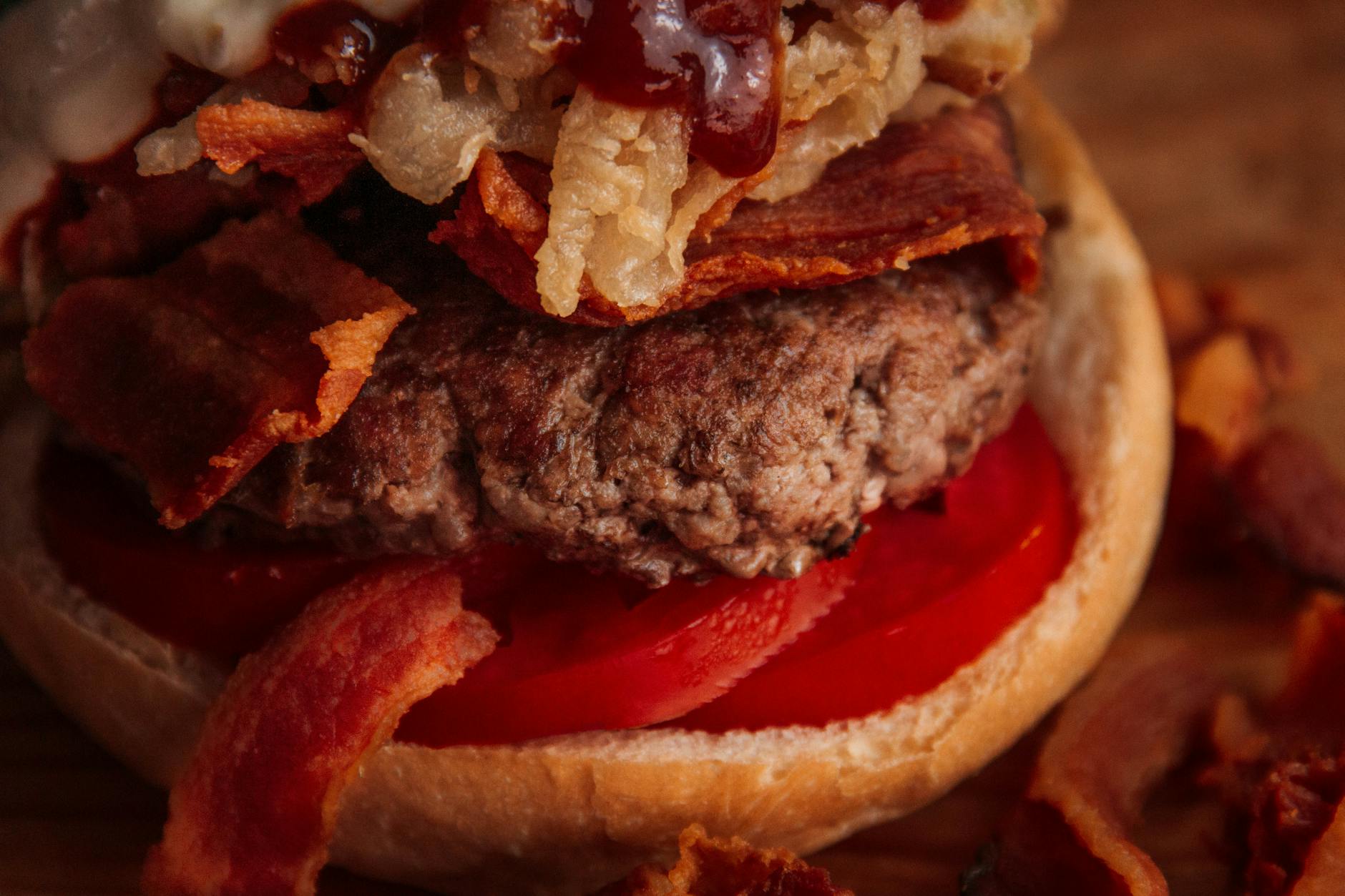
Bacon is not safe for cats to eat, and you should avoid giving it to your feline companion. While a small, occasional piece of cooked bacon won’t typically cause immediate poisoning, it offers no nutritional benefit to cats and poses several health risks due to its high salt content, fat, and potentially harmful additives. Most veterinarians recommend keeping bacon entirely off your cat’s menu, just as you would with other processed human foods designed for human palates and digestive systems.
The danger becomes more pronounced when you consider a cat’s actual dietary needs and their size. A single slice of bacon can contain as much salt as a cat should consume in an entire day, and the high fat content can contribute to weight gain, pancreatitis, and digestive upset. If your cat ate a small piece that fell on the floor, there’s no need to panic—but it’s a clear signal to be more careful about what gets within your pet’s reach.
Table of Contents
- Why Is Bacon Unsafe for Cats?
- The Hidden Dangers in Processed Bacon
- How Bacon Affects a Cat’s Digestive System
- Safe Protein Alternatives to Bacon
- Signs Your Cat Has Eaten Bacon and Needs Help
- Bacon and Cats With Specific Health Conditions
- Training Your Household to Protect Your Cat
- Conclusion
Why Is Bacon Unsafe for Cats?
The primary concern with bacon is its sodium content. cats require only about 41 milligrams of sodium per day, yet a single slice of bacon contains roughly 150 to 400 milligrams depending on how it’s cooked and cured. This excess sodium can lead to increased thirst, dehydration, and in cats with underlying kidney disease, it can accelerate kidney damage. Unlike humans, who process sodium differently, cats have limited ability to handle high salt levels and are particularly vulnerable to electrolyte imbalances.
Beyond sodium, bacon’s fat content is equally problematic. Cats are obligate carnivores, but they evolved hunting small prey—not feasting on processed pork products loaded with saturated fats. The concentrated fat in bacon can trigger pancreatitis, a serious inflammation of the pancreas that causes vomiting, abdominal pain, and potentially life-threatening complications. Additionally, many commercial bacon products contain preservatives like sodium nitrate and smoke flavoring, which some research suggests may increase cancer risk with prolonged exposure.
The Hidden Dangers in Processed Bacon
Processed meats like bacon contain nitrates and nitrites, preservatives used to extend shelf life and enhance color. While small amounts are generally considered safe for human consumption under FDA regulations, cats lack certain liver enzymes that help break down these compounds efficiently. Over time, regular exposure to nitrates can increase the risk of certain types of cancer. Even if you give bacon only occasionally, the cumulative effect matters more than single incidents.
Smoked bacon presents another layer of concern. The smoking process creates compounds called heterocyclic amines (HCAs) and polycyclic aromatic hydrocarbons (PAHs), which are carcinogens in high doses. Your cat’s smaller body size means these compounds reach higher concentrations in their system compared to a human eating the same amount. A limitation of most cat studies is that they’re conducted in controlled laboratory settings—we don’t have extensive real-world data on how much damage low-level, repeated bacon exposure causes in pet cats specifically. This uncertainty is actually a reason to be more cautious, not less.
How Bacon Affects a Cat’s Digestive System
Even if bacon didn’t carry health risks, it would still be difficult for many cats to digest properly. Cat digestive systems are optimized for high-protein, low-carbohydrate diets based on whole prey. Processed bacon is high in fat but lacks the essential amino acid taurine in the concentrated form cats need, and the rendering process removes many nutrients. When cats eat bacon, their pancreas and gallbladder must work harder to process the excess fat, which can cause diarrhea, vomiting, or constipation.
A cat with an already sensitive digestive system or inflammatory bowel disease faces even greater risks. Some cats may experience acute gastroenteritis within hours of eating bacon, while others might have delayed reactions. For example, a cat prone to pancreatitis might seem fine after eating a single slice, then develop symptoms days later after accumulated fat intake tips them into an inflammatory episode. The problem is that you can’t predict your individual cat’s tolerance without risking their health.
Safe Protein Alternatives to Bacon
If you want to give your cat a special treat or reward, there are far safer protein options that actually align with feline nutritional needs. Plain cooked chicken breast, turkey, or fish (in moderation) provide the high-quality protein cats crave without the excessive salt, fat, or preservatives. A small piece of cooked salmon or tuna is an excellent treat that many cats find irresistible, and it includes omega-3 fatty acids that benefit their skin and coat.
The tradeoff between giving bacon and these alternatives is significant. A small piece of plain cooked chicken contains roughly 30 milligrams of sodium compared to bacon’s 150-plus, offers complete essential amino acids, and carries no risk of pancreatitis from excess fat. Additionally, some cats lose interest in their balanced commercial diet if they regularly receive high-fat human foods, which can lead to nutritional deficiencies. Treats of any kind should represent no more than 10 percent of your cat’s daily caloric intake, so choosing nutrient-dense options matters.
Signs Your Cat Has Eaten Bacon and Needs Help
If your cat has consumed a significant amount of bacon, watch for symptoms over the next 24 to 48 hours. Vomiting, diarrhea, lethargy, loss of appetite, or abdominal pain are warning signs that your cat’s digestive system is struggling. More serious signs include severe vomiting that doesn’t stop, inability to keep water down, or signs of abdominal distension, which could indicate pancreatitis. A cat that eats just a small dropped piece likely won’t show symptoms, but a cat that eats multiple slices or the crispy bits your meal left behind might.
One important limitation is that some cats hide their symptoms effectively, especially in the early stages of digestive upset. A cat might seem fine while experiencing internal inflammation or electrolyte imbalance. If your cat ate bacon and you’re concerned, contact your veterinarian—they can assess whether your specific cat needs intervention based on the amount eaten, your cat’s age, weight, and any pre-existing health conditions. Don’t wait to see if symptoms develop if the quantity consumed was substantial.

Bacon and Cats With Specific Health Conditions
Cats with kidney disease, hypertension, or pancreatitis should never eat bacon under any circumstances. The sodium content in bacon can be particularly dangerous for cats with existing kidney problems, as salt accelerates kidney disease progression. Similarly, cats with a history of pancreatitis face a real risk of triggering a potentially fatal episode if exposed to high-fat foods. Even cats with diabetes need to avoid bacon, since the fat and salt don’t support stable blood sugar management.
If your cat is older or overweight, the risks amplify further. Obesity makes cats more susceptible to pancreatitis, diabetes, and heart disease—conditions that bacon directly contributes to. An overweight cat at risk for pancreatitis should never have bacon, even as a rare exception. Discuss with your veterinarian what treat options are truly safe for your individual cat’s health profile.
Training Your Household to Protect Your Cat
The most practical step you can take is establishing household rules about not feeding bacon or any processed meat scraps to cats. Many people don’t realize the risk until they’ve already shared food with their pet. Teaching family members, guests, and children that cats shouldn’t eat human foods helps prevent accidental exposure.
Store cooked bacon securely in containers that cats can’t access, and clean up meal prep areas thoroughly—bacon grease left on countertops is an enticing target for curious cats. As veterinary nutrition research continues to evolve, we’re learning more about the long-term effects of processed foods on feline health. The trend in both human and veterinary medicine is moving toward whole-food diets and away from processed products, and your cat’s diet should reflect this shift. Building good habits around feeding now will pay dividends in your cat’s health for years to come.
Conclusion
Bacon is not a safe food choice for cats, and there are compelling reasons to keep it completely out of your cat’s diet. The high sodium content, excess fat, and additives in bacon create multiple health risks, from acute digestive upset to chronic diseases like pancreatitis and kidney damage. While an accidental small bite won’t cause immediate harm, intentionally feeding bacon to your cat—even occasionally—is unnecessary and potentially dangerous.
Instead, focus on treats and supplements that genuinely support your cat’s health: plain cooked proteins, high-quality cat-specific treats, and a balanced diet approved by your veterinarian. If your cat has eaten bacon or you’re unsure what treats are safe for your specific cat, reach out to your vet. They know your cat’s health history and can give you personalized guidance on what’s safe and what’s off-limits.