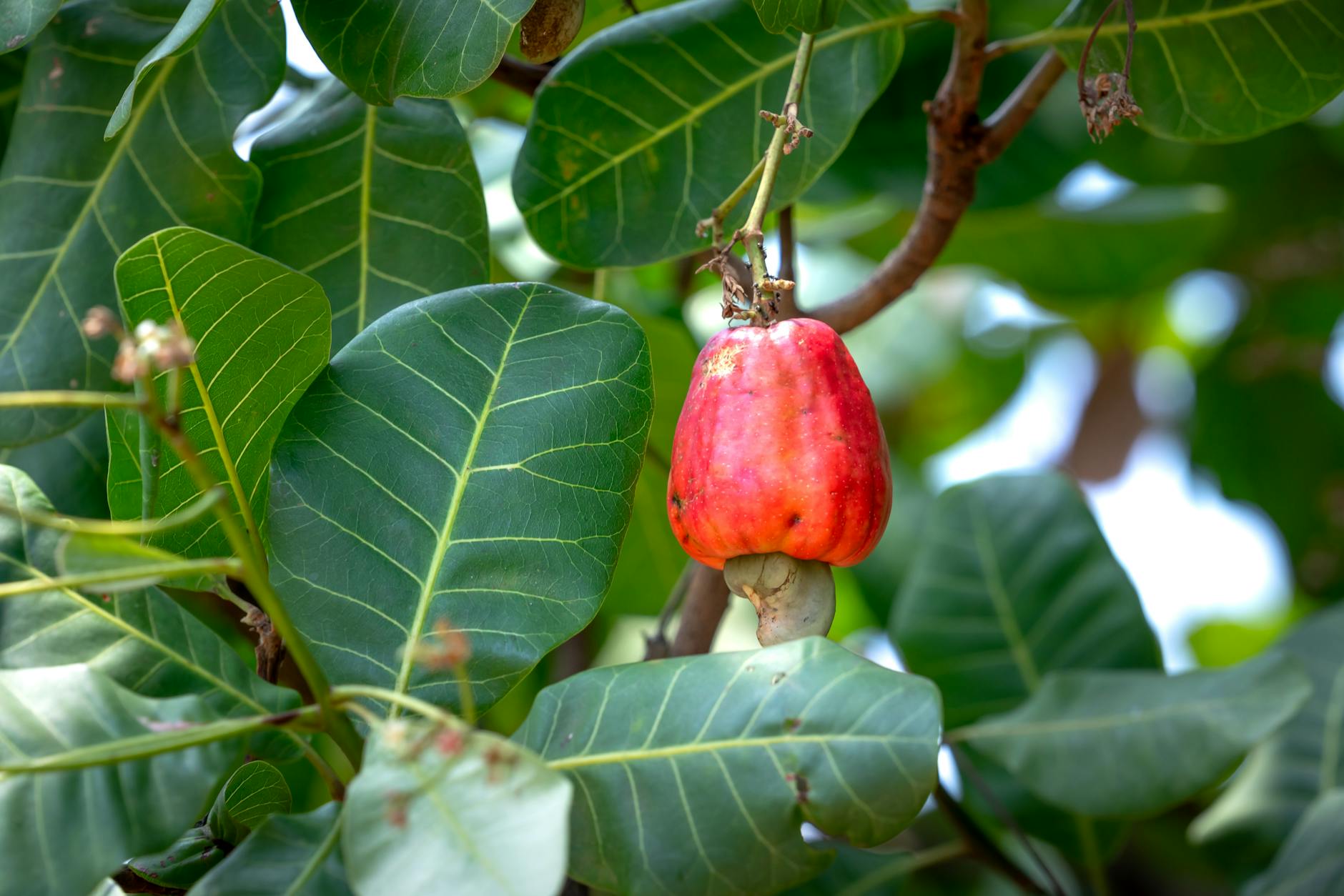
Cashews are not toxic to cats, but they shouldn’t be part of your cat’s diet. While a small amount of unsalted, unseasoned cashew won’t cause immediate poisoning, these nuts present several risks that make them unsuitable for feline consumption. The primary concerns are the high fat content, potential choking hazard, and lack of any nutritional benefit to cats.
If your cat has already eaten a single cashew that fell from your plate, there’s no need to panic, but it’s important to understand why regular access to cashews should be prevented. The distinction matters here: occasional accidental exposure is different from intentional feeding. A cat who munches a piece of cashew from the floor will likely be fine, though some cats may experience mild digestive upset. However, cashews are energy-dense treats designed for human nutritional needs, and cats have completely different dietary requirements centered around animal-based proteins, not plant-based fats.
Table of Contents
- WHY CASHEWS ARE PROBLEMATIC FOR CATS
- DIGESTIVE AND HEALTH COMPLICATIONS
- CHOKING AND BLOCKAGE HAZARDS
- SALT AND SEASONINGS ADD MORE RISKS
- WHY CATS DON’T NEED CASHEWS
- WHAT TO DO IF YOUR CAT EATS A CASHEW
- SAFER ALTERNATIVES FOR CAT TREATS
- Conclusion
- Frequently Asked Questions
WHY CASHEWS ARE PROBLEMATIC FOR CATS
Cashews are approximately 46% fat by weight, which is extraordinarily high for a food item that cats don’t need to eat. Cats evolved as obligate carnivores, meaning their bodies are designed to extract nutrition from meat and cannot efficiently process plant-based foods in the way humans do. When a cat eats a cashew, that fat content doesn’t translate to useful nutrition—it just adds calories that can contribute to weight gain, especially in indoor cats with lower activity levels. A single cashew contains roughly 5 grams of fat, which may not sound like much, but a typical adult cat only needs about 9-12 grams of fat per day total.
This means one cashew represents nearly half of some cats’ daily fat requirement. Another issue is that cashews are difficult for cats to chew and digest properly. Unlike humans, who can thoroughly masticate nuts, cats have a less sophisticated chewing mechanism and tend to swallow food relatively whole. This makes cashews a choking risk, particularly for kittens and senior cats with dental issues or diminished swallowing ability. Beyond choking, a cashew that makes it to the stomach intact can cause impaction or blockage in the digestive tract, requiring veterinary intervention.
DIGESTIVE AND HEALTH COMPLICATIONS
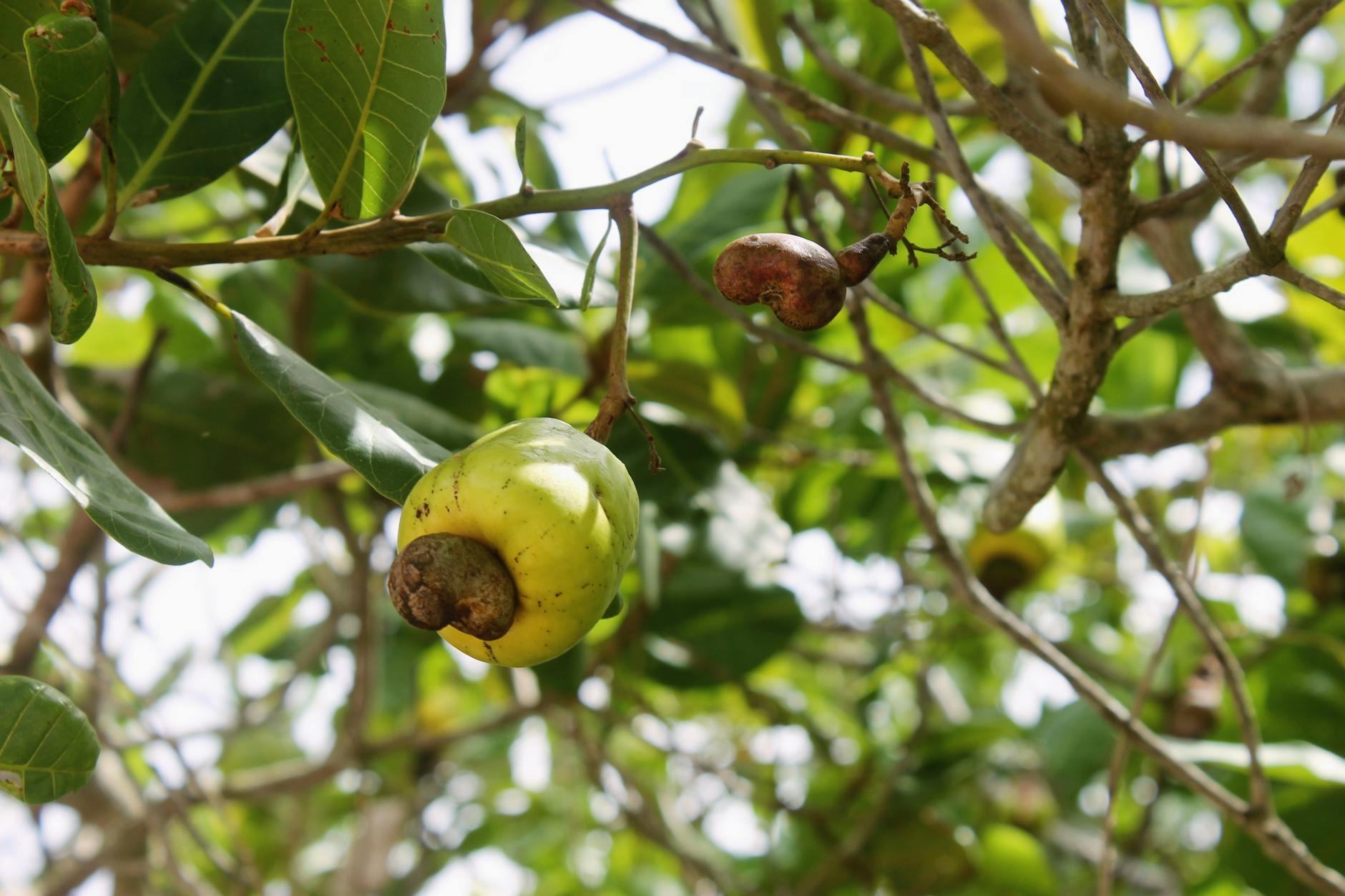
Many cats experience digestive upset from eating cashews, manifesting as vomiting or diarrhea within a few hours of consumption. This occurs because their digestive systems aren’t equipped to process the high fat and fiber content of nuts. Some cats are more sensitive than others—a kitten eating its first cashew might show symptoms, while an adult cat might tolerate it with just mild loose stools. However, the unpredictability means you can’t guarantee your individual cat will handle it well, and even if the first time goes smoothly, repeated exposure increases the likelihood of problems.
There’s also the risk of pancreatitis, a serious inflammation of the pancreas that can be triggered by high-fat foods. Cats with a history of pancreatitis or those with existing digestive conditions should absolutely never eat cashews. Even healthy cats aren’t immune—pancreatitis can develop suddenly in response to rich food, and the condition is painful and potentially life-threatening. Signs include loss of appetite, lethargy, hunched posture, and abdominal pain, all of which require immediate veterinary attention. The point is that a treat that offers zero nutritional value isn’t worth the risk of triggering such a serious condition.
CHOKING AND BLOCKAGE HAZARDS
Choking occurs when a cashew lodges in the cat’s throat, blocking the airway. This is a medical emergency—your cat will show signs of distress including gasping, drooling, pawing at the mouth, and inability to vocalize normally. If your cat is actively choking, you need emergency veterinary care immediately, and there’s often limited time to get help before serious damage occurs. Some owners successfully perform the feline equivalent of the Heimlich maneuver, but this requires knowledge of the technique and the situation must be recognized quickly.
Blockages in the stomach or intestines are even more insidious because they don’t always present obvious symptoms immediately. A partially digested cashew or nut piece can sit in the digestive tract, causing intermittent vomiting, constipation, loss of appetite, and lethargy over days or weeks. These blockages sometimes require surgical removal, which is expensive, carries anesthesia risks, and involves a recovery period. Your cat might seem mildly unwell for several days before the severity becomes apparent. For indoor cats especially, there’s simply no benefit that would justify this risk.

SALT AND SEASONINGS ADD MORE RISKS
The cashews sold for human consumption are typically roasted and salted or seasoned in various ways. Salted cashews are definitely off-limits for cats because excess salt can cause sodium ion poisoning, which is particularly dangerous for cats with heart conditions or kidney disease. Even in healthy cats, consuming salted nuts can lead to excessive thirst, vomiting, tremors, and seizures if the amount is significant enough. The smaller your cat, the more dangerous a salty treat becomes—a kitten or petite cat is at greater risk from a single salted cashew than a large adult cat.
Cashews that are seasoned with garlic, onion powder, or other common spices introduce additional toxicity concerns. Garlic and onions are toxic to cats because they contain compounds called thiosulfates that damage red blood cells and cause hemolytic anemia. A small amount might not cause noticeable illness, but it’s an unnecessary risk. When feeding any human food to a cat, the safest approach is unseasoned, unsalted, and plain—but in the case of cashews, that still means avoiding them entirely because the fat and choking risk remain.
WHY CATS DON’T NEED CASHEWS
Unlike some human foods that provide genuine nutritional value when given in appropriate portions (like cooked chicken breast or plain pumpkin), cashews offer nothing that a cat needs. Cats require complete and balanced nutrition that includes essential amino acids like taurine, which are found in animal-based proteins, not in nuts. If you’re feeding your cat a complete commercial diet formulated to feline nutritional requirements, you’re already providing everything your cat needs. Adding cashews doesn’t enhance their diet—it only adds empty calories and risk.
The psychological appeal of giving cashews is understandable. Owners often want to share their snacks with their cats or assume that foods humans enjoy must be safe. But cats have different taste preferences and, more importantly, different nutritional needs. Some cats may be interested in cashews out of curiosity, attracted to the smell or texture, but this interest doesn’t indicate that the food is good for them. Your cat might enjoy playing with a cashew or licking it, but enjoyment is different from safety or nutritional value.
WHAT TO DO IF YOUR CAT EATS A CASHEW
If your cat has eaten one cashew, observe them for the next 24 to 48 hours. Watch for vomiting, diarrhea, loss of appetite, lethargy, abdominal pain, or difficulty breathing. Most likely, a single cashew will pass through your cat’s system with minimal or no effects. However, if your cat shows any signs of distress or illness, contact your veterinarian.
If you know your cat ate multiple cashews or a large cashew, or if your cat is a kitten, senior, or has pre-existing health conditions, don’t wait to see if symptoms develop—call your vet immediately. Call the ASPCA Animal Poison Control Center (888-426-4435) if you’re unsure about the situation or concerned about potential toxicity. They can provide specific guidance based on your cat’s weight, the number of cashews consumed, and any seasonings involved. It’s better to make one cautious phone call than to miss the window for treatment if something serious is developing.
SAFER ALTERNATIVES FOR CAT TREATS
If you want to give your cat treats or share something special, stick to cat-appropriate options that are actually designed for their nutritional needs. Commercially available cat treats come in endless varieties—soft, crunchy, flavored, and textured options—and they’re formulated to be safe and nutritionally balanced. If you prefer whole foods, small pieces of cooked, unseasoned chicken breast or turkey provide actual protein and are something cats can safely eat in tiny portions.
Plain boiled pumpkin is another safe option that even provides digestive benefits. The safest approach is to view cashews and other human snack foods as completely off-limits for your cat, not as occasional treats. This eliminates confusion about portions, seasonings, and risk. Your cat’s diet should consist of a complete commercial cat food and perhaps occasional approved treats, but nuts of all kinds—cashews, macadamia nuts, walnuts, almonds—should simply be kept out of reach and out of consideration as cat food.
Conclusion
Cashews are not toxic to cats in the strict sense, but they’re inappropriate and risky foods that should never be intentionally fed to cats. The combination of high fat content, choking hazard, potential digestive upset, and complete lack of nutritional benefit makes them unsuitable for feline diets. Your cat’s nutritional needs are best met through a complete commercial diet formulated specifically for cats, and any treats should be purpose-made cat treats or occasional small pieces of plain cooked meat.
If your cat has eaten a cashew, monitor them closely but don’t panic over a single accidental exposure. However, make sure cashews and other nuts are kept in secure storage where your cat can’t access them, and decline to share your nut snacks with your feline companion, even if they’re curious or seem interested. Your veterinarian is always the best resource if you’re unsure about any food your cat has consumed or if your cat shows signs of illness after eating something questionable.
Frequently Asked Questions
Is macadamia nut poisoning the same as cashew toxicity in cats?
No. Macadamia nuts are genuinely toxic to cats and dogs and can cause weakness, tremors, and hyperthermia. Cashews are not toxic in the same way, but they’re still inappropriate foods for cats due to fat content and choking risk. Macadamia nuts should be kept strictly away from cats; cashews should be avoided, but accidental exposure to one cashew is far less urgent than exposure to macadamia nuts.
Can cats eat raw cashews if they’re unsalted?
Raw, unsalted cashews are marginally safer than roasted and salted ones, but they’re still not recommended. The high fat content and choking risk remain the same. Raw cashews contain additional compounds that can cause gastric upset in some cats. There’s no benefit to offering them in any form.
My cat ate a handful of cashews. Is this an emergency?
Contact your veterinarian immediately. Multiple cashews represent a significant amount of fat and increase the choking and blockage risk. Your vet can assess your cat’s specific situation based on size, age, and health status. Don’t wait for symptoms to develop before calling.
Are salted cashews worse for cats than unsalted ones?
Yes. Salted cashews add sodium ion poisoning risk on top of the fat content and choking hazard. Always ensure any cashew a cat might accidentally eat is unsalted and unseasoned, though the safest approach is preventing access entirely.
What nuts are safe for cats to eat?
Most nuts are not recommended for cats, including almonds, walnuts, pecans, and pistachios. Peanuts (technically legumes) are occasionally considered acceptable in tiny amounts for some cats, but there’s no nutritional reason to offer them. Stick to cat-specific treats instead.