
No, it is generally not safe for cats to eat chocolate accidentally, though the actual danger depends on several factors including the type of chocolate, the amount consumed, and your cat’s weight. While cats have less interest in sweets than dogs do, accidental chocolate ingestion happens frequently enough that pet owners should understand the risks. If your indoor cat knocked over a plate with a chocolate chip cookie, the risk is typically low, but dark chocolate or large quantities pose a genuine health threat.
Chocolate contains two substances toxic to cats: theobromine and caffeine. These compounds are stimulants that cats metabolize much more slowly than humans do, allowing them to accumulate to dangerous levels in your cat’s body. Even a small amount of dark chocolate can contain enough theobromine to cause problems in a cat weighing less than 10 pounds, which describes most domestic cats. The key is understanding which scenarios warrant immediate veterinary attention and which ones simply require monitoring.
Table of Contents
- What Type of Chocolate Is Most Dangerous for Cats?
- Recognizing Signs of Chocolate Toxicity in Cats
- When Should You Contact Your Veterinarian?
- Prevention and Household Management
- Immediate Steps If Your Cat Eats Chocolate
- Age and Health Considerations
- Building Safety Awareness in Your Household
- Conclusion
- Frequently Asked Questions
What Type of Chocolate Is Most Dangerous for Cats?
Different chocolate products contain wildly different levels of theobromine, making the type of chocolate critical to assessing risk. Dark chocolate and baking chocolate are the most dangerous, containing 130-450 mg of theobromine per ounce, while milk chocolate contains much less at 10-60 mg per ounce. White chocolate contains virtually no theobromine since it contains no cocoa solids, only cocoa butter, making it essentially harmless from a toxicity standpoint (though still not recommended due to fat and sugar content).
A single square of dark chocolate cake could be more dangerous than an entire milk chocolate bar, depending on cocoa concentration. To illustrate the difference, imagine two scenarios: a 10-pound cat licks a small amount of milk chocolate frosting from a birthday cake versus eating a piece of dark chocolate brownie left on the counter. The brownie presents a genuine risk while the frosting likely poses minimal concern. The lethal dose of theobromine for cats is approximately 200 mg per kilogram of body weight, but clinical signs can appear at much lower doses around 20 mg/kg, which is why erring on the side of caution matters when dark chocolate is involved.

Recognizing Signs of Chocolate Toxicity in Cats
Chocolate poisoning in cats develops in stages, with early signs appearing within 6-12 hours of ingestion. The most common symptoms include vomiting, diarrhea, restlessness, increased heart rate, and tremors. Some cats experience muscle stiffness or difficulty walking, while others show behavioral changes like increased vocalization or anxiety. As toxicity worsens, cats may experience seizures, irregular heartbeat, or collapse, though reaching this severity requires substantial chocolate consumption in most cases.
One important limitation: many cat owners miss early signs because cats hide illness instinctively, so the absence of immediate symptoms doesn’t guarantee safety. If your cat ate chocolate, watch for these warning signs over the next 12-24 hours. A cat showing excessive panting, rapid breathing, or disorientation after accidental chocolate ingestion needs immediate veterinary attention. Keep in mind that individual cats metabolize theobromine at different rates, so two cats of similar weight might show different reactions to identical chocolate quantities. Factors like age (kittens and elderly cats are more vulnerable), liver health, and underlying medical conditions all influence how severe a reaction becomes.
When Should You Contact Your Veterinarian?
The decision to call your vet depends on calculating the theobromine dose your cat likely consumed. Most veterinary references suggest contacting a vet if a cat ingests more than 20 mg/kg of theobromine, which requires knowing both the chocolate type and the exact amount eaten. If your cat ate a chocolate chip cookie or licked some milk chocolate, the risk is typically low enough that monitoring at home is reasonable. However, if your cat consumed dark chocolate, chocolate chips from baking supplies, or cocoa powder, you should contact your vet immediately or call an animal poison control center even if your cat appears fine.
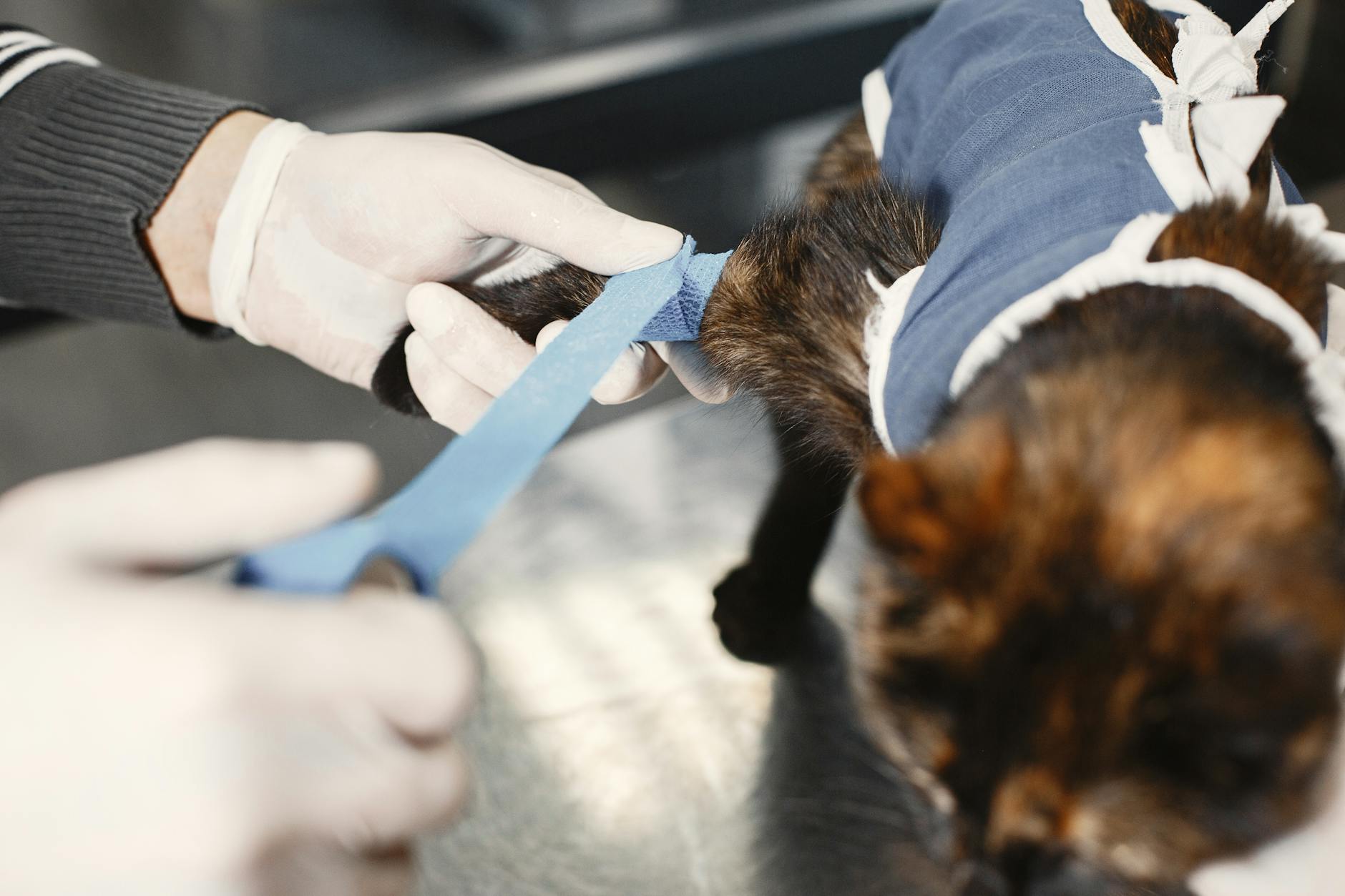
A comparison that helps: if a cat ate 1 ounce of milk chocolate, that’s usually low-risk and warrants observation. If the same cat ate 1 ounce of dark chocolate, contact should be made immediately. Your veterinarian may recommend inducing vomiting if ingestion occurred within 2-4 hours, giving activated charcoal to bind theobromine in the digestive system, or simply monitoring your cat’s vital signs and providing supportive care. Prompt reporting of the exact chocolate type and amount helps your vet assess whether treatment is necessary or whether careful observation at home is sufficient.
Prevention and Household Management
The most practical approach is preventing accidental chocolate ingestion through smart household management. Store all chocolate products in cabinets or sealed containers that cats cannot access, keeping baking chocolate and cocoa powder especially secure since these are the most dangerous forms. If you have chocolate cake, brownies, or chocolate chips in your kitchen, remember that cats are curious and can knock items off counters or access seemingly closed containers, so vigilance matters more than assuming your cat won’t be interested.
Here’s the tradeoff many pet owners face: maintaining a convenient kitchen where chocolate products are easily accessible versus taking the time to store these items properly. Those extra 30 seconds to place a chocolate bar in a closed cabinet instead of leaving it on the counter could prevent an emergency vet visit costing hundreds of dollars. For households with multiple cats or young, exploratory cats, the inconvenience of careful storage is worth avoiding the risk. Even responsible pet owners should understand that accidents happen, and a cat seeking attention or playing near the kitchen could trigger exposure.
Immediate Steps If Your Cat Eats Chocolate
If you witness your cat eating chocolate, the first step is determining what type and how much was consumed. Look for the product packaging, which typically lists cocoa content or indicates whether it’s dark, milk, or white chocolate. Contact your veterinary clinic or an animal poison control center immediately with this information—do not wait to see if symptoms develop, as proactive treatment within the first few hours is far more effective than reactive treatment after symptoms appear. The ASPCA Animal Poison Control Center (888-426-4435) can provide specific guidance based on your cat’s weight and the chocolate type.
One important warning: household remedies like inducing vomiting at home are not recommended because you could cause additional harm. Activated charcoal should only be administered by a veterinarian in proper dosages. If your cat is already showing symptoms like tremors or rapid heartbeat, transport to an emergency vet clinic is necessary rather than attempting home treatment. The limitation of waiting and watching is that by the time serious symptoms appear, more aggressive treatment may be required, which is why early veterinary consultation matters even when chocolate ingestion seems minor.

Age and Health Considerations
Kittens and senior cats face higher risk from chocolate exposure than healthy adult cats because their bodies process toxins less efficiently. A kitten under one year old has an immature liver that handles theobromine poorly, while senior cats over 15 years old may have declining kidney or liver function that reduces their ability to eliminate the toxin. Additionally, cats with existing heart conditions, high blood pressure, or liver disease should be treated as extremely vulnerable to even small amounts of chocolate.
Your veterinarian needs to know your cat’s full health history when assessing chocolate ingestion risk. A concrete example: a healthy 12-pound adult cat that accidentally ate a chocolate chip might recover fine without treatment, but a 12-pound senior cat with heart disease would warrant immediate veterinary evaluation for the same incident. This is why generalizations about chocolate toxicity are risky—individual cat factors matter enormously.
Building Safety Awareness in Your Household
Creating household awareness about chocolate dangers protects all cats in your home and helps guests understand your pet safety rules. If you have family members or friends who visit frequently, let them know that chocolate should stay inaccessible and that offering chocolate-containing treats to your cat is dangerous even if intended as a reward. Many people don’t realize cats can be poisoned by chocolate, so explicit communication prevents well-meaning visitors from creating emergencies.
Looking forward, pet safety continues evolving with increased awareness of various human foods toxic to cats. Just as chocolate awareness has improved over the past decade, other substances like xylitol in sugar-free products are becoming recognized as serious hazards. Staying informed about emerging threats and updating your household safety practices accordingly ensures your cats remain protected even as new products enter your home.
Conclusion
Accidental chocolate ingestion in cats requires assessment based on chocolate type, amount consumed, and your cat’s individual risk factors rather than a simple yes-or-no answer. Milk chocolate in small quantities typically poses minimal risk, while dark chocolate or baking chocolate demands immediate veterinary consultation. Understanding the difference between these scenarios helps you respond appropriately and keeps your cat safe.
Your best defense remains prevention through proper storage combined with rapid veterinary consultation if accidental exposure occurs. Knowing the signs of theobromine toxicity, having your vet’s contact information readily available, and maintaining awareness among everyone in your household will help protect your cat from chocolate-related emergencies. When in doubt about the amount or type of chocolate your cat consumed, contacting your veterinarian is always the right choice.
Frequently Asked Questions
Can a single chocolate chip harm my cat?
A single chocolate chip, particularly from milk chocolate varieties, is unlikely to cause harm in an average adult cat. However, if the chocolate chip came from dark chocolate or baking chocolate, or if your cat is very small, older, or has health issues, it warrants veterinary consultation.
How long does it take for chocolate poisoning symptoms to appear?
Symptoms typically appear within 6-12 hours of ingestion, though they can occasionally be delayed up to 24 hours. This is why monitoring your cat carefully during this window is important, and why calling your vet promptly rather than waiting for symptoms matters.
Is cocoa powder more dangerous than chocolate bars?
Yes, cocoa powder is significantly more concentrated in theobromine than finished chocolate products, making even small amounts potentially dangerous. Always store baking cocoa in secure locations.
What should I do if my cat ate chocolate during the weekend when my vet is closed?
Call an emergency veterinary clinic or animal poison control center immediately rather than waiting until your regular vet opens on Monday. Poison control can provide guidance on whether emergency treatment is necessary.
Will giving my cat milk reduce chocolate toxicity?
Giving milk after chocolate ingestion does not reduce toxicity. The only effective approach is veterinary treatment, which may include decontamination or activated charcoal administration within a narrow time window.
Can cats eat white chocolate safely?
White chocolate contains no cocoa solids and thus no theobromine, making it non-toxic from a poisoning standpoint. However, the high sugar and fat content makes it unsuitable as a cat treat, and some cats may experience digestive upset.