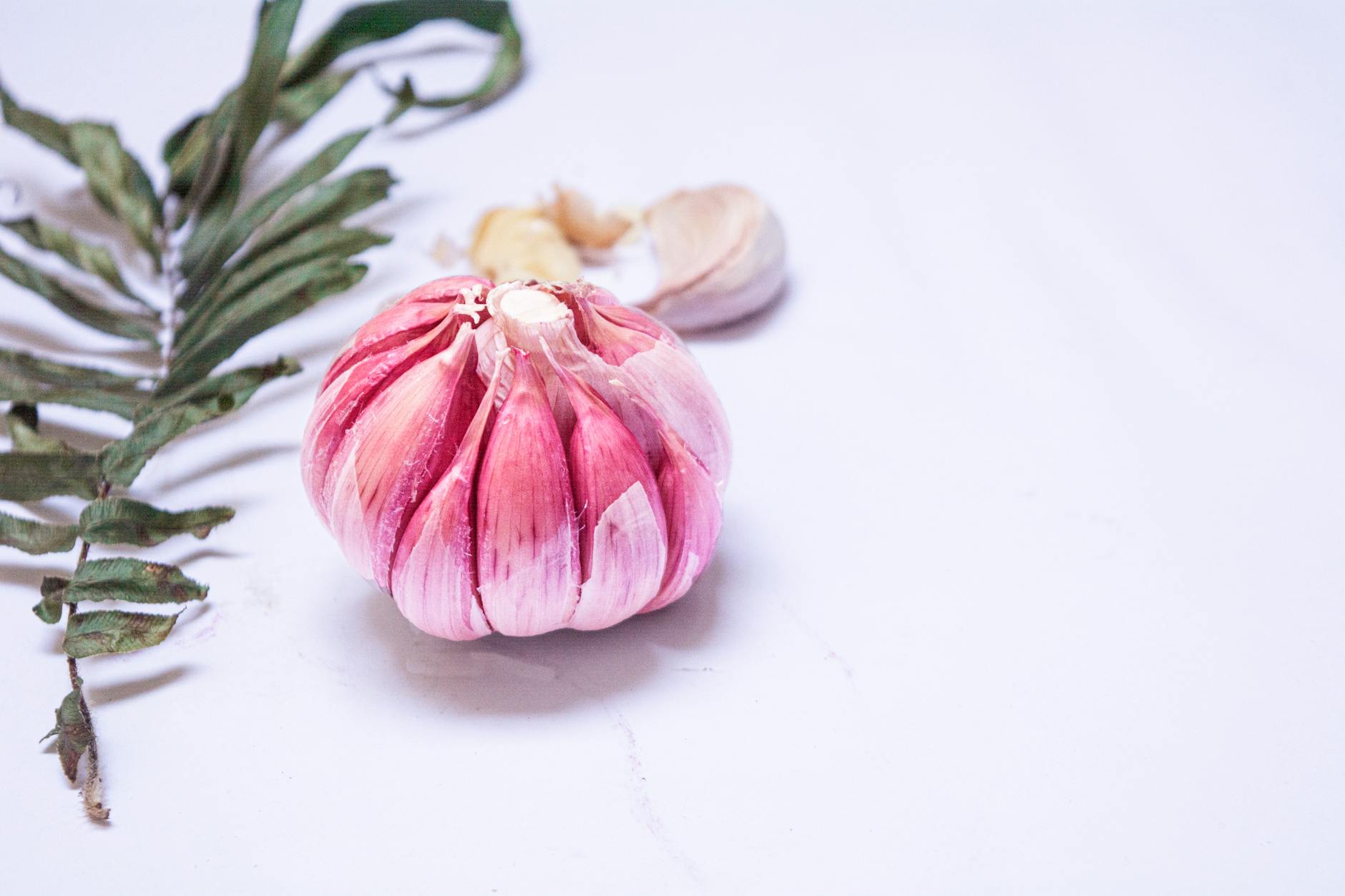
No, it is not safe for cats to eat garlic. Garlic is toxic to cats and can cause serious health problems, regardless of the amount consumed. Even small quantities of garlic can damage a cat’s red blood cells and lead to hemolytic anemia, a condition where red blood cells break down faster than the body can replace them.
If your cat ate a small piece of garlic bread at dinner or nibbled on a garlic-seasoned meal, monitor them closely for symptoms, but understand that garlic toxicity is a genuine concern that requires veterinary attention. Garlic belongs to the Allium family of plants, which also includes onions, leeks, and chives. All members of this family contain compounds called thiosulfates that are particularly dangerous for cats. Unlike humans who can safely digest garlic, cats lack certain liver enzymes that break down these toxic compounds, making them vulnerable even to quantities that might seem insignificant to us.
Table of Contents
- Why Is Garlic Toxic to Cats?
- Symptoms and Signs of Garlic Poisoning in Cats
- How Much Garlic Is Dangerous for Cats?
- Garlic in Common Pet Foods and Human Foods
- Long-Term Effects and Repeated Exposure
- What to Do If Your Cat Eats Garlic
- Prevention and Safe Alternatives
- Conclusion
- Frequently Asked Questions
Why Is Garlic Toxic to Cats?
The primary culprit behind garlic’s toxicity is thiosulfate, an organic compound that damages feline red blood cells through a process called oxidative damage. When a cat ingests garlic, thiosulfates attack the red blood cells’ cell membranes, causing them to break apart. This condition, called hemolytic anemia, means the cat’s body cannot maintain enough healthy red blood cells to carry oxygen efficiently throughout the system.
The severity of toxicity depends on the concentration of thiosulfate in the garlic product consumed. Raw garlic contains higher levels of thiosulfate than cooked garlic, and garlic powder is the most concentrated form, meaning it poses the greatest risk. For comparison, a cat would need to consume a larger quantity of cooked garlic to cause severe toxicity than it would with garlic powder, but both forms are potentially dangerous and should be avoided entirely.
Symptoms and Signs of Garlic Poisoning in Cats
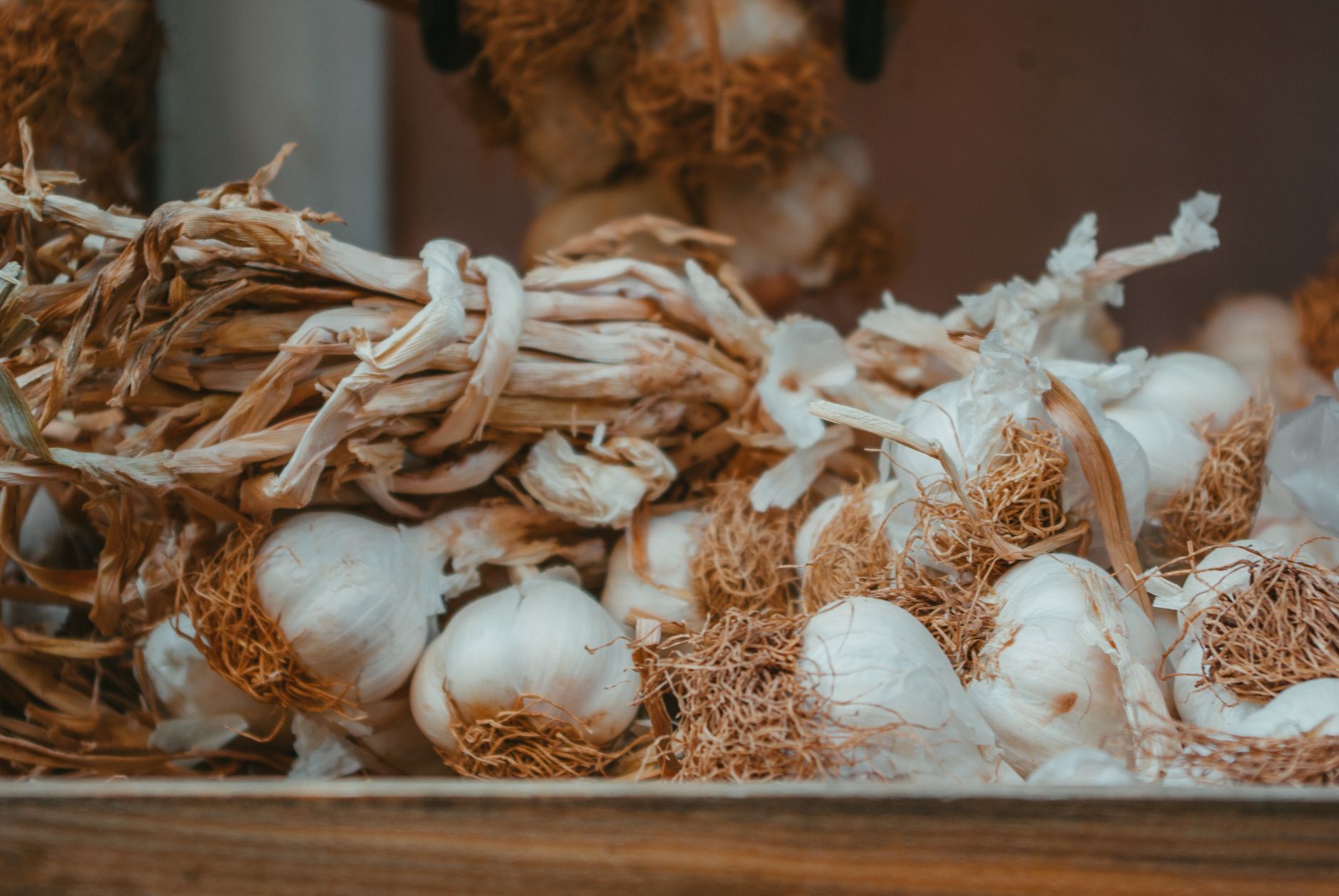
The effects of garlic toxicity don’t always appear immediately. Symptoms typically develop within one to five days after ingestion, which means a cat that ate garlic today might seem fine for several days before problems develop. Common signs include lethargy, weakness, pale gums, reduced appetite, vomiting, and diarrhea. Some cats may have discolored urine or jaundiced (yellowed) skin and gums, indicating liver involvement or severe anemia.
One important limitation to remember is that a single exposure to a small amount of garlic may not produce noticeable symptoms in all cats. Some cats might show no signs at all from minimal exposure, while others could develop mild symptoms. This doesn’t mean the garlic is safe—it means the damage may still be occurring internally without obvious external signs. If you know your cat consumed garlic, don’t wait for symptoms to appear; contact your veterinarian immediately for guidance and possible blood work.
How Much Garlic Is Dangerous for Cats?
Toxicity in cats typically begins at around 5 grams of garlic per kilogram of body weight, though some sources suggest even lower thresholds may cause observable effects. For a typical 10-pound (4.5 kg) cat, this means that consuming approximately 20 grams (just under three-quarters of an ounce) could trigger toxic effects. However, this is not a safe threshold—it’s a point where clinical toxicity becomes likely, and damage can occur below this level.
The challenge is that many common foods contain garlic in quantities that fall into a gray area of risk. A single clove of fresh garlic weighs about 3 grams, so sharing a piece of garlic bread with garlic salt or powder seasoning could potentially expose a cat to a problematic dose. Pet owners often underestimate how much garlic their cats have consumed because garlic is added to prepared foods like sauces, dressings, and seasoning blends in concentrated forms.
Garlic in Common Pet Foods and Human Foods
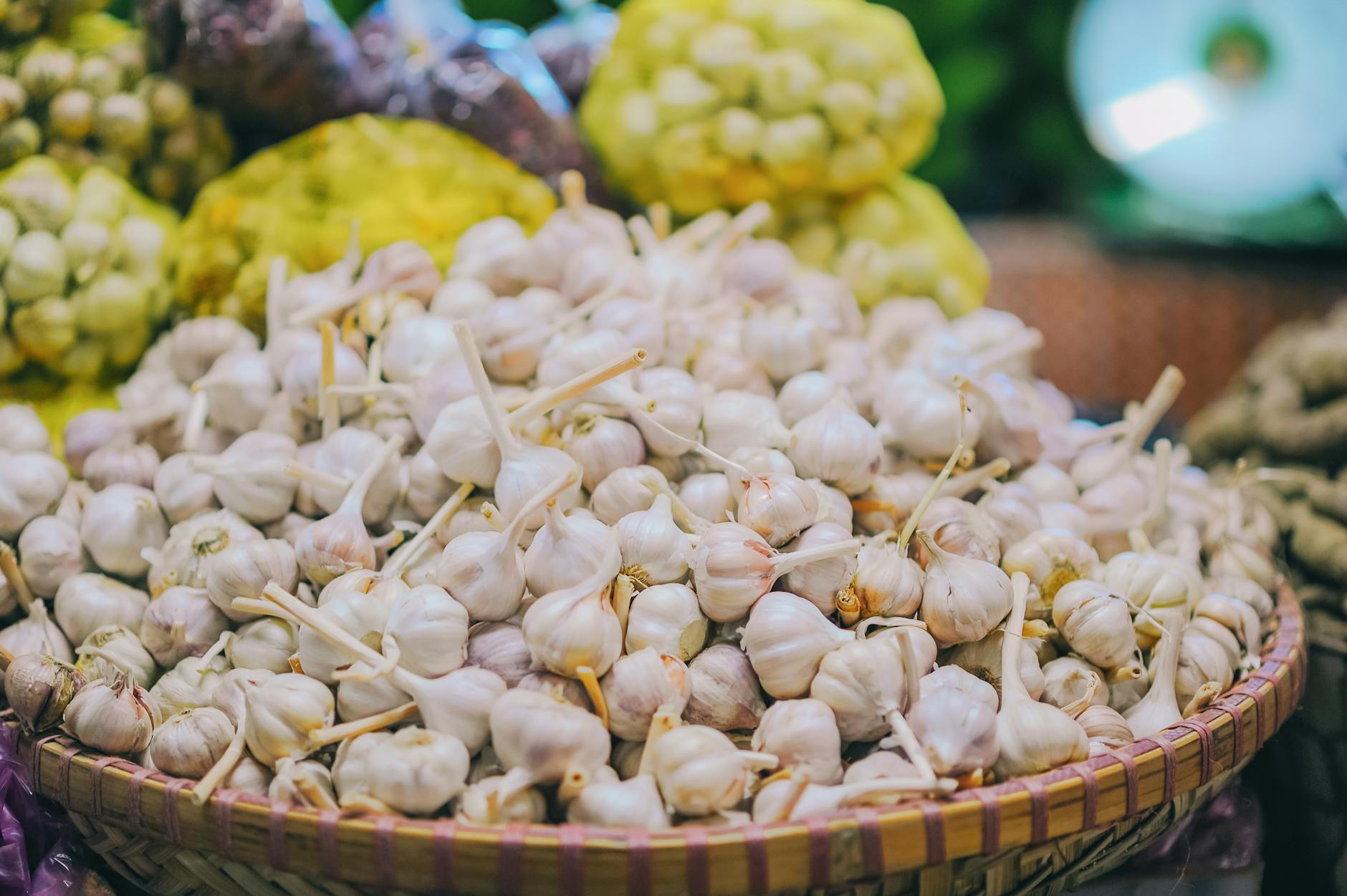
Many commercial pet products marketed as natural or organic may actually contain garlic or garlic powder as a flavoring or preservative, creating an unexpected source of exposure. Always check ingredient labels carefully on any food you’re considering for your cat. Compare this to intentional garlic exposure—like deliberately giving your cat food seasoned with garlic—which is obviously dangerous and should never happen.
If your cat has access to the kitchen or dining areas, be mindful of foods that contain garlic. Italian dishes, Asian stir-fries, seasoned meats, garlic bread, and even some marinara sauces contain garlic. The trade-off of keeping cats out of the kitchen entirely versus carefully monitoring your cat’s environment is one many pet owners must make. Complete avoidance is the safest approach, but realistic supervision and secure food storage are essential if you keep garlic-containing foods in your home.
Long-Term Effects and Repeated Exposure
While a single exposure to a small amount of garlic may not cause permanent damage, repeated exposure is cumulative and far more dangerous. Cats that repeatedly consume small amounts of garlic—such as those who share meals with owners regularly or have consistent access to garlic-containing foods—can develop chronic anemia and organ damage over time. This damage may not become apparent until significant health problems have developed.
One critical warning: some pet owners have attempted to use garlic as a natural remedy for fleas or other parasites, based on folk medicine beliefs. This is a dangerous practice that can cause serious harm to cats. Garlic does not effectively prevent fleas or parasites in cats, but it will damage their health. Additionally, cats with underlying health conditions, genetic predispositions to anemia, or compromised immune systems are at higher risk for severe reactions to garlic exposure.
What to Do If Your Cat Eats Garlic
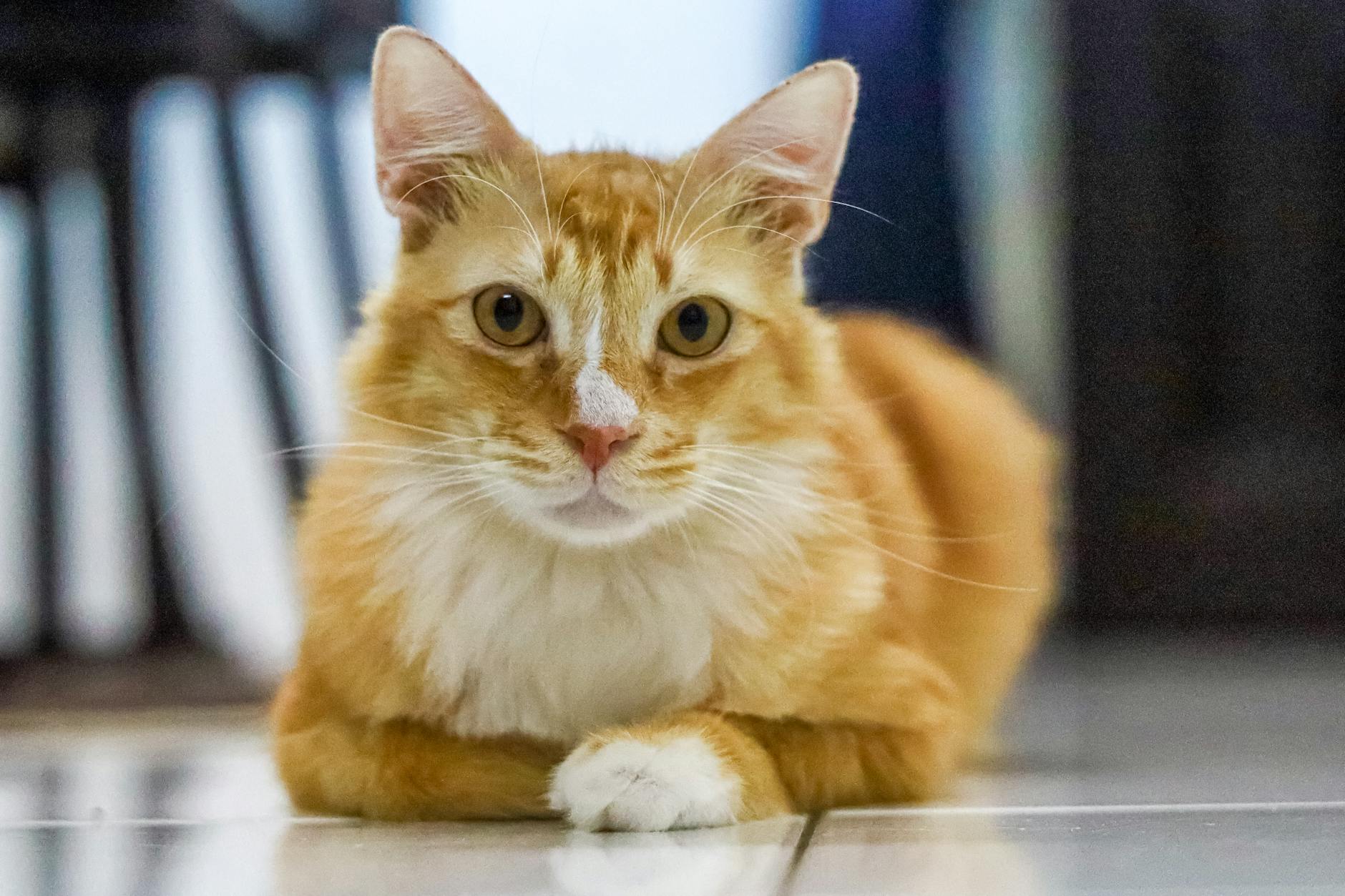
If you discover your cat has consumed garlic, the first step is to contact your veterinarian or emergency animal hospital immediately, even if the amount seems small. Do not wait for symptoms to develop. Provide as much detail as possible: what type of garlic product was consumed (raw, cooked, powdered), how much, and when it was ingested.
Your veterinarian may recommend blood tests to check red blood cell counts and liver function. Treatment for garlic toxicity is primarily supportive care, which may include fluid therapy, hospitalization, and monitoring. In severe cases, cats may require blood transfusions if anemia becomes critical. Early intervention significantly improves outcomes, so erring on the side of caution and seeking veterinary care immediately is always the right choice.
Prevention and Safe Alternatives
The best approach to garlic safety is simple prevention: never intentionally give your cat garlic in any form, and store garlic and garlic-containing products securely away from your cat’s reach. Check all ingredient labels on commercial cat foods, treats, and supplements to ensure garlic is not included. Train family members and visitors to understand that garlic is toxic to cats and should never be offered as food.
Looking ahead, as awareness of pet nutrition continues to evolve, more pet food manufacturers are moving away from garlic as a flavoring agent in cat products. If you’re choosing among pet food brands, prioritizing those that explicitly exclude garlic and other Allium family plants from their formulations is one way to reduce accidental exposure risks. Your cat’s safety depends on consistent vigilance in your household and awareness of what your cat has access to.
Conclusion
Garlic is toxic to cats and should never be part of their diet intentionally or accidentally. The thiosulfates in garlic damage feline red blood cells and can lead to hemolytic anemia and serious health complications. While the exact amount needed to cause severe toxicity varies by individual cat, the safest approach is to eliminate garlic exposure entirely by carefully monitoring your cat’s food access and checking ingredient labels on all products your cat might consume.
If your cat has eaten garlic, contact your veterinarian immediately regardless of the amount or whether symptoms are visible. Early intervention can prevent serious complications and improve outcomes significantly. By understanding why garlic is dangerous and maintaining a garlic-free environment for your cat, you protect one of their most critical health vulnerabilities and ensure they thrive on a truly safe diet.
Frequently Asked Questions
Can a tiny amount of garlic hurt my cat?
Even small amounts of garlic can cause damage to your cat’s red blood cells. While a single small exposure may not cause visible symptoms, it still poses a toxicity risk. Any exposure to garlic should be followed by veterinary consultation.
Is cooked garlic safer than raw garlic for cats?
Cooked garlic is less concentrated in thiosulfates than raw garlic, but it is not safe. Garlic powder is the most toxic form. No form of garlic should ever be given to cats intentionally.
How long does it take for garlic poisoning symptoms to appear in cats?
Symptoms typically develop within one to five days after ingestion. Some cats may not show visible symptoms despite experiencing cellular damage, making veterinary evaluation important even if your cat appears fine.
Can garlic help prevent fleas in cats?
No. Garlic does not effectively prevent fleas in cats and will cause serious health damage instead. There are many safe, veterinarian-approved flea prevention options available that actually work.
What should I do if my cat ate garlic bread?
Contact your veterinarian or emergency animal hospital immediately. Garlic bread may contain concentrated garlic powder or fresh garlic, both of which are toxic. Your vet can assess your cat and recommend appropriate monitoring or treatment.
Is garlic powder more dangerous than fresh garlic?
Yes, garlic powder is more dangerous than fresh garlic because it is more concentrated in thiosulfates. A small amount of garlic powder contains the toxic compounds equivalent to a much larger quantity of fresh garlic.