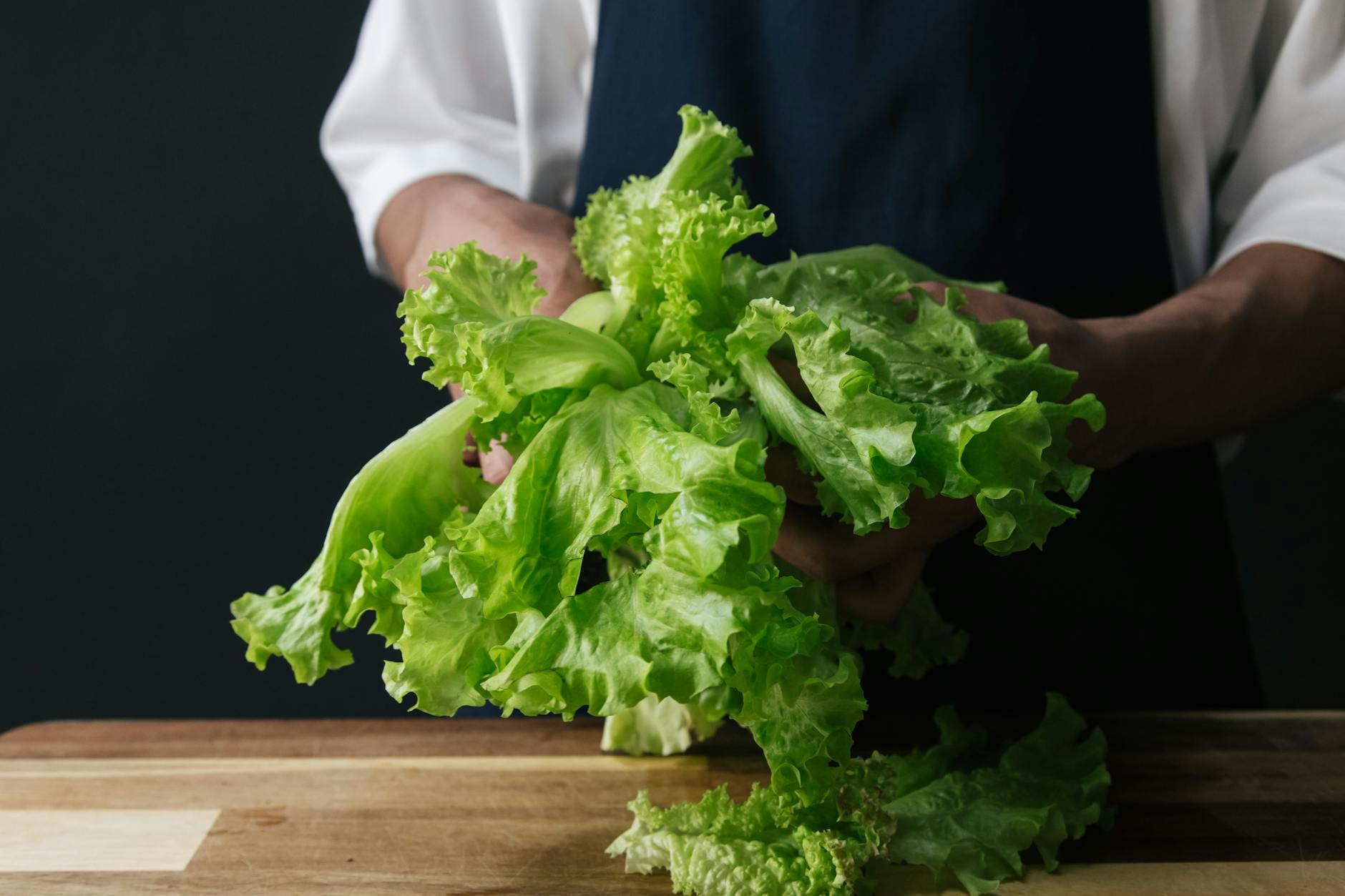
Yes, lettuce is generally safe for cats to eat in small quantities. Unlike many human foods that pose serious risks to feline health, lettuce is non-toxic and can be offered as an occasional treat. A cat eating a few small pieces of lettuce once or twice a week will not experience adverse effects, though most cats show little interest in it.
However, while lettuce poses no nutritional danger, it offers minimal nutritional value to cats and should never become a regular part of their diet. The key distinction is between safety and suitability. Lettuce won’t poison your cat the way grapes, onions, or chocolate would, but cats are obligate carnivores whose bodies are designed to extract nutrition from meat, not vegetables. A cat that nibbles on a lettuce leaf dropped from your salad bowl faces no risk, but relying on lettuce as a source of hydration or nutrition would be a misguided approach to feline feeding.
Table of Contents
- Can Cats Safely Consume Different Types of Lettuce?
- Nutritional Value and Digestive Concerns
- Why Cats Show Little Interest in Lettuce
- How to Safely Offer Lettuce if Your Cat Wants It
- Warning Signs and When Lettuce Becomes a Concern
- Lettuce as Environmental Enrichment
- Future Perspectives on Cats and Plant-Based Nutrition
- Conclusion
Can Cats Safely Consume Different Types of Lettuce?
Most varieties of lettuce—including iceberg, romaine, butterhead, and leaf lettuce—are equally safe for cats to consume. The differences between these varieties matter very little from a feline toxicity standpoint, though some carry marginally more nutritional value than others. Iceberg lettuce, being mostly water with minimal nutrients, is less beneficial than romaine or butterhead lettuce, but it remains harmless if your cat manages to eat some. The greater concern isn’t the type of lettuce but the preparation method.
Raw lettuce presents no problems, but cooked lettuce with added seasonings can be dangerous. If you’ve prepared lettuce with garlic, onions, salt, or oil, keep it away from your cat entirely. These additions transform a safe food into a potential hazard. A simple rule: offer only plain, raw lettuce if you choose to offer lettuce at all. Never share salad dressing, vinaigrettes, or seasoned vegetables, as these often contain ingredients toxic to cats or can upset their digestive systems.
Nutritional Value and Digestive Concerns
The nutritional profile of lettuce reveals why it offers cats so little benefit. Lettuce is roughly 95 percent water and contains minimal protein, fat, and essential nutrients that cats require. While it does contain some fiber and trace vitamins, these amounts are insignificant compared to the nutritional needs of a carnivorous animal. Offering lettuce to boost your cat’s water intake or add fiber is misguided—cats obtain hydration far more efficiently from wet food and fresh drinking water, and they don’t require the fiber that herbivores or omnivores might need.
A limitation of feeding lettuce relates to portion control and potential digestive upset. Even though lettuce is not toxic, some cats experience mild vomiting or diarrhea if they consume too much, particularly if their digestive system isn’t accustomed to vegetables. Cats lack the enzymes to efficiently process plant material, and an unexpected large amount of lettuce could trigger gastrointestinal irritation. Additionally, the choking risk, while small, increases with certain lettuce varieties that form tighter leaves or bunches—a cat could potentially take an overly large bite that becomes difficult to swallow.
Why Cats Show Little Interest in Lettuce
Most cats display minimal interest in lettuce, and this indifference is rooted in feline biology rather than preference. Cats lack the taste receptors that allow them to perceive sweetness, and their taste preferences evolved to identify protein-rich foods. A cat’s mouth contains taste buds optimized for detecting meat amino acids, making vegetables like lettuce neurologically uninteresting.
When a cat does investigate lettuce, it’s usually due to curiosity about texture or the human’s behavioral response rather than genuine interest in consuming it as food. A practical example illustrates this well: a cat may be attracted to the rustling sound of a salad bag or the movement of a human handling lettuce, but once the cat bites into it and experiences the texture without a meat-based taste reward, the cat typically loses interest. Some cats will play with lettuce leaves as they would with any novel object, batting and tossing them around, but this playfulness rarely leads to actual consumption. This built-in disinterest is actually a protective factor—it means most cats self-regulate their lettuce intake naturally by simply avoiding it.

How to Safely Offer Lettuce if Your Cat Wants It
If your cat shows genuine interest in eating lettuce or you want to offer it for enrichment, offer only small pieces—roughly the size of your cat’s head or smaller. Break the lettuce into bite-sized portions to eliminate choking hazards, and supervise your cat during consumption. A single lettuce leaf, torn into manageable pieces, represents a reasonable quantity; your cat should never consume more than a few small pieces in one sitting. Think of lettuce as an occasional treat on par with catnip, not as a dietary staple or supplement.
The comparison to other cat treats reveals lettuce’s place in feline nutrition. A single treat-sized piece of cooked chicken offers far more nutritional benefit and aligns with your cat’s dietary needs in a way that lettuce cannot. If you’re looking to add variety to your cat’s diet or provide hydration, wet cat food or broths designed for cats serve these purposes far more effectively. The tradeoff of offering lettuce is minimal risk balanced against minimal benefit—it’s safe, but it’s unnecessary.
Warning Signs and When Lettuce Becomes a Concern
While lettuce itself is safe, certain scenarios make lettuce problematic for cats. If your cat has pre-existing digestive issues, inflammatory bowel disease, or a history of vomiting after eating non-traditional foods, avoid offering lettuce altogether. The unpredictability of how an individual cat’s system will respond means that cats with sensitive digestion should stick exclusively to their established diet. Additionally, if lettuce has been exposed to pesticides or fertilizers, it poses a risk—organic, well-washed lettuce is significantly safer than conventionally grown varieties that may retain chemical residues.
A warning regarding excessive lettuce consumption applies primarily to scenarios where a cat gains unsupervised access to a large quantity. If your cat raids a salad or vegetable container and consumes substantially more lettuce than intended, monitor for signs of digestive upset such as vomiting, diarrhea, or loss of appetite. In most cases, the cat’s system will process the excess without issue, but if symptoms persist beyond 24 hours or your cat shows signs of distress, contact your veterinarian. The unlikely but possible choking hazard presents the most serious acute risk, particularly for very young kittens or senior cats with dental issues.
Lettuce as Environmental Enrichment
Beyond mere consumption, lettuce can serve as a non-toxic enrichment tool for cats that enjoy textured play objects. Some cats, particularly those showing interest in plants, may benefit from having safe plant materials available. Lettuce leaves crumpled or scattered across the floor provide a novel texture and crinkly sound that can engage a cat’s hunting instincts in a harmless way.
This approach transforms lettuce from food into an enrichment item, which may better suit cats that show no interest in actual eating but enjoy investigation and manipulation of new materials. A specific example: a cat that enjoys batting at and destroying paper-based toys might find comparable satisfaction in the simple act of shredding a raw lettuce leaf. This enrichment activity requires minimal cost and provides a safe alternative to destructive behaviors like attacking houseplants. However, ensure the lettuce remains a plaything rather than an accidental meal—supervise the interaction to prevent the cat from ingesting large pieces accidentally.
Future Perspectives on Cats and Plant-Based Nutrition
As feline nutrition science evolves, the consensus on vegetables like lettuce remains unchanged: they belong in the margins of feline diet, not the center. Future research into feline microbiomes and optimal nutrition will likely reinforce the importance of meat-based diets and the limited role of plant material.
The trend toward commercial “plant-enhanced” cat foods has faced legitimate scrutiny, as cats have no biological requirement for vegetables and cannot efficiently extract nutrition from plant sources. Pet owners increasingly recognize that the best approach to feline health involves feeding species-appropriate diets rich in animal protein and moisture. Lettuce may occasionally appear in a cat’s environment, but optimizing a cat’s primary diet—whether commercial or homemade—toward meat-based nutrition will always yield better health outcomes than attempting to supplement with vegetables.
Conclusion
Lettuce is safe for cats to eat in small quantities and poses no toxicity risk, making it a harmless occasional food item if your cat shows interest. However, lettuce offers minimal nutritional value for a carnivorous species and is unnecessary for maintaining feline health. Most cats naturally avoid it, which is appropriate given their biological design.
If your cat eats a small piece of lettuce, there is no cause for concern. However, lettuce should never be positioned as a health supplement, hydration source, or dietary staple. Focus instead on providing high-quality, meat-based nutrition tailored to your cat’s specific life stage and health needs. If you have concerns about your cat’s nutritional intake or your cat shows abnormal interest in plant materials, consult your veterinarian for guidance on optimal feeding practices.