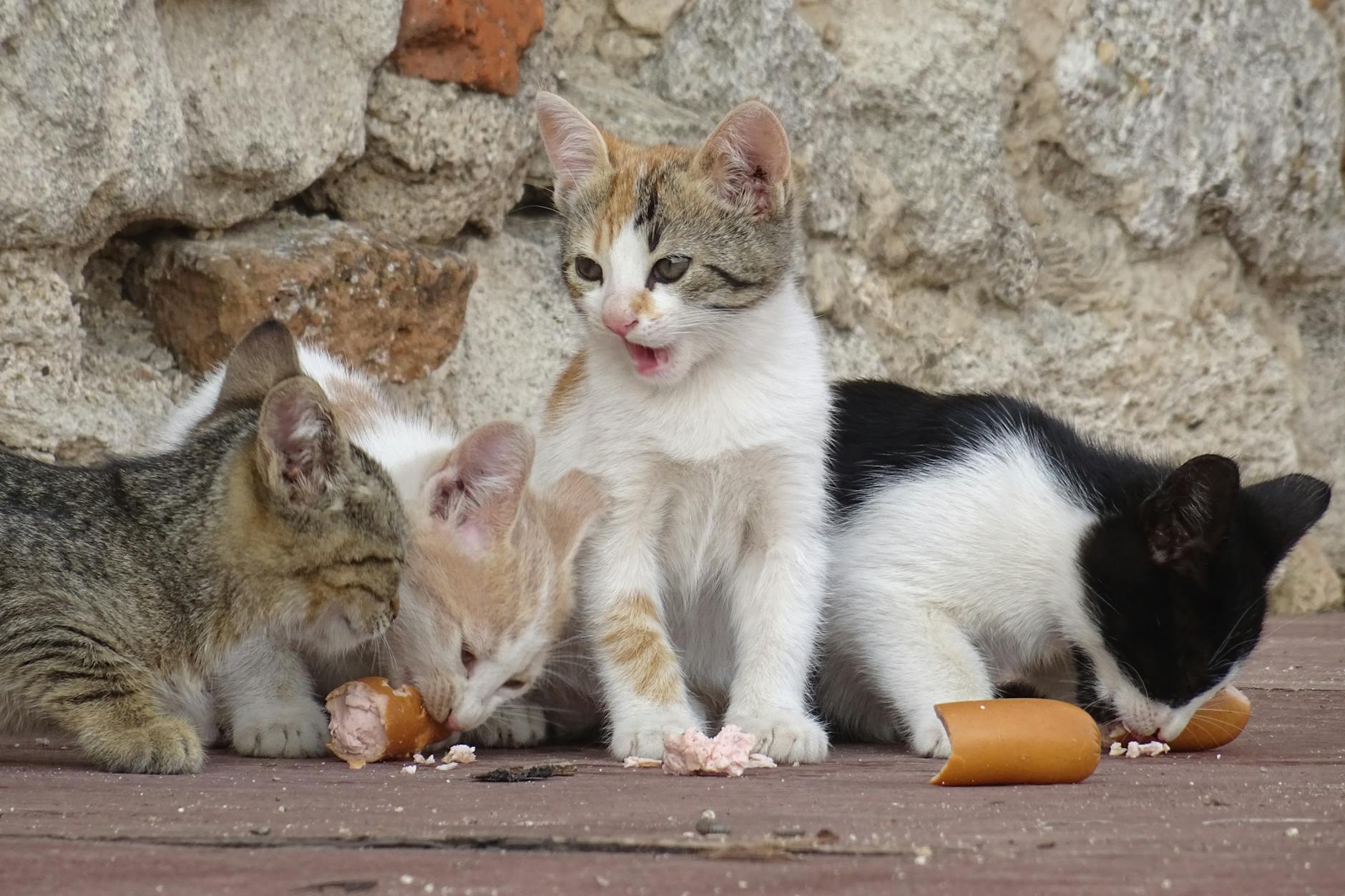
Mayonnaise is not toxic to cats, but that doesn’t make it safe to feed your feline companion. While a small amount of plain mayonnaise won’t poison your cat, veterinarians recommend against intentionally giving it to cats or using it as a flavor enhancer for their food. The primary concern isn’t toxicity—it’s the nutritional damage that regular consumption can cause, particularly the excessive fat content that can lead to weight gain and other serious health problems.
If your cat accidentally licks a small dab of mayo off a sandwich or countertop, you generally don’t need to panic. Most cats won’t experience immediate harm from trace amounts. However, this accidental exposure is very different from regularly offering it as a treat or food topper, which many cat owners are tempted to do if their cat shows interest in it.
Table of Contents
- What Exactly Is in Mayonnaise That Concerns Veterinarians?
- The Hidden Danger—Why Vets Recommend Against Mayonnaise for Cats
- When Your Cat Gets Into Mayonnaise Accidentally
- Managing the Mayonnaise Situation in Your Home
- Understanding Ingredient Labels and Brand Differences
- What Your Veterinarian Actually Wants You to Know
- Better Alternatives to Mayonnaise for Treating Your Cat
- Conclusion
What Exactly Is in Mayonnaise That Concerns Veterinarians?
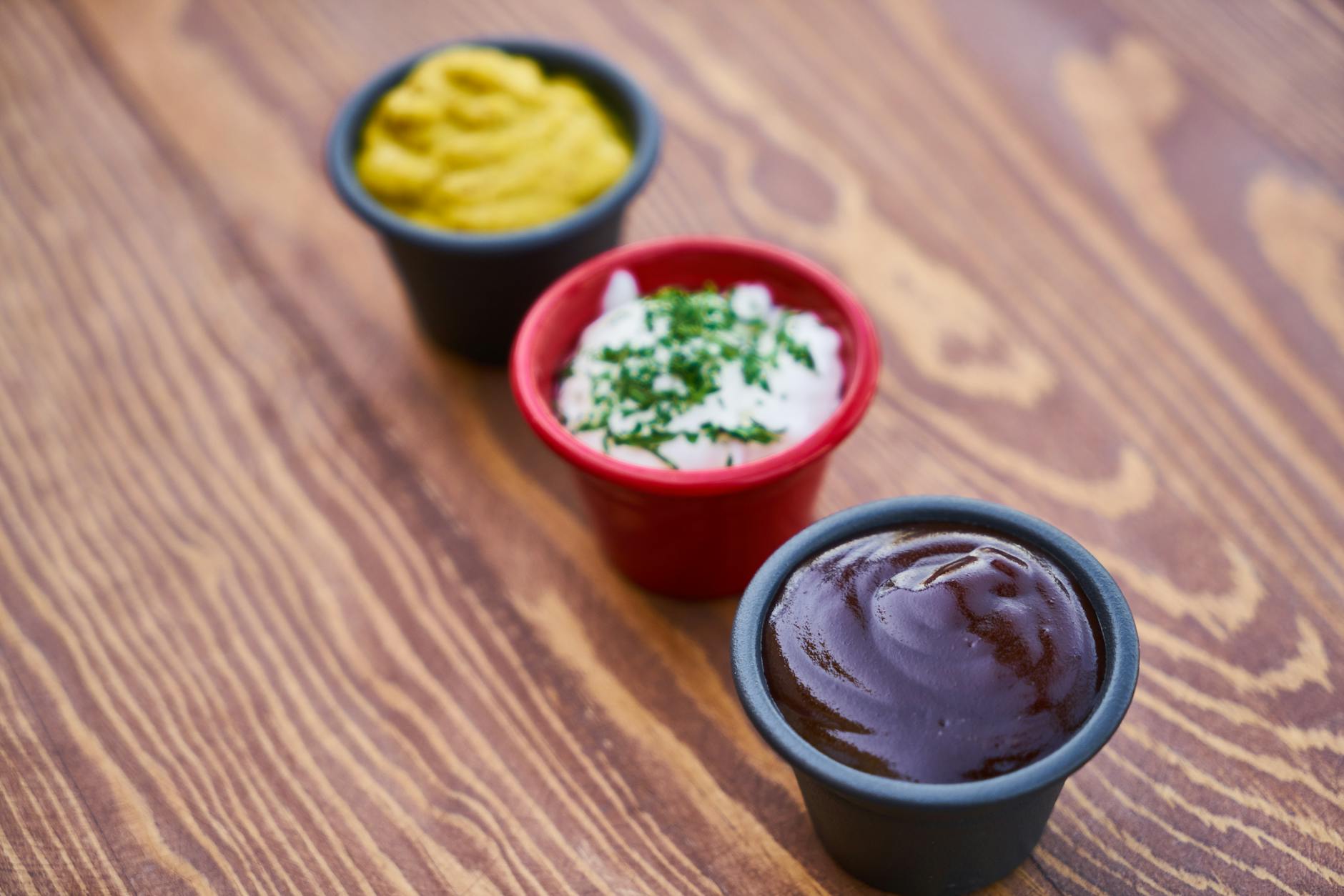
Mayonnaise is primarily made from eggs, oil, and vinegar or lemon juice. From a toxicity perspective, none of these base ingredients are inherently poisonous to cats the way chocolate, xylitol, or certain plants are. A cat’s body can metabolically process the components of plain mayonnaise without triggering poisoning. This fundamental safety—the absence of toxic compounds—is why many sources initially seem to give mayonnaise a “safe” label.
The issue becomes more complex when you look at commercial mayonnaise varieties. Some brands add seasonings, preservatives, or flavorings that may include garlic or onion powder. While these ingredients are only present in trace amounts that are unlikely to cause harm, they do represent an additional consideration beyond the basic mayo formulation. Reading the ingredient list on your specific mayo brand becomes important if your cat has had access to it.
The Hidden Danger—Why Vets Recommend Against Mayonnaise for Cats
The real problem with mayonnaise isn’t immediate toxicity; it’s the caloric and fat density that makes it genuinely problematic for feline health. Mayonnaise is roughly 80 to 90 percent fat by weight, making it one of the most calorie-dense foods you could offer a cat. To put this in perspective, a single tablespoon of mayonnaise contains about 100 calories and 11 grams of fat—a substantial amount for an animal that typically needs only 200 to 250 calories per day depending on size and activity level.
When cats develop a taste for mayonnaise and consume it regularly, the consequences can be serious. Feline obesity is a genuine medical condition linked to diabetes, joint problems, fatty liver disease, and shortened lifespan. A cat who regularly gets mayo as a treat or licks it from your plate is at significantly elevated risk for weight gain and the cascade of health issues that follow. This is precisely why veterinarians advise against making mayonnaise part of your cat’s diet in any intentional way.
When Your Cat Gets Into Mayonnaise Accidentally
The scenario that actually happens in most households is accidental exposure—your cat finds a mayo-topped sandwich left unattended, licks the mayo off a plate you’re washing, or sneaks a taste while you’re making lunch. This situation is less concerning than intentional feeding, but it’s worth understanding what might happen and when to watch for problems. A small lick or taste of mayonnaise typically causes no harm. Your cat’s digestive system is designed to handle occasional fatty foods, and a small amount won’t create an emergency. However, if your cat manages to consume a significant quantity—say, several tablespoons—you might notice gastrointestinal upset within a few hours.
Signs include mild vomiting, diarrhea, or abdominal discomfort. These symptoms usually resolve on their own, but if your cat is showing persistent or severe distress, contacting your veterinarian is appropriate. The key difference between accidental exposure and intentional feeding is frequency and amount. One incident is unlikely to cause lasting damage. Repeated access or your cat regularly consuming mayonnaise creates the genuine obesity and health risks that make veterinarians concerned about this food.
Managing the Mayonnaise Situation in Your Home
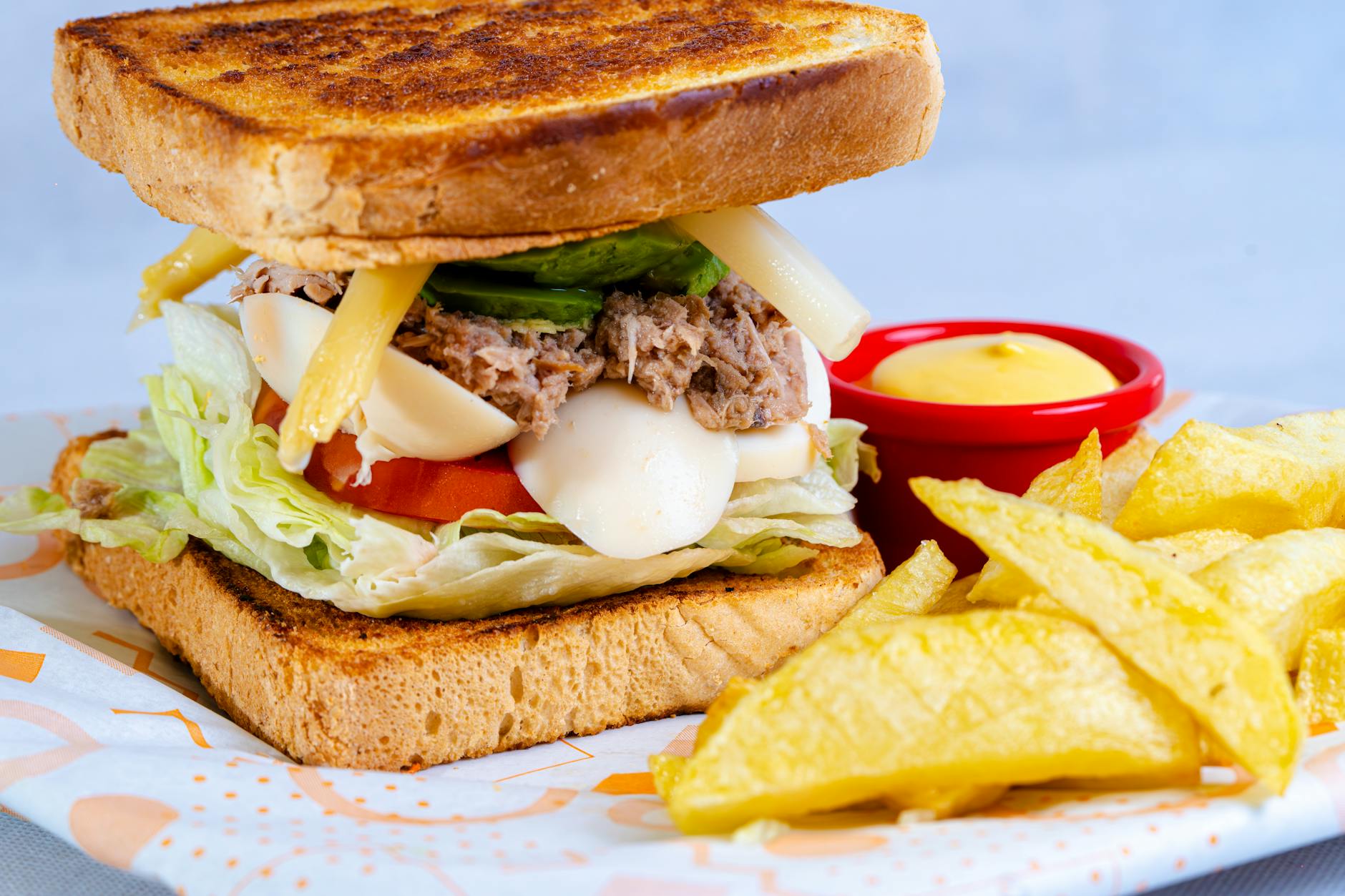
If you’re concerned because your cat has shown interest in your mayonnaise-containing foods, the practical solution is prevention through access management rather than worrying about what’s already happened. Keep mayo-topped foods away from your cat’s reach, wipe down surfaces after preparing sandwiches, and be mindful during meals that your feline isn’t snatching food from your plate. For most cat owners, treating this like you would any other human food—keeping it inaccessible—is the most effective approach.
The comparison is useful here: you wouldn’t leave chocolate out for your cat to potentially eat, and mayonnaise should be managed with similar caution, even though the danger mechanism is different. Chocolate is acutely toxic; mayonnaise is chronically problematic through weight gain. The practical prevention is similar—keep it away. If your cat is particularly food-motivated or has a habit of stealing from counters, this becomes an even more important consideration for long-term health.
Understanding Ingredient Labels and Brand Differences
Not all mayonnaise is created equal from a feline safety perspective. Standard mayonnaise from major brands typically contains eggs, soybean oil, water, egg yolks, vinegar, salt, sugar, lemon juice, and calcium disodium EDTA as a preservative. This basic formulation is what most veterinarians are referring to when they say mayonnaise isn’t toxic to cats. However, specialty mayonnaise products—particularly those marketed as gourmet versions—may include garlic, onion, paprika, or other seasonings.
Garlic and onion are genuinely toxic to cats in sufficient quantities, which is why it’s worth checking ingredient labels if your cat has consumed mayo from an unfamiliar brand. That said, the concentration of these ingredients in commercial mayonnaise is typically so minimal that a single exposure is unlikely to cause problems. The warning here is more about avoiding a pattern of consumption from brands with added seasonings rather than panicking about a single exposure to garlic-containing mayo. When in doubt, call your veterinarian with the specific brand name and ingredient list.
What Your Veterinarian Actually Wants You to Know
The veterinary consensus on mayonnaise and other human foods is straightforward: consult your regular veterinarian before sharing any human foods with your cat. This isn’t because your vet wants to restrict your cat’s enjoyment of life—it’s because most human foods are nutritionally inappropriate for cats and can contribute to obesity and other health problems when given regularly. Cats are obligate carnivores with specific nutritional requirements.
Their diet should be primarily high-quality cat food formulated to meet these needs. Human foods like mayonnaise represent empty calories that displace nutrients your cat actually needs while contributing to weight gain. If your cat enjoys certain flavors or textures, your veterinarian can recommend safe, appropriate alternatives that won’t compromise her health.
Better Alternatives to Mayonnaise for Treating Your Cat
If you want to give your cat something special and you’re currently considering mayo because your cat shows interest in it, there are genuinely better options available. Plain cooked chicken, turkey, or fish are excellent protein-based treats that align with your cat’s actual nutritional needs. These foods have far fewer calories than mayonnaise and provide nutrients rather than empty fat.
For cats who seem to enjoy the creamy texture or oiliness of mayo, a small amount of wet cat food designed for treats can provide a similar mouthfeel with appropriate nutrition. Your veterinarian can recommend specific commercial treats that are formulated for feline health. The goal is understanding why your cat is interested in mayo—is it the flavor, the texture, the fact that you have it?—and finding a cat-appropriate alternative that scratches the same itch without the health downsides.
Conclusion
To directly answer the question: mayonnaise is not toxic to cats, but it is not safe to feed intentionally. Plain mayonnaise won’t poison your cat if she gets a small taste, but regular consumption can lead to obesity and serious health complications. The distinction between “not toxic” and “safe to feed” is critical—many foods fall into that first category without belonging in the second.
The best approach is treating mayonnaise the way you would any other human food: keep it inaccessible, prevent regular consumption, and consult your veterinarian before introducing any new foods to your cat’s diet. If your cat has accidentally eaten a small amount, monitoring for any signs of digestive upset is reasonable, but significant intervention is unlikely to be necessary. Focus your efforts on providing appropriate feline nutrition and treats that actually support your cat’s long-term health.