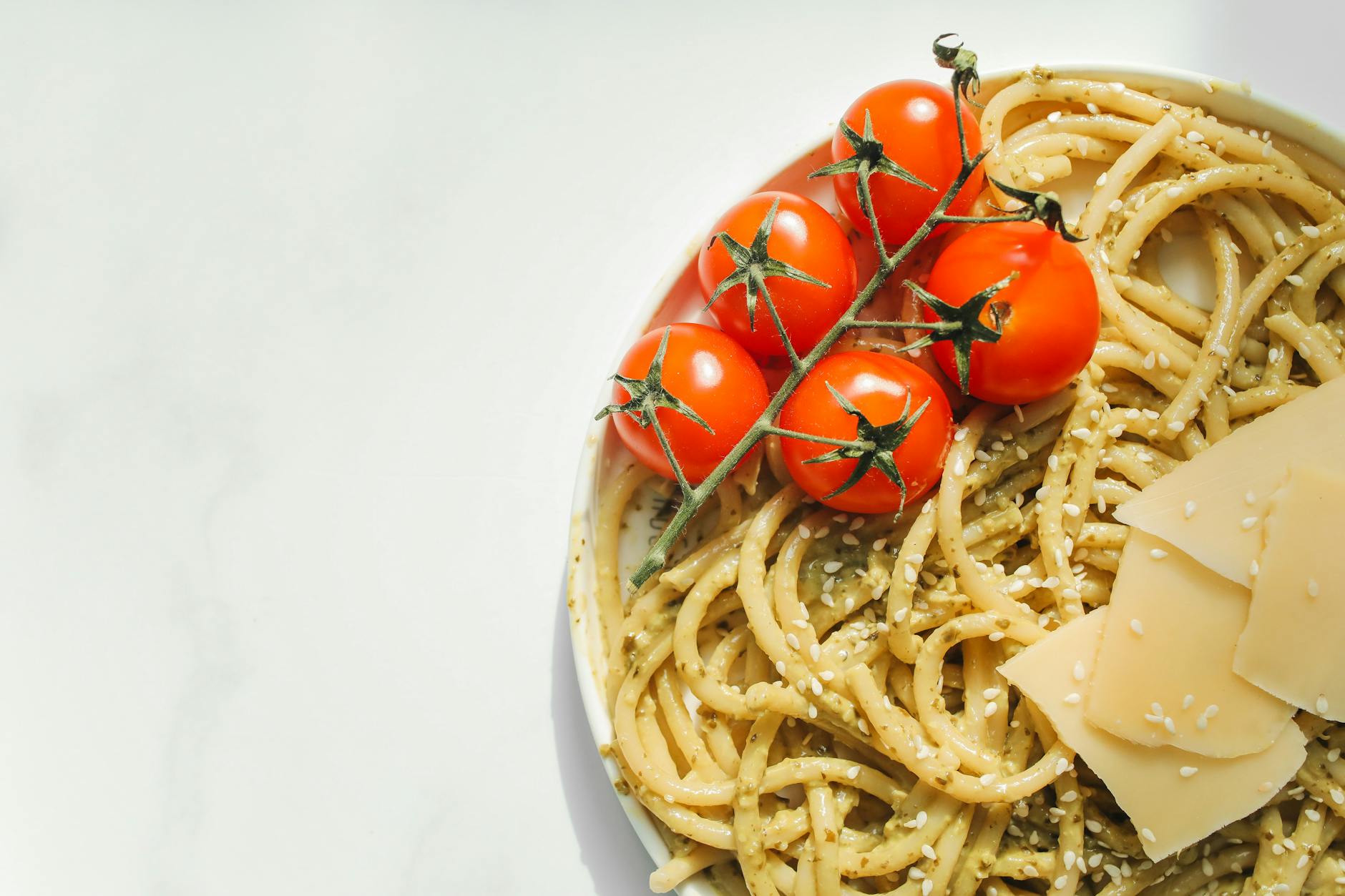
Parmesan cheese is not toxic to cats, but it is generally not recommended as a regular treat due to its high sodium content and the fact that most adult cats are lactose intolerant. A small nibble of parmesan is unlikely to cause serious harm to a healthy cat, but the combination of concentrated salt and dairy proteins can lead to digestive upset, excessive thirst, and potentially more serious health issues if consumed frequently or in larger quantities. For example, a cat that sneaks a few shavings off your pasta might experience mild stomach discomfort, while a cat that regularly receives parmesan as a treat could develop longer-term digestive problems or contribute to sodium-related health concerns.
The question of cheese and cats is more nuanced than a simple yes or no answer. While parmesan is one of the lower-lactose cheeses due to its aging process, it simultaneously contains significantly more sodium than most other dairy products. This article will examine why cats are drawn to cheese in the first place, break down the specific concerns with parmesan, explore what happens when cats consume too much, and provide guidance on safer alternatives if you want to occasionally treat your feline companion.
Table of Contents
- Why Are Cats Attracted to Parmesan Cheese?
- Understanding Lactose Intolerance in Adult Cats
- The Sodium Problem with Parmesan and Feline Health
- What Happens If Your Cat Eats Parmesan Accidentally
- Safer Cheese Alternatives for Occasional Cat Treats
- Long-Term Health Considerations for Cats and Dairy
- Reading Your Cat’s Individual Response to Foods
- The Verdict on Parmesan and Responsible Pet Ownership
- Conclusion
Why Are Cats Attracted to Parmesan Cheese?
cats are obligate carnivores, meaning their diet should consist primarily of meat, yet many cat owners notice their pets showing intense interest in cheese. This attraction stems from the fat and protein content in cheese rather than any appreciation for its flavor complexity. Parmesan, with its concentrated umami taste from amino acids developed during aging, can be particularly appealing to cats because it triggers similar receptors as meat-based proteins. Interestingly, cats lack the taste receptors for sweetness that humans and many other mammals possess, but they are highly attuned to amino acids and fats.
The glutamates in aged parmesan essentially mimic the savory signals cats receive from their natural prey. However, this attraction does not mean the food is appropriate for them. Many cats will eagerly consume foods that their digestive systems cannot properly handle, making owner discretion essential. A cat begging for your parmesan does not indicate nutritional need””it simply means the cheese smells like something worth eating from their evolutionary perspective.
Understanding Lactose Intolerance in Adult Cats
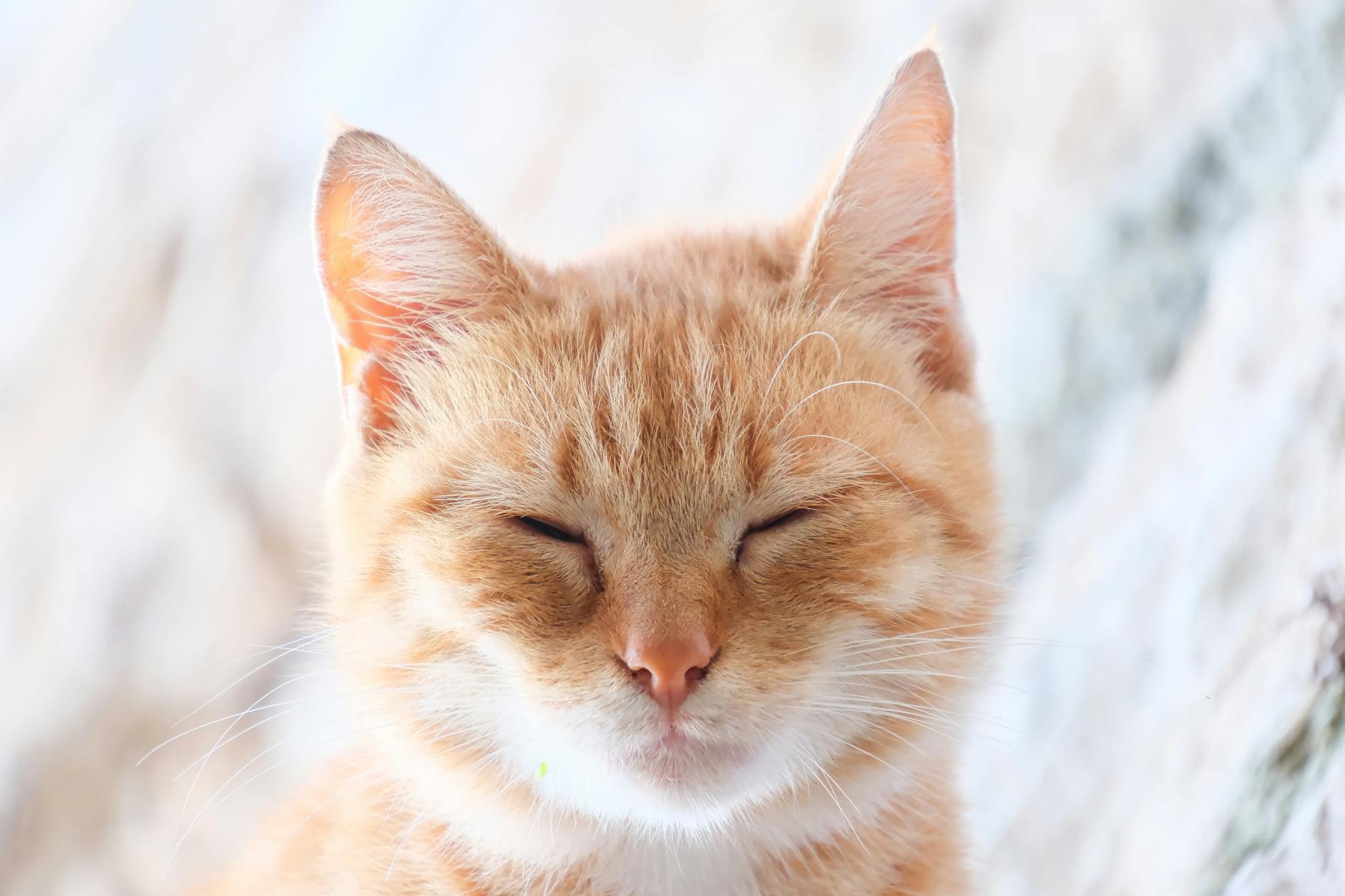
Most kittens produce adequate amounts of lactase, the enzyme required to digest lactose, because they need it to process their mother’s milk. As cats mature and are weaned, their bodies typically reduce lactase production significantly, leaving the majority of adult cats with some degree of lactose intolerance. When a lactose-intolerant cat consumes dairy, the undigested lactose ferments in the intestines, producing gas, bloating, diarrhea, and general gastrointestinal distress. Parmesan presents an interesting case because the extended aging process””typically 12 to 36 months””allows bacteria to break down much of the lactose naturally.
A well-aged parmesan may contain less than one gram of lactose per ounce, compared to roughly 12 grams in the same amount of whole milk. This makes parmesan theoretically easier for cats to digest than fresh cheeses like mozzarella or cottage cheese. However, this reduced lactose content does not make parmesan safe””it simply shifts the primary concern from lactose to sodium. If your cat has demonstrated sensitivity to even small amounts of dairy in the past, the trace lactose in parmesan could still trigger symptoms, and you should avoid offering it entirely.
The Sodium Problem with Parmesan and Feline Health
The most significant concern with feeding parmesan to cats is its extremely high sodium content. A single ounce of parmesan contains approximately 450 milligrams of sodium, while a typical 10-pound cat requires only about 21 milligrams of sodium daily to meet their nutritional needs. Even a small piece of parmesan can deliver a substantial sodium load relative to what a cat’s body is designed to process. Excessive sodium intake in cats can lead to increased thirst and urination, elevated blood pressure, and in severe cases, sodium ion poisoning.
Cats with pre-existing kidney disease, heart conditions, or hypertension are particularly vulnerable to the effects of high-sodium foods. For instance, a senior cat with early-stage kidney disease might experience a noticeable decline in kidney function if regularly exposed to high-sodium treats, even in amounts that would not affect a younger, healthier cat. The kidneys must work harder to excrete excess sodium, accelerating wear on organs that may already be compromised. This makes parmesan an especially poor choice for older cats or those with known health conditions.
What Happens If Your Cat Eats Parmesan Accidentally
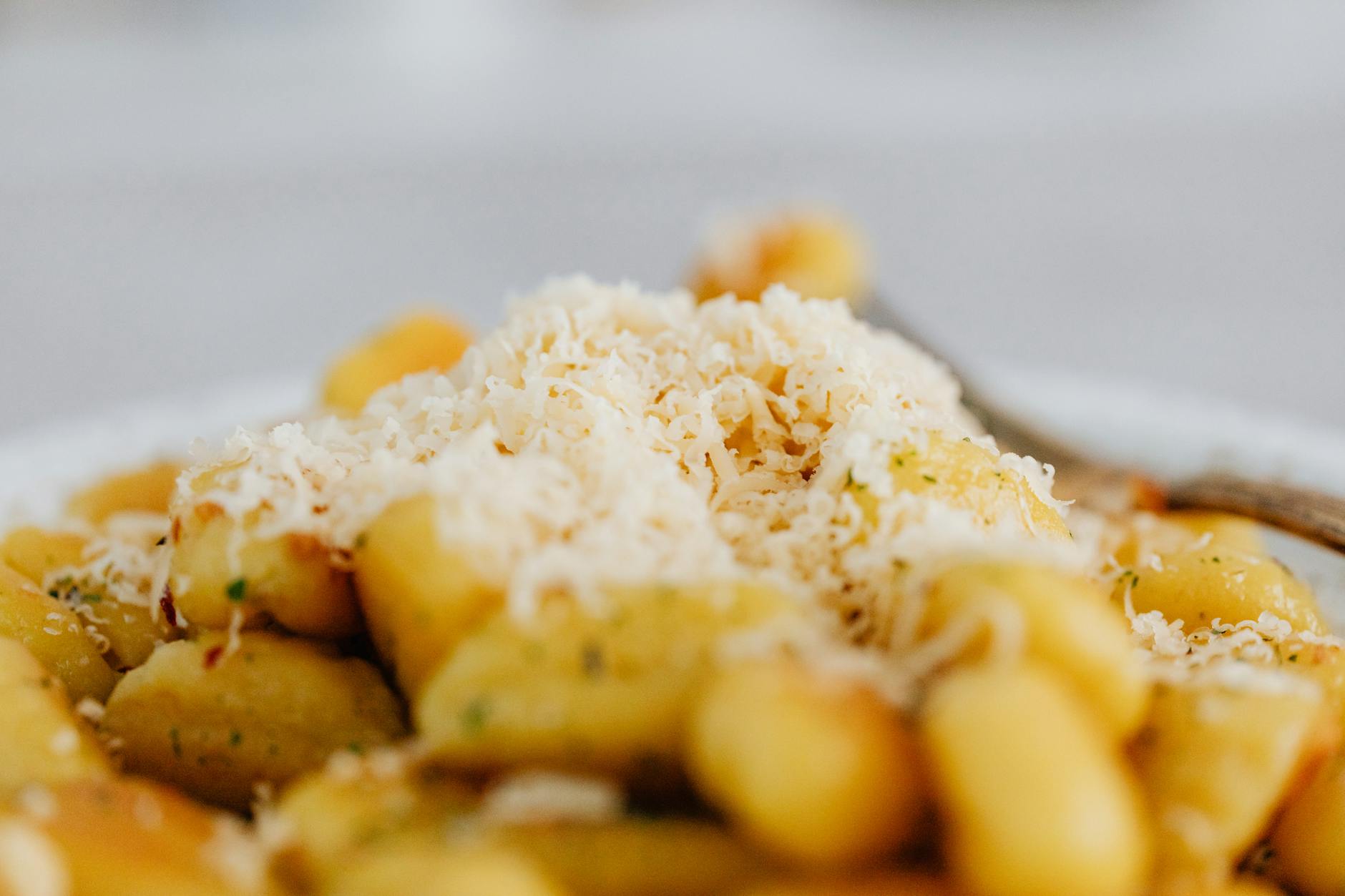
If your cat manages to steal a small piece of parmesan from your plate or kitchen counter, there is usually no need for immediate panic. A healthy adult cat consuming a small amount””roughly the size of your fingernail””will likely experience no adverse effects whatsoever, or at most some mild thirst. The body can handle occasional sodium spikes as long as fresh water is readily available and the exposure does not become a pattern. Larger amounts or repeated exposure warrant more attention.
Signs of gastrointestinal upset include vomiting, diarrhea, lethargy, and loss of appetite, typically appearing within a few hours of consumption. More concerning symptoms of sodium toxicity include excessive thirst and urination, tremors, seizures, and incoordination, though these would require consumption of a substantial quantity. For perspective, a cat would need to consume several ounces of parmesan in a short period to risk acute sodium poisoning, which is unlikely but not impossible if a cat gains access to a large piece left unattended. If your cat shows any neurological symptoms or refuses to eat or drink following cheese consumption, contact your veterinarian promptly.
Safer Cheese Alternatives for Occasional Cat Treats
If you want to share a dairy-based treat with your cat occasionally, some options present fewer risks than parmesan. Low-sodium cheeses like Swiss or fresh mozzarella contain significantly less salt while still offering the fat and protein that attract cats. A small cube of Swiss cheese, for example, contains roughly 50 milligrams of sodium per ounce compared to parmesan’s 450 milligrams””still not ideal, but far less likely to cause problems in moderation.
The tradeoff with fresher, lower-sodium cheeses is that they typically contain more lactose, potentially causing digestive upset in sensitive cats. Aged cheddar offers a middle ground with moderate sodium and reduced lactose, though it still should not become a regular part of your cat’s diet. The safest approach is to use commercially prepared cat treats that mimic cheese flavors without the associated risks, or to skip dairy entirely in favor of small pieces of cooked plain chicken or fish. These protein sources align with your cat’s biological needs while avoiding the complications that dairy introduces.
Long-Term Health Considerations for Cats and Dairy
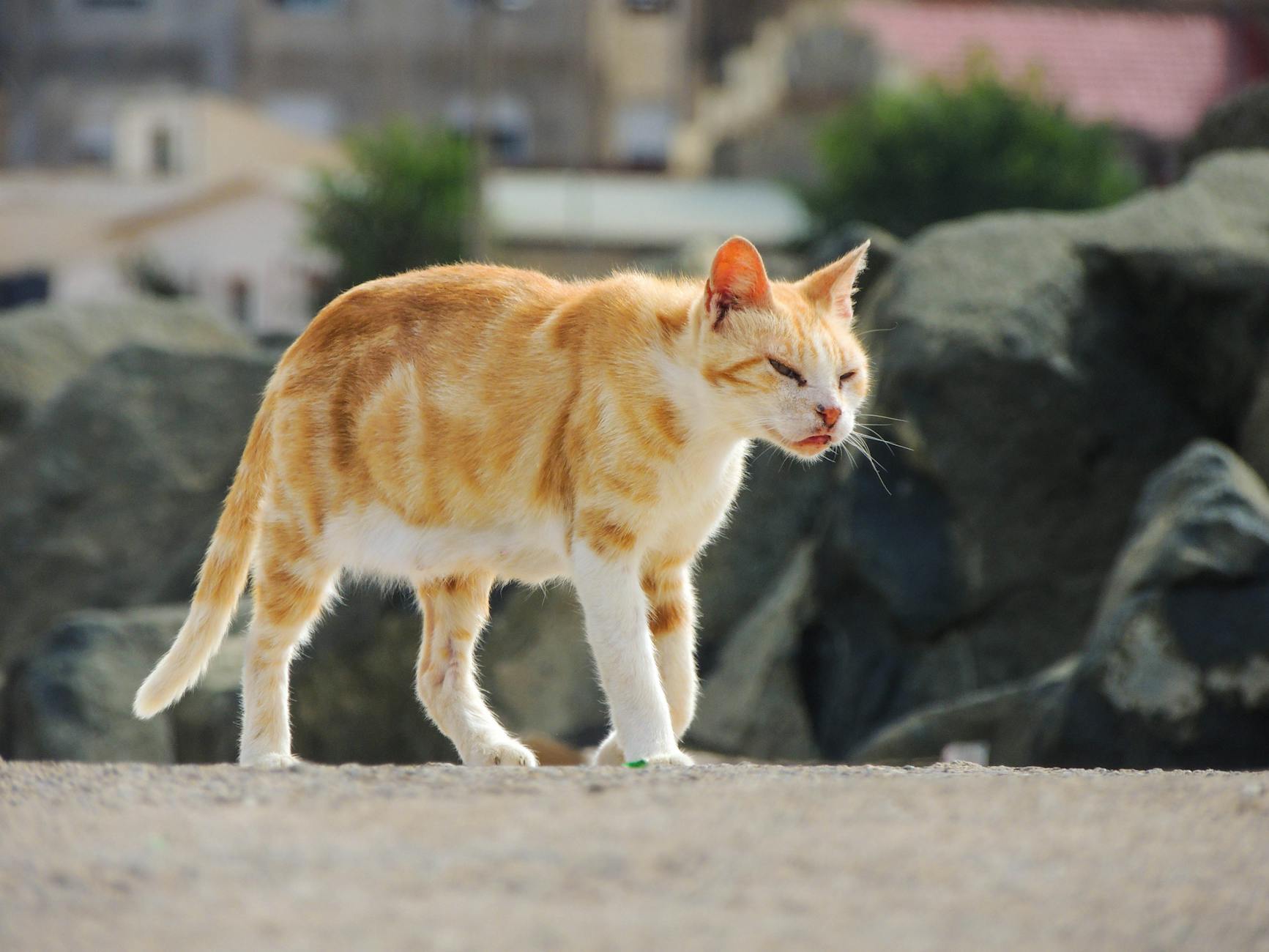
Repeated exposure to high-sodium foods like parmesan can contribute to chronic health issues beyond acute digestive upset. Cats that regularly consume salty human foods may develop a preference for them over their nutritionally complete cat food, potentially leading to dietary imbalances. Additionally, the cumulative effect of sodium on the cardiovascular and renal systems can accelerate the development of age-related diseases that many cats already face.
A study from the Winn Feline Foundation noted that chronic kidney disease affects approximately 30 to 40 percent of cats over the age of 10. While sodium intake is not the sole cause of kidney disease, excessive dietary sodium places additional stress on kidneys that may already be functioning below optimal capacity. Owners who want to maximize their cats’ health span should consider that the occasional small treat compounds over years of a cat’s life. What seems harmless as a one-time indulgence becomes a significant factor when repeated weekly for a decade.
Reading Your Cat’s Individual Response to Foods
Every cat processes foods differently based on their unique physiology, health status, and history. Some cats can consume small amounts of cheese throughout their lives without any apparent ill effects, while others develop diarrhea from a single lick.
Paying attention to how your individual cat responds to any new food is more valuable than following general guidelines alone. If you have offered parmesan to your cat in the past without incident, that does not guarantee future exposures will be equally benign””cats can develop sensitivities over time, and underlying health conditions may emerge that change how they process certain foods. An annual veterinary exam that includes blood work can help identify early kidney or liver changes that would make high-sodium treats inadvisable, even if your cat previously tolerated them well.
The Verdict on Parmesan and Responsible Pet Ownership
Responsible cat ownership involves recognizing that human foods are formulated for human nutritional needs, not feline ones. While it can be tempting to share favorite foods with beloved pets, cats thrive best on diets specifically designed for their unique metabolic requirements. The momentary pleasure a cat experiences from a bite of parmesan is not worth the potential health consequences, particularly when safer treat options exist.
Looking forward, the pet food industry continues to develop treats that satisfy cats’ cravings for savory, protein-rich flavors without the risks associated with human foods. These products undergo testing to ensure appropriate sodium levels, digestibility, and nutritional balance. For owners who enjoy the bonding experience of sharing food with their cats, investing in high-quality cat-specific treats offers the connection without the compromise.
Conclusion
Parmesan cheese occupies a gray area in feline nutrition””not acutely toxic, but far from beneficial. Its high sodium content poses the greatest risk, potentially straining kidneys and cardiovascular systems, especially in cats with pre-existing health conditions or those in their senior years. The reduced lactose content from aging does make it marginally easier to digest than fresh cheeses, but this single advantage does not outweigh the concerns.
The safest approach is to avoid offering parmesan to your cat intentionally and to keep it stored where curious felines cannot access it unsupervised. If your cat does consume a small amount accidentally, monitor for digestive upset and ensure fresh water is available. For treating your cat, choose options specifically formulated for feline consumption, or stick with small portions of plain cooked meat that align with their carnivorous biology. Your cat may not understand why you are declining to share your pasta topping, but their long-term health will benefit from the boundary.