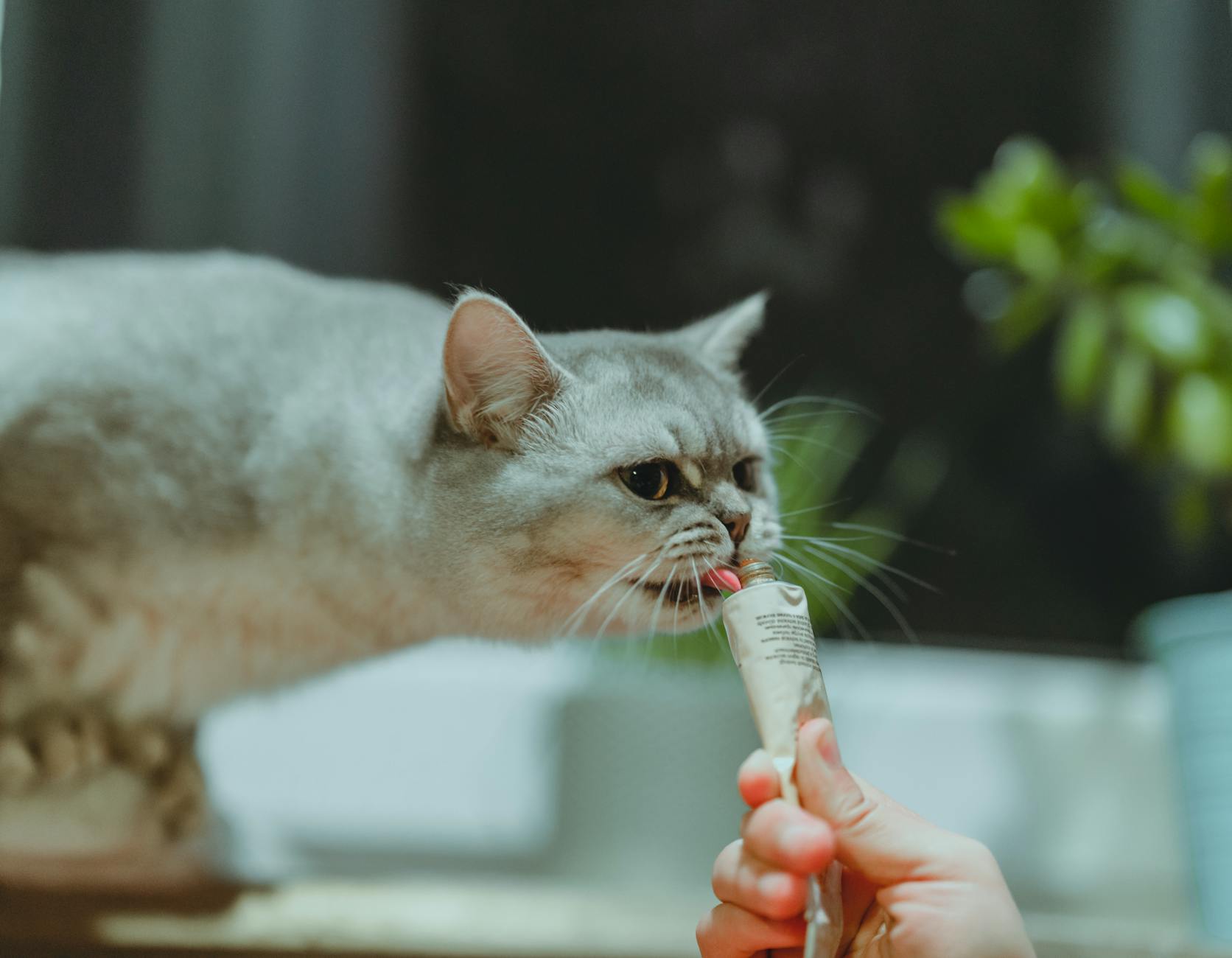
Soft cheese is generally not recommended for cats, though small amounts are unlikely to cause serious harm in most felines. The primary concern is that most adult cats are lactose intolerant, meaning they lack sufficient lactase enzyme to properly digest the lactose found in dairy products. When a cat consumes soft cheese like brie, cream cheese, or camembert, the undigested lactose can ferment in their digestive system, leading to uncomfortable symptoms including diarrhea, vomiting, bloating, and gas. For example, a cat that sneaks a tablespoon of cream cheese off a bagel might experience loose stools within 12 to 24 hours, even if they seemed eager to eat it.
The safety question becomes more nuanced when you consider that not all cats react the same way, and not all soft cheeses contain identical lactose levels. Some cats retain more lactase production into adulthood than others, and certain aged soft cheeses have lower lactose content due to the fermentation process. However, even if a cat tolerates the lactose, soft cheese presents additional concerns including high fat content, added ingredients like garlic or chives that are toxic to cats, and the potential for weight gain with regular consumption. This article explores why cats are drawn to cheese despite their inability to digest it well, which types of soft cheese pose the greatest risks, how to recognize signs of dairy intolerance, and what alternatives exist if you want to give your cat an occasional treat. Understanding the full picture helps you make informed decisions about whether that small cheese morsel is worth the potential digestive upset for your particular cat.
Table of Contents
- Why Do Cats Want to Eat Cheese If They Cannot Digest It?
- What Happens When a Lactose Intolerant Cat Eats Soft Cheese
- Which Soft Cheeses Are Most Problematic for Cats
- Signs Your Cat Has Developed a Dairy Sensitivity
- The Fat Content Problem Beyond Lactose
- Cheese-Free Alternatives That Cats Actually Enjoy
- Future Considerations for Feline Dairy Products
- Conclusion
Why Do Cats Want to Eat Cheese If They Cannot Digest It?
cats are attracted to cheese primarily because of its fat and protein content rather than any nutritional instinct telling them it’s good for them. Felines are obligate carnivores with taste receptors tuned to detect amino acids and fats, both of which are abundant in cheese. The rich, savory smell of soft cheese triggers the same hunting and eating instincts that would draw a cat to meat. Interestingly, cats cannot taste sweetness at all due to a genetic mutation, so they’re responding purely to the protein and fat signals when they show interest in dairy products. This attraction creates a misleading situation where owners assume their cat’s enthusiasm means cheese is appropriate food.
A cat begging persistently for a piece of brie doesn’t know that eating it might result in stomach cramps hours later. The comparison to humans is instructive: many people crave foods they know will cause them digestive distress, and cats lack even the cognitive ability to connect their discomfort to the food they ate earlier. The eagerness with which a cat approaches cheese says nothing about whether their body can handle it. Some cats develop a learned preference for cheese if they’ve been given it repeatedly, especially as a treat or medication delivery method. This conditioning can make the cat seem addicted to cheese when really they’ve simply learned to expect it. Breaking this habit requires consistent substitution with cat-appropriate treats that satisfy the same fat and protein cravings without the lactose burden.
What Happens When a Lactose Intolerant Cat Eats Soft Cheese
When a cat with lactose intolerance consumes soft cheese, the lactose passes undigested into the large intestine where gut bacteria ferment it. This fermentation produces gases and draws water into the intestines through osmosis, resulting in the classic symptoms of bloating, flatulence, abdominal discomfort, and diarrhea. The severity depends on how much cheese was consumed and the individual cat’s level of lactose intolerance. A single lick of cream cheese might produce no visible symptoms, while a quarter cup could trigger significant gastrointestinal distress lasting one to two days. The timeline of symptoms typically follows a predictable pattern. Within 8 to 12 hours after consumption, the cat may become less active and show decreased appetite.
Diarrhea usually appears within 12 to 24 hours and can range from slightly soft stools to watery diarrhea. Vomiting is possible but less common than with some other food intolerances. Most cats recover fully within 24 to 48 hours without intervention, though supportive care like ensuring adequate hydration may be necessary. However, if a cat has pre-existing digestive issues such as inflammatory bowel disease, even a small amount of soft cheese can trigger a more severe reaction. Similarly, kittens under one year old and senior cats over 12 may have more sensitive digestive systems that react strongly to lactose. In these populations, what might cause mild discomfort in a healthy adult cat could lead to dehydration requiring veterinary attention. Any cat experiencing bloody diarrhea, vomiting more than twice, or symptoms lasting beyond 48 hours should be seen by a veterinarian.
Which Soft Cheeses Are Most Problematic for Cats
Not all soft cheeses carry equal risks for cats. Fresh soft cheeses like ricotta, cottage cheese, and cream cheese contain the highest lactose levels because they haven’t undergone extended aging that would break down the milk sugars. Cream cheese, for instance, contains approximately 2 to 3 grams of lactose per ounce, which is enough to cause digestive upset in most lactose intolerant cats. Mascarpone falls into this high-risk category as well, with the added concern of extremely high fat content that can stress the pancreas. Aged soft cheeses like brie and camembert present a slightly different profile. The aging process allows bacteria to consume some of the lactose, reducing but not eliminating it. A wedge of well-aged brie might contain only 0.5 grams of lactose per ounce, making it marginally more tolerable. However, the difference isn’t dramatic enough to make these cheeses safe choices. Additionally, the rinds of brie and camembert can harbor molds that, while safe for humans, may cause allergic reactions or digestive upset in some cats. The most dangerous category of soft cheese for cats includes any variety with added ingredients. Soft cheeses flavored with garlic, onion, chives, or shallots pose serious health risks beyond lactose intolerance because all members of the allium family are toxic to cats. A cheese ball rolled in chives or a soft cheese spread containing garlic powder can cause oxidative damage to red blood cells, leading to anemia.
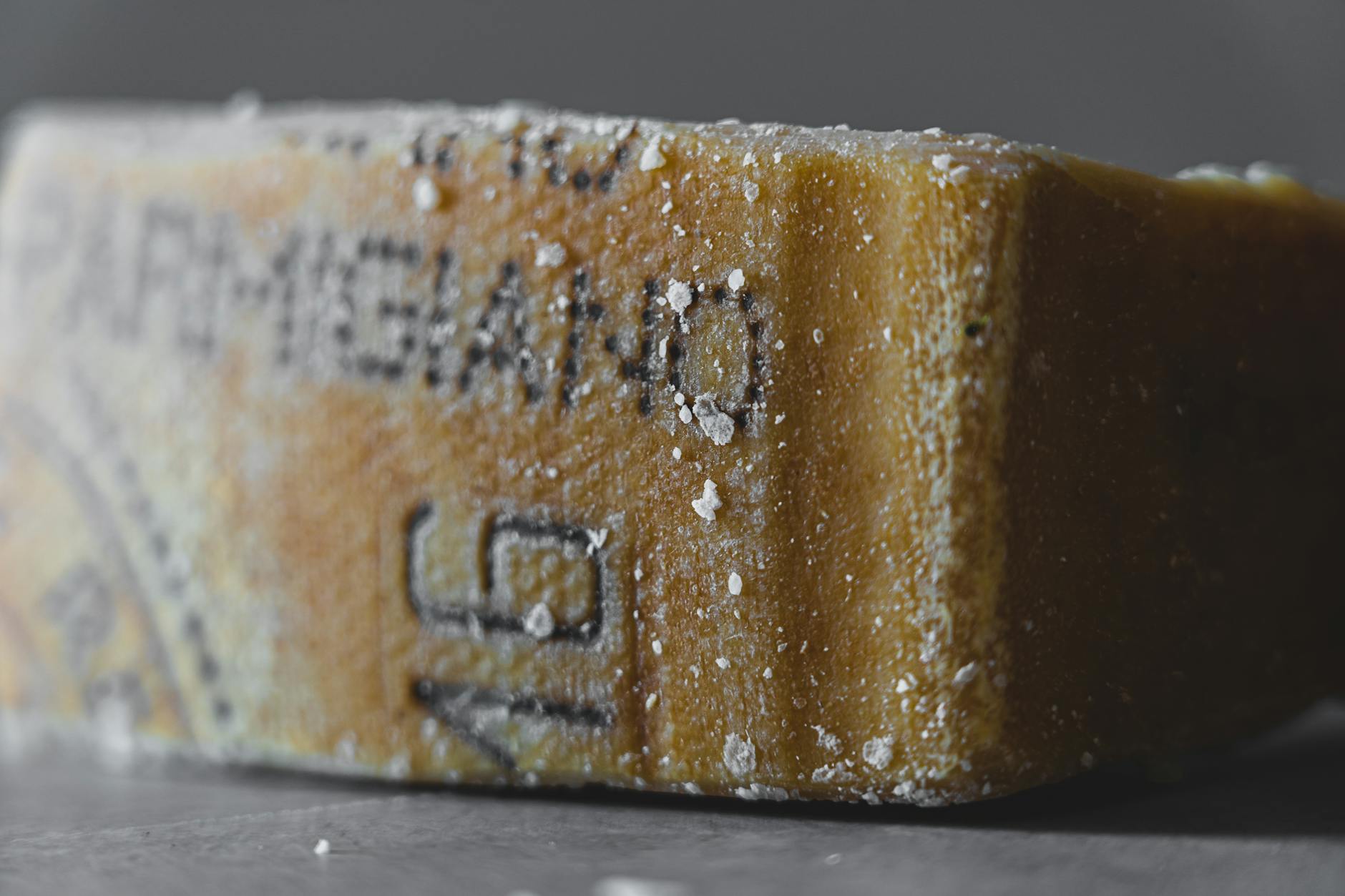
Even small amounts consumed regularly can accumulate and cause problems. Always check ingredient labels and assume any flavored soft cheese is off-limits for feline consumption. ## How to Safely Offer Cheese as an Occasional Cat Treat If you’re determined to share a cheese experience with your cat, minimizing risk requires careful portion control and selection. The safest approach is to offer a piece no larger than your fingernail, roughly the size of a small pea, and to do so no more than once every few weeks. This micro-portion allows you to gauge your individual cat’s tolerance while keeping lactose exposure low enough that even a sensitive cat is unlikely to experience significant symptoms. Start with this tiny amount and wait 24 hours to observe any digestive changes before considering future offerings. Hard, aged cheeses like parmesan and aged cheddar are better choices than soft cheeses if you want to give cheese treats. These contain significantly less lactose, often under 0.1 grams per ounce, because the extended aging process gives bacteria more time to break down milk sugars. The tradeoff is that hard cheeses have higher sodium content, which presents its own concerns for cats with kidney issues or heart conditions. A middle-ground option is plain, unflavored goat cheese, which some cats tolerate better because goat milk proteins have a different structure than cow milk proteins. The comparison between cheese and purpose-made cat treats strongly favors the commercial products. Cat treats are formulated to be palatable without the digestive risks, often contain added nutrients, and cost less per serving than quality cheese. The only practical advantage cheese offers is convenience when you need to hide medication, and even then, commercial pill pockets or meat-based wraps often work better without the lactose concern.
Signs Your Cat Has Developed a Dairy Sensitivity
Recognizing dairy sensitivity in cats can be challenging because symptoms overlap with many other conditions and may not appear immediately after consumption. The most reliable indicator is a consistent pattern of digestive upset following dairy exposure. If your cat develops soft stools or diarrhea within 24 hours of eating cheese or other dairy products on multiple occasions, dairy sensitivity is the likely culprit. Keeping a simple food diary noting what your cat ate and any subsequent symptoms helps establish this pattern definitively. Beyond obvious digestive symptoms, some cats exhibit subtler signs of dairy intolerance. Increased flatulence, stomach gurgling audible from across the room, decreased appetite the day after dairy consumption, and unusual lethargy can all indicate the digestive system is struggling.
Some cats become irritable or hide when experiencing gastrointestinal discomfort, so behavioral changes in the 12 to 36 hours after eating cheese warrant attention. One owner reported that her cat always seemed fine eating cheese but would refuse to use the litter box the next day, preferring to have accidents elsewhere, which turned out to be the cat associating the box with the painful cramping she experienced there. A limitation of home observation is distinguishing dairy sensitivity from other food intolerances or underlying health issues. Chronic digestive problems in cats can indicate inflammatory bowel disease, food allergies to proteins like chicken or fish, parasitic infections, or more serious conditions. If removing all dairy from your cat’s diet doesn’t resolve digestive symptoms within two weeks, veterinary evaluation is necessary. The vet may recommend an elimination diet or diagnostic testing to identify the true cause.
The Fat Content Problem Beyond Lactose
Even if a cat could somehow tolerate the lactose in soft cheese, the high fat content presents independent health concerns. Soft cheeses like cream cheese and mascarpone can contain 30 to 40 percent fat by weight, and this concentrated fat load can overwhelm a cat’s digestive system in ways distinct from lactose intolerance. The pancreas must produce extra enzymes to process dietary fat, and a sudden large intake can cause inflammation of the pancreas, a condition called pancreatitis. In cats, pancreatitis can become a serious, painful, and expensive condition to treat. Regular consumption of high-fat foods like soft cheese also contributes to feline obesity, which now affects an estimated 60 percent of pet cats in developed countries.
A single ounce of cream cheese contains roughly 100 calories, which represents about 10 percent of the daily caloric needs for an average 10-pound cat. Offering cheese as a regular treat can easily push a cat into caloric surplus without providing any nutritional benefit that isn’t better obtained from proper cat food. Obese cats face dramatically higher risks of diabetes, joint problems, and reduced lifespan. For example, a cat that receives a small piece of soft cheese daily as a morning ritual would consume the caloric equivalent of an extra meal every week, solely from a food that provides no essential nutrients for felines and carries multiple health risks. The owner might view it as a harmless bonding moment while inadvertently shortening their cat’s life through gradual weight gain.
Cheese-Free Alternatives That Cats Actually Enjoy
Cats seeking the rich, fatty taste of cheese can be satisfied with alternatives that don’t carry digestive risks. Small pieces of plain cooked chicken, turkey, or fish provide the protein and fat that attracts cats to cheese while being nutritionally appropriate and easily digestible. Freeze-dried meat treats have become popular precisely because they deliver intense meat flavor in a convenient form.
These options let you share a treat moment with your cat without the lactose or excessive fat concerns. Commercial cat treats have improved substantially in recent years, with many options now made from single-ingredient proteins or limited formulations. Freeze-dried chicken hearts, salmon flakes, and shrimp treats offer the same indulgent experience as sharing human food while being specifically designed for feline digestion. Some cats also enjoy small amounts of plain, cooked egg, which provides protein without the problematic components of dairy.
Future Considerations for Feline Dairy Products
The pet food industry has begun developing lactose-free cat milk products that attempt to capture the dairy experience without the digestive consequences. These products use lactase enzyme to pre-digest the lactose or are formulated from lactose-free dairy sources. While marketed as safe alternatives for dairy-loving cats, they still contribute empty calories and should be considered occasional treats rather than dietary staples.
Some veterinary nutritionists remain skeptical of their value, arguing that cats have no nutritional need for dairy in any form and that encouraging dairy consumption, even lactose-free versions, may lead owners to become cavalier about giving regular dairy products. Research into feline nutrition continues to refine our understanding of what cats can and cannot safely eat. Current evidence strongly suggests that while an occasional tiny piece of cheese won’t harm most healthy adult cats, there’s simply no good reason to make it a regular offering given the available alternatives. The safest approach remains keeping cheese out of your cat’s diet entirely and choosing treats formulated specifically for feline health.
Conclusion
Soft cheese occupies a gray zone in feline nutrition where it’s not acutely toxic but carries enough digestive and health risks that most experts advise against offering it. The lactose content causes gastrointestinal upset in the majority of adult cats, the high fat content stresses the pancreas and contributes to obesity, and flavored varieties may contain ingredients that are outright dangerous. While your cat may desperately want that piece of brie, their enthusiasm reflects their attraction to fat and protein rather than any body wisdom about what’s good for them.
If you choose to offer cheese despite these concerns, keep portions microscopic, choose aged hard cheeses over fresh soft varieties, never offer flavored cheeses, and monitor carefully for any signs of digestive distress. Better yet, redirect your cat’s treat expectations toward foods designed for feline consumption that deliver the satisfying taste experience without the accompanying health risks. Your cat’s long-term health will benefit from this dietary boundary, even if they loudly disagree in the moment.