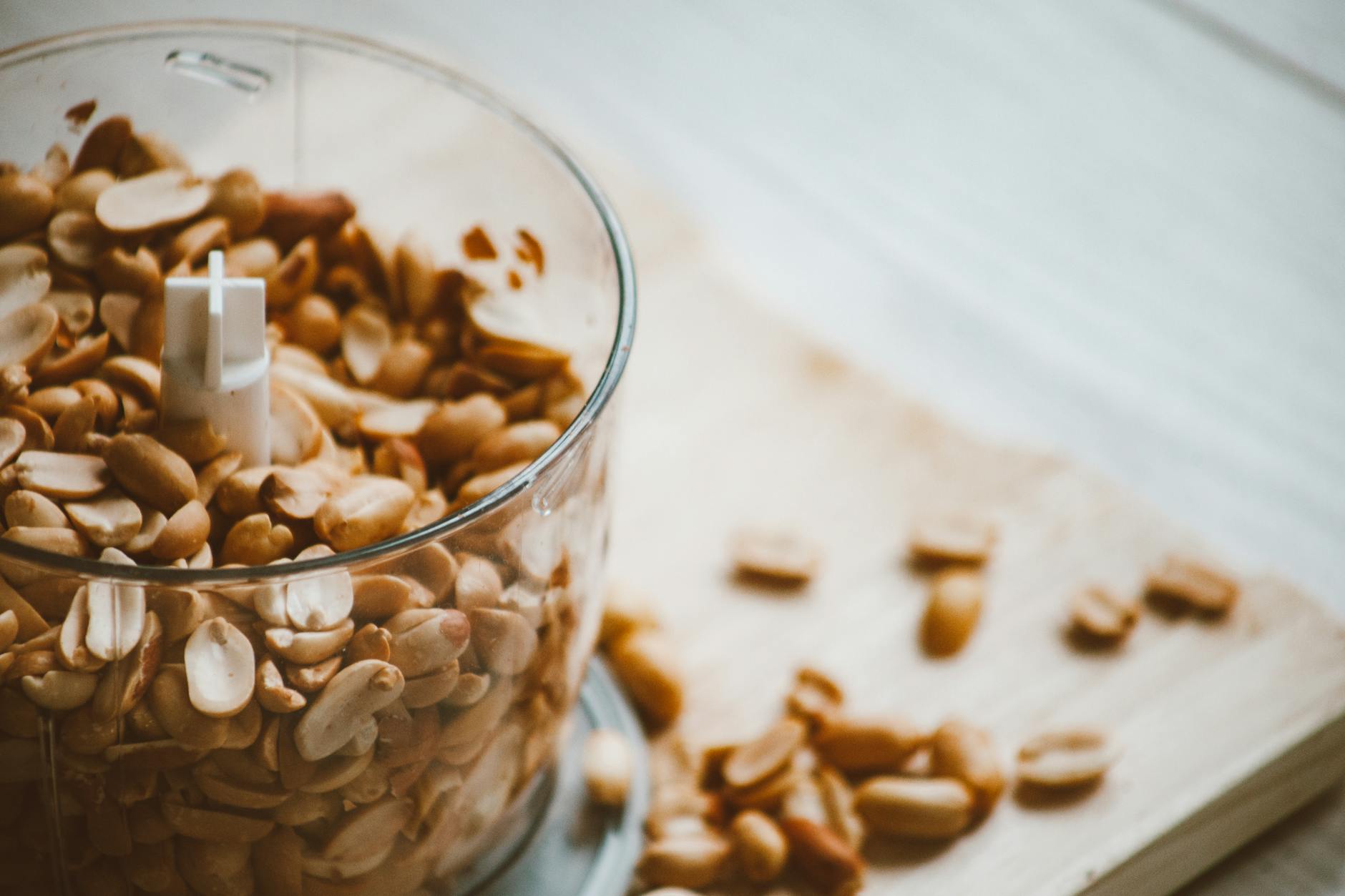
Peanut butter is generally safe for cats to eat in very small amounts, but it’s not an ideal treat and shouldn’t be a regular part of their diet. While a tiny taste of plain peanut butter won’t poison your cat, the risks and lack of nutritional benefit mean most veterinarians recommend avoiding it entirely. Cats are obligate carnivores with specific dietary needs that peanut butter doesn’t meet, and the thick, sticky texture can pose problems that many cat owners don’t consider.
The key concern isn’t toxicity but rather the mismatch between what cats need nutritionally and what peanut butter provides. If your cat has gotten into a small amount of plain peanut butter, there’s no need to panic. However, understanding the potential risks and why better options exist will help you make informed decisions about treats for your feline companion.
Table of Contents
- Why Peanut Butter Isn’t Ideal for Cats
- Choking Hazards and Digestive Concerns
- The Xylitol Danger in Many Peanut Butter Products
- Portion Control and Safe Serving Guidelines
- Identifying Allergic Reactions in Cats
- Better Treat Alternatives for Your Cat
- When to Call Your Veterinarian
- Conclusion
- Frequently Asked Questions
Why Peanut Butter Isn’t Ideal for Cats
cats lack certain taste receptors that detect sweetness, and they have no nutritional requirement for carbohydrates or plant-based proteins. A typical tablespoon of peanut butter contains about 8 grams of fat, 4 grams of protein (mostly from plants), and minimal nutrients that cats can actually utilize. For a 10-pound cat, this represents a significant portion of their daily caloric intake, yet it provides almost nothing a cat needs. Compared to a piece of cooked chicken, which delivers high-quality animal protein without unnecessary fat, peanut butter is nutritionally inefficient.
The fat content in peanut butter is another issue. While cats need fat, the high concentration in peanut butter can contribute to obesity and digestive upset, especially in indoor cats with limited activity. A cat fed regular peanut butter treats may develop pancreatitis or other fat-related health issues over time. Some cats also develop food sensitivities to legumes, and continued exposure to peanut butter could trigger problems that wouldn’t appear after a single exposure.
Choking Hazards and Digestive Concerns
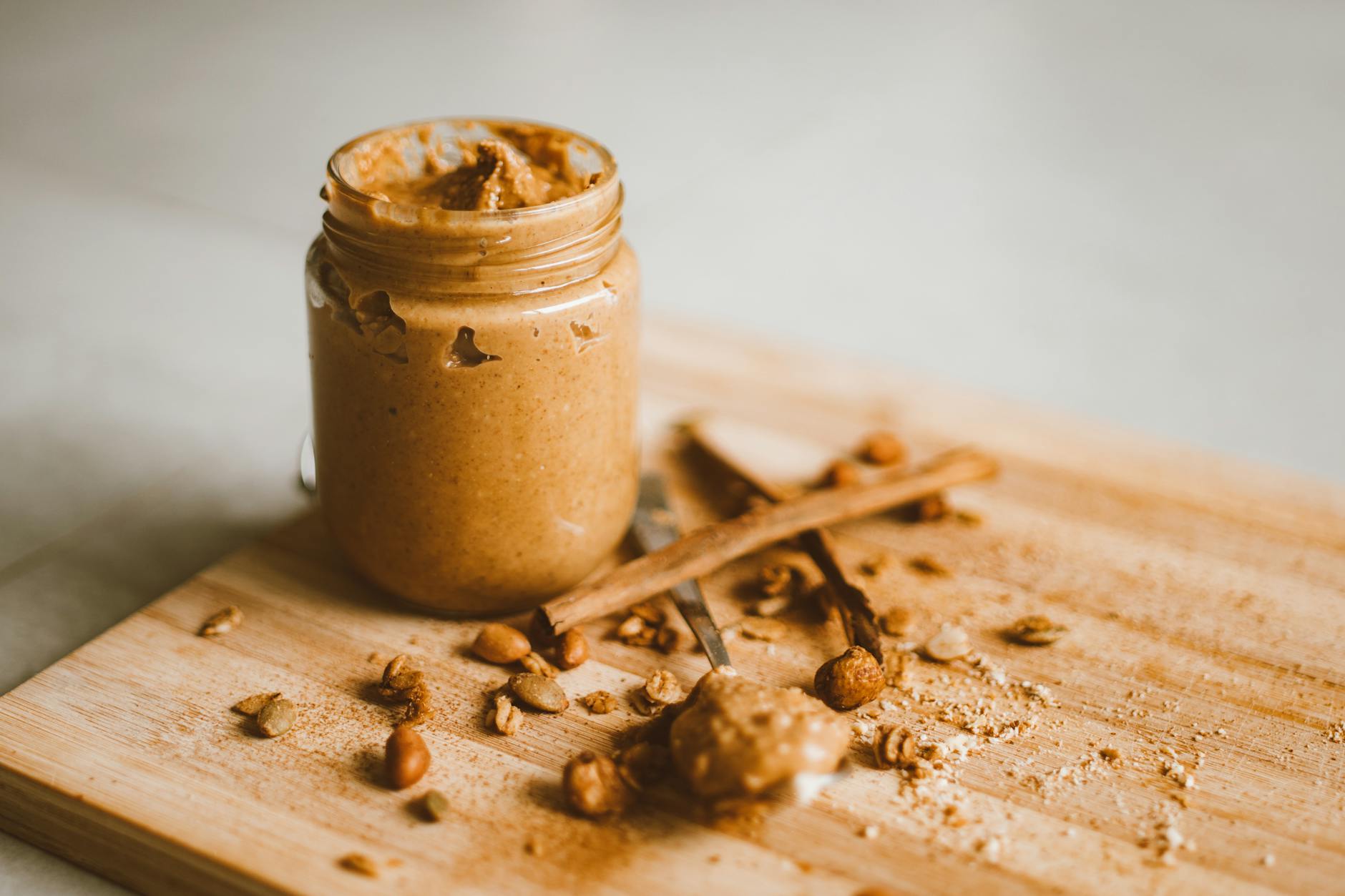
The thick, sticky texture of peanut butter creates a genuine choking risk that many pet owners underestimate. When a cat eats peanut butter, it can stick to the roof of their mouth and potentially lodge in their throat, especially if they don’t chew it properly. Unlike dogs, cats are less experienced with managing sticky foods and have a narrower airway, making choking more dangerous.
A veterinary emergency clinic might see three or four cases a year of cats struggling to clear peanut butter from their throats, leading to panic in the owner and potential intubation. If a cat does ingest peanut butter, the sticky consistency can also slow digestion and potentially cause intestinal blockages in severe cases. The digestive upset that follows—vomiting, diarrhea, or constipation—can persist for days, requiring veterinary intervention and treatment with medications or enemas. A case of a Persian cat that consumed two tablespoons of peanut butter resulted in three days of vomiting and a vet bill exceeding $1,200 in diagnostics and treatment, a far greater impact than the momentary pleasure of a new taste.
The Xylitol Danger in Many Peanut Butter Products
The most critical safety issue with peanut butter isn’t the peanut butter itself but the artificial sweetener xylitol, which is present in many “sugar-free” and “lite” peanut butter brands. Xylitol is extremely toxic to cats and dogs, causing a dangerous drop in blood sugar (hypoglycemia) and potential liver damage. Even small amounts—as little as one teaspoon in a 10-pound cat—can cause severe symptoms including vomiting, lethargy, loss of coordination, and seizures. The problem compounds because many owners don’t realize their peanut butter contains xylitol until after their cat has eaten it.
Before ever offering peanut butter to your cat, you would need to check the ingredient list carefully and verify that xylitol is absent. Regular, full-fat peanut butter from major brands typically doesn’t contain xylitol, but specialty and reduced-calorie versions often do. The burden of label-checking and the risk of accidentally selecting a dangerous product means that the safest approach is simply to avoid peanut butter altogether. A single incident of xylitol poisoning can cost $2,000 to $5,000 in emergency veterinary care and still result in permanent liver damage.
Portion Control and Safe Serving Guidelines
If you’ve decided to offer peanut butter to your cat despite these concerns, strict portion control is essential. The safe amount is infinitesimal—no more than a lick or a dab the size of a pea for a typical adult cat, and nothing at all for kittens or senior cats with health issues. Even this tiny amount should be a rare event, not a regular treat.
To put this in perspective, one teaspoon of peanut butter represents 90-100 calories for a cat that may consume only 150-200 calories per day, making it roughly equivalent to a human eating a 500-calorie snack bar as a single bite of food. The ideal serving method would be to place a microscopic amount on your finger and let your cat lick it, so you maintain complete control of quantity. Never leave a jar of peanut butter accessible to your cat, never use it as a pill pocket (use a proper pill pocket designed for cats), and never assume that because a small amount was okay once, larger amounts or frequent offerings would be fine. Some cats become obsessed with the taste and will beg persistently, creating management challenges that make it easier to simply avoid the situation entirely.
Identifying Allergic Reactions in Cats
Although peanut allergies in cats are less common than in dogs, they do occur. A cat with a peanut sensitivity might develop itching, vomiting, diarrhea, or respiratory symptoms within hours or days of eating peanut butter. More severe allergic reactions can include facial swelling, difficulty breathing, or anaphylaxis, though these are rare. The challenge is that you won’t know whether your individual cat has a peanut sensitivity until they’ve eaten peanut butter, at which point a reaction could range from mild digestive upset to a veterinary emergency.
If your cat has never had peanut butter and you want to introduce it for experimental reasons, do so in the morning when veterinary clinics are open, with only a minuscule amount, and watch carefully for the next 24 hours. Signs of concern include excessive drooling, vomiting, diarrhea, loss of appetite, lethargy, or any change in behavior. If any of these occur, contact your veterinarian immediately. A safer approach is to simply skip the experiment and use treats that provide nutritional value without the risk profile.
Better Treat Alternatives for Your Cat
High-quality alternatives that are nutritionally appropriate for cats include small pieces of cooked chicken breast, turkey, or salmon. These provide real animal protein without excessive fat, match what cats’ bodies are designed to process, and pose no choking or toxicity risk. A thumbnail-sized piece of cooked chicken breast offers far more nutritional value than peanut butter and actually contributes to your cat’s daily protein needs. Commercial cat treats formulated specifically for felines are another option, though you should still read labels carefully and limit treats to less than 10% of daily calories.
Freeze-dried meat treats are excellent because they’re pure protein with no additives, artificial sweeteners, or plant-based fillers. For cats that enjoy a bit of crunch, a small piece of cooked egg white provides protein without the digestive burden of peanut butter. Even a lick of plain, unsalted bone broth can be a satisfying treat that aligns with feline nutritional needs. The key is choosing treats that either provide genuine nutrition or at minimum do no harm, rather than foods that offer only calories and potential risks.
When to Call Your Veterinarian
If your cat has ingested peanut butter and you’re uncertain whether it contained xylitol, contact your veterinarian immediately. Don’t wait to see if symptoms develop; xylitol poisoning works quickly and earlier intervention dramatically improves outcomes. If your cat is showing any of the following signs after eating peanut butter, seek veterinary care: repeated vomiting, loss of appetite, lethargy, diarrhea lasting more than a few hours, difficulty swallowing, drooling, or any behavior changes.
For future reference, keep peanut butter and all other human foods stored securely away from your cat. If your cat has a history of food sensitivities, allergies, or gastrointestinal issues, avoid peanut butter entirely and stick with plain, species-appropriate treats. Your veterinarian can recommend specific treat options that align with your individual cat’s health needs and dietary restrictions.
Conclusion
Peanut butter is technically safe for cats in microscopic quantities, but the risks and lack of nutritional benefit make it an unnecessary treat to offer. The potential for choking, digestive upset, xylitol poisoning, and allergic reactions far outweighs the momentary appeal. If your cat has accidentally consumed a small amount of plain peanut butter, they’ll almost certainly be fine, but there’s no reason to make it a habit or intentional part of their diet.
The best approach to cat nutrition is to focus on high-quality cat food formulated to meet their specific needs and reserve treats for options that either provide genuine nutrition or pose no risk. Your cat doesn’t need peanut butter to be healthy or happy, and countless better alternatives exist that will give your feline companion the same satisfaction without the concerns. When in doubt about any food your cat has eaten, contact your veterinarian—it’s always better to ask than to risk a preventable emergency.
Frequently Asked Questions
Can cats eat peanut butter if they’re underweight?
Even underweight cats shouldn’t eat peanut butter as a calorie source. The fat and plant-based composition make it unsuitable for weight gain, and there are better ways to add calories to a cat’s diet. Work with your veterinarian to identify high-quality, species-appropriate options if your cat needs additional nutrition.
Is creamy peanut butter safer than chunky for cats?
Chunky peanut butter with whole peanuts actually poses a greater choking risk, but creamy peanut butter still carries the texture hazard and all other risks discussed. Neither type is recommended for cats, as safety and nutritional issues apply equally to both.
What if my cat licks a tiny bit off my sandwich?
A single, accidental lick of plain peanut butter from a sandwich is extremely unlikely to cause harm. Monitor your cat for a few hours to ensure no immediate reactions, but one incidental exposure is very different from intentional repeated offerings.
How can I tell if peanut butter has xylitol?
Check the ingredient list on the label; xylitol will be listed explicitly. If the label isn’t clear or the product was made years ago and the original label is missing, assume it may contain xylitol and keep it away from your cat. Many generic and store brands don’t use xylitol, but specialty and “lite” versions frequently do.
Is natural peanut butter safer than processed brands?
Natural peanut butter that contains only peanuts and salt is less likely to contain xylitol than processed brands with additives, but it still carries all other risks—choking, digestive upset, and nutritional mismatch. The absence of xylitol doesn’t make it appropriate for cats.
Can kittens or senior cats safely eat peanut butter?
No. Kittens have even narrower airways and less developed digestion, making choking and digestive complications more likely. Senior cats often have compromised digestive systems, kidney function, or dental issues that make peanut butter particularly problematic. Both age groups should avoid it entirely.