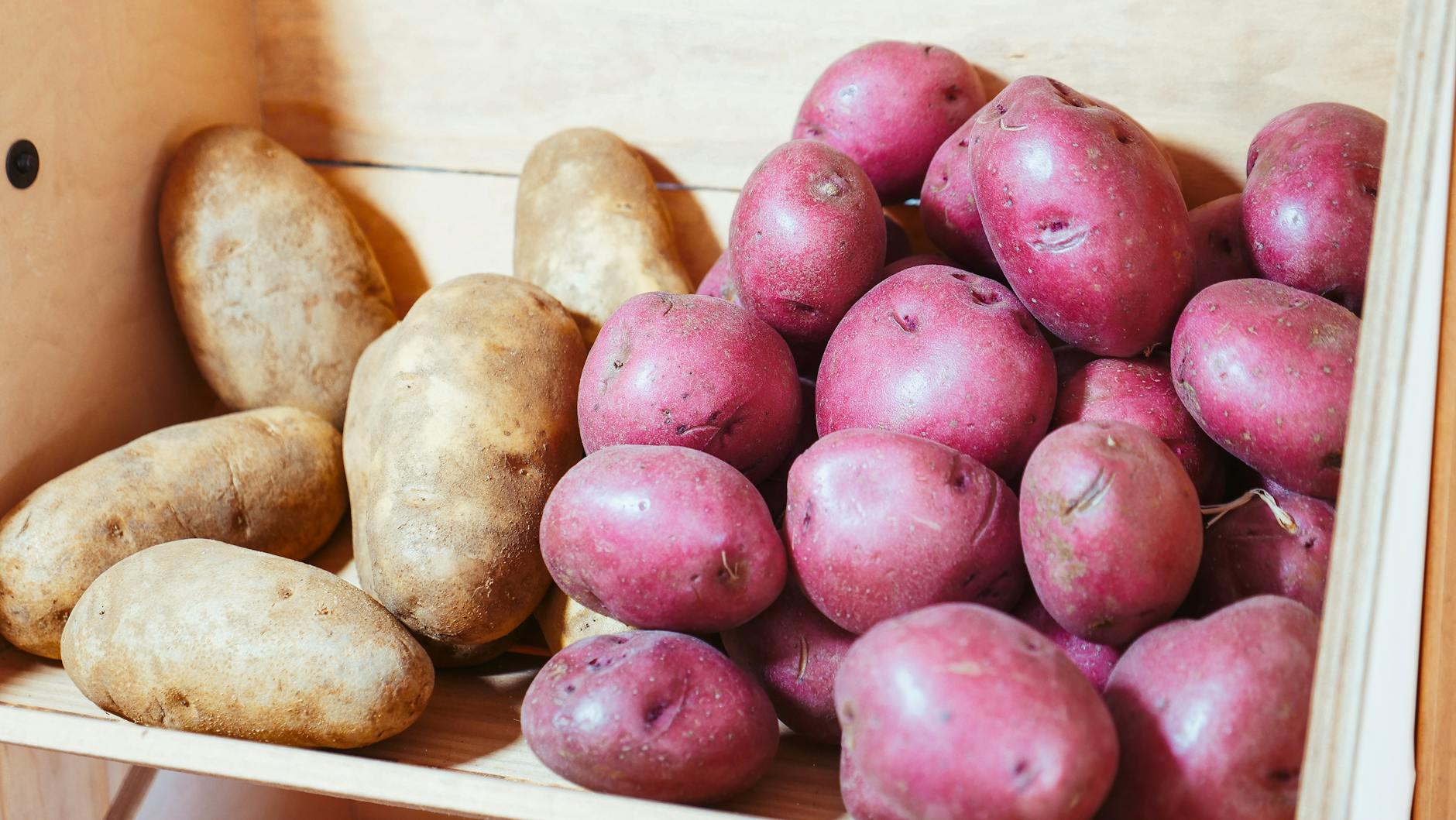
Yes, cooked potatoes are generally safe for cats in small amounts, but they offer no nutritional benefit and should never become a regular part of their diet. Plain, boiled or baked potatoes without seasoning, butter, or oils pose minimal immediate risk, though some cats may experience digestive upset from the starch content.
However, raw potatoes are toxic to cats and should always be avoided—they contain solanine, a compound that can cause gastrointestinal distress and neurological issues, similar to how tomato plants affect feline health. Most cats have no biological need for potatoes since they are obligate carnivores whose digestive systems are designed to process meat and animal-based proteins. If your cat happens to nibble a small piece of cooked potato that falls on the kitchen floor, there’s no cause for alarm, but intentionally feeding potatoes to your cat serves no purpose and can encourage unhealthy eating habits.
Table of Contents
- Are Raw Potatoes Toxic to Cats?
- The Issue With Cooked Potatoes and Digestive Health
- Nutritional Value and Why Cats Don’t Need Potatoes
- Safe Preparation If You Choose to Offer Cooked Potatoes
- Warning Signs of Potato Toxicity or Digestive Issues
- Potato Alternatives That Are Safer for Cats
- The Bottom Line on Cats and Potatoes
- Conclusion
- Frequently Asked Questions
Are Raw Potatoes Toxic to Cats?
Raw potatoes contain solanine, an alkaloid compound that acts as a natural pesticide in the plant. When cats consume raw potatoes, this toxin can cause vomiting, diarrhea, lethargy, and in severe cases, tremors or neurological effects. The solanine concentration is highest in raw potatoes, particularly in green-tinged areas where the potato has been exposed to light. Unlike humans, cats lack certain enzymes that help break down and neutralize this compound, making them more vulnerable to its effects.
The danger from raw potatoes is genuine and why veterinarians consistently warn against them. A cat eating a small piece of raw potato may show mild symptoms or none at all, but consuming larger quantities or repeated exposure increases the risk of poisoning. Green potatoes—which have higher solanine levels—are especially dangerous. This is why potato plants themselves should never be accessible to indoor or outdoor cats, as they may nibble the leaves or tubers if they can access a garden.
The Issue With Cooked Potatoes and Digestive Health
Cooking significantly reduces solanine levels, making cooked potatoes much safer than their raw counterparts. However, cooked potatoes are high in starch and carbohydrates, which cats are not evolutionarily designed to digest efficiently. While a small amount of cooked potato won’t cause poisoning, it can contribute to digestive upset, constipation, or loose stools in sensitive cats. The starch in potatoes offers virtually no nutritional value to felines, unlike in dogs or humans where some starch can be metabolized for energy.
One important limitation is that even plain cooked potatoes can cause bloating or gas in some cats. Additionally, the moisture content and texture of cooked potatoes can sometimes pose a choking hazard for cats who don’t chew thoroughly before swallowing. This is particularly concerning with elderly cats or those with pre-existing dental issues. If a cat eats a large piece of cooked potato too quickly, it could theoretically cause intestinal blockage, though this is rare.
Nutritional Value and Why Cats Don’t Need Potatoes
Cats are obligate carnivores, meaning their bodies require nutrients found primarily in meat. While potatoes contain some vitamin B6, potassium, and manganese, these nutrients are abundantly available in proper feline diets and serve no purpose when sourced from potatoes.
In fact, adding high-starch foods like potatoes can actually contribute to obesity in indoor cats, as the carbohydrates are converted to energy that many sedentary house cats don’t expend, leading to unwanted weight gain. By comparison, a small piece of cooked chicken breast would provide far more nutritional benefit to a cat than the same amount of potato. Quality commercial cat foods are formulated to meet all of a cat’s nutritional needs without any supplemental human foods, making potatoes redundant and potentially counterproductive to maintaining a healthy diet.
Safe Preparation If You Choose to Offer Cooked Potatoes
If you’ve already given your cat cooked potato and want to know the proper way to prepare it in the future, the safest method is to boil or bake plain potatoes without any added seasonings, salt, butter, garlic, or onions. Never offer potato chips, french fries, mashed potatoes with butter and cream, or any seasoned varieties—salt, garlic, and onions are all toxic to cats. The potato should be plain, fully cooked, cooled, and cut into very small pieces to reduce choking risk.
The ideal approach is to offer only a tiny amount—no more than a taste—and only on very rare occasions. Monitor your cat for any signs of digestive upset, including vomiting, diarrhea, or loss of appetite. Many veterinarians recommend avoiding potatoes altogether rather than testing your cat’s tolerance, as there are zero health benefits to weigh against the potential risks. If your cat has a sensitive digestive system, chronic pancreatitis, or diabetes, potatoes are even more inadvisable due to their high carbohydrate content.
Warning Signs of Potato Toxicity or Digestive Issues
If your cat has consumed raw potato or appears to be experiencing symptoms after eating cooked potato, watch for vomiting, diarrhea, lethargy, tremors, weakness, or behavioral changes. These signs typically appear within a few hours of consumption. In the case of raw potato with high solanine content, neurological symptoms like confusion or lack of coordination can occur, though these are less common than gastrointestinal signs.
A critical warning: if your cat ate a significant amount of raw potato or shows any of the above symptoms, contact your veterinarian immediately rather than waiting to see if symptoms resolve on their own. Never induce vomiting unless specifically instructed by a vet, as this can sometimes cause additional harm. The risk of severe toxicity is relatively low with small exposures, but prevention is always better than treatment, which is why keeping potatoes away from cats entirely is the simplest approach.
Potato Alternatives That Are Safer for Cats
If you’re looking for occasional treats to offer your cat, there are much better options than potatoes. Small pieces of cooked chicken, turkey, or fish provide actual nutritional value and align with a cat’s natural dietary needs. Freeze-dried or cooked pumpkin (not pumpkin pie filling) can be beneficial for digestive health.
Some commercial cat treats are formulated specifically for feline nutritional requirements and are far superior to random human foods. Plain cooked carrots in very small amounts are safer than potatoes and at least provide some dietary fiber. The key is choosing treats that complement rather than compete with a cat’s primary diet, and that don’t introduce unnecessary carbohydrates or digestive challenges.
The Bottom Line on Cats and Potatoes
The consensus among veterinarians is clear: potatoes have no place in a cat’s diet, whether raw or cooked. While cooked plain potatoes are unlikely to cause serious harm in tiny quantities, the same cannot be said for raw potatoes, which contain genuine toxins.
Since cats have no nutritional requirement for potatoes and no health benefit to gain from them, the risk-benefit analysis doesn’t support including them in feeding practices. As pet nutrition evolves and more research demonstrates the importance of species-appropriate diets, moving away from feeding cats human foods—particularly carbohydrate-heavy options like potatoes—becomes increasingly important for maintaining feline health and longevity.
Conclusion
Cooked potatoes are safe for cats in very small amounts, but raw potatoes are toxic due to solanine content and should never be given. Since potatoes provide no nutritional benefit to obligate carnivores and can contribute to digestive issues and weight gain, the safest practice is to avoid them entirely.
There are much better treat options available that actually support feline health. The best approach is to keep potatoes and potato plants away from your cats and focus on feline-appropriate nutrition through high-quality cat food and occasional treats designed for their species-specific needs. If your cat has already consumed potatoes and is showing signs of illness, contact your veterinarian promptly.
Frequently Asked Questions
Can cats eat sweet potatoes?
Sweet potatoes are slightly safer than regular potatoes but still offer no nutritional benefit for cats. They’re similarly high in starch and carbohydrates and should be avoided. A tiny taste of plain, cooked sweet potato is unlikely to cause harm, but there’s no reason to offer them.
What if my cat ate a raw potato?
If your cat ate only a small piece, monitor closely for vomiting, diarrhea, lethargy, or tremors over the next 12 hours. Contact your vet if any symptoms develop or if your cat consumed a large amount. Have information ready about how much was eaten and when.
Are potato skins safe for cats?
No. Potato skins, especially from raw potatoes, contain higher concentrations of solanine than the flesh. Green-tinged potato skins are particularly dangerous. Always keep all parts of raw potatoes away from cats.
Can I give my cat mashed potatoes?
Plain mashed potatoes without butter, cream, salt, or seasonings are technically no more toxic than plain boiled potatoes, but they’re still not recommended. The added fats in typical mashed potato recipes make them even less suitable for cats.
Why do some cat owners give their cats potatoes?
Some owners may do this out of habit or the misconception that human foods are universally safe for pets. Others might offer potatoes as a filler food, though this can lead to nutritional imbalances and weight problems in cats.
What should I do if my cat regularly gets into cooked potatoes?
Store all potatoes and cooked potato dishes securely where your cat cannot access them. If your cat is persistently seeking potatoes, consult your vet to rule out any underlying medical issues affecting appetite or behavior.