
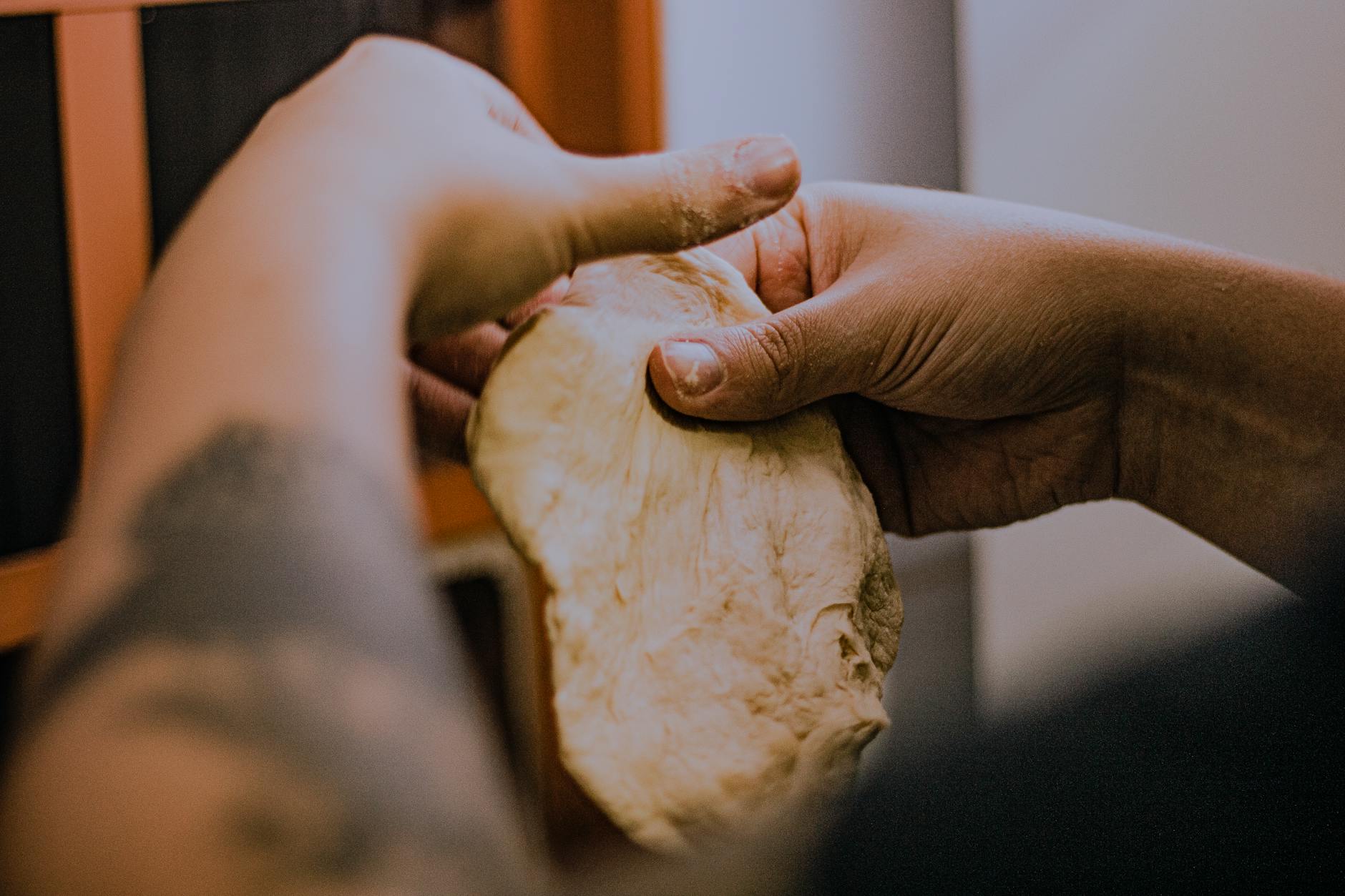
Yes, yeast can be dangerous for cats, particularly when it comes to raw yeast dough and active yeast cultures. The main risk involves raw dough containing active yeast, which ferments in your cat’s warm stomach and produces carbon dioxide and ethanol—both toxic to felines. A cat that ingests even a small amount of rising dough can experience severe bloating (gastric dilatation), abdominal pain, and ethanol toxicity, which affects the nervous system and liver.
For example, a cat that eats pizza dough left on a counter may seem fine initially, but within 1-2 hours can show signs of distress including vomiting, lethargy, and difficulty breathing as the dough expands in the digestive tract. Beyond dietary yeast, cats are also susceptible to yeast infections caused by fungal organisms like Malassezia, which affect the skin and ears. This article covers the specific dangers of yeast exposure, how to identify poisoning symptoms, when yeast infections occur, prevention strategies, and what to do if your cat has eaten yeast-containing products.
Table of Contents
- How Active Yeast Harms Cats’ Digestive Systems
- Recognizing Yeast Poisoning Symptoms and Timeline
- Yeast Infections in Cats’ Skin and Ears
- How to Prevent Yeast Dough Accidents in Your Home
- Emergency Response and Veterinary Treatment for Yeast Ingestion
- Yeast in Commercial Cat Foods and Supplements
- When to Consult Your Vet About Yeast-Related Concerns
- Conclusion
- Frequently Asked Questions
How Active Yeast Harms Cats’ Digestive Systems
Active yeast (the kind used in bread-making) poses an immediate physiological threat when ingested by cats. Once yeast enters the stomach, the warm environment activates fermentation, producing two byproducts: carbon dioxide gas and ethanol (alcohol). The carbon dioxide rapidly inflates the stomach, causing gastric dilatation, which is painful and can progress to a life-threatening condition called gastric dilatation-volvulus (bloat) if the stomach twists. Meanwhile, the ethanol is absorbed through the stomach lining into the bloodstream, causing alcohol intoxication in an animal with minimal tolerance. A 5-pound cat may experience noticeable intoxication from just one tablespoon of raw dough, whereas a human would need much more to feel effects.
The danger escalates quickly because fermentation happens inside the closed digestive system—the gas and alcohol production cannot be easily expelled, and the expanding dough mechanically stretches the stomach wall. The severity depends on the amount ingested and the yeast concentration. A few crumbs of regular bread rarely cause serious harm because the yeast is already inactive (killed during baking). However, pizza dough, focaccia dough, sourdough starter, or any dough actively rising is extremely dangerous. One incident involved a cat that consumed about 2 ounces of pizza dough and within 90 minutes showed severe abdominal distension, respiratory distress, and altered consciousness—requiring emergency surgery to remove the expanded dough mass and manage acute gastric dilatation.
Recognizing Yeast Poisoning Symptoms and Timeline
If your cat has eaten raw yeast dough, symptoms typically appear within 30 minutes to 2 hours, though some signs develop gradually. Early indicators include restlessness, panting, excessive drooling, and repeated attempts to vomit without producing anything. As the condition progresses, the abdomen becomes visibly swollen or hard to the touch, the cat may adopt a hunched posture, and breathing becomes shallow or labored. In advanced cases, cats show signs of neurological involvement from ethanol toxicity: disorientation, loss of coordination, weakness, tremors, or complete lethargy.
One critical limitation is that some cats hide symptoms initially, so a cat that seems only mildly uncomfortable may actually be in serious distress—internal bloating can be deceptive because external appearance lags behind internal changes. Ethanol toxicity specifically affects cats’ nervous systems at very low concentrations because they lack certain liver enzymes that help humans metabolize alcohol. This means a dose that would be manageable for a dog or human can be dangerous for a cat. If your cat shows any combination of abdominal swelling, respiratory distress, drooling, vomiting attempts, or unusual behavior after potential yeast dough exposure, this is a veterinary emergency—do not wait to see if symptoms worsen. Blood alcohol levels can rise quickly, and gastric dilatation can compromise blood flow to the stomach wall within hours.
Yeast Infections in Cats’ Skin and Ears
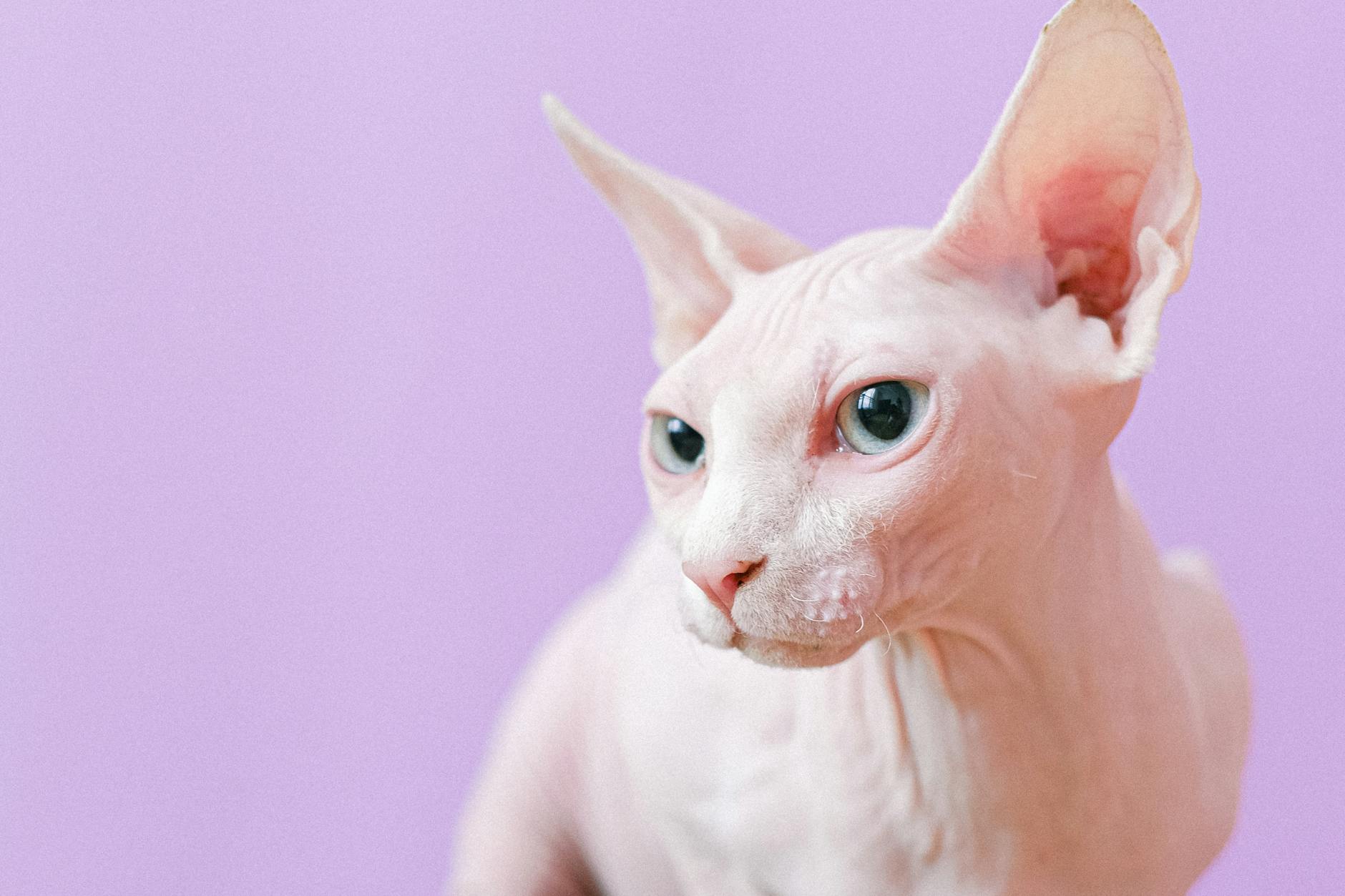
Beyond dietary yeast dangers, cats commonly develop yeast infections caused by Malassezia pachydermatis, a naturally occurring fungus that becomes problematic when skin barriers are compromised or immune function weakens. Yeast dermatitis typically appears as red, itchy patches, often with a distinctive smell described as “corn chip-like” or musty. Cats with yeast infections on the skin frequently overgroom the affected areas, creating secondary hair loss and raw spots. The ears are another common site—yeast ear infections cause brownish waxy discharge, odor, and head-shaking or ear scratching behavior.
For example, a cat with allergies or diabetes may develop yeast infections as a secondary condition; the primary illness compromises the skin microbiome, allowing yeast to overgrow. Cats with diabetes, hyperthyroidism, or allergic skin disease face higher risk for recurring yeast infections because these conditions alter immune function and skin pH. However, if X is a localized infection then Y is more manageable than systemic issues: a yeast ear infection in one ear can sometimes be treated with topical medication, whereas cats with widespread dermatitis may need systemic antifungal treatment and investigation of underlying causes. Yeast infections are rarely life-threatening but cause significant discomfort and can become chronic without addressing the root cause (like poor diet, uncontrolled allergies, or immune suppression).
How to Prevent Yeast Dough Accidents in Your Home
The most straightforward prevention method is strict food storage and kitchen awareness. Keep all yeast-containing products—fresh dough, dough rising in bowls, bread machine dough, and commercial yeast—stored in cabinets or the refrigerator where cats cannot access them. Many bakers leave dough on counters to rise, creating a temptation for curious cats; instead, use a closed oven (turned off) or a microwave to contain rising dough safely. When baking, never leave raw dough unattended on work surfaces, and clean up flour and dough scraps immediately.
Compost bins are another overlooked hazard—if you discard dough scraps in a compost bin accessible to your cat, it creates an invisible danger. A practical tradeoff exists between convenience and safety: storing ingredients in high, hard-to-access places is inconvenient but eliminates the risk. Alternatively, if you use commercial bread machines or regularly make fresh dough, consider keeping your cat in a separate room during preparation and rising periods. Educate family members and guests about the danger—many people don’t realize that yeast dough is toxic to cats, so a visiting guest may not think twice about leaving pizza dough on the counter. For cats with food-seeking behavior or a history of eating non-food items, you may need to restrict kitchen access entirely during cooking and baking.
Emergency Response and Veterinary Treatment for Yeast Ingestion
If you discover or suspect your cat has eaten raw yeast dough, do not induce vomiting at home—the expanding dough and ethanol present specific challenges that require professional evaluation. Contact your veterinarian or emergency vet clinic immediately and inform them of the quantity eaten, the type of dough, and the time of ingestion. Veterinarians typically proceed with gastric lavage (stomach pumping) if the dough is caught very early, though in cases of severe bloating or suspected gastric dilatation-volvulus, surgical intervention may be necessary. Treatment also includes IV fluids to manage ethanol toxicity, anti-nausea medications, and monitoring for complications like aspiration pneumonia (if vomiting and inhaling occurred).
The critical limitation is that delayed care significantly worsens outcomes. A cat brought to the vet within 1-2 hours of ingestion has a much better prognosis than one brought in 4+ hours later, when the dough has fermented extensively and gastric damage may have begun. There is no home remedy or antidote for ethanol toxicity—treatment is supportive care and time while the liver metabolizes the alcohol. Recovery after emergency treatment typically takes 24-48 hours, with monitoring for secondary complications. Emergency veterinary care for this condition is expensive ($2,000-$5,000 depending on whether surgery is needed), which underscores the importance of prevention.
Yeast in Commercial Cat Foods and Supplements
Some cat foods and supplements contain yeast or yeast by-products (yeast extract, brewers yeast) as flavor enhancers or nutritional supplements. These ingredients are chemically dead yeast and do not pose the fermentation danger of active yeast dough. However, some cats develop sensitivity or allergic reactions to yeast in food, leading to itching, skin problems, or ear infections.
A cat with a history of yeast infections may benefit from avoiding yeast-containing foods and supplements, as they may exacerbate the condition. If your cat’s yeast infections are recurrent or difficult to treat, discuss ingredient lists with your veterinarian; switching to yeast-free diets sometimes helps resolve chronic dermatitis. It’s worth noting that brewers yeast supplements are sometimes marketed to help with flea prevention, but the evidence is weak, and a cat with yeast sensitivity will not tolerate such supplements.
When to Consult Your Vet About Yeast-Related Concerns
If your cat experiences recurrent yeast infections (more than once or twice per year), a veterinary workup is warranted to identify underlying causes. Conditions like diabetes, allergies, or thyroid disease often manifest as yeast infections before other obvious symptoms appear, so addressing yeast infection recurrence can sometimes lead to earlier diagnosis of a serious condition. Your vet can perform skin cytology or culture to confirm yeast as the problem, recommend appropriate treatment, and investigate what’s driving the yeast overgrowth.
Looking forward, advances in feline microbiome research are shedding light on how diet, probiotics, and skin barrier health influence susceptibility to yeast infections. Some veterinarians now recommend targeted prebiotics or specific probiotic strains for cats with recurrent yeast issues, though the evidence base is still developing. The key takeaway is that while yeast in foods or supplements is generally safe, and occasional yeast infections are manageable, a pattern of recurrent yeast problems warrants professional investigation rather than home treatment.
Conclusion
Yeast presents two distinct dangers to cats: acute toxicity from raw, active yeast dough (which ferments in the stomach, producing gas and ethanol) and chronic susceptibility to fungal yeast infections, especially in cats with underlying health conditions. The dietary yeast danger is preventable through careful kitchen management and storage, but requires immediate emergency treatment if ingestion occurs. Yeast infections, while not life-threatening, cause discomfort and often signal underlying issues that deserve veterinary attention.
Understanding these risks allows you to protect your cat from accidental poisoning and recognize when yeast-related skin or ear problems need professional care. Your best approach is to keep all raw dough and yeast products completely out of reach, educate your household about the danger, and maintain regular veterinary checkups to catch yeast infections early. If your cat has a history of recurrent yeast infections, work with your veterinarian to identify and address the root cause—whether allergies, hormonal imbalance, or diet—so you can stop treating the symptom and solve the underlying problem.
Frequently Asked Questions
Is bread safe for cats to eat?
Fully baked bread is safe in small amounts because baking kills the yeast and the fermentation process is complete. However, bread offers no nutritional benefit to cats and should not be a regular treat. Only raw dough is the serious concern.
What about nutritional yeast or yeast extract in cat food?
These are dead yeast and do not ferment or produce ethanol. They’re safe for most cats, though cats with yeast sensitivities or recurrent yeast infections may have problems with foods containing yeast ingredients and should consider avoiding them.
How quickly does yeast dough expand in a cat’s stomach?
Fermentation begins within minutes and causes noticeable gastric distension within 30 minutes to 2 hours. The speed depends on stomach temperature, the amount of yeast, and the dough temperature—a cat eating warm dough experiences faster fermentation than one eating cold dough.
Can I treat a yeast skin infection at home?
Minor yeast infections sometimes improve with thorough ear cleaning or antifungal sprays, but if the infection doesn’t resolve within a week or recurs frequently, veterinary care is essential. Many yeast infections indicate an underlying condition that requires professional diagnosis.
Is ethanol poisoning from yeast dough different from alcohol poisoning?
The mechanism is identical—ethanol entering the bloodstream causes intoxication and can damage the liver and nervous system. Cats are more susceptible because they lack certain detoxifying enzymes and have less body mass to dilute the alcohol.
What’s the difference between yeast in dough versus yeast in supplements?
Dough yeast is alive and active, capable of fermentation. Supplement yeast is dead and cannot ferment, so it poses no gas or ethanol risk—only potential allergic reactions in sensitive cats.