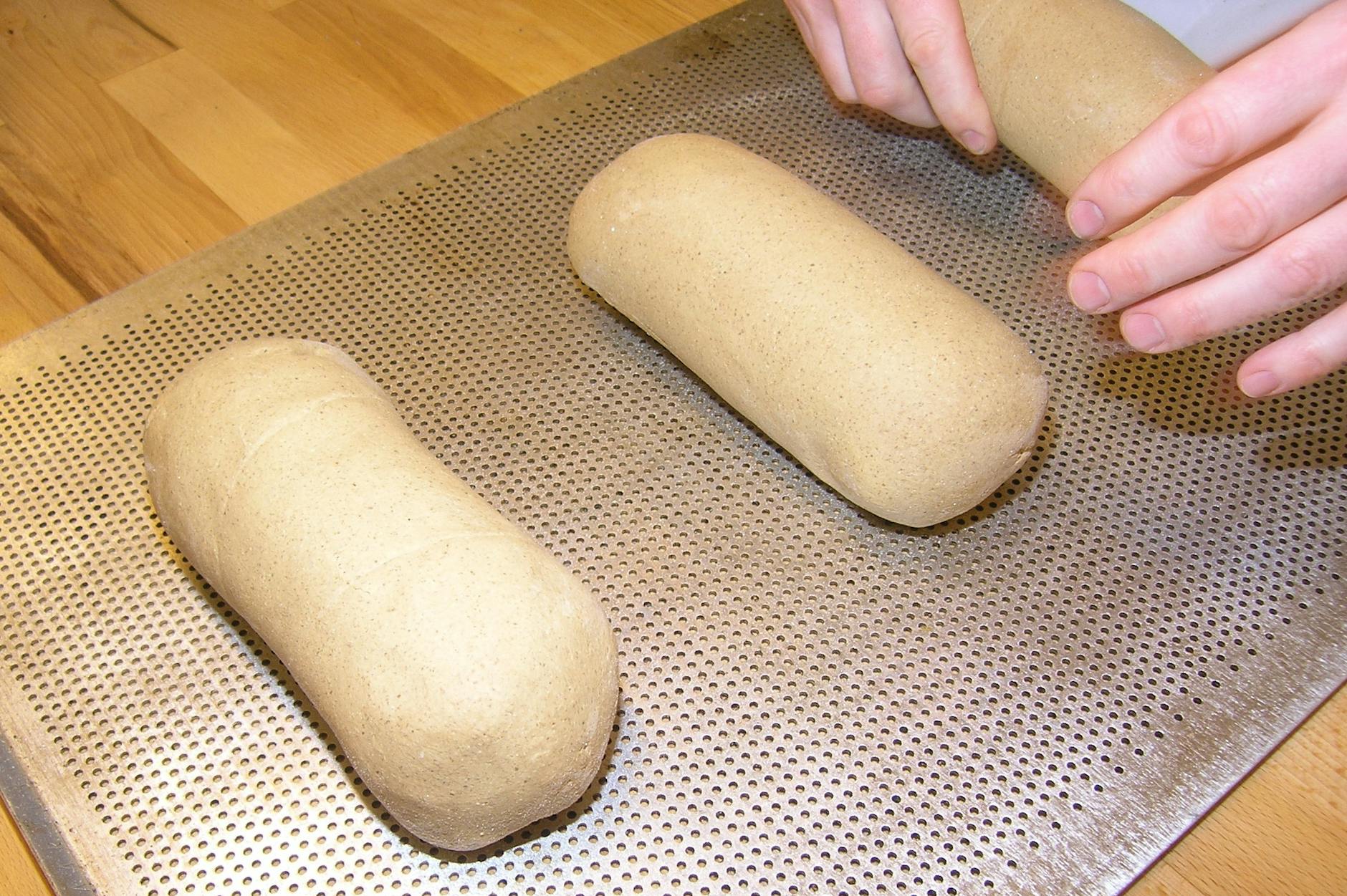
No, cats cannot safely eat bread dough under any circumstances. Raw bread dough poses serious health risks to cats due to active yeast and the dough’s expansion as it rises in the digestive system.
If your cat ate a piece of bread dough, this is a potential emergency that requires veterinary attention. Unlike cooked bread, which is generally safe in small amounts, uncooked dough can cause bloating, alcohol toxicity from yeast fermentation, and life-threatening gastrointestinal complications. This article covers the specific dangers of bread dough, symptoms of poisoning, safe alternatives, and what to do if accidental ingestion occurs.
Table of Contents
- Why Is Bread Dough Dangerous for Cats?
- Symptoms of Bread Dough Poisoning in Cats
- Safe Bread Products for Cats
- What to Do If Your Cat Eats Bread Dough
- Prevention and Safe Storage
- Other Baking Ingredients to Avoid
- Teaching Household Safety Around Baking
- Conclusion
Why Is Bread Dough Dangerous for Cats?
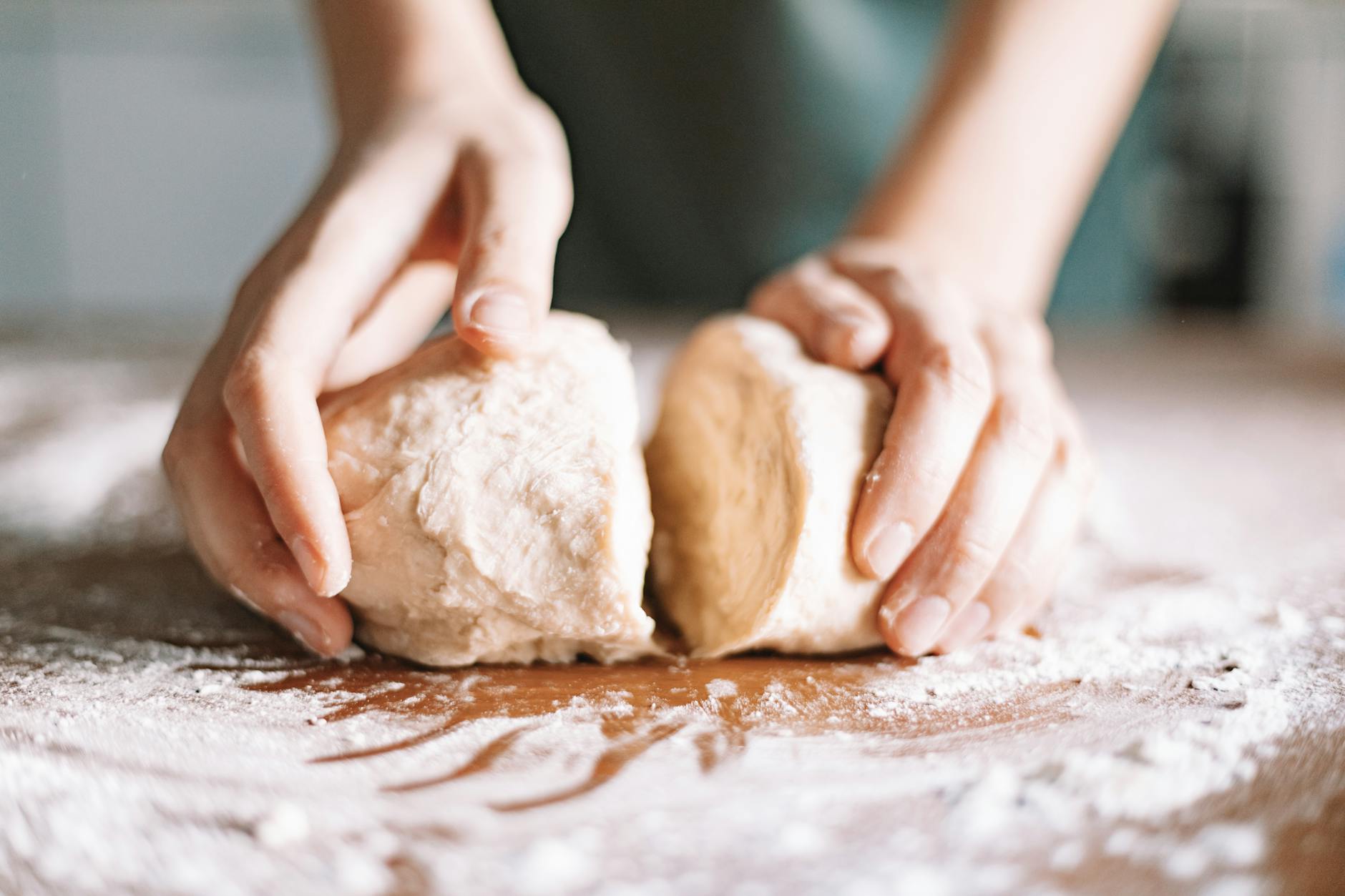
Bread dough contains active yeast and warm, moist conditions that create a perfect environment for fermentation—right inside your cat’s stomach. As yeast ferments, it produces carbon dioxide gas that causes the dough to expand and rise. In a bowl on your kitchen counter, this expansion is normal and expected. But inside a cat’s digestive tract, this trapped gas can cause severe abdominal distension, pain, and in extreme cases, gastric rupture.
Additionally, yeast fermentation produces ethanol (alcohol) as a byproduct, and cats are highly sensitive to alcohol toxicity at levels that would be considered minor in humans. A cat eating just a small ball of pizza dough left to rise on the counter could potentially experience serious complications within hours. The dough expands as it sits in the stomach, the yeast continues to ferment and produce alcohol, and the combination creates both mechanical obstruction and chemical poisoning. Cooked bread, by contrast, has inactive yeast and already-expanded dough, making it far less dangerous—though still not ideal as regular food for cats.
Symptoms of Bread Dough Poisoning in Cats
Symptoms of bread dough ingestion typically appear within 30 minutes to a few hours and can escalate rapidly. Early signs include vomiting, restlessness, abdominal pain, and lethargy. As the dough expands in the stomach, your cat may appear bloated, resist being touched around the abdomen, or show signs of extreme discomfort. More severe symptoms—including loss of coordination, weakness, tremors, rapid heart rate, and difficulty breathing—indicate alcohol toxicity from yeast fermentation and constitute a medical emergency requiring immediate veterinary care.
However, the severity of symptoms depends on the amount ingested and your individual cat’s size and sensitivity. A tiny taste might cause mild stomach upset, while several ounces of raw dough could trigger life-threatening complications. This unpredictability is precisely why any known bread dough ingestion should be reported to a veterinarian rather than monitored at home. Some cats may appear fine initially but deteriorate quickly as gas accumulates and alcohol levels rise in the bloodstream.
Safe Bread Products for Cats
Plain, fully cooked bread with no added ingredients is generally safe for cats in very small quantities—a thin slice once in a while won’t harm most cats. The key difference is that cooking inactivates the yeast and allows the dough to finish rising in the oven rather than the stomach. Whole grain bread, white bread, and whole wheat bread are all equally safe once baked, though they offer minimal nutritional benefit to cats and shouldn’t be part of regular meals.
Not all bread products are equally safe, however. Avoid bread containing garlic, onions, raisins, chocolate, or xylitol, as these ingredients are toxic to cats independently of the bread itself. Similarly, some artisan doughs contain added ingredients like seeds, nuts, or dried fruit that can pose choking hazards or trigger digestive upset. A plain, unseasoned slice of regular sandwich bread is the safest occasional treat—far safer than any bread product containing fillings, toppings, or ingredients designed for human palates.
What to Do If Your Cat Eats Bread Dough
If you observe your cat eating raw bread dough or strongly suspect ingestion, contact your veterinarian or emergency animal clinic immediately. Don’t wait to see if symptoms develop; yeast toxicity can progress rapidly, and waiting even a few hours can make a critical difference in treatment outcomes. Provide your vet with information about the amount ingested, the type of dough (pizza dough, sandwich dough, sourdough), and any additives you’re aware of (sugar, butter, honey, etc.).
In an emergency setting, your vet may induce vomiting if the ingestion is recent enough, or monitor your cat closely with IV fluids, anti-nausea medication, and supportive care while the body processes the alcohol produced by fermentation. The difference between catching it early and waiting is the difference between simple decontamination and potentially intensive hospitalization. Never assume a small amount is insignificant or try home remedies—professional evaluation is essential even if your cat seems fine.
Prevention and Safe Storage
The most effective protection is preventing access entirely. Store bread dough in sealed containers on high shelves, never leaving it on countertops to rise where curious cats can investigate. Active bakers should be especially vigilant: kneaded dough left to rise is particularly appealing to cats due to its warm temperature and moving surface.
Teach family members and guests never to leave baking projects unattended, and establish a rule that all raw dough is immediately secured in the refrigerator. Keep in mind that cats are less interested in finished, cooled bread but highly motivated by the warm, rising dough itself—it’s novel, warm, and moves in interesting ways. If you regularly bake, designate a cat-free baking zone or crate your cat during dough-rising and baking phases. One unguarded moment during a sourdough-feeding ritual or pizza-dough preparation session is all it takes for an accidental ingestion.
Other Baking Ingredients to Avoid
Beyond raw dough, many common baking ingredients pose independent risks to cats. Xylitol, an artificial sweetener found in some low-sugar and sugar-free baked goods, is extremely toxic to cats and causes rapid liver failure and hypoglycemia. Chocolate chips in cookies or brownies are toxic due to theobromine content. Macadamia nuts, walnuts, and other common baking nuts can cause weakness, tremors, and gastrointestinal distress in cats.
Raw eggs sometimes used in cookie doughs pose salmonella and E. coli risks. Excessive amounts of butter or oil contribute to pancreatitis. The safest approach is to assume that any baking ingredient meant for human consumption requires veterinary clearance before offering even small amounts to cats. Store all baked goods in sealed containers, and immediately clean up spills or crumbs to prevent opportunistic sampling.
Teaching Household Safety Around Baking
Pet safety around the kitchen requires consistent household communication and habits. If you bake regularly, inform family members and visitors that bread dough is off-limits and must be stored safely. Children especially may not understand the danger and might offer bread dough to a cat as a “treat” while playing.
Create a simple household rule: no raw dough access, ever. As pet ownership evolves and more people embrace home baking and fermentation hobbies, awareness of these risks becomes increasingly important. The trend toward sourdough starters and artisanal bread-making means more households have active yeast cultures and rising dough present than in previous decades—and more opportunities for accidental feline exposure.
Conclusion
Bread dough is never safe for cats due to yeast fermentation, alcohol production, and dangerous expansion in the digestive system. Even small amounts can cause serious complications requiring emergency veterinary care.
The safest approach is complete prevention through secure storage and consistent household awareness about the specific dangers of raw dough versus cooked bread. If your cat eats any amount of bread dough, contact your veterinarian immediately rather than waiting for symptoms to develop—early intervention makes a significant difference in outcomes.