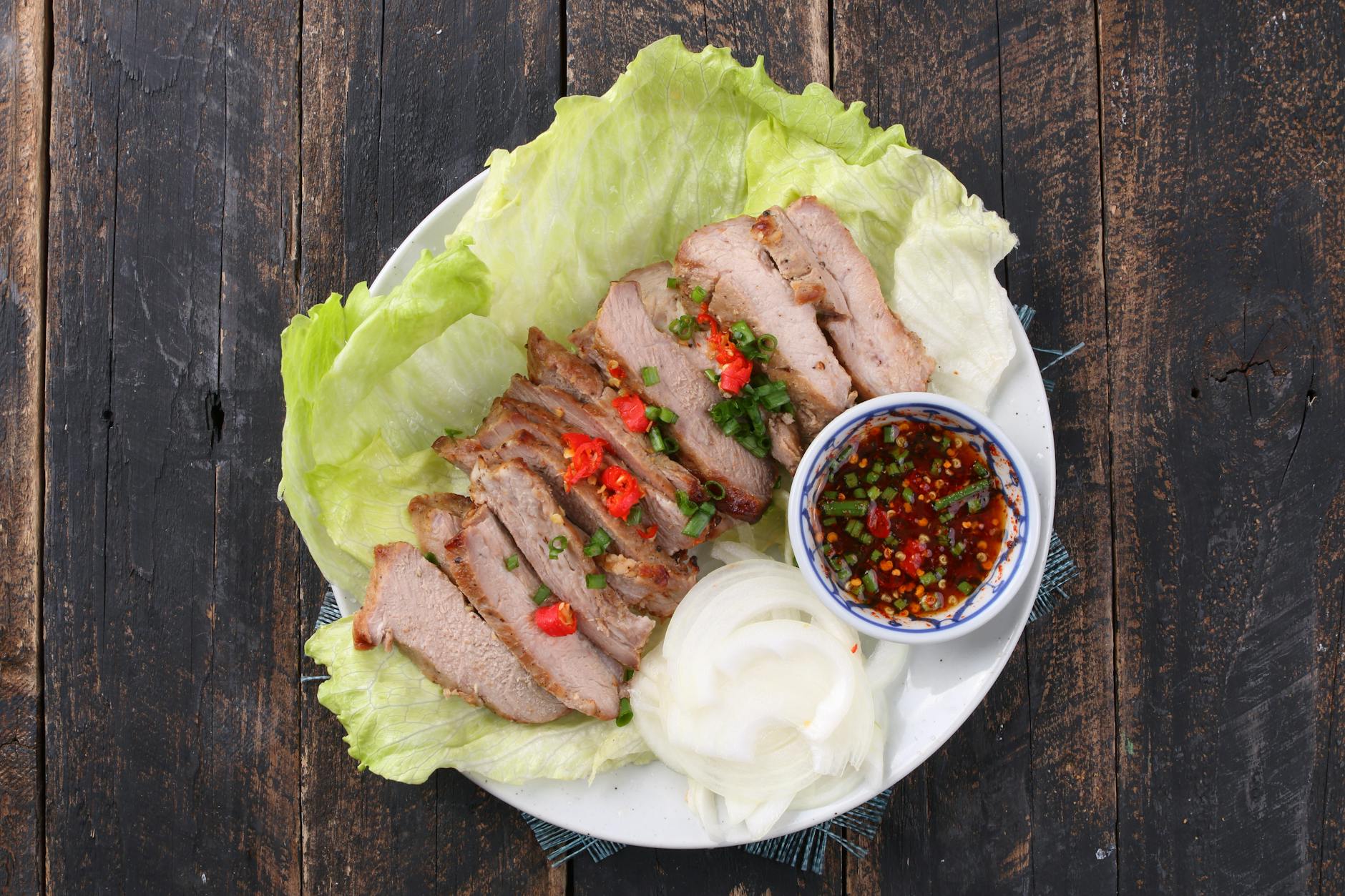
Yes, cats can eat pork safely in moderation, provided it is plain, fully cooked, and served without bones, seasonings, or fatty portions. Pork is not toxic to cats and offers protein that aligns with their obligate carnivore dietary needs. However, pork should remain an occasional treat rather than a dietary staple because it contains higher fat content than other meats and lacks the complete nutritional profile cats require. For example, a small piece of unseasoned roasted pork tenderloin given once a week poses no harm to most healthy adult cats, while feeding bacon or ham regularly could lead to obesity, sodium toxicity, or pancreatitis.
The nuances of feeding pork to cats extend beyond simply cooking the meat. Certain cuts, preparation methods, and individual cat health conditions determine whether pork is a safe choice for your specific pet. A cat with kidney disease faces different risks than a healthy kitten when consuming pork products. This article covers which pork cuts are safest, how to prepare pork for cats, the specific dangers of processed pork products, portion guidelines based on cat size, and signs that your cat may be reacting poorly to pork in their diet.
Table of Contents
- Is Pork a Healthy Protein Source for Cats?
- Which Cuts of Pork Are Safest for Cats?
- Why Processed Pork Products Pose Serious Risks
- How Much Pork Can You Safely Feed Your Cat?
- Signs Your Cat Is Reacting Poorly to Pork
- Preparing Pork Safely for Your Cat
- Pork in Commercial Cat Foods and Future Considerations
- Conclusion
Is Pork a Healthy Protein Source for Cats?
Pork provides complete protein containing all essential amino acids cats need, including taurine, which cats cannot synthesize on their own and must obtain through diet. A three-ounce serving of cooked pork tenderloin contains approximately 22 grams of protein, making it comparable to chicken breast in protein density. Pork also supplies B vitamins, zinc, and selenium, all of which support feline metabolic function and immune health. However, pork ranks lower than poultry or fish as a primary protein source for cats due to its fat composition. Even lean pork cuts contain more saturated fat than chicken or turkey, which can stress a cat’s digestive system over time.
Commercial cat foods rarely use pork as the primary protein precisely because manufacturers recognize these limitations. When comparing protein options, chicken offers similar amino acid profiles with less fat, while fish provides omega-3 fatty acids that pork lacks entirely. The biological value of pork protein””meaning how efficiently a cat’s body can utilize it””remains high enough for occasional feeding. Cats digest pork protein effectively, and the meat causes fewer allergic reactions than beef or dairy products. For cats with food sensitivities to common proteins like chicken or fish, pork sometimes serves as a novel protein option in elimination diets supervised by veterinarians.
Which Cuts of Pork Are Safest for Cats?
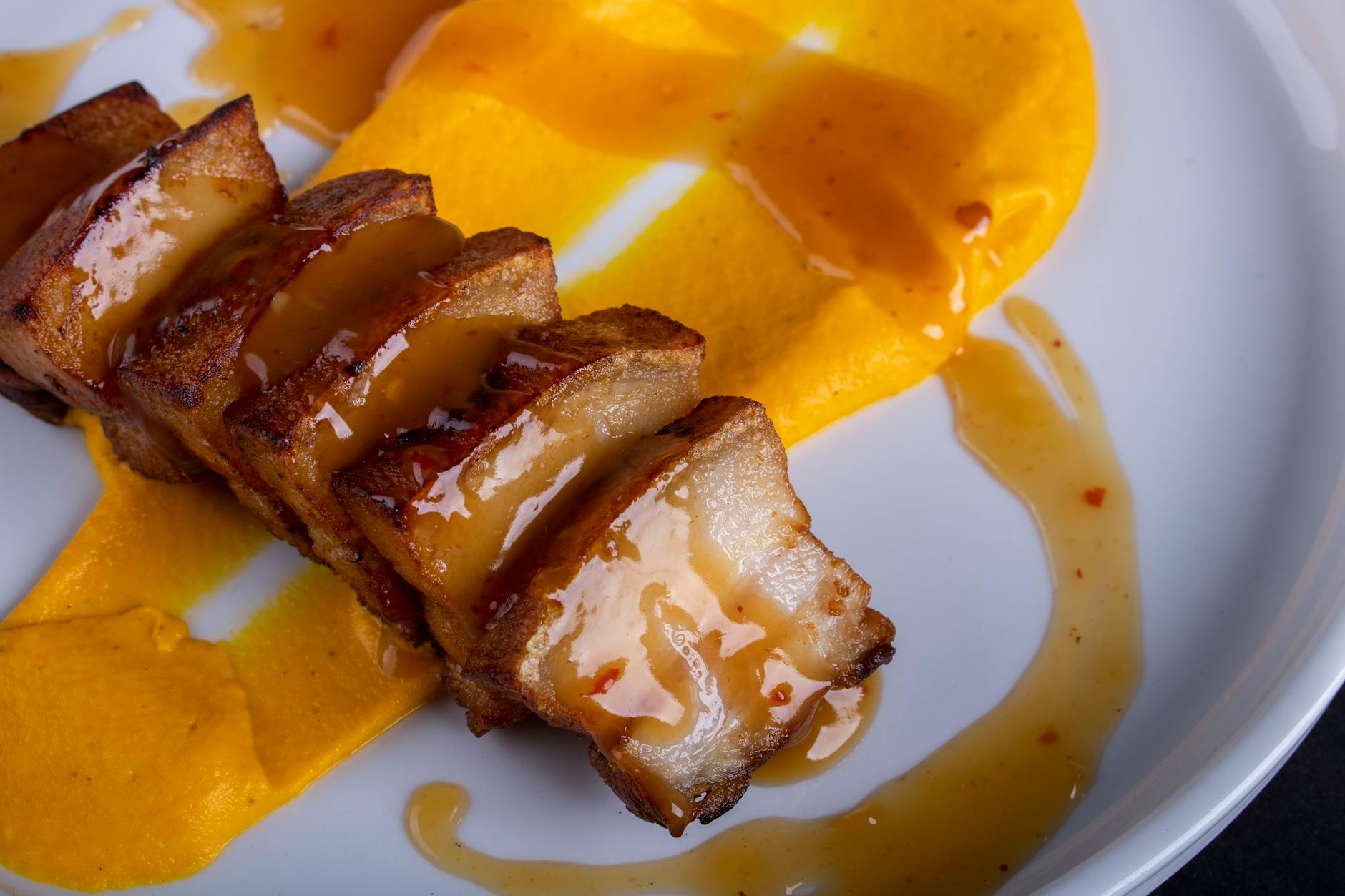
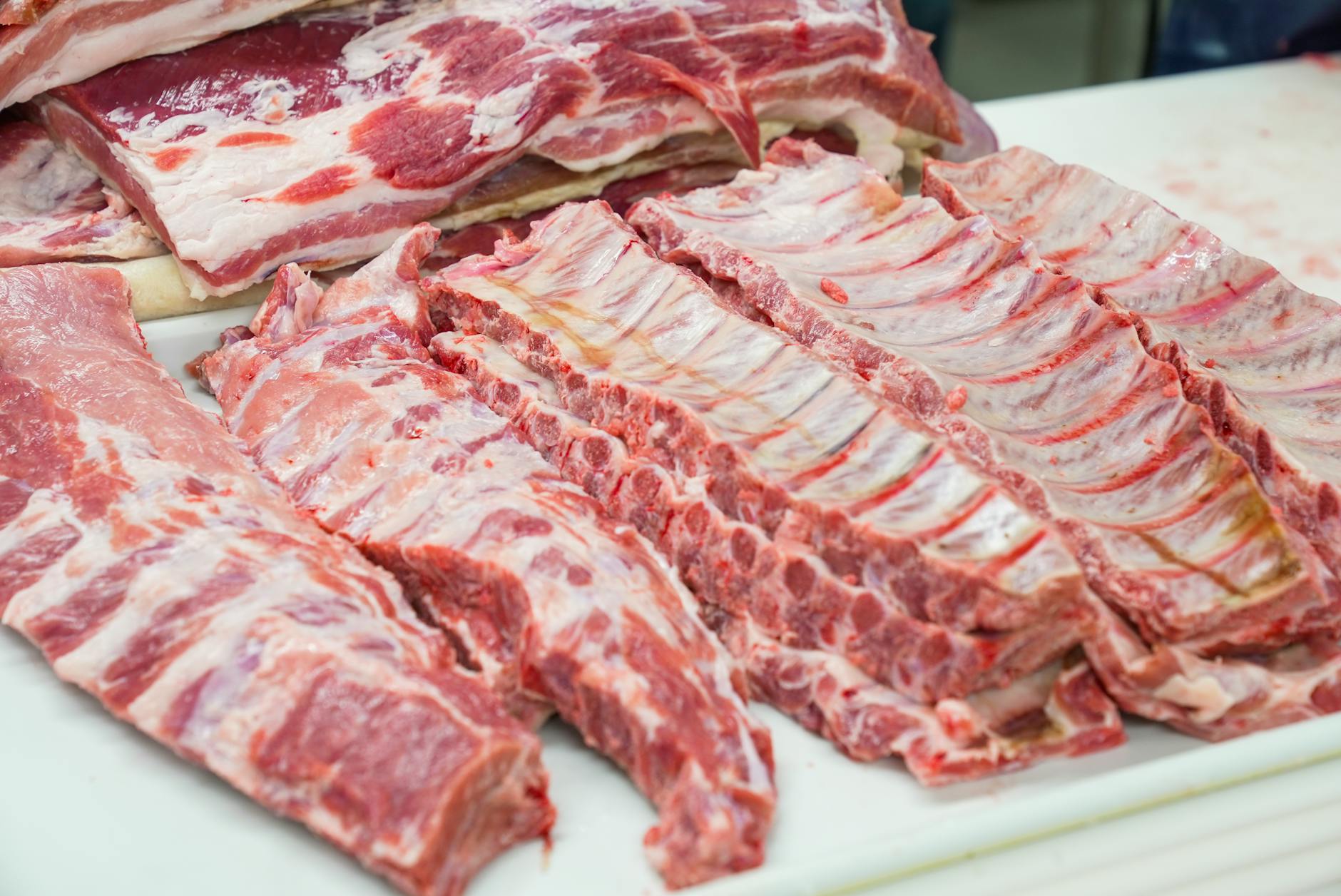
Lean cuts with minimal visible fat present the lowest risk when feeding pork to cats. Pork tenderloin and pork loin represent the safest options, containing roughly 3-4 grams of fat per three-ounce serving compared to 8-10 grams in fattier cuts like pork shoulder or ribs. These lean cuts also cook thoroughly more easily, reducing the risk of parasitic infection from undercooked meat. Pork chops can work if you trim all visible fat and remove the bone before serving. The bone presents a choking hazard and can splinter when chewed, potentially causing intestinal perforation or obstruction.
Ground pork should be avoided unless you grind it yourself from lean cuts, as commercial ground pork often contains added fat and may include organ meats or trimmings with higher bacterial loads. However, if your cat has a history of pancreatitis or obesity, even lean pork cuts may be inadvisable. Pancreatitis in cats often triggers from high-fat meals, and pork’s fat content””even in lean cuts””exceeds that of safer alternatives. A cat recovering from pancreatitis should avoid pork entirely for at least six months, and potentially permanently, depending on severity. Consult your veterinarian before introducing pork to any cat with a history of digestive issues.
Why Processed Pork Products Pose Serious Risks
bacon, ham, sausage, and deli meats contain sodium levels that can prove dangerous or even fatal to cats. A single slice of bacon contains approximately 137 milligrams of sodium, while a cat’s entire daily sodium requirement ranges from only 21-42 milligrams. Feeding a cat just two slices of bacon delivers six to thirteen times their daily sodium needs in one sitting, potentially causing sodium ion poisoning with symptoms including vomiting, diarrhea, tremors, and seizures. Cured and smoked pork products also contain nitrates and nitrites used as preservatives, which cats metabolize poorly.
These compounds can interfere with oxygen transport in the bloodstream and contribute to the formation of carcinogenic compounds in the digestive tract. Hot dogs, pepperoni, and salami carry these same risks while adding garlic and onion powder to the danger list””both are toxic to cats even in small amounts. One cat owner learned this lesson when their seemingly healthy four-year-old cat developed acute pancreatitis after regularly receiving ham scraps over several months. The high fat and sodium combination triggered inflammation that required hospitalization and a permanent dietary change. What seemed like harmless treat-giving resulted in a chronic condition requiring lifelong management.
How Much Pork Can You Safely Feed Your Cat?
Portion control matters more with pork than with leaner proteins due to the higher fat content and caloric density. A general guideline limits pork treats to no more than 10% of a cat’s daily caloric intake, which translates to roughly one tablespoon of cooked, diced pork tenderloin for an average ten-pound cat. Smaller cats or kittens require proportionally less, while larger breeds can tolerate slightly more. The frequency of pork treats should not exceed once or twice weekly, even when serving appropriate portions. Cats who receive pork more frequently may begin refusing their nutritionally complete commercial food in favor of the more appealing treat, leading to nutritional imbalances over time.
This preference development happens faster in cats than in dogs, making moderation particularly important for feline treat-giving. Comparing pork to other treat options reveals meaningful tradeoffs. A tablespoon of cooked chicken breast contains approximately 26 calories and 0.5 grams of fat, while the same amount of pork tenderloin contains 33 calories and 1.2 grams of fat. Over time, these differences compound. A cat receiving pork treats twice weekly consumes roughly 14% more calories and 140% more fat from treats annually compared to chicken-fed counterparts, assuming identical portion sizes.
Signs Your Cat Is Reacting Poorly to Pork
Digestive upset represents the most common adverse reaction when cats eat pork, even when properly prepared. Symptoms include vomiting within two to six hours of consumption, diarrhea within twelve to twenty-four hours, decreased appetite, and lethargy. These reactions may indicate fat intolerance rather than a true allergy, and they often resolve within 24-48 hours without intervention if the pork is withheld. True pork allergies exist but remain relatively rare in cats compared to allergies to beef, fish, or dairy.
Allergic reactions manifest differently than digestive intolerance, typically causing skin symptoms like excessive itching, hair loss around the face and ears, and small scabs or crusty patches. These symptoms develop over repeated exposures rather than appearing immediately after a single feeding, making the connection to pork harder to identify without a veterinary elimination diet. Warning signs requiring immediate veterinary attention include bloody stool, persistent vomiting beyond 24 hours, abdominal distension or obvious pain when the stomach area is touched, and any neurological symptoms like disorientation or seizures. These may indicate pancreatitis, intestinal blockage from bone fragments, or sodium toxicity””all of which require professional treatment. Do not attempt home remedies or wait-and-see approaches when these symptoms appear.
Preparing Pork Safely for Your Cat
Cooking pork to an internal temperature of at least 145°F eliminates parasites like Trichinella spiralis and Toxoplasma gondii that can infect cats through raw or undercooked meat. Use a meat thermometer rather than visual assessment, as pork can appear fully cooked while harboring dangerous parasites in the center. Allow the meat to rest for three minutes after reaching temperature before cutting, as carryover cooking continues to neutralize pathogens. Avoid all seasonings, marinades, oils, and cooking sprays when preparing pork intended for your cat.
Garlic, onion, chives, and leeks””all common pork seasonings””are toxic to cats and can cause oxidative damage to red blood cells. Even salt, while not toxic in trace amounts, adds unnecessary sodium that cats don’t need. Plain boiled or baked pork with no additions whatsoever represents the safest preparation method. For example, if you’re cooking a seasoned pork roast for your family, set aside a small portion of the raw meat before seasoning, then cook it separately in a plain pan for your cat. This parallel preparation ensures your cat receives the same quality meat without the dangerous additives, and it takes only minutes of additional effort.
Pork in Commercial Cat Foods and Future Considerations
Pork appears as an ingredient in some commercial cat foods, typically listed as pork meal, pork by-products, or pork liver. These formulations undergo processing that reduces fat content and balances the nutritional profile with other ingredients, making them safer than table scraps. However, pork-based commercial foods remain less common than chicken, fish, or beef varieties, reflecting the industry’s recognition of pork’s limitations as a feline protein source.
The growing interest in novel proteins for cats with food sensitivities may increase pork’s presence in specialty diets. As more cats develop allergies to common proteins from overexposure, veterinary nutritionists increasingly recommend rotation diets or limited-ingredient foods featuring less common meats. Pork, along with venison, rabbit, and duck, may become more prominent in this space. For cat owners navigating food sensitivities, working with a veterinary nutritionist to determine whether pork fits their cat’s specific needs offers the most reliable guidance.
Conclusion
Cats can eat plain, cooked pork safely as an occasional treat, but the meat’s higher fat content and preparation requirements make it a less ideal choice than leaner proteins. Stick to lean cuts like tenderloin, serve portions no larger than one tablespoon for average-sized cats, and limit frequency to once or twice weekly at most. Never feed processed pork products like bacon or ham, which contain dangerous sodium and preservative levels.
Monitor your cat after introducing pork for the first time, watching for digestive upset or allergic symptoms over the following 24-48 hours. If your cat tolerates pork well and enjoys it, the meat can remain part of a varied treat rotation alongside safer options like plain chicken or commercial cat treats. For cats with pancreatitis, obesity, kidney disease, or heart conditions, consult your veterinarian before offering pork at all””the risks likely outweigh any benefits for these individuals.