Yes, cats can eat beef safely, and it can be a nutritious addition to their diet when prepared correctly. As obligate carnivores, cats have evolved to thrive on animal protein, and beef provides essential amino acids, iron, zinc, and B vitamins that support their health. A cat eating plain, cooked beef with no seasonings is consuming a species-appropriate food that aligns with their biological needs. However, the key word is “prepared correctly”””raw beef carries bacterial risks, seasoned beef can be toxic, and beef should never replace a complete and balanced cat food as the primary diet. Consider a common scenario: you’re cooking a steak for dinner, and your cat appears at your feet, meowing insistently.
Offering a small piece of plain, cooked beef as an occasional treat is perfectly acceptable and even beneficial. The protein supports muscle maintenance, and most cats find beef highly palatable. That said, beef alone lacks taurine in sufficient amounts for cats (much of it is lost during cooking), and it doesn’t provide the calcium, fiber, and other nutrients cats need from a complete diet. This article covers everything you need to know about feeding beef to your cat, including the nutritional benefits and limitations, how to prepare beef safely, which cuts work best, the risks of raw versus cooked beef, and warning signs that your cat may not tolerate beef well. Whether you’re considering beef as an occasional treat or exploring homemade diet options, understanding the nuances will help you make informed decisions for your feline companion.
Table of Contents
- Is Beef a Healthy Protein Source for Cats?
- What Are the Risks of Feeding Raw Beef to Cats?
- How Should You Prepare Beef for Your Cat?
- Which Cuts of Beef Are Best for Cats?
- What Are the Signs Your Cat Cannot Tolerate Beef?
- How Much Beef Can You Safely Feed a Cat?
- Can Beef Be Part of a Homemade Cat Diet?
- Conclusion
Is Beef a Healthy Protein Source for Cats?
Beef ranks among the more nutritious protein options available for cats, though it falls slightly behind some other meats in certain categories. A three-ounce serving of cooked ground beef contains approximately 22 grams of protein, along with significant amounts of vitamin B12, zinc, selenium, and heme iron””the form of iron most easily absorbed by the body. For cats, who require high-protein diets to maintain lean muscle mass and support organ function, beef delivers on the macronutrient front. However, beef has a higher fat content than chicken or turkey, which matters for cats prone to weight gain or those with pancreatitis. A lean cut like sirloin contains about 8 grams of fat per serving, while fattier ground beef can exceed 15 grams. Compare this to chicken breast, which offers similar protein with only 3 grams of fat.
For a healthy adult cat at an ideal weight, the extra fat in beef isn’t problematic in moderation. For an overweight cat or one with a history of digestive issues, leaner proteins or trimmed beef cuts make more sense. The amino acid profile of beef supports feline health in several ways. It contains all the essential amino acids cats cannot synthesize themselves, including arginine and methionine. One limitation worth noting: cooked beef contains less taurine than raw beef or organ meats like heart, because taurine degrades with heat. Since taurine deficiency causes serious problems in cats””including heart disease and vision loss””beef should complement rather than replace a taurine-fortified commercial cat food.
What Are the Risks of Feeding Raw Beef to Cats?
The raw feeding debate generates strong opinions among cat owners, but the veterinary consensus leans toward caution. Raw beef can harbor bacteria including Salmonella, E. coli, and Listeria, all of which can sicken cats and pose transmission risks to humans in the household. While cats have shorter digestive tracts and more acidic stomachs than humans””which provides some protection against foodborne pathogens””they are not immune to infection. Kittens, senior cats, and immunocompromised cats face heightened risks. A 2023 study published in the Journal of Feline Medicine and Surgery found that 21 percent of commercial raw pet food samples tested positive for pathogenic bacteria.
Cats eating contaminated raw food may not always show symptoms, but they can shed bacteria in their feces for weeks, creating exposure risks for family members””particularly concerning in households with young children, elderly individuals, or anyone with a weakened immune system. However, if you’re committed to raw feeding, certain precautions reduce (though don’t eliminate) risk. Freezing beef for at least three weeks before serving can kill many parasites, though it doesn’t eliminate bacteria. Sourcing human-grade beef from reputable suppliers, handling it with the same care you’d use for your own raw meat, and serving it immediately rather than letting it sit at room temperature all help. Some owners compromise by lightly searing the outside of beef while leaving the center rare, addressing surface contamination while preserving more nutrients than fully cooked meat. Ultimately, discussing raw feeding with your veterinarian””especially if your cat has health conditions””is essential before making this choice.
How Should You Prepare Beef for Your Cat?
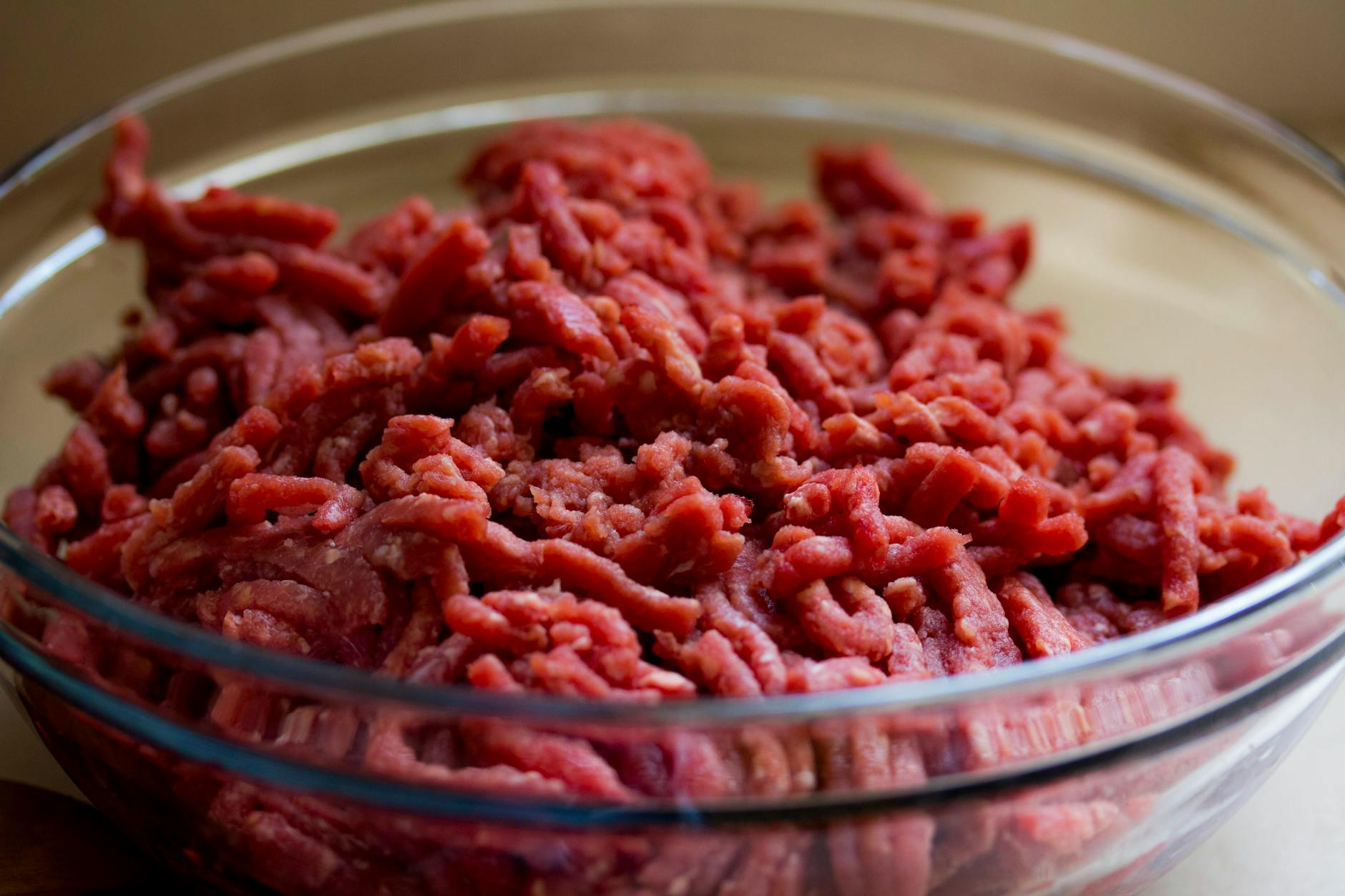
The safest preparation method is cooking beef thoroughly without any seasonings, oils, or additives. Boiling, baking, or pan-searing plain beef until it reaches an internal temperature of 160 degrees Fahrenheit kills harmful bacteria while preserving most nutrients. Cut the cooked beef into small, bite-sized pieces appropriate for your cat’s size””roughly pea-sized for most adult cats, smaller for kittens. Avoid serving large chunks that could present a choking hazard or be difficult to digest. Ground beef offers convenience but requires careful preparation. Brown it completely in a pan, breaking it into small crumbles, then drain off the excess fat before serving. The draining step matters because too much fat at once can trigger digestive upset or, in severe cases, pancreatitis.
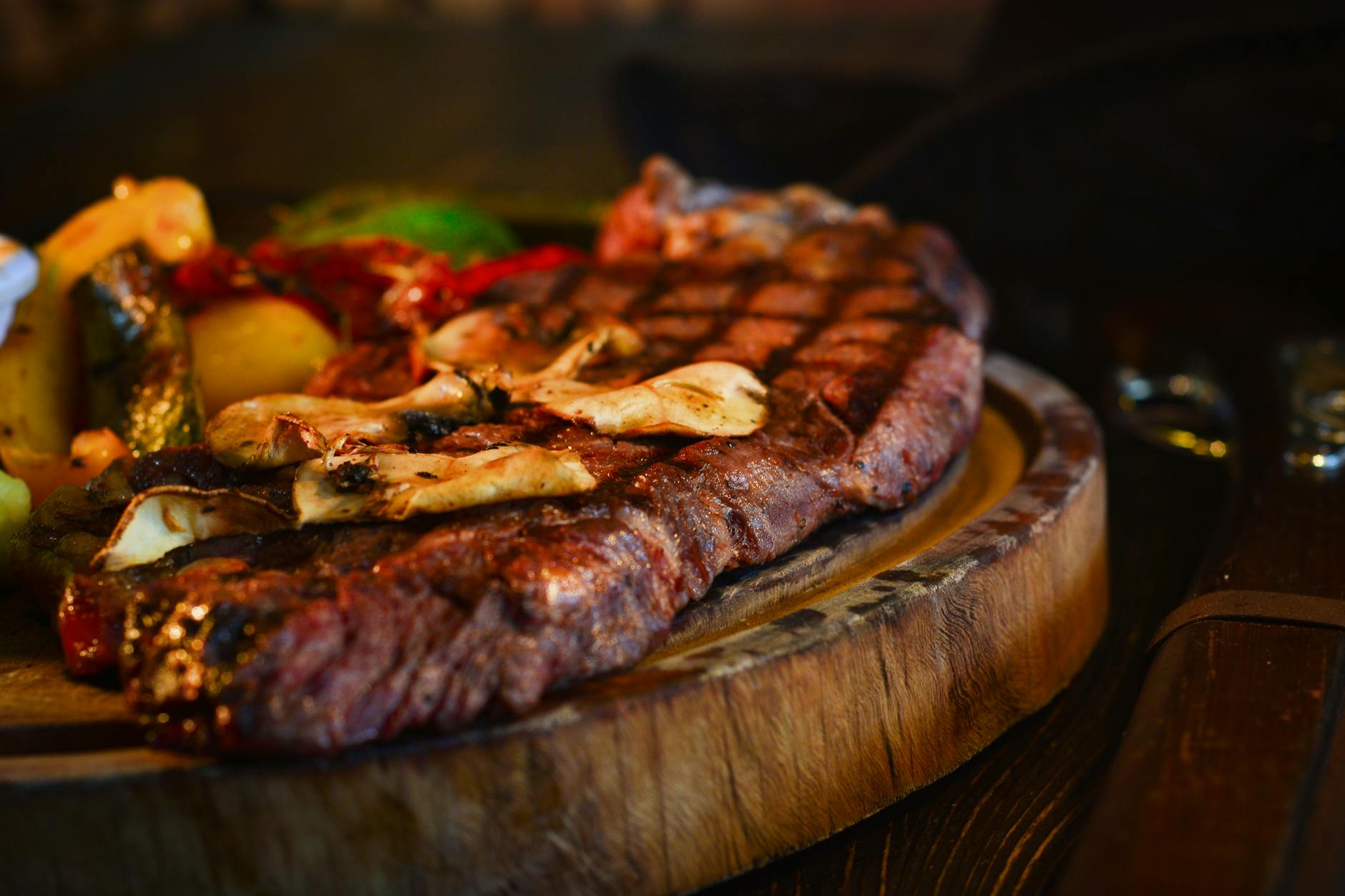
One practical example: a tablespoon of well-drained, cooked ground beef mixed into your cat’s regular food makes an appetizing meal topper without overwhelming their system with fat. Certain preparations are strictly off-limits. Beef cooked with onions, garlic, or chives is toxic to cats””these allium family vegetables damage feline red blood cells and can cause anemia. Salted, peppered, or marinated beef introduces sodium and spices that cats don’t need and may not tolerate. Beef jerky, despite being a convenient protein snack for humans, typically contains dangerously high sodium levels, preservatives, and often garlic powder. Similarly, deli roast beef contains sodium nitrates and excessive salt. When in doubt, the rule is simple: if it’s seasoned for human taste, it’s not appropriate for your cat.
Which Cuts of Beef Are Best for Cats?
Leaner cuts generally work better for cats, balancing protein delivery with digestible fat content. Sirloin, eye of round, and tenderloin offer high protein with moderate fat, making them suitable choices for most cats. These cuts also tend to have less connective tissue, which means they’re easier for cats to chew and digest. For budget-conscious owners, lean ground beef (90 percent lean or higher) provides a cost-effective option that’s easy to portion and prepare. Organ meats deserve special consideration despite being less popular among human diners. Beef liver is extraordinarily nutrient-dense, packed with vitamin A, iron, and B vitamins.
However, vitamin A accumulates in the body, and feeding too much liver can cause vitamin A toxicity””a condition called hypervitaminosis A that leads to bone problems and joint pain. Liver should constitute no more than 5 percent of a cat’s diet if you’re incorporating it regularly. Beef heart, by contrast, can be fed more liberally and offers one of the richest natural sources of taurine available, making it particularly valuable for cats on homemade diets. The tradeoff between convenience and quality matters when selecting beef. Pre-ground beef from the grocery store is affordable and easy to prepare, but it often contains higher fat percentages and may include trimmings from various cuts. Whole cuts that you grind or mince yourself allow better control over fat content and freshness, though they require more preparation time and equipment. For most cat owners using beef as an occasional treat rather than a dietary staple, standard lean ground beef from a reputable grocery store works perfectly well.
What Are the Signs Your Cat Cannot Tolerate Beef?
Not every cat thrives on beef, and food sensitivities or allergies can manifest in several ways. Digestive symptoms typically appear within hours to a day after eating: vomiting, diarrhea, excessive gas, or refusal to eat subsequent meals. A single episode of loose stool after trying beef for the first time might simply indicate the cat’s system adjusting to a new food, but persistent digestive upset across multiple feedings suggests the protein doesn’t agree with your cat. Skin and coat symptoms develop more gradually and can be harder to attribute to a specific food. Cats with beef allergies may develop itchy skin, particularly around the face, ears, and neck. You might notice excessive scratching, hair loss in patches, or small scabs from self-trauma.
These symptoms often overlap with environmental allergies or flea reactions, making diagnosis tricky. A veterinarian may recommend an elimination diet””removing beef and other common allergens, then reintroducing them one at a time””to identify the culprit. One important warning: if your cat shows severe symptoms like repeated vomiting, bloody diarrhea, difficulty breathing, or facial swelling after eating beef, seek veterinary care immediately. True food allergies can occasionally trigger anaphylactic reactions, though this is rare. More commonly, severe symptoms after eating beef indicate the meat was contaminated, spoiled, or prepared with toxic ingredients like onion or garlic rather than a beef allergy itself. Either way, urgent veterinary attention is warranted.
How Much Beef Can You Safely Feed a Cat?
Portion control prevents beef treats from unbalancing your cat’s nutrition or contributing to weight gain. The general guideline from veterinary nutritionists suggests that treats and supplemental foods should comprise no more than 10 percent of a cat’s daily caloric intake. For an average 10-pound adult cat requiring approximately 200 calories per day, that translates to about 20 calories from treats””roughly one tablespoon of cooked ground beef.
Consider a practical example: a cat owner who gives their cat a small piece of beef every evening as a bonding ritual. If that piece is about the size of a thumbnail and the cat otherwise eats balanced commercial food, this habit poses no nutritional concern. However, if the portions creep upward over time, or if beef replaces a significant portion of the cat’s regular meals, nutritional imbalances and weight gain become real risks. Cats are small animals, and what looks like a modest portion to human eyes may represent a substantial percentage of their daily needs.
Can Beef Be Part of a Homemade Cat Diet?
Owners interested in preparing homemade diets for their cats can include beef as a primary protein source, but doing so requires careful formulation to avoid dangerous nutritional gaps. Unlike dogs, who are omnivores with flexible nutritional requirements, cats have specific needs that raw or cooked meat alone cannot meet. Homemade cat diets must include calcium (often from ground bone or supplements), taurine supplementation, appropriate fat ratios, and vitamins that cats cannot synthesize from plant sources. Working with a board-certified veterinary nutritionist is strongly recommended before transitioning a cat to a homemade diet.
These specialists can create recipes balanced for your individual cat’s age, weight, and health status. Online recipes””even those from well-meaning cat enthusiasts””frequently contain errors that lead to deficiencies over time. A cat fed an improperly balanced homemade diet may appear healthy for months or even years before deficiency symptoms emerge, at which point organ damage may already have occurred. The investment in professional guidance protects your cat’s long-term health and gives you confidence that your homemade efforts are truly beneficial.
Conclusion
Beef is a safe and nutritious occasional treat for most cats when prepared plain and cooked thoroughly. Its high protein content and bioavailable nutrients align well with feline dietary requirements, making it a reasonable choice among the various human foods cat owners might consider sharing. The primary considerations are proper preparation””no seasonings, no toxic ingredients, appropriate portion sizes””and understanding that beef complements rather than replaces complete cat nutrition.
Moving forward, pay attention to how your individual cat responds to beef, both digestively and in terms of preference. Some cats go wild for it while others show little interest. If your cat tolerates beef well and enjoys it, incorporating small amounts as treats or meal toppers adds variety to their diet without compromising their health. For owners interested in more substantial dietary changes involving beef, consulting with a veterinarian or veterinary nutritionist ensures your cat receives balanced nutrition while you explore feeding approaches that feel right for your household.