Understanding can cats eat turkey safely is essential for anyone interested in cat care, feline health, cat behavior, breed information, and pet ownership guidance. This comprehensive guide covers everything you need to know, from basic concepts to advanced strategies. By the end of this article, you’ll have the knowledge to make informed decisions and take effective action.
Table of Contents
- Is Turkey a Healthy Protein Source for Cats?
- Which Parts of Turkey Are Safe and Which Are Dangerous?
- How Should You Prepare Turkey for Your Cat?
- How Much Turkey Can Cats Safely Eat?
- What Are the Warning Signs of Turkey-Related Problems?
- Can Kittens and Senior Cats Eat Turkey?
- Should Turkey Replace Commercial Cat Food?
- Conclusion
Is Turkey a Healthy Protein Source for Cats?
Turkey ranks among the most cat-appropriate proteins available. It’s high in protein and relatively low in fat compared to other meats like beef or pork, making it suitable even for cats watching their weight. A three-ounce serving of skinless turkey breast contains roughly 26 grams of protein and only about 1 gram of fat, giving cats the nutrient density they need without excessive calories. The amino acid profile of turkey particularly benefits cats. Taurine, which cats cannot synthesize on their own and must obtain from food, appears in turkey meat in meaningful quantities. Taurine deficiency leads to serious health problems including dilated cardiomyopathy and retinal degeneration.
While commercial cat foods are formulated with adequate taurine, supplementing with turkey provides additional natural sources of this critical nutrient. Turkey also supplies B vitamins, selenium, and phosphorus. However, turkey alone doesn’t constitute a complete diet. Cats require specific ratios of nutrients, including calcium, that turkey meat lacks. A cat fed exclusively turkey””even high-quality, properly prepared turkey””would eventually develop nutritional deficiencies. Compare this to commercial cat food, which must meet AAFCO standards for complete nutrition, and the role of turkey becomes clear: treat or supplement, not primary diet.
Which Parts of Turkey Are Safe and Which Are Dangerous?
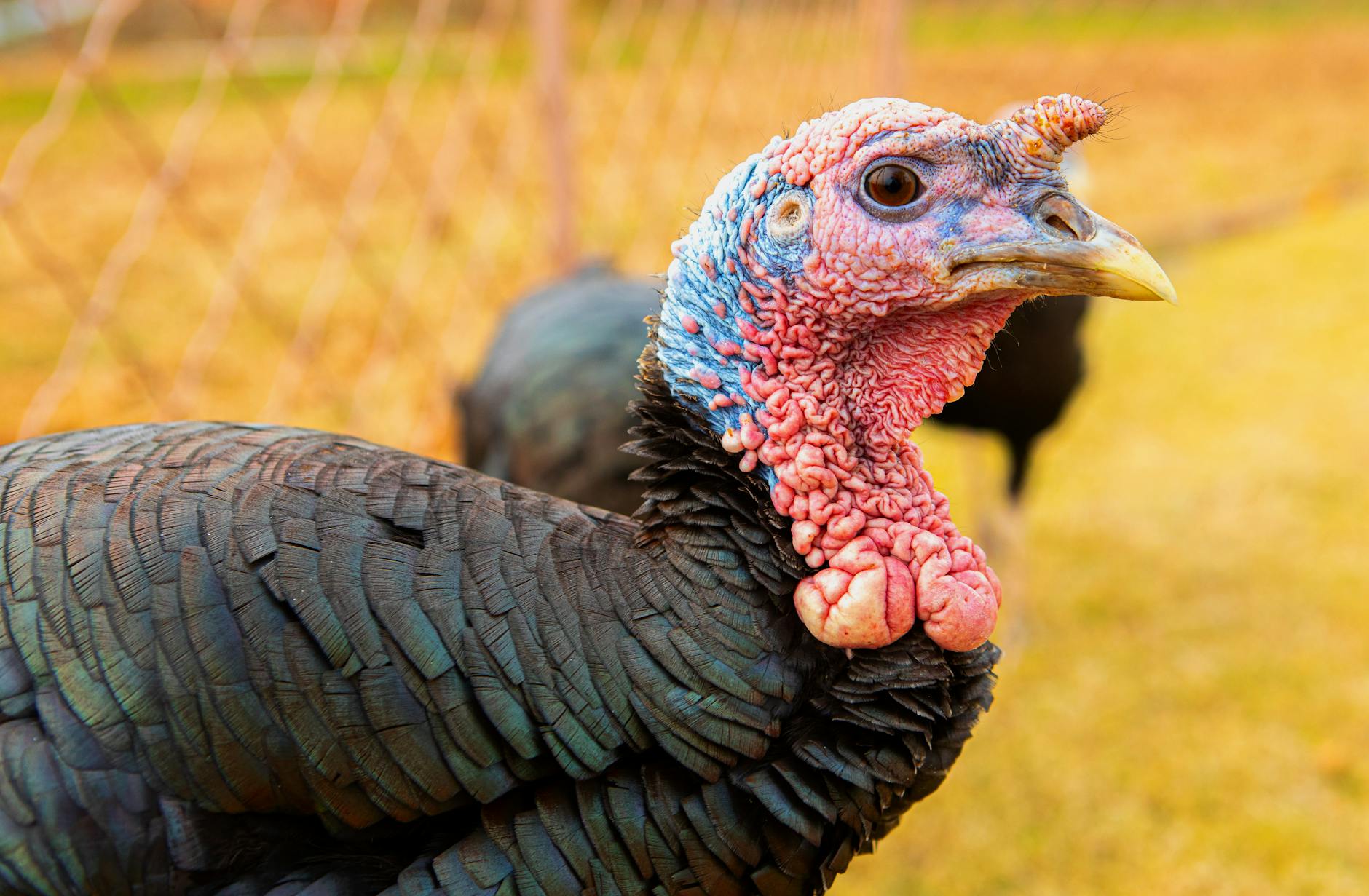
The safest turkey for cats comes from the breast meat, which is lean and easy to digest. Dark meat from the thighs and legs is also acceptable, though it contains more fat and should be offered in smaller quantities, especially to cats prone to weight gain or pancreatitis. For a cat with no health issues, a mix of white and dark meat provides variety without significant risk. However, turkey skin presents problems regardless of how it’s prepared. The skin contains high fat content that can trigger gastrointestinal upset or contribute to pancreatitis in susceptible cats.
Even without added seasonings, turkey skin is difficult for cats to digest and offers little nutritional benefit compared to the lean meat underneath. If your cat manages to grab a small piece of skin, monitor for vomiting or diarrhea but don’t panic””the danger increases with quantity consumed. Turkey bones require absolute avoidance. cooked poultry bones become brittle and splinter easily, creating sharp fragments that can puncture the esophagus, stomach, or intestinal lining. raw bones carry their own risks including bacterial contamination and potential for breakage. Some raw feeding advocates argue that raw bones are safer than cooked ones, and while there’s some truth to this, the safest approach for most cat owners is simply keeping all turkey bones away from their pets.
How Should You Prepare Turkey for Your Cat?
Proper preparation makes the difference between a healthy treat and a potential health hazard. Start with plain turkey that hasn’t been brined, injected with solution, or pre-seasoned. Many store-bought turkeys come with added sodium or flavor solutions that significantly increase the salt content beyond what’s safe for cats. Cook the turkey thoroughly to an internal temperature of 165°F to eliminate salmonella and other bacterial pathogens. Roasting, baking, boiling, or poaching all work well.
Avoid frying, which adds unnecessary fat, and skip any cooking methods involving butter, oil, or seasonings. A simple approach involves placing turkey breast in a pot of plain water and simmering until fully cooked, then shredding the meat into cat-sized pieces. If you’re carving a holiday turkey for your family, set aside a portion of plain meat before adding seasonings or gravy. This gives you cat-safe turkey without preparing a separate dish. One limitation worth noting: deli turkey and processed turkey products like turkey bacon or turkey hot dogs contain preservatives, sodium, and additives that make them poor choices for cats. Fresh-cooked turkey is the only version worth feeding.
How Much Turkey Can Cats Safely Eat?
Portion control matters more than many cat owners realize. Treats and supplemental foods, including turkey, should constitute no more than 10% of a cat’s daily caloric intake. For an average 10-pound cat requiring approximately 200 calories per day, this means treats should provide roughly 20 calories. One ounce of plain turkey breast contains about 30 calories, so a half-ounce serving represents a reasonable treat size. The tradeoff between treat quantity and nutritional balance becomes apparent when turkey replaces too much commercial food.
A cat who fills up on turkey may not eat enough of their balanced diet to meet vitamin and mineral requirements. Conversely, a cat who eats their regular food and substantial turkey treats consumes excess calories that contribute to weight gain over time. Compare this to commercial cat treats, which typically range from 1-3 calories each. A few pieces of plain turkey offer similar caloric impact to a handful of commercial treats but provide higher quality protein without artificial ingredients. For owners seeking to reduce processed treats, plain turkey serves as an excellent substitute when portioned appropriately.
What Are the Warning Signs of Turkey-Related Problems?
Despite turkey’s general safety, individual cats may react poorly for various reasons. Allergies to poultry proteins, though less common than fish or beef allergies in cats, do occur. Signs of a food allergy include itching (particularly around the head and neck), hair loss, skin irritation, and gastrointestinal symptoms like vomiting or diarrhea that recur each time the food is consumed. Pancreatitis represents a more serious concern, particularly in cats who consume turkey with skin or fat attached. Symptoms include lethargy, loss of appetite, vomiting, abdominal pain (cats may hunch or resist being picked up), and fever.
Pancreatitis requires veterinary treatment and can become life-threatening if ignored. Cats with a history of pancreatitis should avoid turkey entirely or receive only the leanest white meat in minimal quantities. A particular warning applies to cats who access seasoned turkey or turkey drippings. Garlic and onion, common turkey seasonings, are toxic to cats and can cause oxidative damage to red blood cells leading to anemia. Symptoms may not appear immediately but can develop over several days. If your cat consumes seasoned turkey, especially in significant amounts, contact your veterinarian or an animal poison control hotline for guidance.
Can Kittens and Senior Cats Eat Turkey?
Kittens and senior cats can eat turkey, though additional considerations apply. Kittens have developing digestive systems and higher nutritional requirements for growth, meaning treats should play an even smaller role in their diet. A few shreds of plain turkey won’t harm a kitten, but their primary nutrition should come from kitten-formulated food designed to support development.
Senior cats may benefit from turkey’s high protein content and palatability, especially those with decreased appetite. For an elderly cat reluctant to eat, warm turkey shreds mixed into regular food sometimes stimulates interest. However, senior cats with kidney disease require protein moderation, so check with your veterinarian before adding extra protein sources to an older cat’s diet.
Should Turkey Replace Commercial Cat Food?
The raw feeding and homemade diet movements have led some owners to consider turkey-based diets for their cats. While homemade diets can theoretically meet feline nutritional needs, doing so requires careful formulation, supplementation, and often veterinary nutritionist guidance. Simply feeding turkey, even with variety in cuts and preparation, leaves nutritional gaps.
Commercial cat foods undergo formulation to meet specific standards and include added vitamins, minerals, and amino acids that whole meat alone doesn’t provide. For most cat owners, using turkey as an occasional treat or meal topper while relying on quality commercial food for primary nutrition represents the most practical and safe approach. Those committed to homemade feeding should work with a veterinary nutritionist to develop a complete, balanced recipe rather than improvising.
Conclusion
Turkey earns its place among the safest and most nutritious human foods for cats when prepared and portioned correctly. Plain, cooked turkey meat without skin, bones, or seasonings provides high-quality protein and essential amino acids that complement a cat’s carnivorous dietary needs. The key lies in keeping portions small, avoiding dangerous additions, and treating turkey as a supplement rather than a dietary staple.
Moving forward, cat owners can feel confident offering turkey as an occasional treat during meal prep or holidays. Set aside a small portion of plain meat before seasoning the rest, store it separately, and portion it out over several days rather than offering it all at once. When in doubt about your specific cat’s health conditions or dietary restrictions, a quick consultation with your veterinarian provides personalized guidance that accounts for your cat’s individual needs.