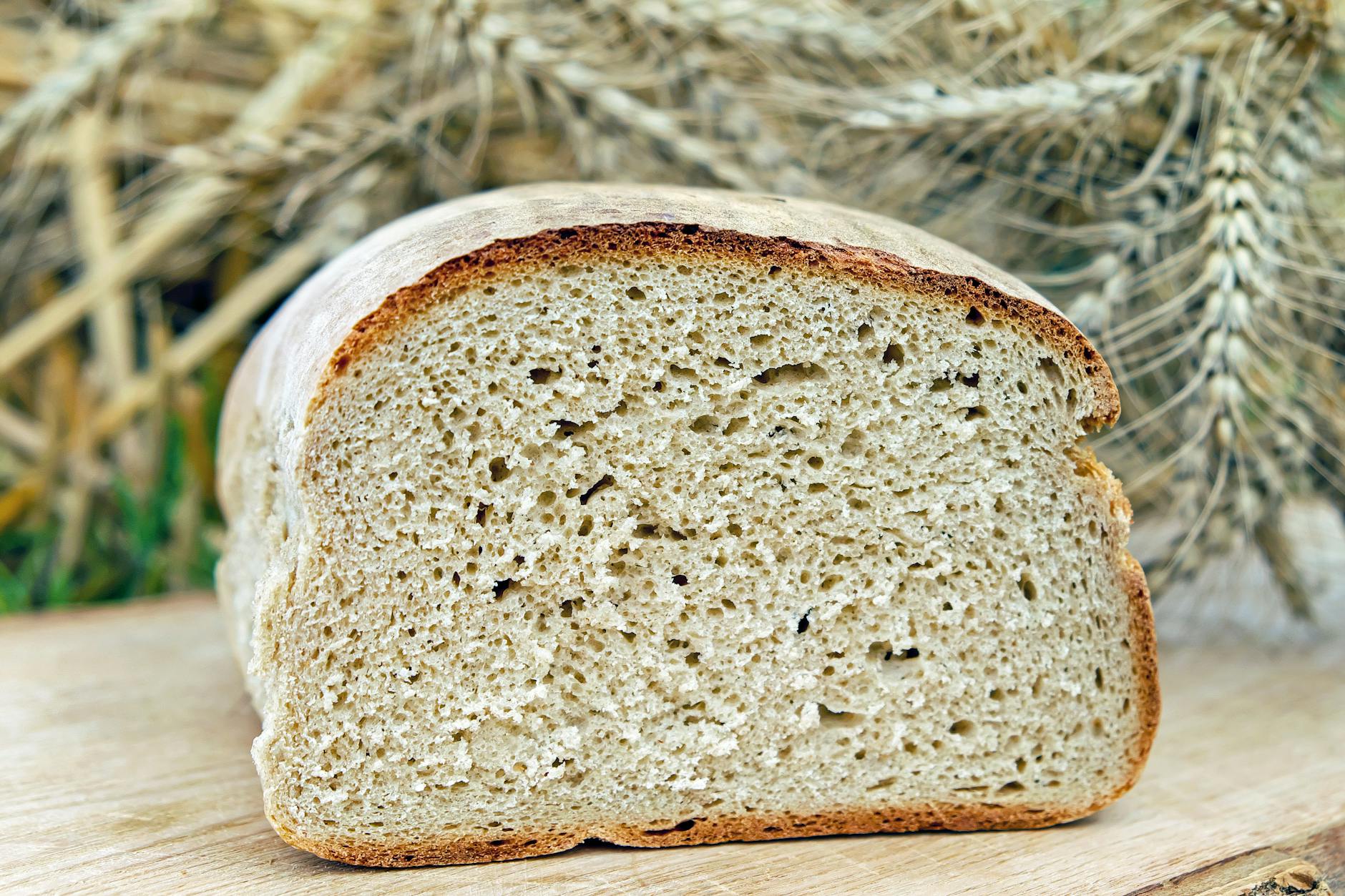
Yes, cats can eat bread safely in small amounts, but it offers no nutritional benefit and should only be given as an occasional treat. Plain white or wheat bread is not toxic to cats, so if your cat sneaks a bite from your sandwich or nibbles on a piece you dropped on the floor, there is no need to panic. However, bread is essentially empty calories for felines, and some types of bread contain ingredients that can be harmful.
A cat named Oliver who regularly begged for toast from his owner developed weight issues within a year because his family did not realize those small bread pieces were adding up to significant extra calories in his diet. The key distinction is between plain bread and bread products that contain dangerous additions. Raw bread dough is genuinely dangerous and can cause life-threatening complications, while breads containing garlic, onions, raisins, or xylitol can be toxic. This article covers what makes bread safe or unsafe for cats, the nutritional reality of feeding bread to felines, specific bread types to avoid, how much bread is acceptable, and what symptoms to watch for if your cat eats something they should not have.
Table of Contents
- Is Bread Safe for Cats to Eat?
- Nutritional Value of Bread for Feline Diets
- Types of Bread That Are Dangerous for Cats
- How Much Bread Can You Safely Give a Cat
- Signs of Bread-Related Digestive Problems in Cats
- Cats with Health Conditions and Bread Consumption
- Healthy Alternatives to Bread for Cat Treats
- Conclusion
Is Bread Safe for Cats to Eat?
Plain baked bread is technically safe for cats in the sense that it will not poison them or cause immediate harm. Cats are obligate carnivores, meaning their bodies are designed to derive nutrition almost exclusively from meat. Their digestive systems lack the enzymes to efficiently process carbohydrates, so while bread passes through their system without toxicity, it also passes through without providing meaningful nutrition. When a cat eats bread, they are essentially filling up on food that does nothing for their health. The safety of bread depends entirely on its ingredients. A plain piece of white bread or whole wheat bread without any toppings or seasonings falls into the harmless category.
However, many commercial breads contain added ingredients that change this equation entirely. Breads with cheese, butter, or oils add unnecessary fats. Flavored breads or those with mix-ins can contain ingredients ranging from mildly problematic to genuinely toxic. For example, a slice of cinnamon raisin bread poses a real danger because raisins can cause kidney failure in cats, even in small quantities. The texture and freshness of bread also matter. Stale or moldy bread should never be given to cats, as mold can produce mycotoxins that cause neurological symptoms and other serious health problems. Even bread that appears only slightly past its prime may harbor invisible mold spores that could make your cat sick.
Nutritional Value of Bread for Feline Diets
Bread provides almost nothing that a cat needs nutritionally. Cats require high levels of protein, specific amino acids like taurine, and certain fatty acids that come from animal sources. Bread is primarily carbohydrates, which cats have limited ability to metabolize. When you feed a cat bread, you are essentially giving them a food that takes up stomach space without delivering the nutrients their body requires to function properly. A typical slice of white bread contains around 75 calories, which may not sound like much until you consider cat caloric needs in context. An average ten-pound indoor cat needs approximately 200 to 250 calories per day.
A single slice of bread could represent 30 percent or more of their daily caloric intake while providing none of the essential nutrients they need. This is why veterinary nutritionists consistently advise against making bread a regular part of any cat’s diet, even for cats who seem to love it. However, if your cat is a picky eater who refuses medication, a small piece of bread can sometimes serve as a vehicle for hiding pills. This represents one of the few practical uses for bread in cat care. The soft texture allows you to create a pocket for medication, and many cats will eat the bread without detecting the pill inside. This works best with cats who have shown a genuine interest in bread, as others will simply reject the offering regardless of what is hidden inside.
Types of Bread That Are Dangerous for Cats
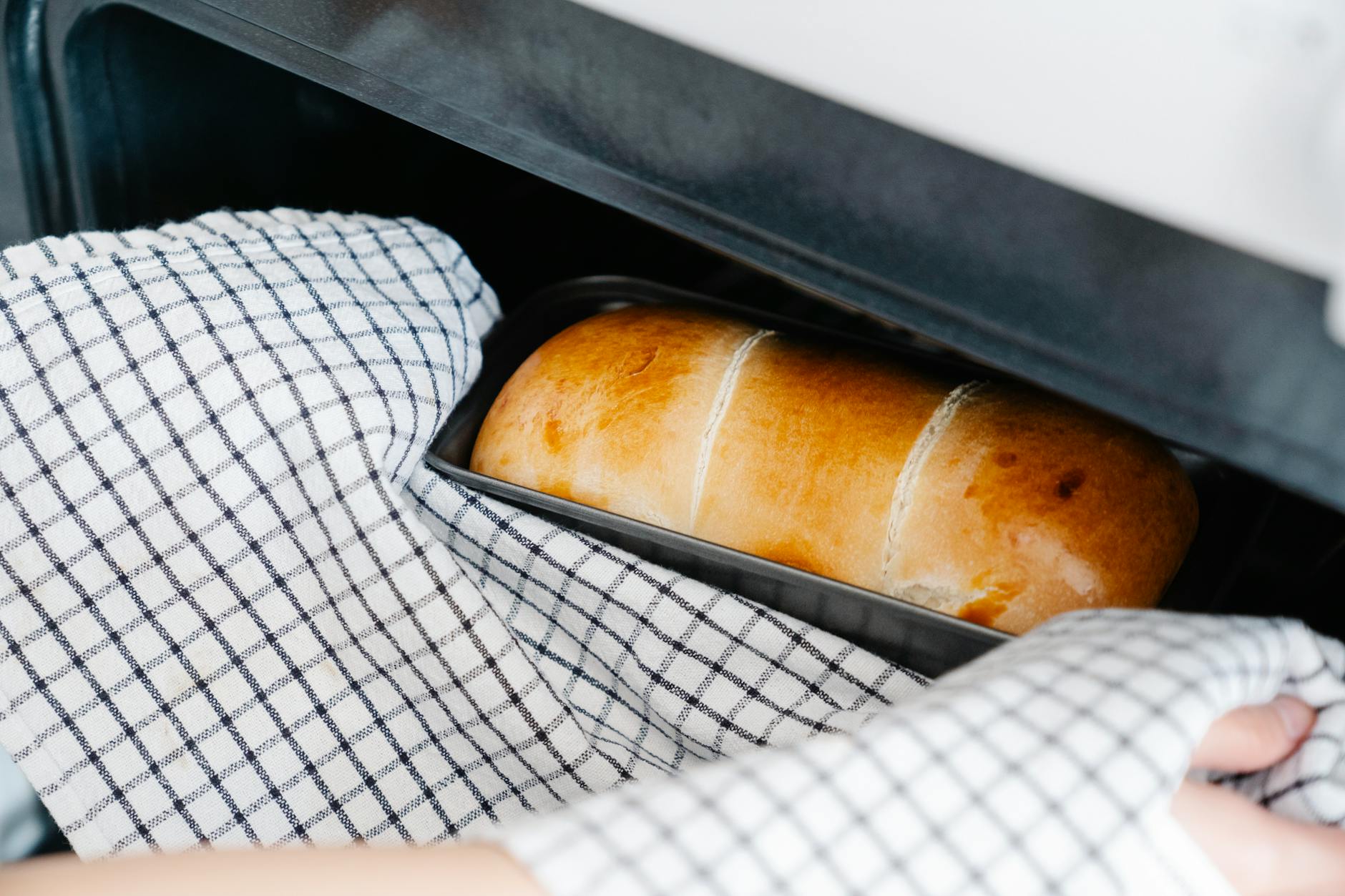
Raw bread dough represents the most serious bread-related danger for cats. When a cat ingests raw dough, the warm, moist environment of their stomach causes the yeast to continue fermenting. This produces alcohol as a byproduct and causes the dough to expand. The expansion can lead to bloating, gastric dilation, and in severe cases, stomach rupture. The alcohol produced through fermentation can cause alcohol poisoning, leading to symptoms like disorientation, vomiting, decreased body temperature, and potentially death. A cat who consumes raw bread dough requires immediate veterinary attention.
Garlic bread and onion-flavored breads are toxic to cats because allium family vegetables damage feline red blood cells, leading to a condition called hemolytic anemia. This damage can occur from even small amounts consumed over time, so regular exposure to garlic bread is more dangerous than a single incident. Raisin bread poses a risk of acute kidney injury, and the toxic dose varies unpredictably between individual cats. Some cats can eat a few raisins with no apparent effect, while others develop kidney failure from the same amount. Breads sweetened with xylitol, an artificial sweetener increasingly common in low-sugar and keto-friendly products, can cause rapid insulin release in cats, leading to dangerous drops in blood sugar. Nut breads, particularly those containing macadamia nuts, can cause weakness, vomiting, and hyperthermia. When in doubt about any ingredient in a bread product, the safest approach is to avoid giving it to your cat entirely.
How Much Bread Can You Safely Give a Cat
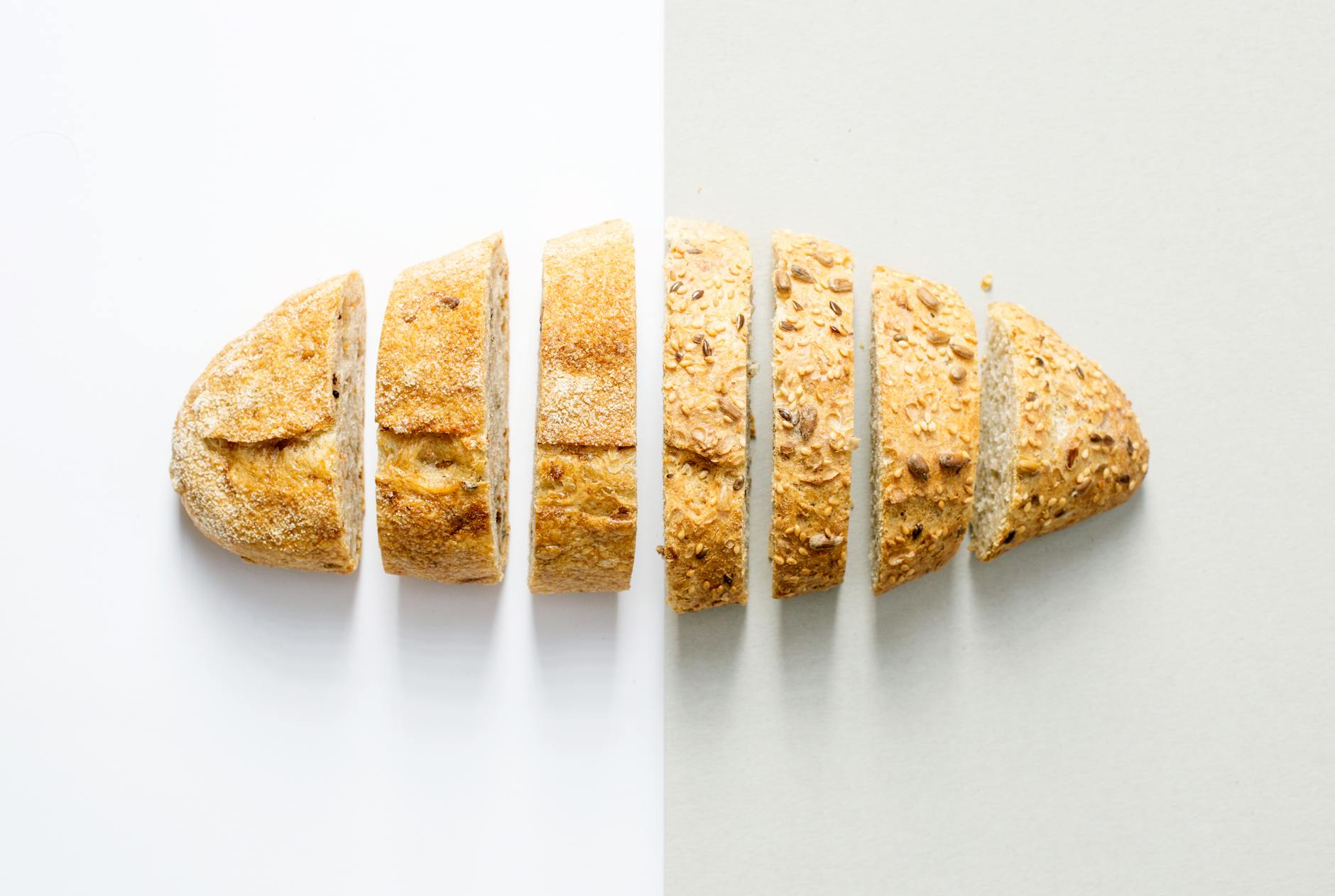
If you choose to give your cat bread, the portion should be genuinely tiny. A piece about the size of your fingernail, given no more than once or twice a week, falls within the range most veterinarians consider acceptable for healthy adult cats. This amount is small enough that it will not significantly impact their caloric intake or nutritional balance while still allowing them to enjoy an occasional treat. The tradeoff with bread treats involves displacement of nutritious food.
Every calorie a cat consumes from bread is a calorie that could have come from species-appropriate food containing the protein, fat, vitamins, and minerals they actually need. For a cat already eating a nutritionally complete diet, the occasional bread nibble will not cause deficiencies. For cats with existing health issues or those who are picky eaters barely meeting their nutritional needs, bread treats become more problematic because they fill the cat up without contributing to their health. Compared to purpose-made cat treats, bread is neither better nor worse from a pure safety standpoint, but commercial cat treats are typically formulated with feline nutritional needs in mind and often contain added taurine or other beneficial ingredients. The choice between bread and commercial treats often comes down to convenience and your individual cat’s preferences rather than any significant health difference, assuming both are given in appropriate quantities.
Signs of Bread-Related Digestive Problems in Cats
Cats who eat too much bread or whose systems do not tolerate it well may develop gastrointestinal symptoms. Vomiting, diarrhea, constipation, and decreased appetite can all indicate that bread is not agreeing with your cat’s digestive system. Some cats have more sensitive stomachs than others, and what one cat tolerates easily might cause another to have digestive upset for days. A more serious concern is the potential for bread to contribute to obesity and its related health problems over time. Feline obesity increases the risk of diabetes, joint problems, liver disease, and shortened lifespan.
Because bread is calorie-dense relative to its volume and provides no nutritional benefit, it can contribute to weight gain without owners realizing it. A cat who receives bread regularly alongside their normal food intake will inevitably gain weight unless their regular meals are reduced to compensate, and reducing nutritious food to make room for empty calories defeats the purpose of feeding a balanced diet. If your cat shows any signs of allergic reaction after eating bread, including facial swelling, difficulty breathing, or hives, seek veterinary care immediately. True food allergies in cats are relatively rare but can occur, and wheat is among the more common allergens. More often, cats experience food intolerance rather than true allergy, resulting in digestive symptoms rather than immune system reactions.
Cats with Health Conditions and Bread Consumption
Diabetic cats should not receive bread treats. The carbohydrates in bread cause blood sugar spikes that are problematic for cats with diabetes, potentially destabilizing their glucose levels and making management more difficult.
Similarly, cats with inflammatory bowel disease or other chronic digestive conditions often do better on limited-ingredient diets and may react poorly to the addition of bread. For example, a diabetic cat named Whiskers whose owner occasionally gave bread as a treat required frequent insulin dosage adjustments. Once bread was removed from the diet entirely, blood glucose levels stabilized and became more predictable, simplifying management for both the cat and the veterinary team.
Healthy Alternatives to Bread for Cat Treats
If you want to give your cat treats, options that align with their carnivorous nature provide actual nutritional benefits. Small pieces of cooked chicken, turkey, or fish offer protein and amino acids cats need while still serving as rewards or bonding tools. Freeze-dried meat treats, now widely available in pet stores, provide the convenience of shelf-stable treats while consisting entirely of ingredients cats can properly digest and utilize.
Some cats enjoy cooked egg as an occasional treat, which provides protein and healthy fats. Commercial cat treats formulated specifically for felines often include added vitamins and minerals, turning treat time into a minor nutritional supplement rather than empty calories. The key principle is choosing treats that work with your cat’s biological needs rather than against them, even if bread remains technically safe in small amounts.
Conclusion
Cats can safely eat small amounts of plain baked bread without immediate health consequences, but bread offers them nothing nutritionally and should be considered an occasional indulgence at most. The real dangers lie in bread dough, which can cause alcohol poisoning and gastric complications, and in breads containing toxic ingredients like garlic, onions, raisins, or xylitol.
Even plain bread contributes empty calories that can lead to weight problems over time. For cat owners who want to share food with their pets, understanding which human foods are safe and which are dangerous helps protect feline health while still allowing occasional treats. When in doubt, sticking with species-appropriate treats made from meat or fish ensures your cat enjoys something that actually benefits them rather than simply being tolerated by their system.