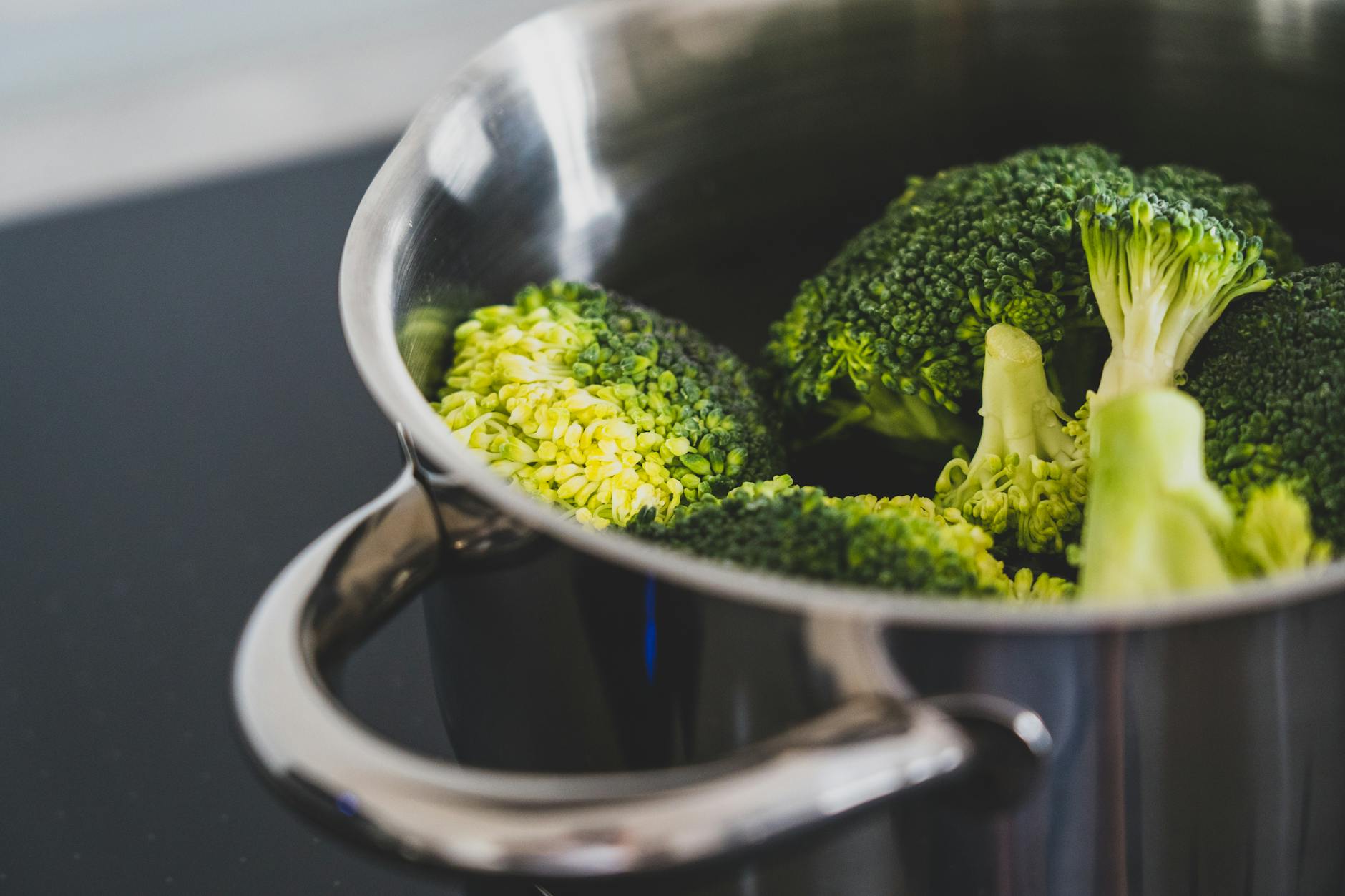
Yes, broccoli is generally safe for cats to eat in small amounts. Both raw and cooked broccoli are non-toxic to felines, and the vegetable can even offer minor nutritional benefits like fiber and vitamins C and K. If your cat snags a small floret off your plate, there is no reason to panic or call your veterinarian. Most cats will be perfectly fine after nibbling on a bit of this cruciferous vegetable.
That said, safe does not mean ideal. Cats are obligate carnivores, which means their digestive systems are built to process meat, not plant matter. A cat that eats too much broccoli may end up with gas, bloating, or loose stools simply because its gut is not designed to break down large quantities of vegetable fiber. One owner on a popular veterinary forum described her cat vomiting after eating several large broccoli florets in one sitting, a reminder that moderation matters more than the food itself. This article covers how much broccoli is appropriate, how to prepare it safely, which parts of the plant to avoid, and when broccoli might actually cause problems for certain cats.
Table of Contents
- Can Cats Eat Broccoli Without Getting Sick?
- How Much Broccoli Can a Cat Safely Eat?
- Raw vs. Cooked Broccoli for Cats
- How to Introduce Broccoli Into Your Cat’s Diet
- When Broccoli Can Cause Problems for Cats
- Broccoli Sprouts and Broccoli Leaves
- Putting Broccoli in Perspective Among Cat-Safe Vegetables
- Conclusion
- Frequently Asked Questions
Can Cats Eat Broccoli Without Getting Sick?
In the vast majority of cases, a healthy adult cat can eat a small piece of broccoli without any adverse effects. The ASPCA lists broccoli as non-toxic to cats, and no major veterinary organization has flagged it as a dangerous food. Compare this to garlic or onions, which can destroy a cat’s red blood cells even in small doses, and broccoli looks downright benign. It sits in the same general safety category as carrots or green beans when it comes to feline consumption. The key distinction is between “safe” and “beneficial.” A cat’s liver and digestive enzymes are optimized for breaking down animal proteins and fats. Plant-based foods pass through the system less efficiently, and cats extract far fewer nutrients from vegetables than humans or even dogs do.
A cat eating broccoli is getting some fiber and a negligible amount of vitamins, but it is not getting anything it cannot obtain more effectively from a quality meat-based diet. Think of broccoli as a harmless snack rather than a nutritional supplement. Where things can go sideways is quantity. A couple of small florets once or twice a week is unlikely to cause issues. But if a cat regularly eats large portions of broccoli, the excess fiber and complex sugars called raffinose can ferment in the gut, producing uncomfortable gas and digestive upset. Cats with sensitive stomachs or inflammatory bowel disease may react poorly even to small amounts.
How Much Broccoli Can a Cat Safely Eat?
A reasonable guideline is that broccoli and other non-meat treats should make up no more than five to ten percent of a cat‘s daily caloric intake. For an average ten-pound indoor cat consuming roughly 200 calories per day, that translates to about one or two small florets at most. This is not a precise science, but it gives you a working boundary. If you are already offering other treats like commercial cat treats or bits of cooked chicken, the broccoli should be factored into that same ten percent ceiling. However, if your cat has a history of gastrointestinal problems, even a small amount of broccoli could trigger symptoms. Cats with chronic kidney disease, for example, are often on carefully controlled diets where any deviation can affect phosphorus and potassium balance.
Broccoli contains moderate levels of both minerals. If your cat is on a prescription diet for any reason, check with your vet before introducing new foods, even ones that are technically non-toxic. Portion control also matters because cats are small animals. What looks like a tiny amount of broccoli to a human represents a proportionally large serving for an eight-pound cat. A single large floret might be the caloric equivalent of a full side dish for your pet. Start with a piece no bigger than your thumbnail and observe how your cat reacts over the next 24 hours before offering more.
Raw vs. Cooked Broccoli for Cats
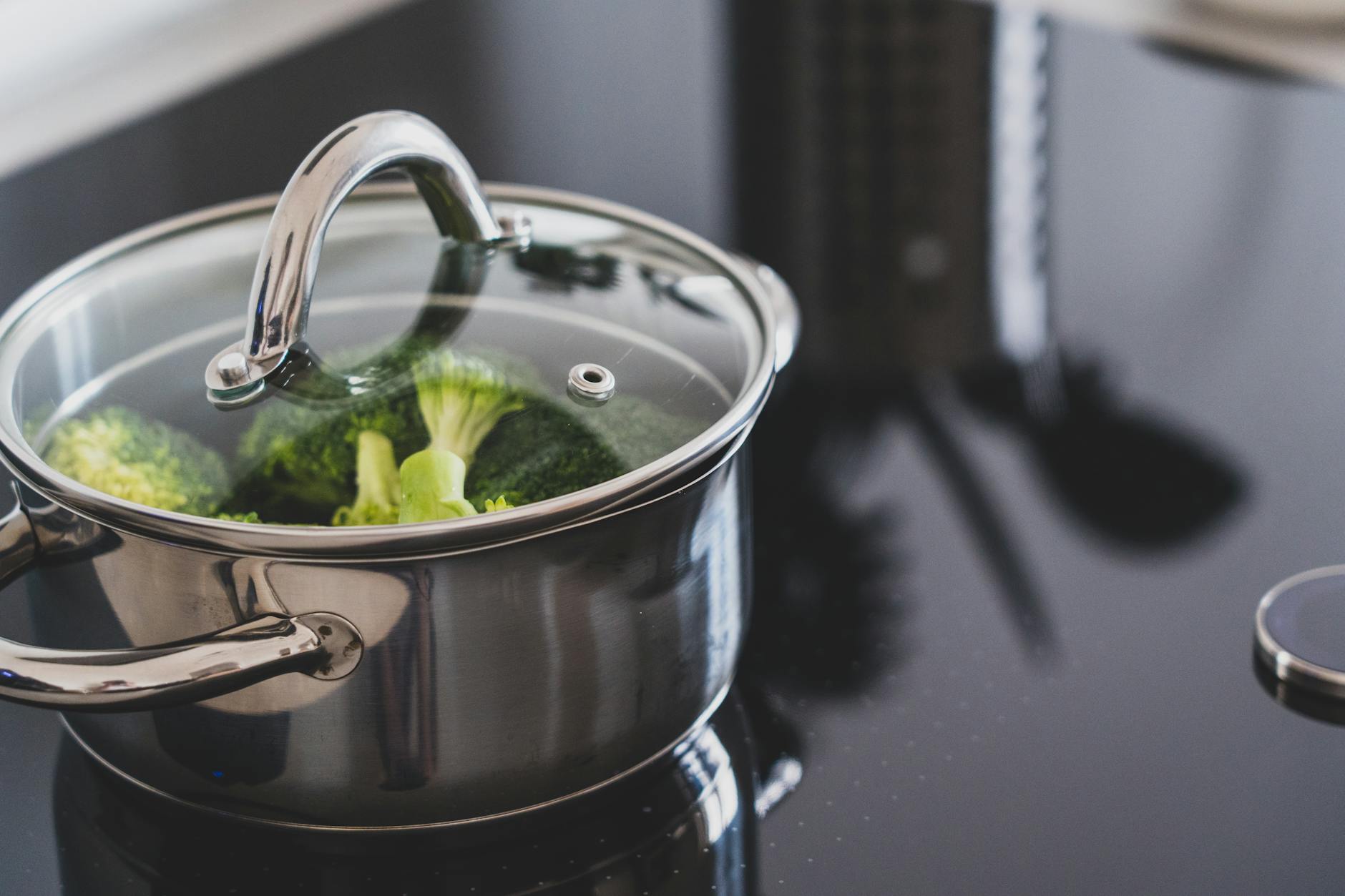
Both raw and cooked broccoli are safe, but cooked is generally the better option. Lightly steamed broccoli is softer and easier for a cat to chew and digest. Raw broccoli florets can be tough and fibrous, posing a mild choking risk especially for kittens or older cats with dental issues. Steaming also breaks down some of the cell walls in the vegetable, which can reduce the amount of gas-producing compounds your cat’s gut has to contend with. One important caveat with cooked broccoli is preparation method. Plain steamed or boiled broccoli is fine.
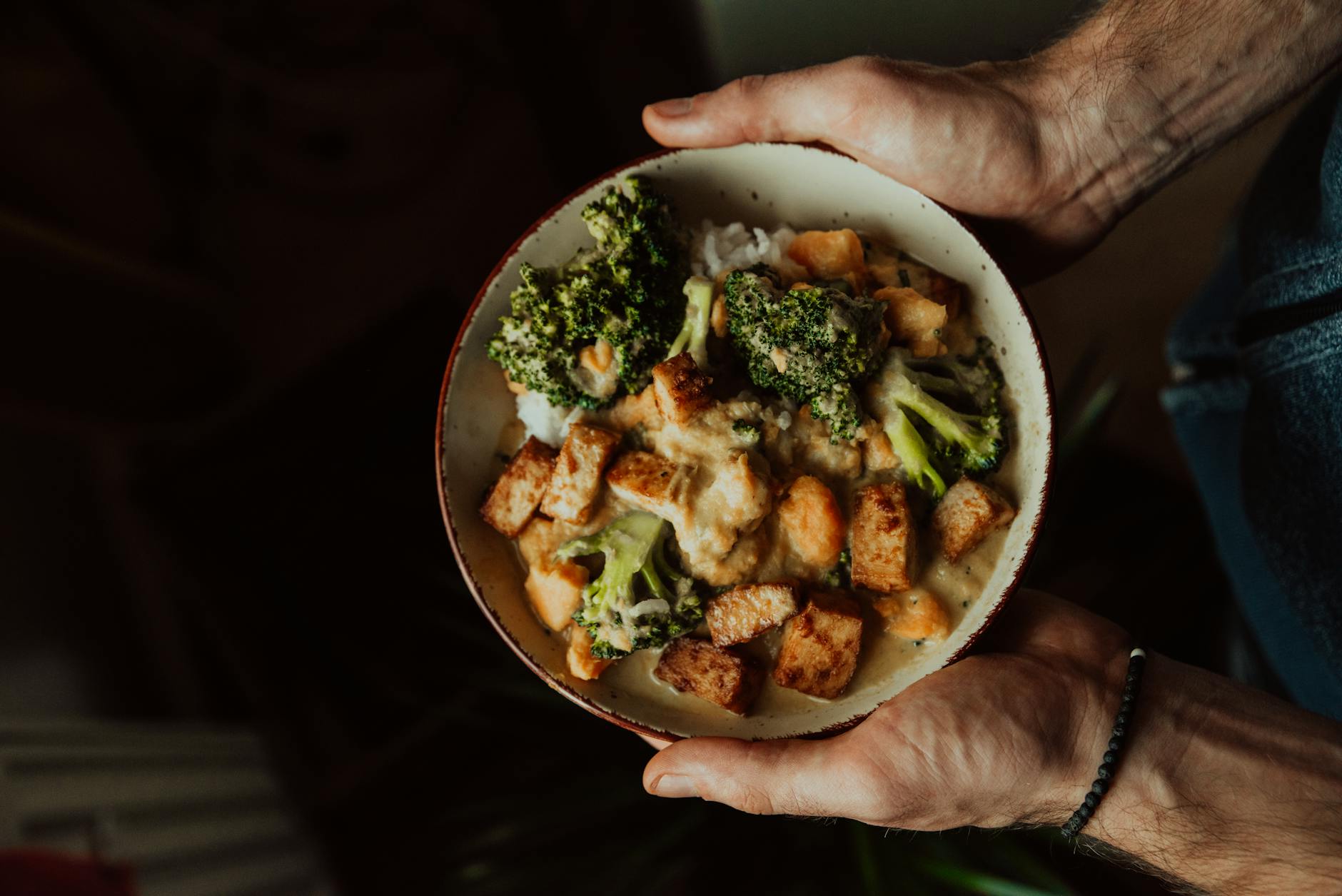
Broccoli that has been sautéed in butter, garlic, onion, or heavy seasoning is not. Garlic and onion are both toxic to cats, and even garlic powder or onion salt used as seasoning can be harmful. A common scenario is a well-meaning owner tossing their cat a piece of broccoli from a stir-fry without thinking about the sauce it was cooked in. If the broccoli touched garlic, soy sauce with high sodium, or any allium-family ingredient, do not give it to your cat. Roasted broccoli with olive oil is generally acceptable in very small amounts, though the added fat is unnecessary for a cat and can contribute to weight gain over time. The simplest and safest approach is to steam a plain floret separately if you want to share your vegetables with your cat.
How to Introduce Broccoli Into Your Cat’s Diet
If you want to offer broccoli as an occasional treat, the safest approach is to introduce it gradually. Start with a single small piece of steamed broccoli, roughly the size of a pea, and place it alongside your cat’s regular food. Many cats will sniff it and walk away, which is a perfectly normal response. Cats lack the taste receptors for sweetness and have far fewer taste buds than humans overall, so vegetables hold limited appeal for most felines. For cats that do show interest, the tradeoff to consider is between broccoli and other treat options.
A small piece of plain cooked chicken or a commercial freeze-dried meat treat provides protein that your cat can actually use, while broccoli offers fiber that your cat may or may not need. If your cat is constipated or could benefit from additional fiber, broccoli might serve a functional purpose. But if you are simply looking for a treat your cat enjoys, meat-based options are almost always more appropriate from a nutritional standpoint. Some owners blend small amounts of steamed broccoli into homemade cat food as a fiber source. This can work, but it should be done under veterinary guidance, especially if the homemade diet is the cat’s primary food source. Nutritional deficiencies in homemade cat diets are common and well-documented, and adding broccoli does not solve for the amino acids, fatty acids, and micronutrients that a cat requires from animal sources.
When Broccoli Can Cause Problems for Cats
The most common issue is gastrointestinal discomfort. Broccoli contains raffinose, a complex sugar that cats lack the enzyme to fully digest. When raffinose reaches the large intestine undigested, gut bacteria ferment it and produce gas. A cat that eats too much broccoli may experience bloating, flatulence, and abdominal discomfort. In more extreme cases, diarrhea or vomiting can occur. A less obvious concern involves cats with thyroid conditions. Broccoli belongs to the cruciferous vegetable family, which contains goitrogens, compounds that can interfere with thyroid function in large quantities.
For a healthy cat eating an occasional floret, this is not a meaningful risk. But cats with hyperthyroidism, one of the most common endocrine disorders in older cats, are already dealing with a dysregulated thyroid. While the amount of goitrogens in a few bites of broccoli is unlikely to move the needle clinically, it is worth mentioning to your vet if your hyperthyroid cat has developed a broccoli habit. There is also the choking and obstruction risk, particularly with broccoli stalks. The thick, fibrous stem of a broccoli stalk does not break down easily and can be difficult for a cat to chew properly. If swallowed in a large chunk, it could theoretically cause an esophageal or intestinal obstruction. Stick to the softer floret tops and cut them into small, manageable pieces.
Broccoli Sprouts and Broccoli Leaves
Broccoli sprouts have gained attention in human nutrition for their high concentration of sulforaphane, an antioxidant compound. Some pet supplement companies have started including broccoli sprout extract in products marketed for cats and dogs. While sulforaphane has shown anti-inflammatory properties in laboratory studies, there is very limited research on its effects in cats specifically.
If you encounter these supplements, treat the claims with appropriate skepticism and consult your veterinarian before adding them to your cat’s regimen. Broccoli leaves, the large outer leaves of the plant that most people discard, are also non-toxic to cats. They tend to be softer than the stalks and can be easier for some cats to nibble on. However, they offer no particular advantage over the florets and carry the same moderation guidelines.
Putting Broccoli in Perspective Among Cat-Safe Vegetables
The broader question behind whether cats can eat broccoli is really about what role, if any, plant matter should play in a feline diet. Veterinary nutritionists broadly agree that cats thrive on meat-based diets and that vegetables are supplemental at best. The trend toward adding vegetables to cat food is driven more by human dietary values being projected onto pets than by feline nutritional science.
Looking ahead, the pet food industry continues to experiment with plant-based ingredients as sustainability concerns grow. Some commercial cat foods now include pea protein, sweet potato, and other vegetable components. Whether broccoli or its derivatives become a more common ingredient in feline diets will depend on ongoing research into digestibility and bioavailability for cats. For now, the practical takeaway remains straightforward: a little broccoli will not hurt your cat, but it is not something your cat needs, and meat should always remain the foundation of its diet.
Conclusion
Broccoli is safe for cats in small, infrequent portions. A couple of bite-sized steamed florets offered once or twice a week falls well within the bounds of what most healthy cats can handle without digestive trouble. Avoid seasoned or garlic-cooked broccoli, keep portions small, and favor the soft floret tops over the tough stalks.
If your cat has any existing health conditions, particularly thyroid or kidney issues, consult your veterinarian before making broccoli a regular part of its diet. At the end of the day, most cats will not be particularly interested in broccoli anyway. If yours happens to be one of the outliers that genuinely enjoys it, treat it the way you would any other snack: as a small extra, not a dietary staple. Your cat’s nutritional needs are best met through high-quality, meat-based cat food, and no amount of broccoli changes that fundamental reality.
Frequently Asked Questions
Can kittens eat broccoli?
Kittens can technically eat a tiny piece of cooked broccoli, but it is not recommended. Kittens have more sensitive digestive systems than adult cats and need calorie-dense, protein-rich food to support their rapid growth. Broccoli takes up stomach space without providing the nutrients a kitten needs. Wait until your cat is fully grown before offering any vegetable treats.
My cat ate a lot of broccoli. Should I call the vet?
If your cat ate a large quantity of plain broccoli, monitor for vomiting, diarrhea, or signs of abdominal pain over the next 12 to 24 hours. These symptoms are usually self-limiting. However, if the broccoli was cooked with garlic, onion, or heavy seasoning, contact your vet promptly, as those ingredients are genuinely toxic to cats.
Is frozen broccoli safe for cats?
Yes, frozen broccoli that has been thawed and cooked is just as safe as fresh broccoli. Avoid giving your cat frozen broccoli straight from the bag, as the hard, icy texture can be a choking hazard and is unpleasant for most cats to eat.
Can broccoli replace fiber supplements for cats?
Broccoli does contain fiber, but it is not a reliable substitute for a veterinary-prescribed fiber supplement. Products like psyllium husk or specific prescription diets deliver controlled, consistent amounts of fiber. Broccoli’s fiber content varies and its digestibility in cats is limited. If your cat needs more fiber, work with your vet on a proper plan.
Do any cats have broccoli allergies?
True food allergies in cats are uncommon and most often involve proteins like chicken, fish, or beef rather than vegetables. That said, any food can theoretically trigger an adverse reaction. If your cat develops itching, facial swelling, or gastrointestinal symptoms after eating broccoli for the first time, discontinue it and consult your veterinarian.