
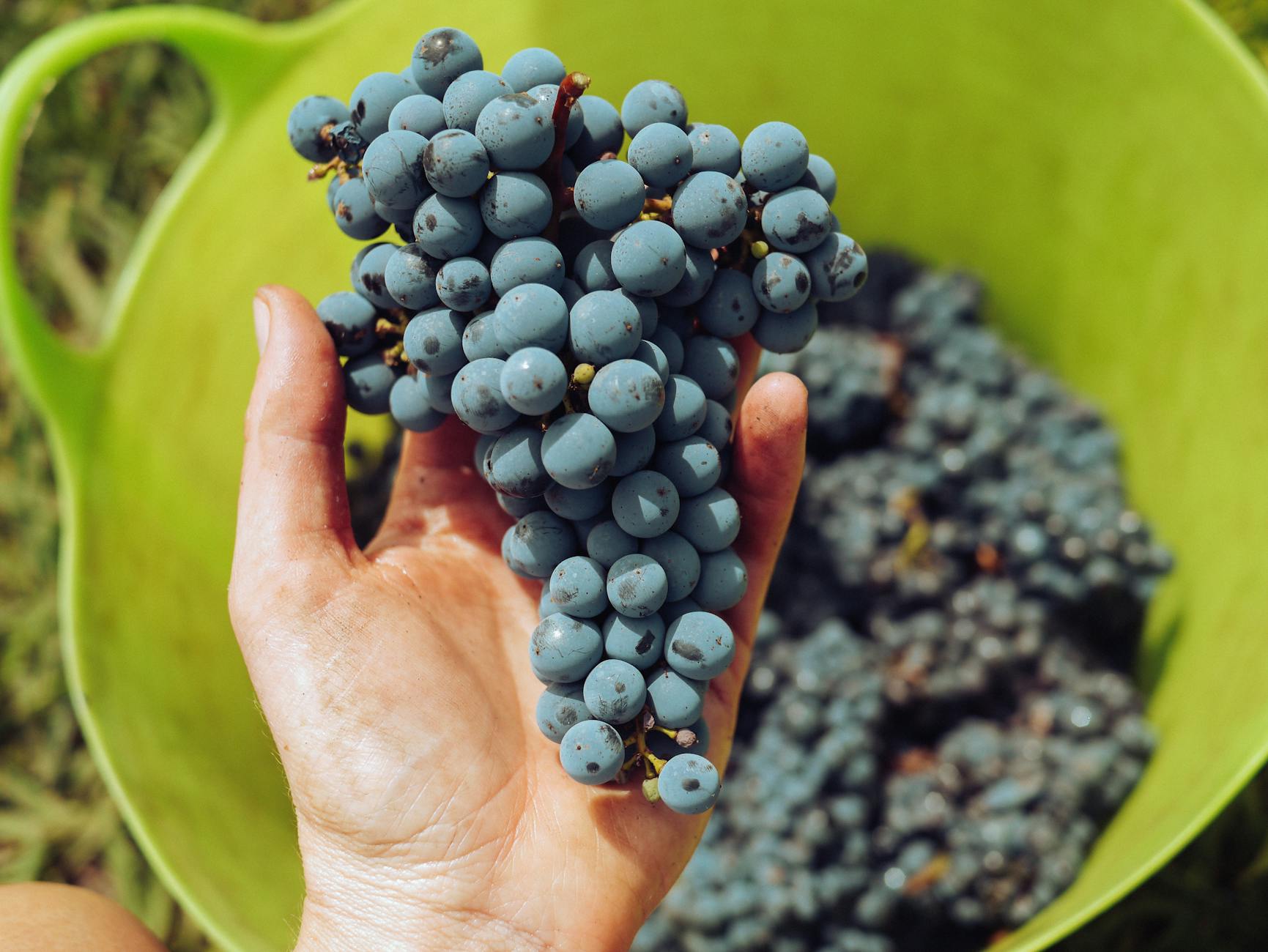
Yes, grapes are toxic to cats. While grapes and raisins are more commonly associated with poisoning in dogs, they pose a real and serious risk to cats as well. Even a small amount of grape flesh, skin, or juice can potentially trigger acute kidney injury in a feline, and the toxic mechanism remains poorly understood by veterinary researchers. A cat who swipes a grape off a kitchen counter and chews into it is not in guaranteed danger every single time, but the unpredictability of the reaction is exactly what makes grapes so hazardous. Some cats may consume a grape and show no immediate symptoms, while others develop kidney failure from the same quantity.
That inconsistency is not a reason for comfort — it is a reason to treat every exposure as an emergency. The danger extends beyond whole grapes. Raisins, currants, grape juice, wine, and even grape-containing baked goods like certain breads and trail mixes can all be problematic. If your cat has eaten any grape product, the safest course of action is to contact your veterinarian or an animal poison control hotline immediately, regardless of whether symptoms have appeared. This article covers the science behind grape toxicity in cats, the specific symptoms to watch for, what to do if your cat eats a grape, and how to prevent accidental exposure in a household where grapes are regularly consumed.
Table of Contents
- Why Are Grapes Dangerous for Cats and What Makes Them Toxic?
- Recognizing the Symptoms of Grape Poisoning in Cats
- What to Do If Your Cat Eats a Grape
- Grapes vs. Other Common Household Foods That Are Toxic to Cats
- Why Indoor Cats Are Not Automatically Safe from Grape Exposure
- Are Some Grape Varieties or Forms More Dangerous Than Others?
- Ongoing Research and What Veterinary Science Still Doesn’t Know
- Conclusion
- Frequently Asked Questions
Why Are Grapes Dangerous for Cats and What Makes Them Toxic?
For decades, veterinarians have known that grapes cause kidney damage in dogs, but the specific compound responsible remained elusive. In 2021, researchers at the ASPCA Animal Poison Control Center identified tartaric acid as the likely culprit. Tartaric acid is found naturally in grapes at varying concentrations depending on the variety, ripeness, and growing conditions, which helps explain why toxicity reactions are so inconsistent across animals. Some grape varieties contain higher levels of tartaric acid than others, and raisins concentrate the compound further as the fruit dries, making them potentially more dangerous per gram than fresh grapes. The research on tartaric acid was conducted primarily with dogs, and the veterinary community has been slower to study the specific mechanism in cats. However, cats are known to be more sensitive to many substances than dogs due to their smaller body size and differences in liver metabolism. A cat’s liver lacks certain enzymatic pathways that other species use to process plant-based compounds, which is the same reason cats are more vulnerable to essential oils, onions, and certain medications.
The working assumption among veterinary toxicologists is that tartaric acid affects feline kidneys through a similar pathway as in dogs, but the threshold dose — the amount needed to cause damage — may be even lower in cats. No safe dose has been established for either species. It is worth noting that not every cat who eats a grape will develop kidney failure. This is not because some cats are immune. It likely reflects the variable tartaric acid content in individual grapes. A cat could eat one grape from a batch with low tartaric acid and appear fine, then eat a grape from a different batch weeks later and become critically ill. Relying on a previous uneventful exposure as evidence of safety is a serious mistake that veterinarians see pet owners make repeatedly.
Recognizing the Symptoms of Grape Poisoning in Cats
The symptoms of grape toxicity in cats typically appear within six to twelve hours of ingestion, though some cats may not show obvious signs for up to twenty-four hours. The earliest indicators are usually gastrointestinal: vomiting, diarrhea, loss of appetite, and lethargy. A cat may vomit repeatedly in the first few hours and then seem to recover briefly before more serious symptoms set in. That temporary improvement can mislead owners into thinking the danger has passed, when in reality the kidneys may already be sustaining damage. As kidney injury progresses, symptoms shift from gastrointestinal distress to signs of renal failure. These include a dramatic increase or decrease in urination, excessive thirst, dehydration, abdominal pain, and a noticeable drop in energy. In severe cases, a cat may stop producing urine entirely, which indicates that the kidneys have shut down and is a life-threatening emergency.
Breath that smells like ammonia or has an unusually foul odor can also signal that waste products are accumulating in the bloodstream because the kidneys can no longer filter them. However, if your cat is already showing these advanced symptoms, the window for effective treatment has narrowed considerably. Early intervention — ideally within the first two hours of ingestion — produces the best outcomes. One important limitation in recognizing grape poisoning is that cats are notoriously skilled at hiding illness. A cat in the early stages of kidney distress may simply retreat to a quiet corner and sleep more than usual, which many owners dismiss as normal behavior. If you know or suspect your cat has eaten a grape, do not wait for symptoms to confirm the exposure. Act on the knowledge of ingestion alone.
What to Do If Your Cat Eats a Grape
If you catch your cat eating a grape or find evidence that it has — a chewed grape on the floor, grape residue on a paw — call your veterinarian or the ASPCA Animal Poison Control Center (888-426-4435) immediately. Do not attempt to induce vomiting at home unless specifically instructed to do so by a veterinary professional. Cats respond poorly to many home emetics, and hydrogen peroxide, which is sometimes used in dogs, can cause severe gastric ulceration in cats. Giving your cat salt water or other home remedies to trigger vomiting can create additional medical problems on top of the grape exposure. A veterinarian who sees your cat within one to two hours of ingestion will likely induce vomiting using injectable medications in a controlled clinical setting, then administer activated charcoal to bind any remaining toxin in the gastrointestinal tract. The cat will then typically be placed on aggressive intravenous fluid therapy for 48 to 72 hours.
The purpose of the fluids is to support kidney function, flush toxins from the bloodstream, and maintain urine output. Blood work will be monitored throughout this period to check kidney values — specifically blood urea nitrogen (BUN) and creatinine — for signs of renal damage. The prognosis depends heavily on how quickly treatment begins. A cat who receives IV fluids within a few hours of eating a grape and whose kidney values remain stable generally recovers fully. A cat who is not brought in until kidney values are already elevated faces a much harder road, potentially including extended hospitalization, dialysis, or in the worst cases, euthanasia due to irreversible kidney failure. A single grape has the potential to cause this cascade. The cost of emergency treatment typically ranges from $500 to $3,000 depending on the duration of hospitalization, which is another reason prevention matters.

Grapes vs. Other Common Household Foods That Are Toxic to Cats
Grapes are far from the only human food that can harm a cat, but they occupy a particularly dangerous category because the toxic dose is unknown and unpredictable. Compare this to chocolate toxicity, where veterinarians can calculate a rough danger threshold based on the type of chocolate and the cat’s weight. With grapes, no such calculation is possible. A single grape might be harmless or it might cause kidney failure, and there is no way to know in advance.
Onions and garlic damage red blood cells in cats and can cause a condition called Heinz body anemia, but this typically requires more sustained or larger exposure — a cat who licks onion soup once is at lower risk than a cat who regularly eats food seasoned with onion powder. Lilies, by contrast, are similar to grapes in their danger profile: extremely toxic to cat kidneys, unpredictable in terms of minimum lethal dose, and capable of causing fatal damage from small exposures. If your household already takes precautions around lilies, extend the same level of caution to grapes and raisins. The tradeoff with grapes is that they are more commonly present in homes and more casually left on counters, tables, and in open fruit bowls than lilies, making accidental exposure a daily risk rather than a seasonal one.
Why Indoor Cats Are Not Automatically Safe from Grape Exposure
Many cat owners assume that because their cat is indoors-only, they have full control over what the animal ingests. This assumption underestimates how resourceful and curious cats can be. Grapes left in a fruit bowl on a kitchen counter are accessible to any cat that can jump, which is virtually all of them. Children eating raisins in a living room can drop them on the floor. A spilled glass of wine may be lapped up by a cat attracted to the puddle. Grape jelly on a knife left on a plate, trail mix with raisins left in an open bag on a table, or a fruit salad set out for a party are all realistic exposure scenarios.
A less obvious risk comes from grape seed extract and related supplements. Some owners take grape seed extract capsules for their own health and leave bottles on countertops or nightstands. If a cat bats a capsule off a surface and chews it open, the concentrated grape compounds inside could be more dangerous than a whole grape. Similarly, some homemade or artisanal pet treat recipes found online include grape-derived ingredients, and while commercially produced cat foods do not contain grapes, homemade diets assembled without veterinary guidance can inadvertently include toxic ingredients. The warning here is straightforward: grape products should be stored and consumed with the same awareness you would apply to medications or cleaning chemicals in a home with cats. The fact that grapes are a common, healthy human food makes them psychologically easy to dismiss as harmless, which is precisely why accidental exposure happens as often as it does.
Are Some Grape Varieties or Forms More Dangerous Than Others?
Raisins are generally considered more dangerous than fresh grapes on a per-weight basis because the drying process concentrates the tartaric acid and other compounds. A small box of raisins contains the equivalent of a large number of grapes compressed into a fraction of the volume, meaning a cat can consume a proportionally higher dose much more quickly. Currants and sultanas carry the same risk.
Red grapes, green grapes, seeded and seedless varieties have all been implicated in toxicity cases, so no type of grape should be considered safer than another. Wine and grape juice present an additional complication because they combine grape-derived toxins with alcohol, which is itself toxic to cats. Even small amounts of alcohol can cause dangerous drops in blood sugar, body temperature, and blood pressure in a cat. A cat who laps up spilled wine is facing a dual toxicity threat, and the interaction between the two substances may compound the damage.
Ongoing Research and What Veterinary Science Still Doesn’t Know
The identification of tartaric acid as the probable toxic agent in 2021 was a significant breakthrough, but the research is far from complete. Scientists still do not fully understand why individual animals — even of the same species, breed, and size — respond so differently to the same grape exposure. Genetic factors, preexisting kidney health, hydration status, and diet may all play roles, but none of these variables have been isolated in controlled feline studies.
Most of the existing data comes from dog cases and from retrospective analysis of poison control call records, which is inherently limited. Until a definitive toxic dose is established and the mechanism is fully mapped in cats, the only responsible guidance is complete avoidance. Future research may eventually allow veterinarians to assess individual risk or develop targeted treatments, but for now, the margin of safety is zero. Treat grapes and all grape-derived products as you would any known poison in a home with cats.
Conclusion
Grapes are genuinely toxic to cats, and the unpredictability of the reaction makes them more dangerous, not less. The fact that tartaric acid has been identified as the likely cause does not yet translate into a known safe threshold, so no amount of grape exposure should be considered acceptable. Symptoms can range from vomiting and lethargy to complete kidney shutdown, and they may not appear for hours after ingestion, making rapid veterinary intervention critical even when a cat appears fine.
The most effective strategy is prevention: store grapes and raisins in sealed containers or in the refrigerator, clean up spills immediately, keep grape-containing foods away from surfaces your cat can access, and educate everyone in your household — including children and guests — about the risk. If exposure does occur, contact your veterinarian or the ASPCA Poison Control hotline without delay. Early treatment with IV fluids and decontamination gives cats the best chance of a full recovery, and waiting to see if symptoms develop can cost your cat its kidneys or its life.
Frequently Asked Questions
Can one grape kill a cat?
It is possible, though not guaranteed. Because no safe dose has been established and individual reactions vary widely, a single grape has the potential to cause fatal kidney failure in some cats. The risk is real enough that veterinarians treat every grape ingestion as a serious emergency.
My cat ate a grape yesterday and seems fine. Should I still worry?
Yes. Symptoms of grape toxicity can be delayed by 12 to 24 hours, and kidney damage can occur silently before outward signs appear. Contact your veterinarian for guidance, as blood work may be needed to confirm that kidney function is normal.
Are grape-flavored products (like candy or soda) dangerous to cats?
Most artificially grape-flavored products do not contain actual grape compounds and are unlikely to cause grape-specific toxicity. However, they often contain sugar, artificial sweeteners like xylitol, or other ingredients that are harmful to cats for different reasons. Keep all human snack foods away from cats as a general rule.
Is grape seed oil safe for cats?
The safety of grape seed oil for cats has not been conclusively established. While some sources suggest that the oil processing removes tartaric acid, there is not enough research to confirm this. Most veterinary professionals recommend avoiding all grape-derived products for cats until more data is available.
What about cats who eat grapes from a backyard grapevine?
Outdoor or indoor-outdoor cats with access to grapevines face the same risk as cats who eat store-bought grapes. The leaves and vines themselves have not been definitively shown to be toxic, but the fruit carries the same danger regardless of whether it was commercially grown or from a home garden.