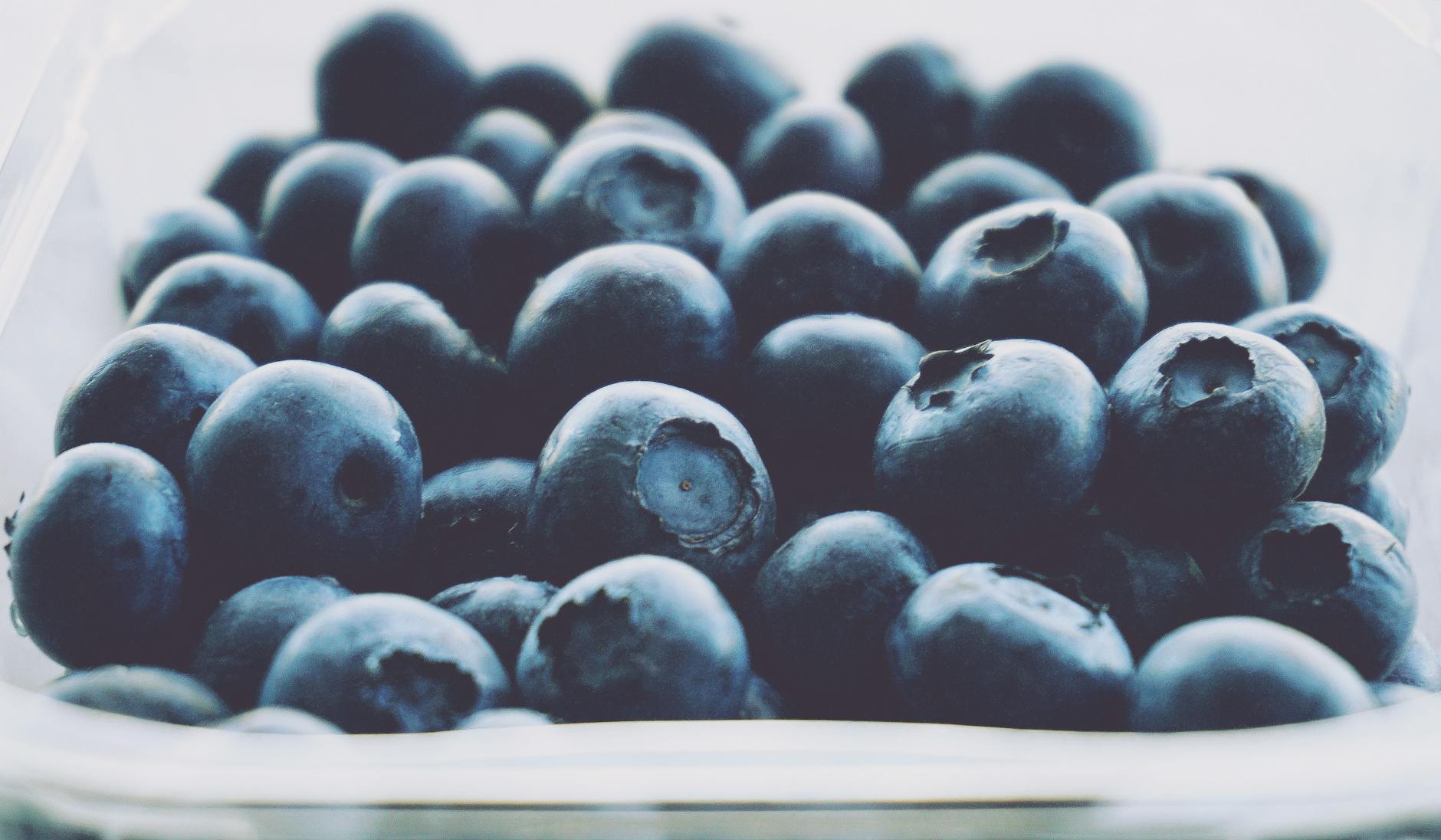
Yes, cats can eat blueberries safely. These small fruits are non-toxic to felines and pose no poisoning risk when offered in modest amounts. If your cat snags a blueberry off the kitchen counter or you toss one across the floor as a toy-slash-snack, there is no reason to panic or call your vet. A single blueberry for a cat is roughly equivalent, proportionally, to a human eating a handful, so moderation matters more than most owners realize.
That said, “safe” and “beneficial” are not the same thing. Cats are obligate carnivores, meaning their bodies are built to extract nutrition almost exclusively from animal protein. They lack the taste receptors for sweetness that make fruit appealing to humans, and their digestive systems are not designed to break down plant matter efficiently. So while blueberries will not harm your cat, they are not a meaningful source of nutrition either. This article covers how many blueberries are appropriate, what the actual nutritional impact is for a feline body, potential digestive concerns, how blueberries compare to other cat-safe fruits, and when you should skip the berry altogether.
Table of Contents
- Are Blueberries Nutritionally Useful for Cats?
- How Many Blueberries Can You Safely Feed a Cat?
- Fresh, Frozen, or Cooked — Which Form Is Best for Cats?
- How Blueberries Compare to Other Fruits Cats Can Eat
- Signs Your Cat Is Not Tolerating Blueberries Well
- Why Most Cats Are Indifferent to Blueberries
- The Role of Fruits and Supplements in the Future of Feline Nutrition
- Conclusion
- Frequently Asked Questions
Are Blueberries Nutritionally Useful for Cats?
Blueberries are often marketed as a superfood for humans, packed with antioxidants, vitamin C, vitamin K, and fiber. The problem is that cats process these nutrients very differently than we do. Cats synthesize their own vitamin C internally, so dietary supplementation is unnecessary for a healthy cat. The antioxidant benefits that make blueberries valuable to humans have not been demonstrated at meaningful levels in feline studies, partly because a cat would need to consume an impractical quantity to see comparable effects. Where blueberries do show up in the feline world is in commercial cat food.
Several brands include blueberry powder or blueberry extract in their formulas, and this is often a marketing decision rather than a nutritional one. The amounts used in kibble are small enough that they are unlikely to cause harm but also unlikely to deliver significant antioxidant benefits. A 2019 review in the Journal of Animal Science noted that while some berry-derived antioxidants showed promise in canine diets, evidence for feline-specific benefits remained thin. The fiber in blueberries can have a mild positive effect for cats that struggle with hairballs or minor constipation, but this is a blunt instrument. If your cat has genuine digestive issues, a veterinarian-recommended fiber supplement or diet change will be far more effective than tossing a few berries into the food bowl.
How Many Blueberries Can You Safely Feed a Cat?
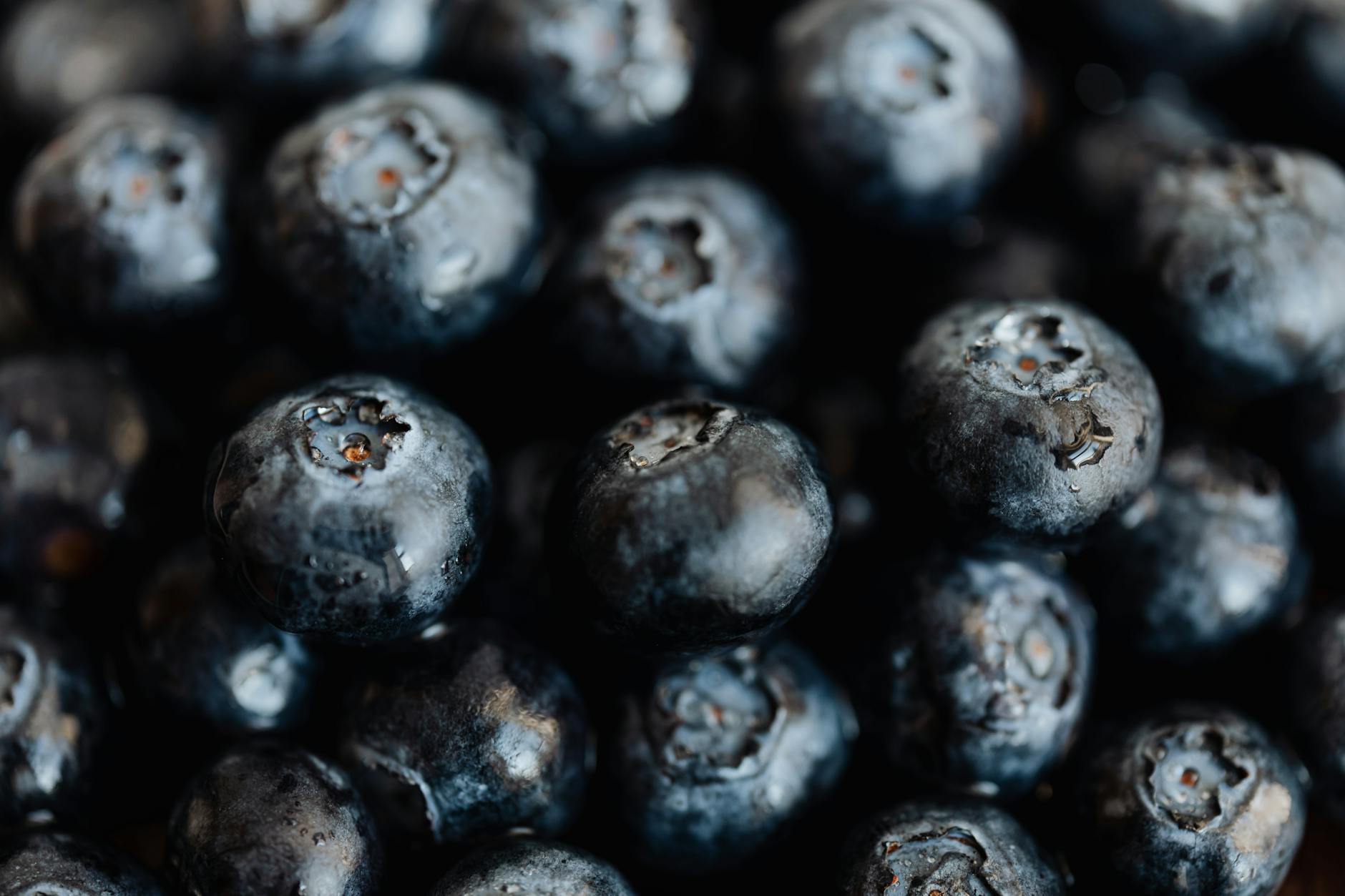
The general veterinary guideline is that treats of any kind, including fruit, should make up no more than ten percent of a cat‘s daily caloric intake. An average indoor cat needs roughly 200 to 250 calories per day. A single blueberry contains about one calorie. So mathematically, even twenty blueberries would fit within the treat allowance, but that number is misleading because volume matters as much as calories when it comes to feline digestion. A more practical limit is two to three blueberries per serving, no more than a few times per week.
Cats have short digestive tracts optimized for processing meat, and introducing too much plant fiber at once can cause loose stools, gas, or vomiting. This is especially true for cats that have never eaten fruit before. If you want to introduce blueberries, start with a single berry and watch for any digestive upset over the next twelve to twenty-four hours. However, if your cat has diabetes or is significantly overweight, even the small amount of natural sugar in blueberries is worth discussing with your vet. Feline diabetes management relies on tight carbohydrate control, and while one blueberry contains less than a gram of sugar, cats with insulin sensitivity issues operate on much narrower margins than humans. A vet managing a diabetic cat’s diet may prefer you skip fruit entirely.
Fresh, Frozen, or Cooked — Which Form Is Best for Cats?
Fresh blueberries are the simplest and safest option. They require no preparation beyond a quick rinse to remove any pesticide residue, and their small size makes them manageable for most cats. Some owners cut blueberries in half for kittens or small-breed cats to reduce any choking concern, though a standard blueberry is soft enough that this is rarely necessary for adult cats. Frozen blueberries are also fine and can serve double duty as a toy on hot days, since cats sometimes enjoy batting around a cold, rolling object on a hard floor. The texture changes when frozen — they become firmer and then slightly mushy as they thaw — which some cats find more interesting than a fresh berry.
Just avoid giving a frozen blueberry to a cat that tends to swallow treats whole, because the harder texture could be a mild choking risk for aggressive eaters. Cooked blueberries, including those in jams, syrups, muffins, or pancakes, are a different story. These preparations almost always contain added sugar, and many include xylitol (birch sugar) as a sweetener, which is extremely toxic to cats and dogs alike. Even without xylitol, the butter, flour, and sugar in baked goods make them inappropriate for feline consumption. Stick to plain berries, full stop.

How Blueberries Compare to Other Fruits Cats Can Eat
Blueberries are one of several fruits considered non-toxic for cats, but they are not necessarily the best or worst option. Watermelon, for instance, has a higher water content and can be useful for encouraging hydration in cats that are reluctant drinkers, though it also has more sugar per serving. Cantaloupe is another cat-safe fruit that many cats are oddly attracted to, likely because it contains amino acids similar to those found in meat, triggering the cat’s scent interest. On the other hand, bananas are safe but very high in sugar and starch relative to blueberries, making them a worse choice for cats prone to weight gain.
Strawberries fall somewhere in the middle — safe, lower in sugar than bananas, but larger and requiring more preparation. Blueberries win on convenience because they require no peeling, slicing, or seed removal. The fruits to strictly avoid include grapes and raisins, which can cause acute kidney failure in cats. Citrus fruits like lemons, limes, and oranges contain compounds that are toxic to felines, and cherries have cyanide-containing pits. If you remember nothing else from this comparison, remember that grapes are one of the most dangerous common fruits for cats, and the mechanism of toxicity is still not fully understood, meaning even small amounts are risky.
Signs Your Cat Is Not Tolerating Blueberries Well
Most cats will handle the occasional blueberry without any problems, but individual digestive tolerance varies. The first sign of trouble is usually soft stool or diarrhea within six to twelve hours of eating the fruit. Some cats may vomit if they eat too many berries at once, particularly if they chewed minimally and swallowed large pieces. These symptoms are typically self-limiting and resolve within a day, but if vomiting or diarrhea persists beyond twenty-four hours, contact your veterinarian.
A less obvious concern is allergic reaction, which is rare but not impossible. Symptoms of a food allergy in cats include itching around the face and ears, skin irritation, or gastrointestinal distress that recurs every time the food is offered. If your cat shows any of these patterns specifically after eating blueberries, discontinue them and mention it at your next vet visit. One important limitation to keep in mind: cats with inflammatory bowel disease, chronic pancreatitis, or other gastrointestinal conditions should not be given any off-diet treats, including blueberries, without veterinary clearance. These conditions require carefully controlled diets, and even a small deviation can trigger a flare-up that takes days or weeks to resolve.

Why Most Cats Are Indifferent to Blueberries
Do not be surprised or concerned if your cat shows zero interest in blueberries. Cats lack the TAS1R2 gene that codes for sweet taste receptors, meaning they literally cannot taste sweetness. When a cat eats a blueberry, it is experiencing texture, temperature, and mild tartness, but not the flavor that makes the fruit appealing to people. Many cats will sniff a blueberry, bat it around as a toy, and walk away without eating it.
Some cats are drawn to blueberries purely because of the rolling motion or the novelty factor. Others will eat them simply because they see their owner eating them and are curious. Neither reaction means your cat needs blueberries in its diet. If your cat ignores them entirely, there is no nutritional gap to worry about — everything a cat requires can and should come from a quality commercial cat food formulated for its life stage.
The Role of Fruits and Supplements in the Future of Feline Nutrition
The pet food industry is increasingly incorporating berry extracts and plant-derived antioxidants into premium cat food lines, driven largely by owner demand rather than strong feline nutrition science. As research into feline-specific dietary needs continues to mature, we may eventually see clearer evidence for or against plant-based supplementation in cats.
Some preliminary work on urinary tract health has explored cranberry and blueberry extracts as a way to reduce bacterial adhesion in the bladder, but results in cats have been inconsistent. For now, the most responsible approach is to treat blueberries as an occasional, harmless novelty rather than a health food for your cat. The real gains in feline nutrition are coming from better understanding of protein quality, amino acid balance, and moisture content in commercial diets — not from adding berries to the bowl.
Conclusion
Blueberries are safe for cats in small quantities. They are non-toxic, low in calories, and unlikely to cause problems when offered as an occasional treat. The practical ceiling is two to three berries at a time, a few times per week, with fresh or plain frozen berries being the only appropriate forms. Avoid any blueberry product with added sugar, sweeteners, or baked-in ingredients.
Keep your expectations realistic, though. Blueberries offer minimal nutritional value to an obligate carnivore, and most cats will not care about them one way or another. If your cat enjoys them, there is no harm in continuing. If your cat has a chronic health condition, ask your vet before introducing any treat outside the prescribed diet. The foundation of feline health remains a complete, balanced cat food — not any fruit, no matter how many antioxidants it contains.
Frequently Asked Questions
Can kittens eat blueberries?
Kittens over eight weeks old can technically eat a blueberry, but their digestive systems are more sensitive than adult cats. Cut the berry in half to reduce choking risk and limit it to one berry as a test. Kittens have specific nutritional needs for growth, and treats should be extremely limited during the first year.
Will blueberries stain my cat’s fur or teeth?
Blueberry juice can temporarily stain light-colored fur around the mouth, particularly in white or cream-coated cats. It washes out with a damp cloth. Teeth staining is not a real concern because the contact time is too brief to cause discoloration.
Can blueberries help with my cat’s urinary tract health?
There is limited and inconsistent evidence that blueberry extract may reduce bacterial adhesion in the urinary tract, similar to cranberry in humans. However, feeding whole blueberries does not deliver a concentrated enough dose to have a therapeutic effect. Do not use blueberries as a substitute for veterinary treatment of urinary issues.
My cat ate a whole container of blueberries. Should I worry?
A large quantity of blueberries will likely cause digestive upset — expect diarrhea and possibly vomiting within the next twelve hours. This is usually self-limiting. However, if your cat shows signs of lethargy, refuses to drink water, or symptoms persist beyond twenty-four hours, call your vet.
Are dried blueberries safe for cats?
Dried blueberries are more concentrated in sugar per piece than fresh ones and often contain added sweeteners or preservatives. They are also a greater choking hazard due to their chewy, sticky texture. Fresh or plain frozen blueberries are always the better choice.