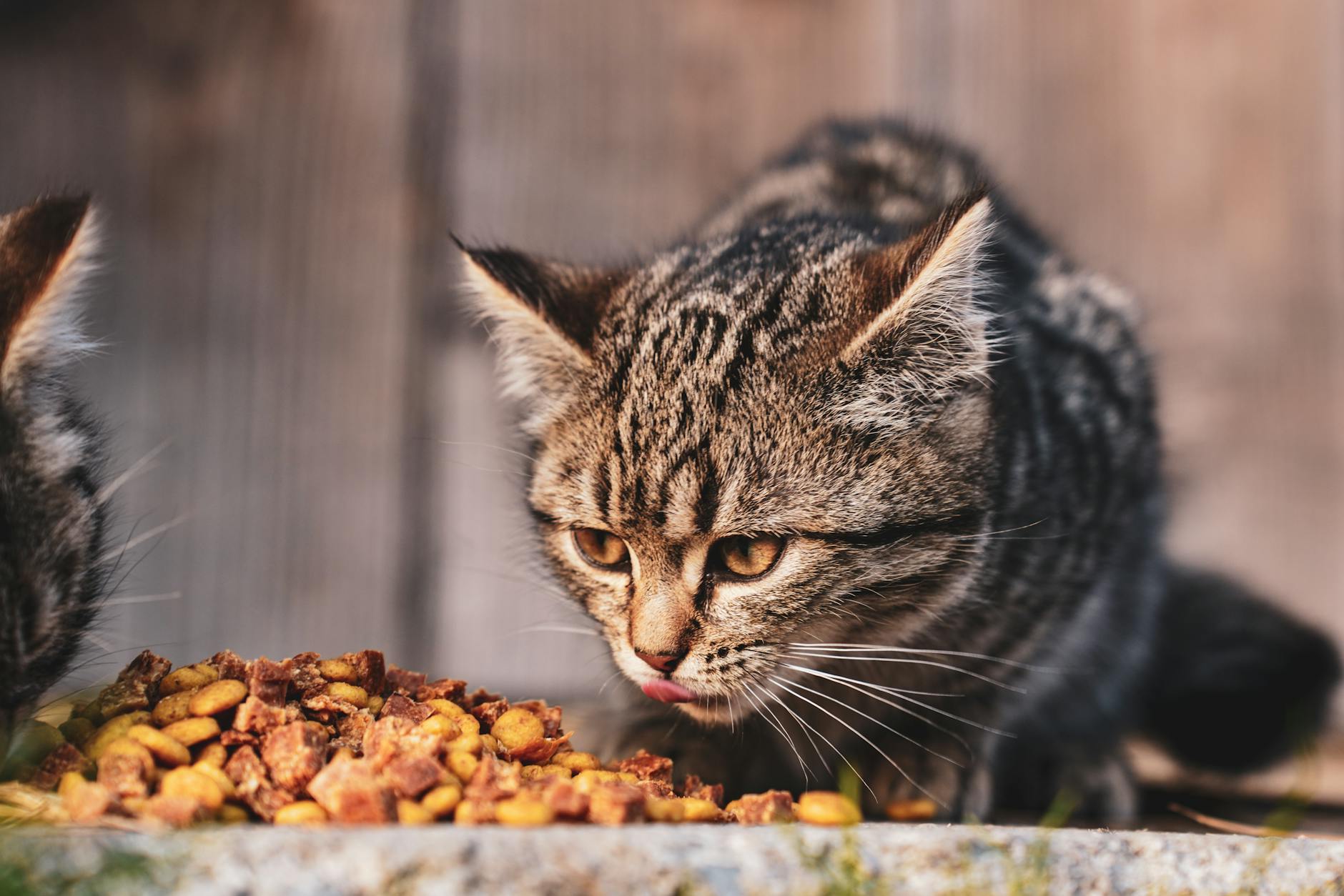
Understanding can cats eat cat food only is essential for anyone interested in cat care, feline health, cat behavior, breed information, and pet ownership guidance. This comprehensive guide covers everything you need to know, from basic concepts to advanced strategies. By the end of this article, you’ll have the knowledge to make informed decisions and take effective action.
Table of Contents
- Is Commercial Cat Food Nutritionally Complete for Cats?
- The Essential Nutrients Cats Need from Their Food
- Wet Food Versus Dry Food: Does the Format Matter?
- When Might a Cat Need More Than Commercial Cat Food?
- The Risks of Feeding Cats Human Food or Dog Food
- Understanding Cat Food Labels and Quality Indicators
- Monitoring Your Cat’s Health on a Commercial Diet
- Conclusion
Is Commercial Cat Food Nutritionally Complete for Cats?
Commercial cat food that carries an AAFCO nutritional adequacy statement has been formulated to provide complete nutrition for cats. This means it contains all essential nutrients in the correct proportions, including the amino acid taurine, which cats cannot synthesize on their own and must obtain from food. Unlike dogs and humans, cats are obligate carnivores, requiring animal-based proteins and specific nutrients found naturally only in meat. Quality commercial foods account for these unique feline requirements. The distinction between “complete and balanced” and “complementary” or “supplemental” foods matters enormously.
A complete food can serve as a cat’s sole diet, while complementary foods—like many treats or food toppers—are meant to accompany a complete diet, not replace it. Reading labels carefully prevents accidental nutritional gaps. For instance, feeding a cat only tuna-flavored treats labeled as “supplemental” could lead to serious deficiencies over time, even though the cat appears to enjoy the food. Not all commercial cat foods meet the same standards. Budget brands may technically meet minimum AAFCO requirements while using lower-quality ingredients or more plant-based fillers. While these foods won’t cause immediate harm, cats fed premium foods with higher meat content and fewer fillers often show better coat condition, more stable energy levels, and improved digestive health over time.

The Essential Nutrients Cats Need from Their Food
Cats require approximately 40 essential nutrients to maintain health, with protein being the most critical macronutrient. Adult cats need a minimum of 26% protein in their diet on a dry matter basis, though most veterinary nutritionists recommend higher levels, particularly from animal sources. Protein provides amino acids like taurine, arginine, and methionine that cats cannot produce internally in sufficient quantities. Fat serves as a concentrated energy source and delivers essential fatty acids, including arachidonic acid, which cats cannot synthesize from plant-based omega-6 sources the way dogs can.
This limitation reinforces why cat food differs fundamentally from dog food—feeding a cat dog food long-term leads to deficiencies because the formulations don’t account for feline-specific needs. Similarly, cats require preformed vitamin A from animal tissues rather than converting beta-carotene from plants. However, if a cat has a specific health condition, standard commercial food may not provide optimal nutrition even when labeled complete. Cats with kidney disease benefit from reduced phosphorus, while diabetic cats often need lower carbohydrate content than many dry foods provide. In these cases, a veterinarian may recommend therapeutic diets or carefully monitored supplementation—but these situations represent exceptions rather than rules for healthy cats.
Wet Food Versus Dry Food: Does the Format Matter?
Both wet and dry cat foods can provide complete nutrition, but each format offers distinct advantages and limitations. Wet food typically contains 75-80% moisture, which helps cats maintain hydration—particularly important for cats prone to urinary tract issues or kidney problems. Cats evolved as desert animals that obtained most of their water from prey, so many domestic cats have a low thirst drive and benefit from moisture-rich diets. Dry food offers practical advantages: it costs less per serving, stores easily, and can be left out for free-feeding without spoiling quickly. Many cats maintain healthy weights on dry food alone, though the convenience of free-feeding can contribute to obesity in cats with less self-regulation.
A 2020 study in the Journal of Feline Medicine and Surgery found that cats fed only dry food had higher urine concentration than those eating wet food, potentially increasing risk for urinary crystals in predisposed individuals. The optimal choice depends on the individual cat. A healthy, active cat that drinks water readily may do perfectly well on quality dry food. A sedentary cat with a history of urinary issues might benefit from an exclusively wet food diet or a combination. Neither format is universally superior—the nutritional content and the cat’s specific health profile matter more than whether the food comes from a can or a bag.

When Might a Cat Need More Than Commercial Cat Food?
Certain life stages and health conditions create nutritional demands that standard adult cat food doesn’t address. Kittens require more calories, protein, and specific nutrients like DHA for brain development, which is why kitten-formulated foods exist. Pregnant and nursing queens have dramatically increased caloric and calcium needs. Feeding standard adult food during these periods can result in growth problems or maternal health issues. Senior cats often benefit from adjusted nutrition as well.
Cats over 11 years old may need more easily digestible proteins and adjusted mineral levels to support aging kidneys. Some older cats lose the ability to digest fat efficiently and actually require higher fat content to maintain weight. A 15-year-old cat losing weight despite eating the same food that maintained them for years may need a senior-specific formula or veterinary evaluation rather than simply more of the same food. Cats recovering from illness, surgery, or significant weight loss sometimes require temporary supplementation or prescription diets. A cat recovering from hepatic lipidosis (fatty liver disease) might need appetite stimulants and calorie-dense foods beyond what standard commercial food provides. These therapeutic interventions should always occur under veterinary guidance rather than through well-intentioned owner experimentation with supplements or human foods.
The Risks of Feeding Cats Human Food or Dog Food
While commercial cat food provides complete nutrition, human foods and dog food can create serious problems when substituted for proper feline diets. Dog food lacks adequate taurine, protein levels, and vitamin A for cats. A cat fed dog food for weeks or months can develop taurine deficiency leading to dilated cardiomyopathy, a potentially fatal heart condition, along with retinal degeneration causing blindness. Many common human foods pose direct toxicity risks to cats. Onions and garlic damage red blood cells, causing anemia. Grapes and raisins can trigger acute kidney failure.
Chocolate contains theobromine, which cats metabolize much more slowly than humans. Even seemingly harmless foods like raw egg whites contain avidin, which interferes with biotin absorption. The assumption that “natural” or “real” food is inherently better than commercial cat food ignores these species-specific dangers. Feeding table scraps as a primary diet also creates nutritional imbalances even when individual foods aren’t toxic. A cat fed primarily cooked chicken receives protein but lacks calcium, leading to skeletal problems over time. Cats fed fish-heavy diets may develop vitamin E deficiency or thiamine deficiency depending on the fish type and preparation. Commercial cat food’s formulation process specifically prevents these imbalances—homemade or table-scrap diets require careful nutritional calculation that most owners cannot accurately provide.

Understanding Cat Food Labels and Quality Indicators
The ingredient list and guaranteed analysis on cat food packaging reveal important information about nutritional quality. Ingredients appear in order of weight before processing, so foods listing a named meat protein (chicken, salmon, turkey) as the first ingredient generally contain more animal protein than those beginning with grains or meat by-products.
However, ingredient lists don’t tell the whole story—a food listing “chicken” first might contain less actual animal protein than one listing “chicken meal” first, since meal is a concentrated, moisture-removed form. Look for the AAFCO statement specifying the life stage the food supports: “growth,” “maintenance,” “all life stages,” or “adult maintenance.” Foods tested through feeding trials rather than just formulated to meet nutrient profiles have undergone actual palatability and digestibility testing with cats. For example, a label stating the food was “animal feeding tested using AAFCO procedures” indicates more rigorous verification than one stating merely “formulated to meet AAFCO nutrient profiles.”.
Monitoring Your Cat’s Health on a Commercial Diet
Even when feeding complete commercial cat food, regular monitoring ensures the diet actually meets your individual cat’s needs. Weight stability, coat quality, energy levels, and stool consistency all indicate nutritional adequacy. A cat gaining or losing weight unexpectedly, developing a dull coat, or experiencing chronic digestive issues may need a diet change despite eating food labeled as complete.
Annual veterinary checkups with bloodwork help identify subclinical nutritional issues before they become symptomatic. A cat showing early kidney value changes might benefit from dietary modification years before showing obvious illness. Working with your veterinarian to evaluate your cat’s specific response to their diet provides more reliable guidance than following general feeding recommendations alone, since individual cats vary significantly in their metabolic needs and food tolerances.
Conclusion
Cats can absolutely thrive on commercial cat food as their sole nutrition source, provided that food is high-quality, complete and balanced, and appropriate for the cat’s life stage and health status. The pet food industry has developed formulations specifically addressing cats’ unique requirements as obligate carnivores, eliminating the need for most owners to supplement or prepare homemade diets. Reading labels, choosing reputable brands, and selecting the right format for your cat’s needs ensures nutritional adequacy.
The key lies in understanding that “cat food only” means complete commercial cat food—not treats, not dog food, not random human food scraps. When in doubt about whether your cat’s current diet meets their needs, veterinary consultation provides personalized guidance based on your cat’s weight, age, health conditions, and individual response to food. For the vast majority of cats, a straightforward diet of quality commercial cat food provides everything they need for a long, healthy life.