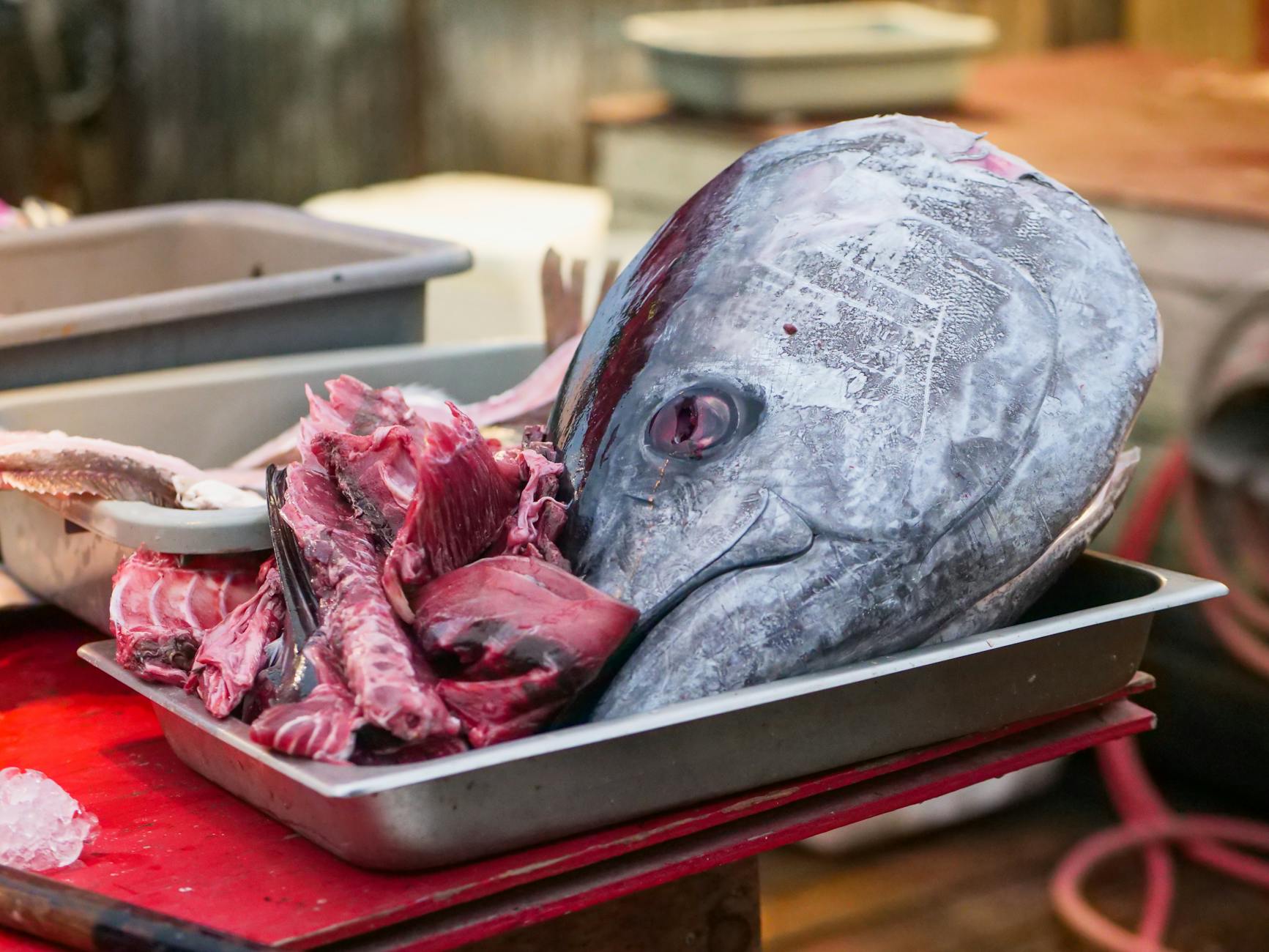
No, cats should not eat tuna every day. While most cats find tuna irresistible, veterinary experts strongly advise against making it a daily part of your cat’s diet. The risks include mercury poisoning, nutritional deficiencies, and serious health conditions like steatitis. If you have been feeding your cat tuna as a regular meal, you are likely doing more harm than good, regardless of how much your cat enjoys it. Consider the case of a cat owner who, noticing their pet’s enthusiasm for canned tuna, began offering it as a daily treat.
Within months, the cat developed coordination problems and muscle weakness””classic signs of mercury toxicity from excessive tuna consumption. This scenario plays out more often than many pet owners realize. Tuna, while safe in small amounts, contains concentrated levels of mercury and lacks the complete nutritional profile cats require for long-term health. This article will explain exactly why daily tuna is dangerous for cats, what health problems it can cause, how much tuna is actually safe, and what alternatives you can offer your feline companion. Understanding these risks will help you make informed decisions about your cat’s diet while still allowing the occasional tuna treat.
Table of Contents
- Why Is Feeding Cats Tuna Every Day Dangerous?
- What Health Problems Can Daily Tuna Cause in Cats?
- How Much Tuna Can Cats Safely Eat?
- What Are the Signs of Tuna-Related Health Issues in Cats?
- Which Types of Tuna Should Cat Owners Avoid?
- Can Kittens Eat Tuna?
- What Should You Feed Your Cat Instead of Daily Tuna?
- Conclusion
Why Is Feeding Cats Tuna Every Day Dangerous?
The primary concern with daily tuna consumption is mercury accumulation. Tuna is a predatory fish that sits high on the ocean food chain, meaning it accumulates mercury from all the smaller fish it consumes throughout its life. When cats eat tuna regularly, this mercury builds up in their bodies over time, eventually reaching toxic levels. Albacore tuna is particularly problematic, containing nearly three times higher mercury levels than other tuna varieties. Mercury toxicity in cats manifests through neurological symptoms that can be difficult to reverse once they appear. Affected cats may experience loss of coordination, tremors, dizziness, muscle weakness, and in severe cases, seizures.
The metal also damages the kidneys, increasing the risk of kidney failure””a condition already common in aging cats. Unlike humans who might eat tuna occasionally, cats are much smaller animals, so the same amount of mercury has a proportionally larger impact on their systems. Beyond mercury, tuna simply does not provide complete nutrition for cats. Felines require specific nutrients in particular ratios, including taurine, arachidonic acid, and certain vitamins that tuna alone cannot supply. A cat eating tuna as a primary food source will eventually develop malnutrition, even if they appear satisfied after meals. The high unsaturated fat content combined with inadequate Vitamin E and antioxidants creates a nutritional imbalance that affects multiple body systems over time.
What Health Problems Can Daily Tuna Cause in Cats?
One of the most serious conditions linked to excessive tuna consumption is steatitis, also known as yellow fat disease. This painful inflammation of fat tissue occurs when cats consume too much unsaturated fat without adequate Vitamin E to counteract oxidative damage. Cats with steatitis develop hard, lumpy fat deposits under their skin and may experience significant pain when touched or handled. Treatment requires dietary changes and Vitamin E supplementation, but recovery can take months. Myopathy, or inflammation of muscle tissue, represents another risk for cats fed too much tuna. This condition causes muscle weakness, difficulty walking, and general lethargy.
However, if your cat has only recently started eating tuna frequently, catching and correcting the problem early typically prevents permanent damage. The key is recognizing the symptoms and immediately eliminating tuna from the diet before chronic changes occur. Obesity is perhaps the most overlooked consequence of regular tuna feeding. Many cat owners assume fish is a healthy, lean protein, but canned tuna””especially varieties packed in oil””contains significant calories that add up quickly. Obese cats face higher risks of diabetes, urinary disease, and arthritis. The Merck Veterinary Manual also lists fish among the top food allergens for cats, meaning some felines will develop allergic reactions including itching, hair loss, red and swollen skin, vomiting, and diarrhea from any amount of tuna.
How Much Tuna Can Cats Safely Eat?
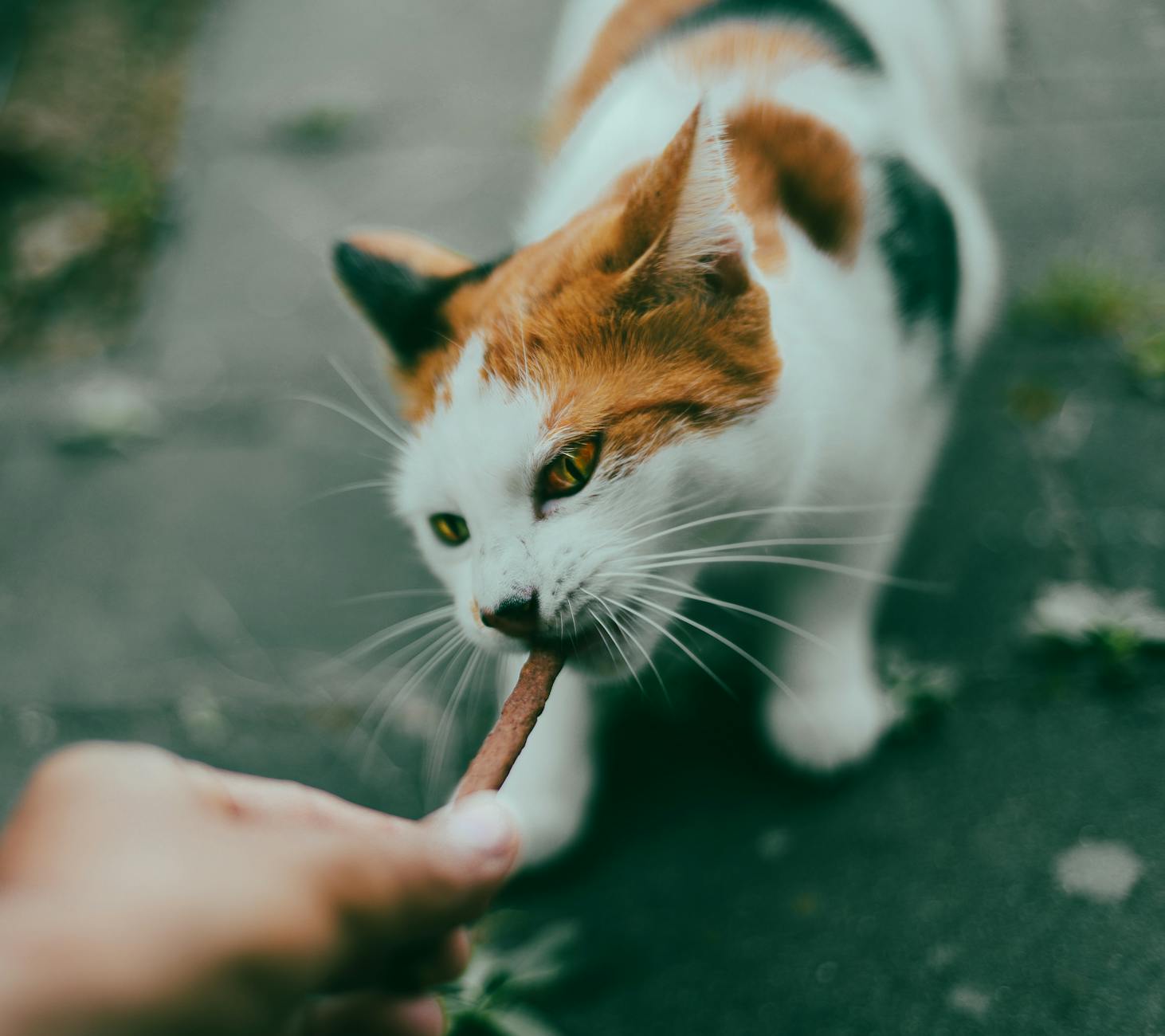
The general veterinary consensus is that cats should consume no more than one tablespoon of plain, unseasoned tuna per week. This amount allows your cat to enjoy the taste they crave while keeping mercury exposure and nutritional imbalance at manageable levels. Think of tuna as an occasional treat rather than a food source””similar to how humans might enjoy dessert but would not eat cake for every meal. When selecting tuna for your cat, chunk light tuna packed in natural spring water represents the safest option. This variety comes from smaller tuna species that accumulate less mercury than albacore.
Avoid tuna packed in oil, which adds unnecessary fat and calories to your cat’s diet. Brine-packed tuna contains excessive sodium that can stress your cat’s kidneys and cardiovascular system. For example, a single serving of tuna in brine may contain more salt than a cat should consume in an entire day. The comparison between treating tuna as a regular meal versus an occasional reward demonstrates a significant tradeoff. Cats who receive small amounts of tuna weekly as a special treat maintain their health while still enjoying a food they love. Cats who eat tuna daily may seem happy in the short term but face mounting health risks that ultimately reduce their quality of life and lifespan.
What Are the Signs of Tuna-Related Health Issues in Cats?
Mercury poisoning develops gradually, making early detection challenging. Initial symptoms may be subtle””perhaps your cat seems slightly less coordinated when jumping onto furniture, or you notice occasional muscle tremors when they are resting. As mercury levels increase, these symptoms become more pronounced. Watch for persistent dizziness, difficulty walking in a straight line, visible muscle weakness, and any seizure activity. If your cat has been eating tuna regularly and displays these neurological signs, immediate veterinary consultation is essential. Allergic reactions to tuna can appear even in cats who have previously tolerated fish without problems.
The immune system sometimes develops sensitivities over time with repeated exposure. Look for excessive scratching, patches of hair loss, inflamed or reddened skin, and gastrointestinal symptoms like vomiting or diarrhea following tuna consumption. However, be aware that these symptoms can also indicate other health issues, so a veterinary diagnosis is necessary to confirm a fish allergy. One important warning: cats who have become accustomed to daily tuna may refuse other foods when you attempt to change their diet. This phenomenon, sometimes called “tuna addiction,” creates a frustrating situation where the cat essentially holds out for their preferred food. Transitioning away from tuna requires patience, gradual food introduction, and sometimes veterinary guidance to ensure your cat continues eating adequately during the adjustment period.
Which Types of Tuna Should Cat Owners Avoid?
Albacore tuna tops the list of varieties to avoid for cats. Its mercury content””nearly three times higher than chunk light varieties””makes it particularly hazardous even in small amounts. Many premium canned tuna products marketed for human consumption use albacore, so checking labels carefully matters. If the can says “white tuna” or “solid white,” it is almost certainly albacore and should not be given to your cat. Tuna packed in oil creates multiple problems beyond basic mercury concerns. The added fat contributes to obesity and may trigger or worsen steatitis in susceptible cats.
Some oils used in canned tuna can also cause digestive upset. Similarly, flavored or seasoned tuna products intended for human consumption often contain onion, garlic, or other ingredients toxic to cats. Even small amounts of these seasonings can cause serious health problems, including damage to red blood cells. Raw tuna presents yet another risk category. Beyond mercury concerns, uncooked fish may harbor bacteria like salmonella or parasites that cause illness in cats. Some raw fish also contains thiaminase, an enzyme that destroys Vitamin B1 and can lead to neurological problems with regular consumption. The safest approach treats any tuna given to cats as an occasional cooked, plain, water-packed treat””never a dietary staple.

Can Kittens Eat Tuna?
Kittens face even greater risks from tuna than adult cats. Their smaller body size means mercury accumulates faster relative to their weight, and their developing systems are more vulnerable to nutritional imbalances. A kitten fed regular tuna may experience stunted growth, developmental problems, and organ damage that affects their health throughout life.
Most veterinarians recommend avoiding tuna entirely for kittens under one year of age. If you want to introduce your kitten to fish flavors, commercially prepared kitten foods containing small amounts of fish as part of a balanced formula are far safer than straight tuna. These products are formulated to meet growing kittens’ specific nutritional needs while minimizing risks associated with fish consumption.
What Should You Feed Your Cat Instead of Daily Tuna?
Commercial cat foods formulated to meet AAFCO (Association of American Feed Control Officials) standards provide complete and balanced nutrition that tuna cannot match. These products undergo testing to ensure they contain appropriate levels of protein, fat, vitamins, and minerals for feline health. Many high-quality cat foods include fish flavors or small amounts of fish ingredients that satisfy cats’ taste preferences without the risks of straight tuna.
For cat owners who want to offer fish-based treats, look for products specifically designed for cats that account for mercury concerns and nutritional balance. Some manufacturers produce fish treats using smaller, lower-mercury fish species processed to be safe for regular feline consumption. These alternatives let your cat enjoy seafood flavors while you maintain peace of mind about their long-term health. The investment in proper cat food and treats pays dividends through reduced veterinary bills and a longer, healthier life for your feline companion.
Conclusion
Cats cannot safely eat tuna every day, despite their obvious enthusiasm for it. The combination of mercury accumulation, nutritional deficiencies, and risks of conditions like steatitis and myopathy make daily tuna feeding a practice that harms cats rather than nourishes them. The maximum safe amount””one tablespoon of plain, water-packed tuna per week””allows cats to enjoy this treat without compromising their health.
If your cat has been eating tuna regularly, now is the time to transition to a complete, balanced diet formulated for feline nutritional needs. Consult your veterinarian if you notice any symptoms of mercury toxicity or other tuna-related health problems, and be patient if your cat initially resists the dietary change. Your cat may prefer tuna, but providing proper nutrition is one of the most important responsibilities of pet ownership.