
Cats can technically eat catnip every day without serious health consequences, but veterinary experts recommend against it. Catnip is non-toxic and cannot cause a life-threatening overdose, so daily exposure won’t poison your cat. However, the real issue is desensitization””cats who encounter catnip too frequently stop responding to it altogether, defeating the purpose of using it as an enrichment tool. The consensus among veterinarians is to limit catnip to one to three times per week to maintain its effectiveness.
Consider a cat owner who excitedly gives their new kitten catnip every evening as part of playtime. Within a few weeks, the kitten barely acknowledges it, staring blankly at the scattered leaves that once sent them into joyful rolls and sprints. This scenario plays out regularly when well-meaning owners overuse catnip, not realizing that moderation preserves the magic. This article covers the science behind catnip desensitization, appropriate dosages, potential side effects of overconsumption, and practical strategies for incorporating catnip into your cat’s routine without diminishing its appeal. Understanding these factors helps you use catnip as the effective enrichment tool it’s meant to be.
Table of Contents
- Is Daily Catnip Safe for Cats?
- How Often Should You Give Your Cat Catnip?
- What Happens If a Cat Eats Too Much Catnip?
- Keeping Catnip Effective as an Enrichment Tool
- Signs Your Cat Has Become Desensitized to Catnip
- Fresh Versus Dried Catnip Considerations
- Long-Term Catnip Use and Your Cat’s Health
- Conclusion
Is Daily Catnip Safe for Cats?
From a toxicity standpoint, catnip poses no serious danger to cats even with daily consumption. The plant contains nepetalactone, the compound responsible for triggering the characteristic catnip response, and cats’ bodies naturally limit their reaction to it. After about ten to fifteen minutes of exposure, a cat’s receptors become temporarily saturated, and they lose interest regardless of how much catnip remains available. This built-in biological safeguard prevents acute overconsumption. The safety profile of catnip contrasts sharply with many other substances cats might encounter.
Unlike chocolate, onions, or certain houseplants that can cause organ damage or death, catnip has no known lethal dose for cats. A cat could theoretically roll in and nibble catnip all day without experiencing anything worse than mild digestive upset. This fundamental safety makes catnip one of the few recreational substances that pet owners can offer without significant worry about poisoning. However, safe doesn’t mean optimal. Just as eating candy every day is technically survivable for humans but comes with consequences, daily catnip use carries its own drawback: the loss of effectiveness. Cats exposed to catnip too frequently develop tolerance, requiring increasingly larger amounts to achieve the same response until eventually nothing happens at all.
How Often Should You Give Your Cat Catnip?
Most veterinary professionals recommend offering catnip once or twice per week, with an upper limit of three times weekly. This frequency strikes a balance between providing regular enrichment and preserving your cat’s sensitivity to nepetalactone. Spacing out catnip sessions by at least two or three days allows the cat’s receptors to reset fully, ensuring each encounter produces the playful, euphoric response owners enjoy witnessing. The appropriate amount per session matters as much as frequency. About one tablespoon of dried catnip represents the typical veterinary recommendation, though many cats respond enthusiastically to far less””a simple pinch of dried catnip or a few sprigs of fresh catnip often suffices.
Starting with smaller amounts lets you gauge your individual cat’s sensitivity, as responses vary significantly between animals. Some cats become hyperactive and playful, while others grow mellow and relaxed. However, if your cat shows no response to catnip whatsoever, frequency adjustments won’t help. Approximately thirty percent of cats lack the genetic sensitivity to nepetalactone and will never react to catnip regardless of dosage or scheduling. For these cats, alternatives like silver vine or valerian root may produce the enrichment effects that catnip cannot.
What Happens If a Cat Eats Too Much Catnip?
Overconsumption of catnip can trigger digestive issues including vomiting, diarrhea, and nausea. These symptoms typically occur when cats eat large quantities of the plant material itself rather than simply smelling or rolling in it. The fiber and plant matter can irritate the gastrointestinal tract, particularly in cats with sensitive stomachs or those who gorge on catnip-stuffed toys. Neurological symptoms sometimes accompany digestive upset in cases of significant overconsumption. Affected cats may display dizziness or trouble walking, appearing disoriented or uncoordinated.
While alarming to witness, these symptoms are generally short-lived and resolve within a few hours without veterinary intervention. The cat essentially experiences the feline equivalent of overindulgence, feeling unwell until the effects pass. A practical example: a cat discovers an entire bag of dried catnip left accessible and consumes several tablespoons. The owner returns home to find the cat lethargic with evidence of vomiting. In most cases, keeping the cat comfortable and ensuring access to fresh water is sufficient, with symptoms resolving by the next morning. However, symptoms persisting beyond several hours or severe lethargy warrant a veterinary call to rule out other causes.

Keeping Catnip Effective as an Enrichment Tool
The primary argument against daily catnip isn’t safety””it’s utility. Catnip serves best as a special enrichment tool that breaks up routine, encourages exercise, and provides mental stimulation. Using it sparingly maintains these benefits over your cat’s lifetime rather than exhausting them within months. Comparing occasional versus daily use illustrates the tradeoff clearly. A cat receiving catnip twice weekly might enjoy years of enthusiastic responses, bounding after catnip-filled toys, rolling blissfully, and engaging in vigorous play. The same cat given catnip daily might show declining interest within weeks, eventually ignoring catnip entirely.
The total amount of enjoyment derived from the plant ends up far greater with the restrained approach. Strategic timing amplifies catnip’s value further. Offering catnip before introducing a new scratching post encourages its use. Sprinkling some in a carrier helps create positive associations for vet visits. Using it during play sessions with inactive cats promotes exercise. These targeted applications leverage catnip’s appeal more effectively than daily, unfocused use.
Signs Your Cat Has Become Desensitized to Catnip
Desensitization manifests as declining or absent responses to catnip exposure. A cat who previously went wild at the sight of catnip might sniff it briefly and walk away, or show no acknowledgment whatsoever. This tolerance develops gradually with overexposure, and owners often don’t notice until the effect disappears completely. The good news is that desensitization typically reverses with abstinence.
Withholding catnip for two to four weeks allows most cats’ sensitivity to return, though the timeline varies between individuals. During this reset period, consider using alternatives like silver vine, which affects different receptors and may stimulate cats who’ve become tolerant to catnip. A limitation worth noting: some cats who initially responded to catnip may lose sensitivity permanently as they age, unrelated to overexposure. Senior cats sometimes show diminished interest in catnip even after extended breaks. In these cases, the change reflects natural aging rather than tolerance, and reducing frequency won’t restore the previous response.

Fresh Versus Dried Catnip Considerations
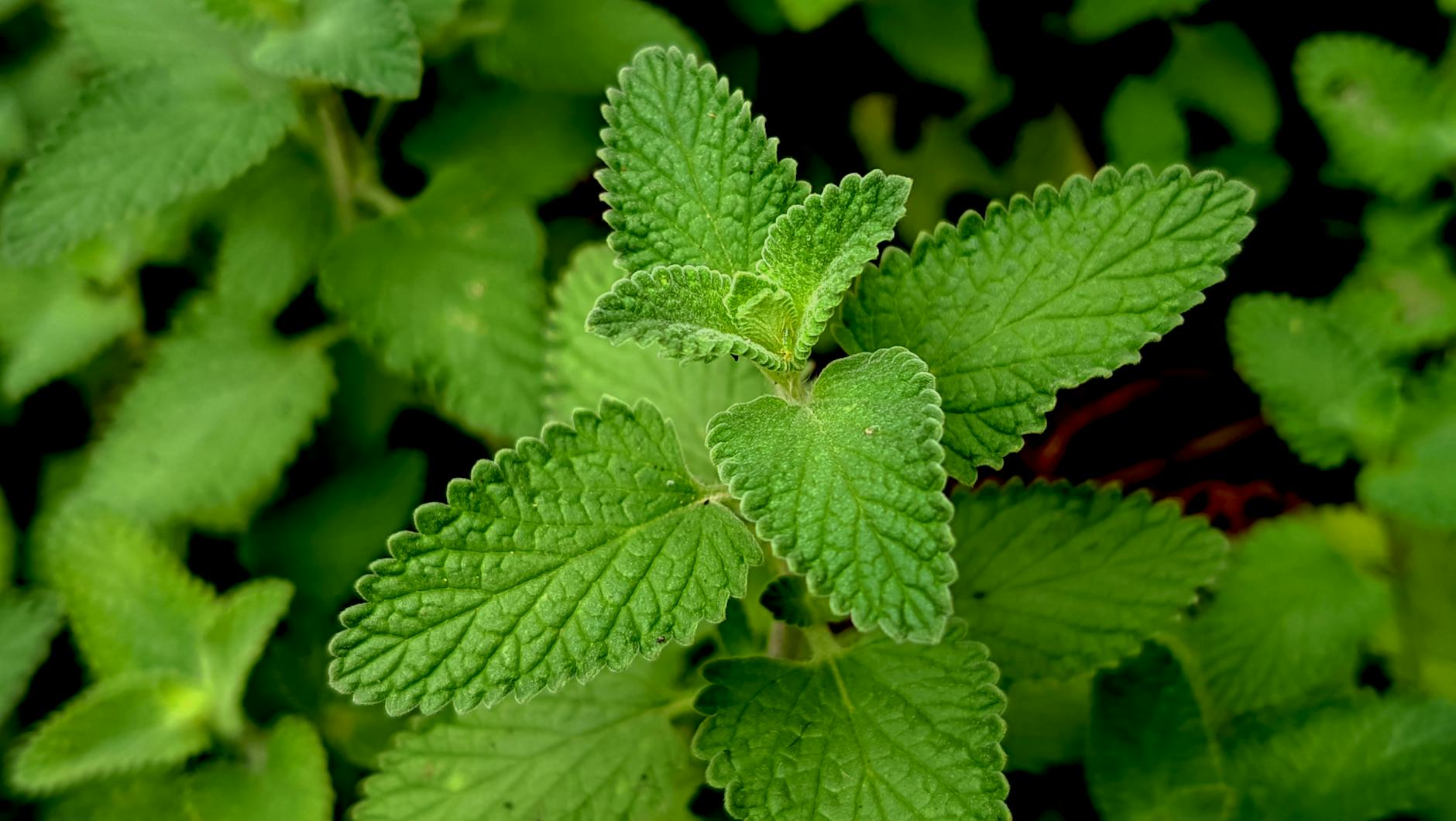
Fresh catnip from a garden or pot typically produces stronger reactions than dried commercial versions because it contains higher concentrations of volatile nepetalactone. Cats with access to growing catnip plants may self-regulate their exposure, visiting the plant periodically rather than gorging on it. However, outdoor plants also attract neighborhood cats, which can become a nuisance or introduce conflict with indoor pets.
Dried catnip offers convenience and consistent dosing but varies significantly in potency depending on processing and storage. Keeping dried catnip in airtight containers away from light preserves its effectiveness longer. Catnip that smells faint or appears brownish rather than greenish has likely lost much of its potency and may not produce noticeable effects regardless of quantity.
Long-Term Catnip Use and Your Cat’s Health
No evidence suggests that moderate, long-term catnip use causes health problems in cats. Studies and decades of widespread use have revealed no links between periodic catnip exposure and disease, organ damage, or behavioral disorders. Cats can safely enjoy catnip throughout their lives when used at recommended frequencies.
Looking forward, catnip remains one of the safest and most accessible enrichment options available to cat owners. As understanding of feline welfare continues to evolve, environmental enrichment has gained recognition as essential to indoor cats’ mental health. Catnip, used thoughtfully, plays a valuable role in preventing boredom and encouraging natural behaviors””benefits that persist as long as owners resist the temptation to offer it too generously.
Conclusion
Daily catnip consumption won’t harm your cat, but it will eliminate the plant’s enrichment value through desensitization. The veterinary consensus recommending one to three weekly exposures exists not because more frequent use is dangerous, but because restraint preserves effectiveness. A tablespoon of dried catnip or a few fresh sprigs, offered a couple of times per week, provides the ideal balance of enrichment and longevity.
If your cat has already lost interest in catnip due to overexposure, a few weeks of abstinence usually restores sensitivity. Going forward, treating catnip as an occasional treat rather than a daily ritual ensures your cat continues deriving pleasure from it for years to come. Store it properly, dose it conservatively, and enjoy watching your cat’s enthusiastic response each time you bring it out.