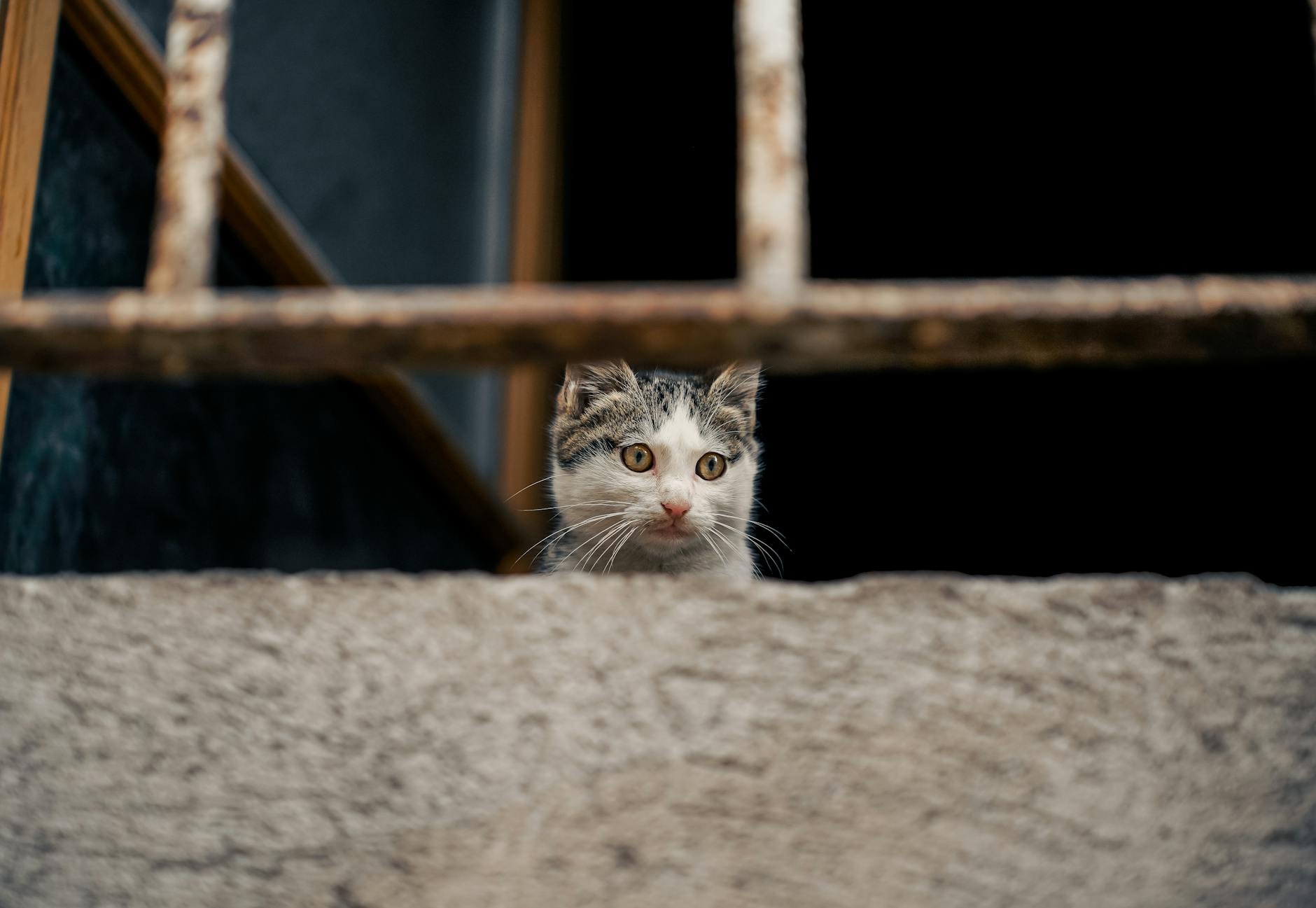
Strawberries are not toxic to cats. The ASPCA does not list strawberries as a poisonous plant for felines, and a small piece of strawberry is unlikely to cause any serious harm if your cat happens to eat one. That said, “not toxic” does not mean “recommended,” and whether strawberries are truly safe for your cat depends on how much they eat, how often, and the individual cat’s health. This article covers the nutritional reality of strawberries for cats, why most cats won’t care about them anyway, how to offer them safely if you want to try, and the situations where you should avoid them altogether.
If your cat sniffs your strawberry and takes a lick or a small bite, there’s no need to call your veterinarian. A cat weighing ten pounds who eats a single strawberry slice is not in danger. The concern arises when strawberries become a regular treat, are offered in large amounts, or when the cat already has an underlying health condition like diabetes or kidney disease. Context matters more than the fruit itself.
Table of Contents
- Are Strawberries Toxic to Cats? What the Evidence Actually Shows
- Nutritional Profile of Strawberries and Why It Barely Applies to Cats
- Why Most Cats Show No Interest in Strawberries
- How to Offer Strawberries to a Cat Safely
- Signs of Digestive Upset and When to Call the Vet
- Cats With Specific Health Conditions and Strawberry Restrictions
- Looking at Fruit and Cats in Broader Context
- Conclusion
- Frequently Asked Questions
Are Strawberries Toxic to Cats? What the Evidence Actually Shows
Strawberries are not on the ASPCA’s list of plants toxic to cats. The fruit itself — the red flesh — contains no compounds that are directly poisonous to felines. This puts strawberries in a different category from grapes, raisins, onions, and garlic, which can cause serious or even fatal reactions in cats even in small amounts. If you’ve been worried because your cat stole a strawberry off your plate, you can set that concern aside. However, the leaves and stems of the strawberry plant are a different matter. They contain compounds that can cause mild gastrointestinal irritation.
If your cat chewed on the green top rather than the fruit, you might see mild drooling, vomiting, or stomach upset. It’s unlikely to be serious, but it’s a good reason to remove the green parts before offering any strawberry to a pet. Wild strawberry plants in gardens carry the same consideration. The absence of toxicity does not translate to nutritional benefit. Cats are obligate carnivores, meaning their digestive systems are built around protein from animal sources. They lack the taste receptors to detect sweetness — research published in PLOS Genetics confirmed that cats are one of the few mammals that cannot taste sweet flavors. This means your cat isn’t drawn to strawberries because they taste good to them; any interest is more likely about texture, smell, or curiosity about what you’re eating.

Nutritional Profile of Strawberries and Why It Barely Applies to Cats
Strawberries are often praised in human nutrition for their vitamin C content, antioxidants, and fiber. A single medium strawberry contains roughly 7 calories, small amounts of folate, potassium, and manganese, and about 1.4 grams of sugar. For a human, this is a genuinely useful nutritional profile. For a cat, almost none of it translates to benefit in the same way. Cats produce their own vitamin C — they synthesize ascorbic acid internally, which means dietary supplementation from fruit is unnecessary. The antioxidants in strawberries may offer some benefit to cats theoretically, but the amounts a cat could safely consume are too small to make a meaningful difference.
The fiber in strawberries could, in theory, support digestive health, but cats get the fiber they need from appropriate cat food formulations and don’t require fruit as a supplemental source. The sugar content is where the greater concern lies. Even though 1.4 grams of sugar per strawberry sounds minor, a cat’s small body processes sugar differently than a human’s. Cats have limited ability to metabolize simple sugars efficiently. Over time, regular consumption of sugary foods — even fruit — contributes to weight gain and can worsen insulin regulation. If your cat is overweight, prediabetic, or already managing diabetes, strawberries should not be offered even occasionally. The same caution applies to cats with chronic kidney disease, where potassium intake may need to be controlled.
Why Most Cats Show No Interest in Strawberries
Walk into any veterinary clinic and ask whether cats are typically drawn to fruit, and the answer will be consistent: most aren’t. The genetic absence of sweet taste receptors means cats simply don’t experience strawberries the way a dog or a human might. A dog will often eat a strawberry enthusiastically because it tastes sweet to them. A cat that investigates a strawberry is usually responding to the smell, the texture, or the novelty of watching its owner handle something new. This matters because one of the most common questions cat owners ask is whether they need to actively keep strawberries away from their cats. In most households, the answer is no — the cat will sniff it, possibly lick it once, and walk away.
Reported cases of cats eating strawberries in significant quantities are rare precisely because the fruit doesn’t appeal to their palate in any meaningful way. Compare this to catnip, cooked chicken, or tuna water, which trigger obvious and enthusiastic responses. There are exceptions. Some cats develop unusual food preferences that don’t align with what their biology would predict. A cat that eats blueberries, melon, or strawberries willingly is not unheard of. This doesn’t indicate a health problem — it simply reflects individual variation. If your cat genuinely wants to eat strawberries regularly, that’s when quantity and frequency become important considerations rather than a one-time taste test.

How to Offer Strawberries to a Cat Safely
If you want to give your cat a strawberry as an occasional treat, the process is straightforward. Wash the fruit thoroughly to remove any pesticide residue or surface bacteria. Remove the leaves and stem entirely. Cut the strawberry into small pieces — for a cat, a quarter of a single strawberry is a reasonable portion. Offer it by hand or place it in their dish and let them decide whether they want it. The most important rule is treating strawberries as an occasional addition, not a regular part of the diet. A common benchmark used across many pet nutritional guidelines is that treats of any kind should not exceed ten percent of a cat’s daily caloric intake.
For a ten-pound adult cat eating roughly 200 calories per day, that’s 20 calories — barely three small strawberries at most. In practice, offering one small piece once or twice a week is a more conservative and appropriate limit. The tradeoff worth considering is opportunity cost. Cats have limited stomach space and caloric tolerance for extras. If you’re offering strawberry pieces, you’re using up treat allowance that could go toward high-protein, species-appropriate options like small pieces of cooked chicken or freeze-dried meat. Those options actually deliver amino acids and nutrients that benefit a cat’s health. Strawberries are a neutral curiosity at best; they’re not a superior treat choice compared to animal-based options.
Signs of Digestive Upset and When to Call the Vet
Even though strawberries aren’t toxic, individual cats can react poorly to any new food. The most common response to eating too much strawberry — or any fruit — is gastrointestinal upset: loose stool, vomiting, or increased gas. These symptoms are typically mild and resolve within 24 hours without intervention. The higher the quantity consumed, the more likely and pronounced the reaction. Watch for persistent vomiting, diarrhea lasting more than a day, lethargy, or loss of appetite following any new food introduction. While strawberries alone are unlikely to cause serious illness in a healthy cat, a cat that ate a large quantity or chewed on leaves and stems as well may experience more significant irritation.
If symptoms don’t resolve quickly or your cat seems genuinely unwell, a call to your veterinarian is warranted. There is one specific warning worth emphasizing: strawberry-flavored products are not the same as fresh strawberries. Strawberry yogurt, jam, candy, or desserts contain added sugars, artificial sweeteners, and sometimes xylitol — a sugar alcohol that is severely toxic to cats and dogs. Even small amounts of xylitol can cause a dangerous drop in blood sugar and liver failure. The “not toxic” status of strawberries applies only to plain, fresh fruit. If your cat got into strawberry-flavored human food rather than an actual strawberry, the ingredient list matters enormously.

Cats With Specific Health Conditions and Strawberry Restrictions
For cats managing diabetes, obesity, or chronic kidney disease, strawberries should be avoided even though they’re generally safe for healthy cats. Diabetic cats require careful blood sugar management, and introducing any source of simple sugar — even a small amount from fruit — can complicate glucose regulation. Owners of diabetic cats typically work closely with a veterinarian to keep the diet as consistent and controlled as possible, and adding random fruit treats works against that goal.
Cats with kidney disease may be on low-potassium or phosphorus-restricted diets depending on the stage of their condition. While strawberries are not high in potassium compared to, say, bananas, the general principle of sticking to a veterinarian-approved diet applies. When a cat’s condition requires dietary management, it’s better to ask your vet before introducing anything new, even something as seemingly innocent as a small piece of fruit.
Looking at Fruit and Cats in Broader Context
The question of whether cats can eat strawberries is part of a broader conversation about human food and pets that’s become increasingly relevant as more owners look to share their diets with their animals. Strawberries sit in a middle category — not harmful, not beneficial, largely irrelevant to feline biology.
The more useful framework for thinking about cat treats isn’t “is this toxic?” but rather “does this serve my cat’s nutritional needs?” As pet nutrition research continues to develop, the consensus remains that cats thrive on species-appropriate diets built around animal protein. Fruits, vegetables, and grains can occasionally complement a cat’s diet without causing harm, but they’re not building blocks of good feline health. Strawberries will likely remain a safe curiosity — something a cat might taste once and ignore — rather than a meaningful addition to what we know about optimal cat care.
Conclusion
Strawberries are safe for cats in the sense that they are not toxic and will not poison a healthy cat who eats a small amount. The ASPCA does not list them as harmful, and a cat that steals a bite from your plate has not done itself any damage. The practical limitations are what matter most: cats can’t taste sweetness, gain no significant nutritional benefit from fruit, and can experience digestive upset if they eat too much. For cats with diabetes, obesity, or kidney disease, strawberries should be avoided altogether.
If you want to offer your cat a strawberry out of curiosity, do so sensibly — wash it, remove the leaves and stem, cut it small, and keep it occasional. Don’t be surprised if your cat ignores it completely. And if you’re reaching for a treat to genuinely benefit your cat, lean toward protein-based options that align with what a cat’s body is actually built to use. Strawberries won’t hurt, but they won’t help much either.
Frequently Asked Questions
Can kittens eat strawberries?
Kittens should not be given strawberries. Their digestive systems are still developing and more sensitive than adult cats, and their diets should be tightly focused on high-quality kitten food formulated for growth. Introducing fruit to a kitten offers no benefit and introduces unnecessary digestive risk.
My cat ate several strawberries. Should I be worried?
If your cat ate multiple strawberries — say, a handful — watch for vomiting or diarrhea over the next several hours. These symptoms are likely but should resolve on their own. If your cat seems lethargic, stops eating, or symptoms persist beyond 24 hours, contact your veterinarian.
Are strawberry leaves or stems dangerous to cats?
The leaves and stems contain compounds that can cause mild gastrointestinal irritation. They’re not likely to cause serious harm from a small exposure, but you should remove them before offering any strawberry to your cat and prevent access to strawberry plants in the garden.
Can cats eat strawberry jam or strawberry-flavored products?
No. Processed strawberry products often contain added sugar, artificial flavoring, and sometimes xylitol, which is highly toxic to cats and dogs. The safety of plain strawberries does not extend to any processed or flavored product.
Do cats actually like the taste of strawberries?
Most don’t. Cats lack functional sweet taste receptors, so the appeal of sweet fruit is absent for them. Any curiosity your cat shows toward a strawberry is more likely about smell, texture, or social interest in what you’re eating than genuine taste preference.
How often can I give my cat a strawberry?
For healthy adult cats with no underlying conditions, once or twice a week with a very small piece — roughly one-quarter of a single strawberry — is a reasonable maximum. Treats overall should stay under ten percent of daily caloric intake.