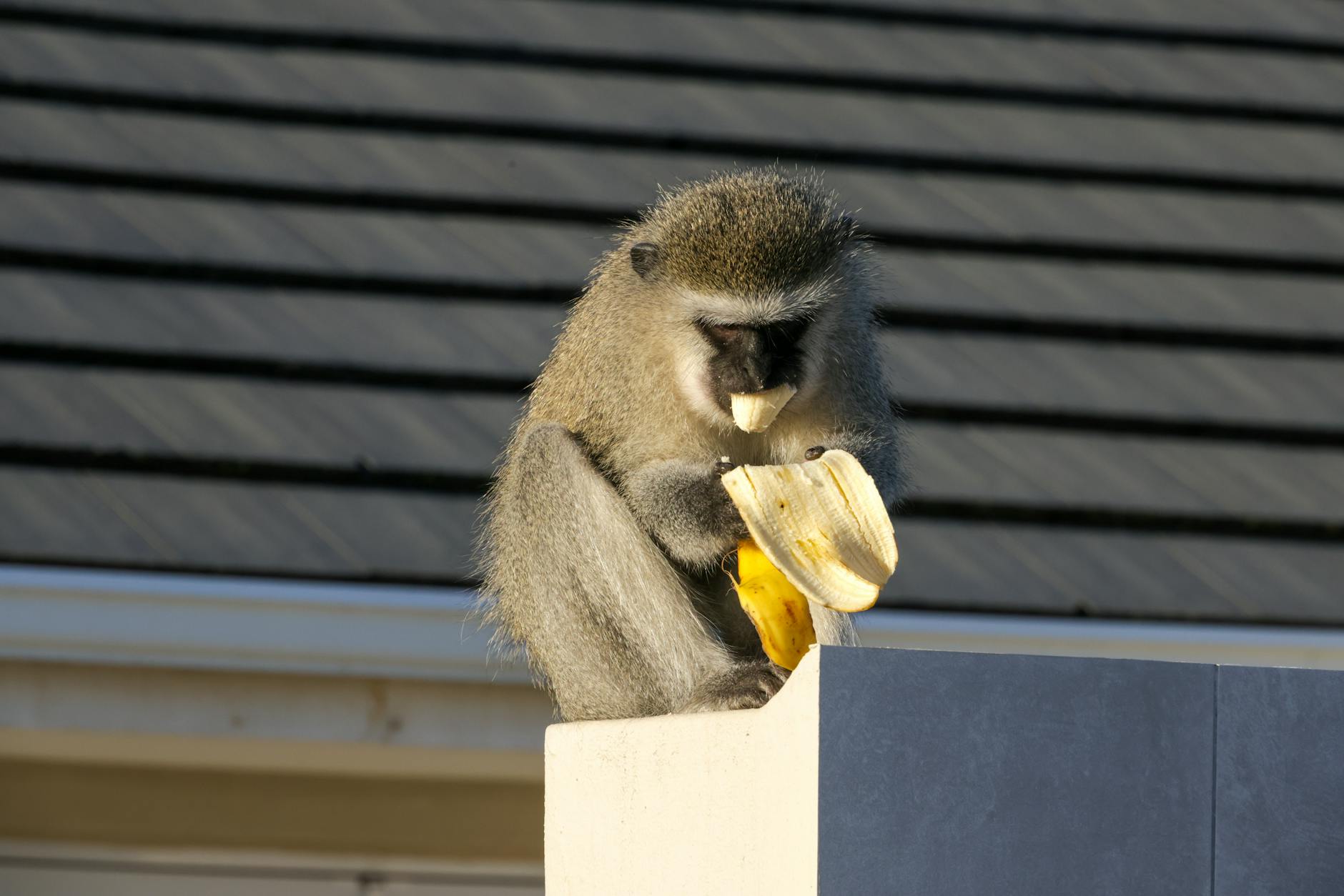
Cats can eat bananas safely, but only in very small amounts and as an occasional treat rather than a regular part of their diet. Bananas are non-toxic to cats — the ASPCA does not list them as dangerous, and veterinary sources including PetMD, Hill’s Pet, and Purina all confirm that a small piece poses no immediate health threat. If your cat sniffs out a banana slice you dropped on the kitchen floor and eats it, there is no cause for alarm. What this article will cover is the nuance behind that simple answer: why bananas offer no real nutritional value to cats, what portions are appropriate, which cats should avoid them entirely, and what signs to watch for if your cat gets more than just a taste.
The critical context here is that cats are obligate carnivores. Unlike dogs or humans, they have no biological need for fruit, and their digestive systems are not built to handle significant amounts of sugar or carbohydrates. A banana might be harmless in a blueberry-sized bite, but the same banana becomes a problem in larger quantities. The article will walk through the science, the risks, and the practical guidance veterinarians recommend for anyone curious about sharing fruit with their cat.
Table of Contents
- Are Bananas Safe for Cats to Eat?
- Why Cats Get No Real Nutritional Benefit from Bananas
- How Much Banana Can a Cat Safely Eat?
- Better Treat Alternatives for Cats
- Risks and Warning Signs to Watch For
- What to Do If Your Cat Eats a Large Amount of Banana
- The Broader Question of Cats and Human Food
- Conclusion
- Frequently Asked Questions
Are Bananas Safe for Cats to Eat?
Bananas are safe for cats in the most basic sense — they will not trigger toxicity, organ failure, or poisoning. The ASPCA classifies many common foods as toxic to pets, but bananas are not among them. This puts bananas in a different category from grapes, raisins, onions, or xylitol-containing foods, which are genuinely dangerous. A cat that eats a small piece of banana is not in any medical emergency. That said, “non-toxic” is not the same as “beneficial” or even “neutral.” Consider the comparison between a banana and a piece of plain cooked chicken.
The chicken gives a cat protein and amino acids it is biologically designed to use. The banana gives it sugar and starch it has almost no ability to metabolize efficiently. The safety of bananas for cats is real but limited — it applies only to small, infrequent servings and disappears quickly once portions grow. Veterinary guidance consistently frames bananas as an occasional treat, not a food item to incorporate into a cat’s regular diet. The 10% rule applies here: treats of any kind, including fruit, should account for no more than 10% of a cat’s daily caloric intake. For most adult cats eating around 200-250 calories per day, that is a very small margin — and a single inch of banana can eat into it quickly.
Why Cats Get No Real Nutritional Benefit from Bananas
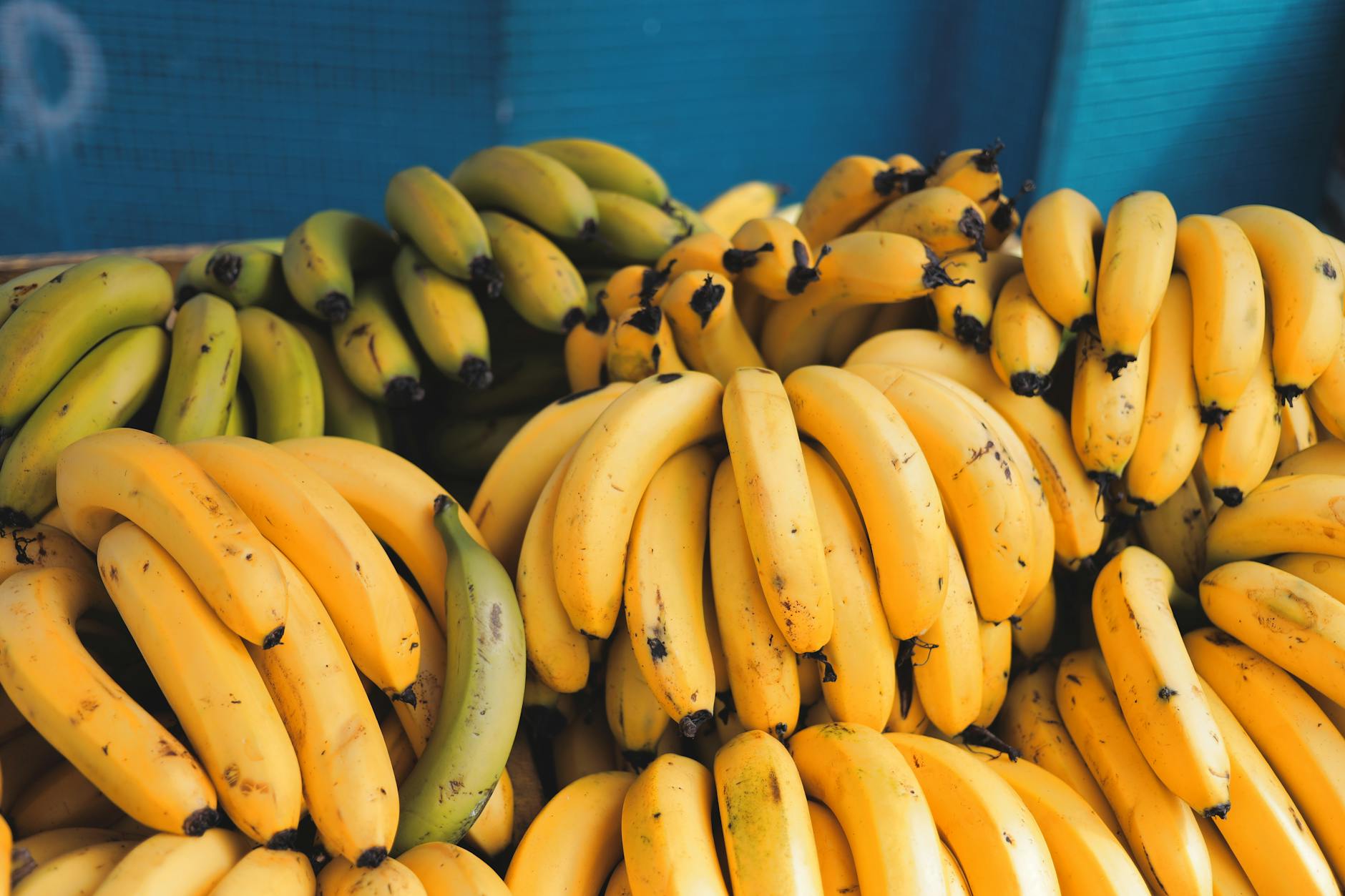
The reason bananas offer cats so little has everything to do with feline biology. Cats evolved as strict carnivores, meaning their bodies are optimized to extract energy and nutrients from animal protein and fat. They lack certain digestive enzymes that help omnivores and herbivores process plant-based carbohydrates. When a cat eats a banana, it is essentially processing a food its system was never designed to handle. Bananas are high in sugar and carbohydrates. A medium banana contains roughly 14 grams of sugar and 27 grams of carbohydrates — macronutrients that cats have limited metabolic capacity for. Unlike humans, cats do not produce significant amounts of salivary amylase, an enzyme that begins breaking down starch in the mouth.
Their livers also have a reduced ability to regulate carbohydrate metabolism compared to omnivores. The result is that excess sugar from a banana may contribute to blood sugar spikes in a way that would not happen with a piece of meat. However, if your cat has diabetes or obesity, the risk profile shifts significantly. For a healthy cat in normal weight, an occasional tiny bite is unlikely to cause lasting harm. For a diabetic cat, even a small amount of banana introduces a carbohydrate load that can disrupt blood glucose management. The same concern applies to overweight cats, where excess sugar contributes directly to the underlying metabolic problem. This is one of the clearest cases where a food that is technically non-toxic becomes genuinely inadvisable for a specific population.
How Much Banana Can a Cat Safely Eat?
If you are going to offer your cat a taste of banana, portion size matters more than frequency. Veterinary sources suggest that a safe serving is roughly one inch of banana or less, cut into small pieces approximately the size of a blueberry. That is a deliberately conservative amount, sized to keep sugar intake minimal and avoid gastrointestinal upset. Consider how small that actually is in practice. A standard banana is about seven to eight inches long. One inch is roughly one-eighth of the total fruit.
A blueberry-sized piece is even smaller. The guidance is not suggesting that cats can eat a quarter or half banana and be fine — the recommendation is a genuinely tiny portion, offered rarely. Always remove the peel before offering any banana to a cat. Banana peels are not toxic, but they are fibrous and difficult for cats to digest. A cat that chews or swallows a piece of peel is at much higher risk of gastrointestinal distress than one that eats a small piece of the flesh. The peel also presents a minor choking and obstruction risk, particularly in smaller cats. The fruit itself — in the quantities described — is the only part that falls within the safe range.
Better Treat Alternatives for Cats
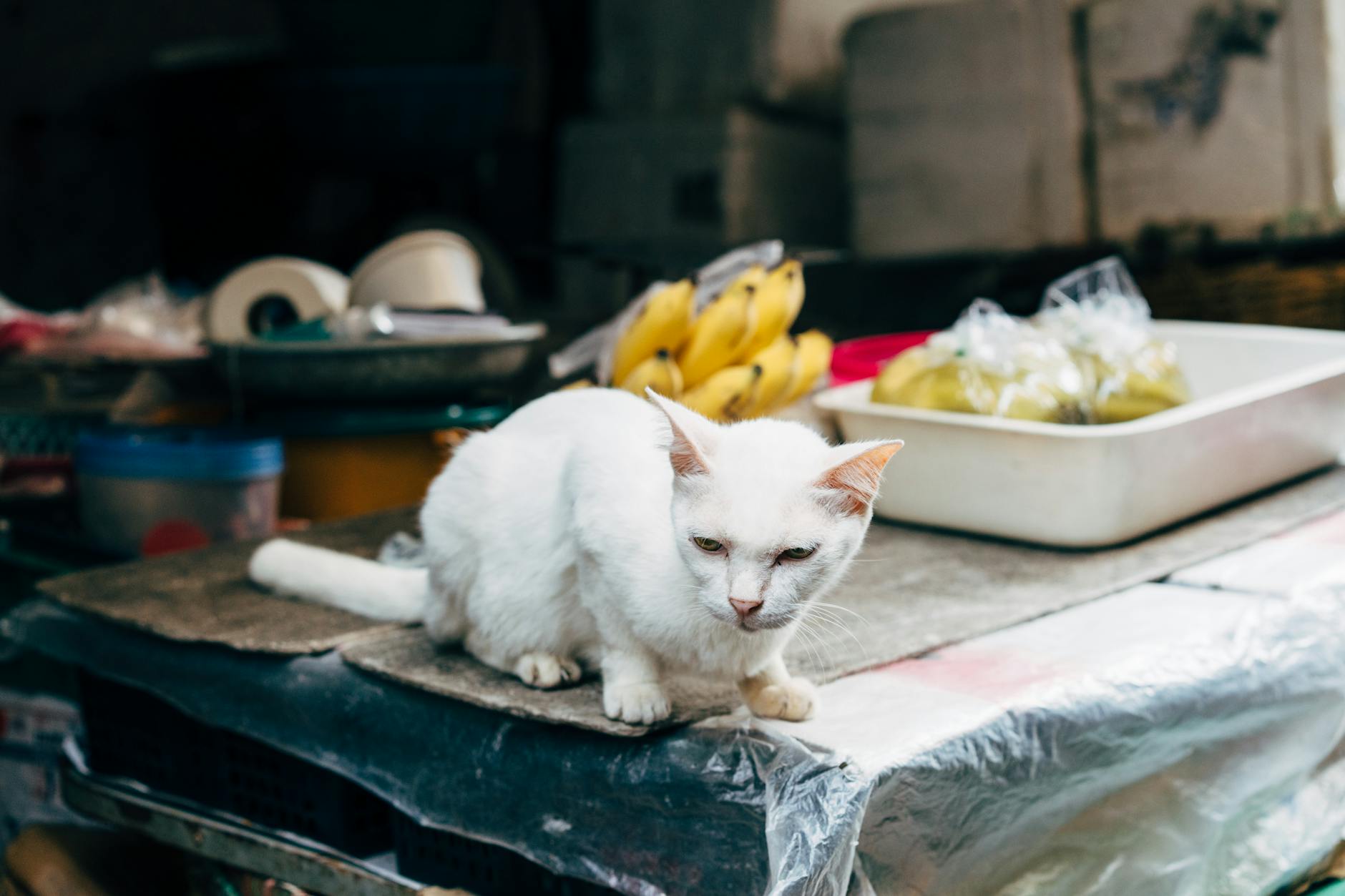
Bananas are not a natural or instinctive food for cats, and most cats do not actually find them appealing. Cats lack sweet taste receptors in the way humans do, which is thought to be an evolutionary consequence of their carnivorous diet — they simply never needed to detect sweetness. Many cats will sniff a banana and walk away, which is not a nutritional deficiency but a correct biological response. If you are looking for treat options that offer more than empty sugar calories, the comparison is straightforward. Small pieces of plain cooked chicken, turkey, or fish give cats protein and amino acids that support muscle maintenance and overall health.
Commercial cat treats are formulated to meet feline nutritional needs and are portion-controlled in ways that homemade fruit slices are not. Freeze-dried meat treats have become popular precisely because they satisfy the desire to give cats something special without the carbohydrate load. The tradeoff with fruit treats like banana is that the potential upside — a novel texture or taste experience — is small, while the potential downside — blood sugar disruption, digestive upset, or unnecessary caloric contribution from sugar — is real. For cats with no health conditions who receive only a single small piece, the risk is low. But when weighed against protein-based alternatives that actively support feline health, bananas simply do not compare favorably as a treat choice.
Risks and Warning Signs to Watch For
Even within the recommended portion size, some cats will react poorly to banana. The most common signs of trouble are vomiting, diarrhea, and general gastrointestinal distress. These symptoms can appear within a few hours of eating and may resolve on their own, but they are a signal that this particular cat should not have banana again. Kittens require extra caution. Their digestive systems are still developing, which makes them more vulnerable to foods that an adult cat might handle without incident.
A kitten that eats even a small amount of banana may experience intestinal inflammation or sensitivity that an adult cat would not. The general veterinary guidance is to keep kittens on age-appropriate food and avoid introducing human foods, including fruit, until they are fully grown and their digestion is more mature. The more serious warning applies to cats with pre-existing conditions. Diabetic cats, obese cats, and cats with known gastrointestinal issues — including inflammatory bowel disease — should not have banana at all. The high sugar content is a direct concern for diabetic cats, and the fiber and carbohydrate content can aggravate GI conditions. If your cat has any ongoing health condition and you are curious about what treats are safe, the right step is to consult your veterinarian before introducing anything new, including fruit.
What to Do If Your Cat Eats a Large Amount of Banana
If your cat manages to eat more than a small piece — say, half a banana left unattended on a counter — the immediate risk is still relatively low because bananas are non-toxic. But the GI consequences may be more pronounced. Watch for vomiting, loose stool, lethargy, or signs of abdominal discomfort over the next several hours.
Most healthy adult cats will recover without intervention, but the symptoms can be unpleasant and worth monitoring. If the cat ate a significant amount of banana peel along with the fruit, or if symptoms persist beyond 24 hours or seem severe, contact your veterinarian. The same applies if the cat that ate the banana is diabetic, elderly, very young, or has any known health condition. In those cases, the blood sugar implications or GI impact may warrant professional guidance rather than a wait-and-see approach.
The Broader Question of Cats and Human Food
Bananas fit into a larger pattern with cats and human food: many things are technically safe in small amounts but offer no real benefit and carry real risks at larger portions. The question “can cats eat this?” often gets a qualified yes that invites further questions about whether they should, how much, and for which cats. Bananas illustrate that pattern clearly.
As awareness of feline nutrition improves, the general direction of veterinary guidance is toward diets built on high-quality protein sources, appropriate moisture levels, and minimal carbohydrate content. Occasional treats are understood as part of normal pet ownership, but the emphasis is increasingly on treats that align with what cats actually need rather than what owners enjoy sharing. Bananas may always occupy the “technically fine in tiny amounts” category, but they are unlikely to ever move into genuinely recommended territory for cats.
Conclusion
Cats can eat bananas safely when the portion is small — around one inch of peeled fruit, cut into blueberry-sized pieces — and the frequency is occasional rather than regular. Bananas are non-toxic, confirmed safe by the ASPCA and major veterinary sources, and a single stray bite from a curious cat is not a cause for concern. The honest assessment, though, is that bananas offer cats nothing nutritionally meaningful. Cats are obligate carnivores with limited capacity to metabolize sugar and carbohydrates, and a banana contributes calories in a form their bodies were never designed to use efficiently.
The practical guidance is simple: if your cat shows interest, a small taste is not dangerous for a healthy adult cat. Remove the peel, keep the portion tiny, and do not make it a habit. Avoid bananas entirely for kittens, diabetic cats, and overweight cats. And when in doubt about any new food — banana or otherwise — a quick conversation with your veterinarian is always the safest starting point.
Frequently Asked Questions
Will a banana hurt my cat?
A small piece of banana is unlikely to hurt a healthy adult cat. Bananas are non-toxic to cats according to the ASPCA and multiple veterinary sources. The risk increases with larger portions, which can cause vomiting, diarrhea, or blood sugar disruption.
Can cats eat banana peels?
No. Always remove the peel before offering banana to a cat. Banana peels are not toxic but are fibrous, difficult to digest, and can cause GI distress or pose a minor choking risk.
Do cats even like bananas?
Most cats are indifferent or averse to bananas. Cats lack functional sweet taste receptors, so the sugar content that makes bananas appealing to humans does not register the same way for cats. Many cats will simply ignore a banana slice.
Can kittens eat bananas?
Kittens should not eat bananas. Their digestive systems are still developing and are more vulnerable to GI inflammation and sensitivity from foods outside their normal diet. Stick to kitten-formulated food until they are fully grown.
Is banana safe for diabetic cats?
No. Diabetic cats should not eat bananas. The high sugar and carbohydrate content can disrupt blood glucose management and complicate diabetes control. Consult your veterinarian about what treats are appropriate for a diabetic cat.
How much banana can a cat eat?
Veterinary guidance suggests no more than about one inch of banana, cut into small pieces roughly the size of a blueberry. Treats of all kinds should make up no more than 10% of a cat’s daily caloric intake.