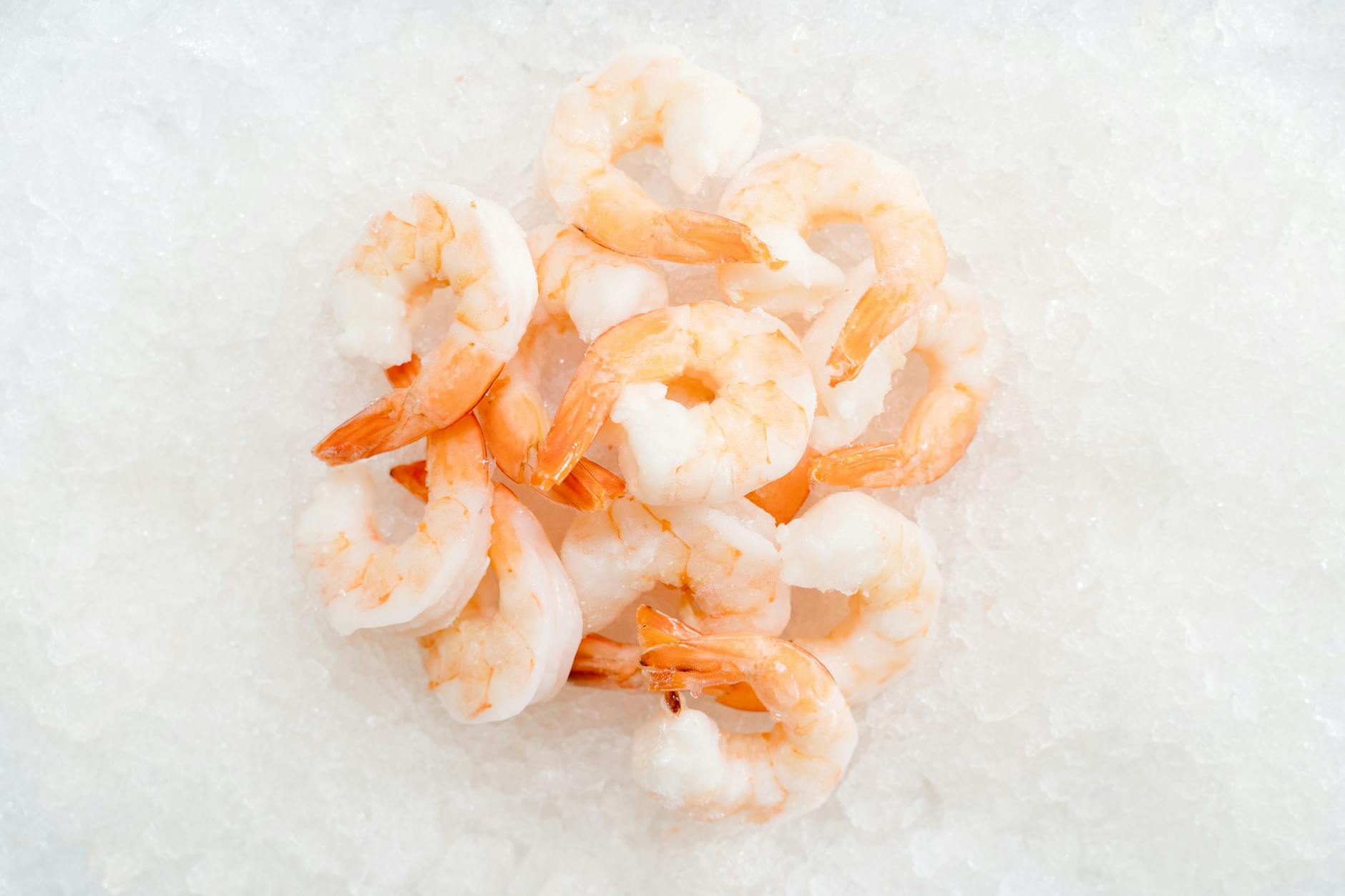
Yes, cats can safely eat shrimp in moderation, and most felines find it quite appealing due to its strong seafood aroma and meaty texture. Plain, fully cooked shrimp offers a lean protein source that poses no inherent toxicity to cats, making it an acceptable occasional treat. However, the key words here are “plain” and “cooked”—shrimp prepared with garlic, butter, salt, or other seasonings common in human recipes can cause digestive upset or worse, while raw shrimp carries bacterial risks that cooked shrimp does not. Consider a scenario where you’re peeling shrimp for dinner and your cat is weaving between your legs, meowing insistently.
Tossing them a small piece of plain, cooked shrimp won’t hurt them—in fact, it provides protein and omega-3 fatty acids. But feeding them shrimp scampi loaded with garlic butter could send you to the emergency vet. The difference matters enormously. This article covers the nutritional benefits shrimp offers cats, proper preparation methods, appropriate serving sizes, potential risks including allergies and cholesterol concerns, and how shrimp compares to other seafood treats. You’ll also learn warning signs that indicate your cat isn’t tolerating shrimp well and when to consult a veterinarian.
Table of Contents
- Is Shrimp Nutritionally Beneficial for Cats?
- What Is the Right Portion Size for Cats?
- Can Cats Be Allergic to Shrimp?
- Does Shrimp Cholesterol Affect Cats?
- How Does Shrimp Compare to Other Seafood Treats?
- Warning Signs Your Cat Cannot Tolerate Shrimp
- Can Kittens Eat Shrimp?
- What About Shrimp-Flavored Cat Foods?
- Conclusion
Is Shrimp Nutritionally Beneficial for Cats?
Shrimp contains several nutrients that align well with feline dietary needs. As obligate carnivores, cats require animal-based proteins, and shrimp delivers approximately 20 grams of protein per 100-gram serving with minimal fat content. This makes it a leaner option compared to many commercial cat treats, which often contain fillers and excess calories. Shrimp also provides taurine, an essential amino acid cats cannot synthesize on their own and must obtain through diet—taurine deficiency leads to serious heart and vision problems. Beyond protein, shrimp offers omega-3 fatty acids that support skin health, coat quality, and may reduce inflammation in aging cats with joint issues.
The selenium in shrimp acts as an antioxidant, while phosphorus supports bone health. Compared to salmon or tuna, shrimp has lower mercury levels because of its position lower on the food chain, making it a somewhat safer seafood choice for regular inclusion as a treat. That said, shrimp should never replace balanced cat food. Commercial cat diets are formulated to meet all feline nutritional requirements in proper ratios. Shrimp lacks adequate amounts of certain vitamins and minerals cats need daily, and feeding it as a primary food source would create dangerous nutritional imbalances over time. Think of shrimp as a supplement to a complete diet, not a substitute.
What Is the Right Portion Size for Cats?
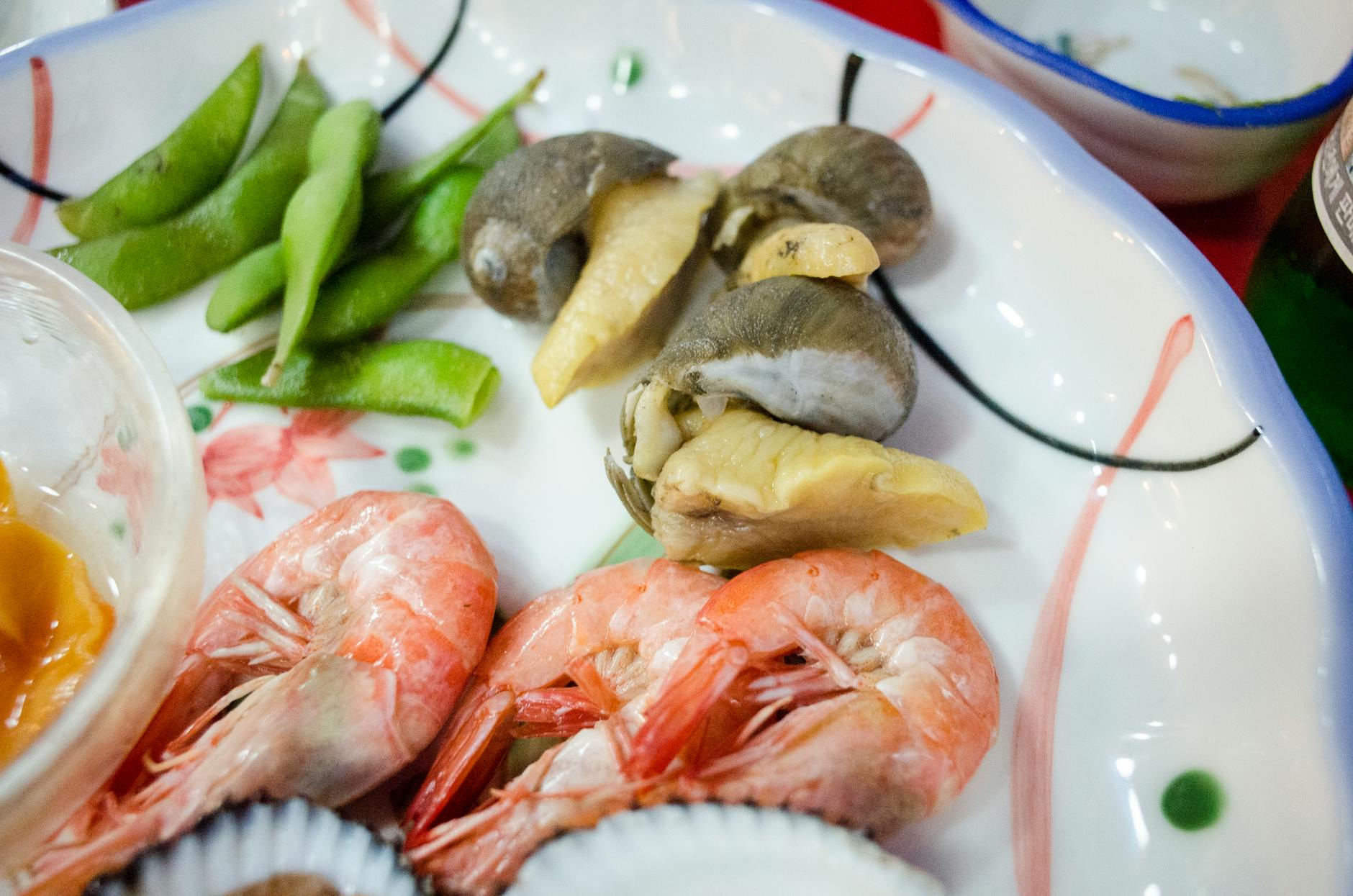
Portion control prevents the most common problems associated with feeding shrimp to cats. A good rule of thumb limits treats—including shrimp—to no more than ten percent of your cat’s daily caloric intake. For an average ten-pound cat requiring roughly 200 calories per day, that means approximately 20 calories from treats. Since a medium-sized shrimp contains about 7 calories, two to three shrimp represents a reasonable serving for most cats. For a practical example, imagine your cat weighs eight pounds and maintains a healthy weight on 180 calories daily. Their treat allowance sits around 18 calories, translating to two medium shrimp at most.
A larger cat weighing fifteen pounds might handle four shrimp without issue. Starting smaller makes sense when introducing any new food—offer just one shrimp the first time and observe your cat for 24 hours before giving more. Frequency matters as much as portion size. Offering shrimp once or twice weekly keeps it in the “special treat” category where it belongs. Daily shrimp feeding, even in appropriate portions, shifts the nutritional balance of your cat’s overall diet and may cause them to become finicky about their regular food. Some cats develop such strong preferences for human food treats that they begin refusing their nutritionally complete cat food—a problematic pattern to avoid.
Can Cats Be Allergic to Shrimp?
Shellfish allergies occur in cats just as they do in humans, though they’re relatively uncommon. A cat experiencing an allergic reaction to shrimp may exhibit symptoms ranging from mild to severe, including itchy skin, excessive scratching, facial swelling, vomiting, diarrhea, or respiratory distress. These reactions typically appear within minutes to a few hours after consumption. One cat owner discovered their pet’s shrimp allergy after a single piece caused hives and facial puffiness that required antihistamine treatment at the vet. If your cat has never eaten shrimp before, introduce it cautiously with a very small amount—about half of one shrimp. Monitor closely for the next several hours.
Mild digestive upset like a single episode of vomiting or soft stool might indicate sensitivity rather than true allergy, suggesting shrimp simply doesn’t agree with that particular cat. True allergic reactions involve immune system responses and tend to produce more dramatic symptoms that worsen with repeated exposure. Cats with known allergies to other shellfish such as crab or lobster face higher risk of reacting to shrimp due to similar proteins. The same applies to cats with multiple food sensitivities. If your cat falls into these categories, consult your veterinarian before introducing shrimp. They may recommend supervised feeding or suggest skipping shellfish treats entirely in favor of alternatives your cat tolerates well.

Does Shrimp Cholesterol Affect Cats?
Shrimp contains notably high cholesterol levels—about 166 milligrams per 100 grams—which raises reasonable questions about cardiovascular implications for cats. The good news is that dietary cholesterol affects cats differently than humans. Felines process cholesterol efficiently and don’t develop atherosclerosis, the arterial plaque buildup that causes heart disease in people, from high-cholesterol foods. Their carnivorous systems evolved to handle animal-based diets naturally rich in cholesterol. However, this doesn’t grant unlimited license. Cats with existing health conditions, particularly liver disease, pancreatitis, or obesity, may need dietary fat and cholesterol restrictions.
A cat with chronic pancreatitis, for instance, requires a low-fat diet to prevent painful flare-ups—while shrimp itself is low in fat, the overall dietary picture matters. Similarly, overweight cats shouldn’t receive calorie-dense treats that contribute to further weight gain, regardless of cholesterol content. The limitation here involves veterinary guidance. If your cat has any diagnosed health condition, ask your vet specifically about shrimp before offering it. What functions as a harmless treat for a healthy cat could exacerbate problems in a cat managing chronic illness. Even seemingly minor additions to the diet can tip a carefully balanced therapeutic feeding plan in the wrong direction.
How Does Shrimp Compare to Other Seafood Treats?
Not all seafood carries equal risk profiles for cats. Shrimp stands out as a relatively safe option when compared to tuna, which accumulates mercury at higher levels due to its position as a predatory fish. Cats fed tuna frequently can develop mercury poisoning over time, causing neurological symptoms. Shrimp, being small and short-lived, doesn’t concentrate heavy metals the same way. This makes occasional shrimp feeding less concerning than regular tuna treats from a toxicity standpoint. Salmon offers similar nutritional benefits to shrimp, including omega-3 fatty acids, but comes with caveats regarding preparation.
Raw salmon can contain parasites that cause “salmon poisoning disease”—a condition actually caused by bacteria carried by parasites—which proves fatal without treatment. Cooked salmon poses no such risk. Sardines provide excellent nutrition and lower mercury than larger fish, though their stronger smell and oiliness may cause digestive upset in sensitive cats. Crab and lobster present similar considerations to shrimp: cook thoroughly, remove shell, serve plain. One tradeoff worth noting: shrimp requires more preparation effort than opening a can of cat-safe fish treats designed for felines. Commercial seafood cat treats undergo processing that eliminates safety concerns, though they often contain additives, sodium, and fillers that plain shrimp does not. Choosing between convenience and whole-food quality depends on your priorities and how often you plan to offer seafood treats.

Warning Signs Your Cat Cannot Tolerate Shrimp
Watch for specific symptoms indicating shrimp doesn’t agree with your cat’s system. Immediate vomiting within an hour of eating shrimp suggests the food is too rich, was improperly prepared, or triggered a sensitivity reaction. Diarrhea developing within 24 hours points toward digestive intolerance. A single episode of either might mean your cat simply ate too much too fast, but repeated symptoms on subsequent occasions confirm that shrimp isn’t suitable for that individual cat.
More concerning signs include lethargy, refusal to eat regular food for more than a day, bloody stool, or labored breathing. These warrant prompt veterinary attention. Severe allergic reactions causing facial swelling, hives, or breathing difficulty constitute emergencies—seek immediate care rather than waiting to see if symptoms resolve. While rare, anaphylactic reactions to shellfish can occur in cats and require fast intervention.
Can Kittens Eat Shrimp?
Kittens can technically eat small amounts of shrimp, but their developing digestive systems handle new foods less predictably than adult cats. A kitten under six months old derives little benefit from shrimp while facing higher risk of gastrointestinal upset.
Their nutritional needs are best met by kitten-specific food formulated for growth—introducing rich treats like shrimp may cause diarrhea that leads to dehydration in small bodies with limited reserves. If you want to offer shrimp to an older kitten approaching adulthood, start with a tiny piece—perhaps a quarter of a single shrimp—and wait several days before offering more. Building tolerance gradually reduces the chance of digestive problems and helps you identify any sensitivity early.
What About Shrimp-Flavored Cat Foods?
Commercial cat foods featuring shrimp flavoring or shrimp as an ingredient undergo processing that differs substantially from feeding plain shrimp. These products typically contain shrimp meal or small amounts of actual shrimp combined with other protein sources, grains, and supplements to create nutritionally complete formulas. The shrimp content provides flavor appeal more than significant nutritional contribution.
Reading ingredient labels reveals what you’re actually feeding. A food listing “shrimp” as the first ingredient contains more shrimp than one listing it fifth or sixth. “Shrimp flavor” may contain minimal actual shrimp, relying instead on digest or other palatability enhancers. Neither approach is inherently problematic if the overall formula meets AAFCO standards for complete nutrition, but understanding the difference helps set realistic expectations about what your cat is consuming.
Conclusion
Cats can enjoy shrimp as an occasional treat when it’s prepared correctly—cooked plain without seasonings, shell removed, and served in appropriate portions. The nutritional profile supports feline health through quality protein, taurine, and omega-3 fatty acids, while the relatively low mercury content makes it safer than many other seafood options. Most cats tolerate shrimp well, though individual sensitivities and allergies do occur.
Keep shrimp in perspective as a supplement to complete cat nutrition rather than a dietary staple. Introduce it gradually, watch for adverse reactions, and consult your veterinarian if your cat has existing health conditions that might complicate dietary additions. Following these guidelines lets you share the occasional shrimp with your feline companion without compromising their health or creating problematic eating habits.