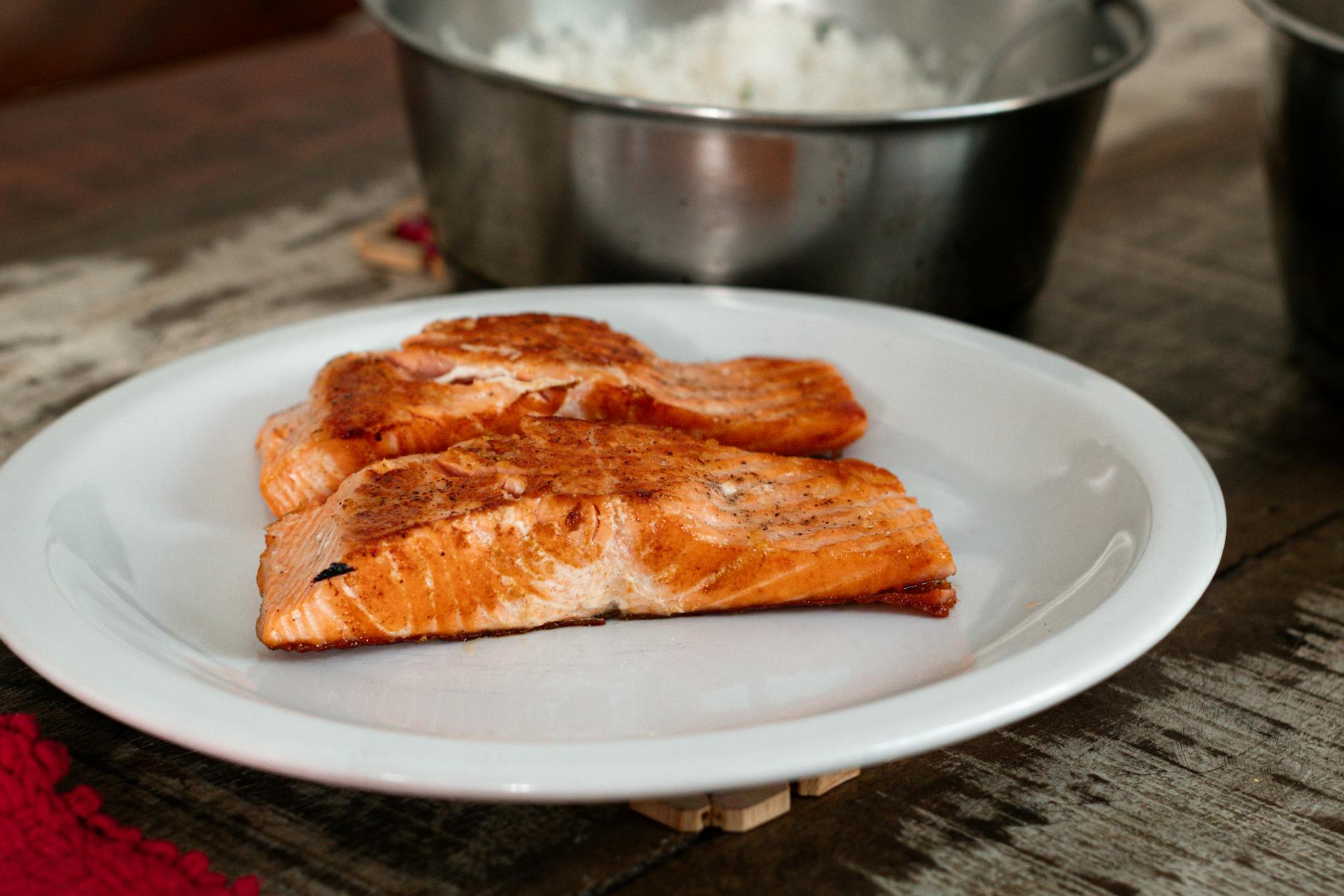
Yes, salmon is generally safe for cats to eat when prepared properly, but it comes with important caveats that every cat owner should understand. Cooked, boneless salmon offered in moderation can provide valuable protein and omega-3 fatty acids that support your cat’s coat, skin, and overall health. However, raw salmon poses serious health risks, and even cooked salmon should never become a dietary staple. A cat named Oliver in Seattle developed thiamine deficiency after his well-meaning owner fed him salmon daily for three months, resulting in neurological symptoms that required veterinary intervention””a cautionary example of how even “healthy” foods can cause harm when fed incorrectly.
The key distinction lies in preparation and frequency. Salmon that has been thoroughly cooked without added seasonings, oils, or sauces is a safe occasional treat for most cats. Raw salmon, smoked salmon, and salmon prepared with garlic, onion, or excessive salt are not safe and can lead to parasitic infections, sodium poisoning, or toxicity. Most veterinarians recommend limiting salmon treats to once or twice per week at most, comprising no more than 10 percent of your cat’s total caloric intake. This article covers the specific risks of raw versus cooked salmon, how to safely prepare salmon for your cat, the nutritional benefits and drawbacks, signs of salmon-related health problems, and guidance on commercial salmon cat foods versus homemade preparations.
Table of Contents
- Why Do Cats Love Salmon and Is It Actually Good for Them?
- The Dangers of Raw Salmon: Parasites, Bacteria, and Thiaminase
- Signs Your Cat May Be Having Problems with Salmon
- Commercial Salmon Cat Foods Versus Homemade Preparations
- Can Kittens and Senior Cats Eat Salmon Safely?
- The Role of Salmon Oil as an Alternative to Whole Fish
- Conclusion
Why Do Cats Love Salmon and Is It Actually Good for Them?
cats are drawn to salmon for biological reasons rooted in their evolutionary history as obligate carnivores. The strong, fishy odor that salmon produces contains amino acids and fatty compounds that trigger a cat’s prey drive and appetite response. Unlike humans, cats have relatively few taste buds””about 470 compared to our 9,000″”but their sense of smell is fourteen times stronger, making aromatic proteins like salmon nearly irresistible. From a nutritional standpoint, salmon offers genuine benefits when fed appropriately. A three-ounce serving of cooked salmon contains approximately 22 grams of protein, along with omega-3 fatty acids (EPA and DHA) that support cognitive function, reduce inflammation, and promote healthy skin and coat.
Salmon also provides vitamin B12, selenium, and potassium. Compared to chicken, salmon offers significantly higher omega-3 content””roughly 1.5 grams per serving versus 0.1 grams in chicken breast. However, salmon lacks certain nutrients cats require and contains others in problematic amounts. It provides insufficient taurine compared to organ meats, lacks adequate calcium, and contains higher fat content than many other protein sources. A cat fed salmon as a primary protein source would eventually develop nutritional deficiencies despite the fish’s apparent health benefits.
The Dangers of Raw Salmon: Parasites, Bacteria, and Thiaminase
Raw salmon presents three distinct categories of risk that make it unsuitable for feline consumption. The most serious concern is salmon poisoning disease, caused by a parasite called Nanophyetus salmincola that carries the bacteria Neorickettsia helminthoeca. This condition is fatal in up to 90 percent of untreated cases, primarily affecting dogs but also documented in cats. Symptoms appear within six to ten days of consumption and include fever, vomiting, diarrhea, and lymph node swelling. Beyond salmon poisoning disease, raw salmon may harbor other parasites including tapeworms and roundworms, as well as bacteria such as Salmonella and Listeria. These pathogens can cause gastrointestinal distress, systemic infection, and in immunocompromised cats, potentially life-threatening illness. Even sushi-grade salmon, which has been flash-frozen to kill certain parasites, may not eliminate all bacterial contamination. Raw fish also contains an enzyme called thiaminase that destroys thiamine (vitamin B1) in your cat’s digestive system. Thiamine deficiency develops gradually, making it easy to miss until symptoms become severe. Early signs include appetite loss and weight loss, progressing to neurological symptoms such as dilated pupils, wobbly gait, head tilting, and seizures. However, if you accidentally give your cat a small piece of raw salmon once, this single exposure is unlikely to cause thiaminase-related problems””the danger comes from repeated feeding over weeks or months.
## How to Safely Prepare Salmon for Your Cat The safest preparation method involves baking, poaching, or steaming salmon until it reaches an internal temperature of 145 degrees Fahrenheit throughout. This temperature eliminates parasites, destroys harmful bacteria, and deactivates thiaminase. Avoid frying salmon in oil, which adds unnecessary fat, and never use butter, seasonings, or cooking sprays that may contain ingredients toxic to cats. When preparing salmon at home, start by removing all bones, including the small pin bones that run along the fillet. These bones can splinter and cause choking, intestinal blockage, or internal punctures. After cooking, flake the salmon into small, manageable pieces appropriate for your cat’s size. For a typical ten-pound adult cat, a treat portion should be approximately one tablespoon of flaked salmon””enough to enjoy without disrupting nutritional balance. Store-bought smoked salmon, lox, and canned salmon present their own considerations. Smoked salmon contains extremely high sodium levels””sometimes exceeding 600 milligrams per ounce””making it inappropriate for cats, especially those with heart or kidney conditions. Canned salmon may be acceptable if packed in water without added salt, but check labels carefully. The bones in canned salmon are soft and generally safe, though some cats may reject the texture. Compared to fresh-cooked salmon, canned versions typically offer less palatability but greater convenience, while smoked varieties should be avoided entirely due to sodium content.
Signs Your Cat May Be Having Problems with Salmon
Adverse reactions to salmon can manifest as digestive upset, allergic responses, or longer-term nutritional issues. Immediate digestive symptoms include vomiting, diarrhea, and abdominal discomfort, typically appearing within two to twelve hours of consumption. These reactions may indicate bacterial contamination, an overly rich meal, or individual intolerance. For example, a cat who normally tolerates small amounts of salmon might experience vomiting after eating a larger portion due to the high fat content overwhelming their digestive system. Allergic reactions to fish, while less common than allergies to beef or dairy, do occur in cats.
Symptoms include intense itching (particularly around the head and neck), skin inflammation, hair loss, and chronic ear infections. True salmon allergies develop over time with repeated exposure, meaning a cat may tolerate salmon for years before developing sensitivity. If you notice your cat scratching excessively or developing skin lesions after eating salmon, discontinue feeding immediately and consult your veterinarian. Long-term overconsumption produces more insidious symptoms. Watch for gradual weight gain from excess calories, persistent fishy breath, yellowing of the skin or eyes (potentially indicating liver stress), and neurological symptoms like unsteady movement or confusion that might suggest thiamine deficiency. Mercury accumulation represents another concern with frequent fish consumption, though it typically requires substantial, prolonged intake to reach problematic levels in cats.

Commercial Salmon Cat Foods Versus Homemade Preparations
Commercial cat foods featuring salmon undergo formulation to meet AAFCO nutritional standards, meaning they contain appropriate levels of taurine, vitamins, minerals, and other nutrients cats require. These products use salmon as one component of a complete diet rather than the sole protein source. Premium brands typically use real salmon meat, while budget options may rely more heavily on salmon meal or salmon byproducts, which still provide nutritional value but differ in digestibility and palatability. The tradeoff between commercial and homemade salmon preparations involves control versus completeness. Homemade salmon treats allow you to verify quality, freshness, and preparation methods, ensuring your cat receives pure, unseasoned fish without fillers or preservatives.
However, homemade preparations should never constitute a complete diet because balancing all required nutrients without professional formulation is extremely difficult. Commercial foods sacrifice some ingredient transparency but guarantee nutritional adequacy when fed as directed. Reading labels on salmon-based commercial foods requires attention to ingredient order and marketing claims. Ingredients appear by weight, so “salmon” listed first suggests meaningful salmon content, while “salmon flavor” indicates minimal actual fish. Terms like “salmon dinner” or “salmon recipe” legally require only 25 percent salmon content, whereas “salmon cat food” must contain at least 95 percent salmon (excluding water for processing). For cats with fish sensitivities, even small amounts of salmon in commercial foods may trigger reactions, making careful label review essential.
Can Kittens and Senior Cats Eat Salmon Safely?
Kittens have developing digestive and immune systems that make them more vulnerable to foodborne illness and nutritional imbalances. While small amounts of cooked salmon are not toxic to kittens over eight weeks old, introducing novel proteins too early can increase allergy risk and may cause digestive upset. A conservative approach involves waiting until kittens reach four to six months of age before offering salmon treats, and then starting with tiny amounts””perhaps half a teaspoon””to monitor for adverse reactions.
Senior cats face different considerations. Many older cats have reduced kidney function, even without diagnosed kidney disease, making high-phosphorus foods like fish a potential concern. A fourteen-year-old cat named Whiskers developed elevated kidney values after her owner increased salmon treats to entice her declining appetite””a well-intentioned decision that inadvertently accelerated kidney stress. For senior cats, consulting with a veterinarian about appropriate treat foods becomes particularly important, especially if bloodwork has shown any kidney value changes.
The Role of Salmon Oil as an Alternative to Whole Fish
Salmon oil provides many of the omega-3 benefits of whole salmon without some of the associated risks. Commercial salmon oil supplements designed for pets undergo processing to remove contaminants and are typically free from bones, parasites, and thiaminase concerns. A quarter teaspoon of salmon oil drizzled over regular food can improve coat condition, support joint health, and reduce inflammation without disrupting dietary balance.
However, salmon oil adds calories and fat, which must be accounted for in your cat’s overall intake. Cats prone to pancreatitis or those with sensitive stomachs may not tolerate added oils well. Starting with small amounts and increasing gradually allows you to assess tolerance while monitoring for loose stools or vomiting that might indicate the fat content is too high for your individual cat.
Conclusion
Salmon occupies a middle ground in feline nutrition””neither a superfood to prioritize nor a danger to avoid entirely. When cooked thoroughly, deboned carefully, served plain, and offered in moderation, salmon provides enjoyable variety and beneficial nutrients for most cats. The essential guidelines involve cooking to 145 degrees Fahrenheit, limiting portions to approximately one tablespoon once or twice weekly, and avoiding raw, smoked, or seasoned preparations entirely.
Your next steps should include discussing salmon treats with your veterinarian, particularly if your cat has existing health conditions, food sensitivities, or falls into special categories like kittens or seniors. When introducing salmon for the first time, start with a small amount and observe for 24 to 48 hours before offering more. Keep records of what you feed and any reactions you notice, which helps identify patterns and provides valuable information should problems arise.