
Swiss cheese is not toxic to cats, but it is generally not safe as a regular part of their diet. The primary concern is that most adult cats are lactose intolerant, meaning they lack sufficient lactase enzymes to properly digest the lactose found in dairy products. While Swiss cheese contains less lactose than milk or soft cheeses, it can still cause digestive upset including diarrhea, vomiting, and stomach cramps in many cats. A small nibble of Swiss cheese as an occasional treat is unlikely to cause serious harm to most cats, but it offers no nutritional benefit and carries real risks for felines with sensitive stomachs.
Consider a common scenario: your cat jumps on the counter while you’re making a sandwich and manages to steal a small piece of Swiss cheese. In most cases, this single incident won’t result in an emergency vet visit, but you may notice some loose stools over the next day or two. The real danger comes from regular feeding or large quantities, which can lead to chronic digestive issues and weight gain from the high fat content. This article covers why cats struggle to digest cheese, the specific risks Swiss cheese poses, safer alternatives for treating your cat, and what to do if your cat has consumed a significant amount of dairy.
Table of Contents
- Why Do Cats Have Trouble Digesting Swiss Cheese and Other Dairy?
- The Nutritional Mismatch Between Swiss Cheese and Feline Dietary Needs
- How Much Swiss Cheese Is Too Much for a Cat?
- Comparing Swiss Cheese to Other Dairy Products for Cats
- Potential Health Complications From Regular Cheese Consumption
- What to Do If Your Cat Eats a Large Amount of Swiss Cheese
- Safer Treat Alternatives for Your Cat
- Conclusion
Why Do Cats Have Trouble Digesting Swiss Cheese and Other Dairy?
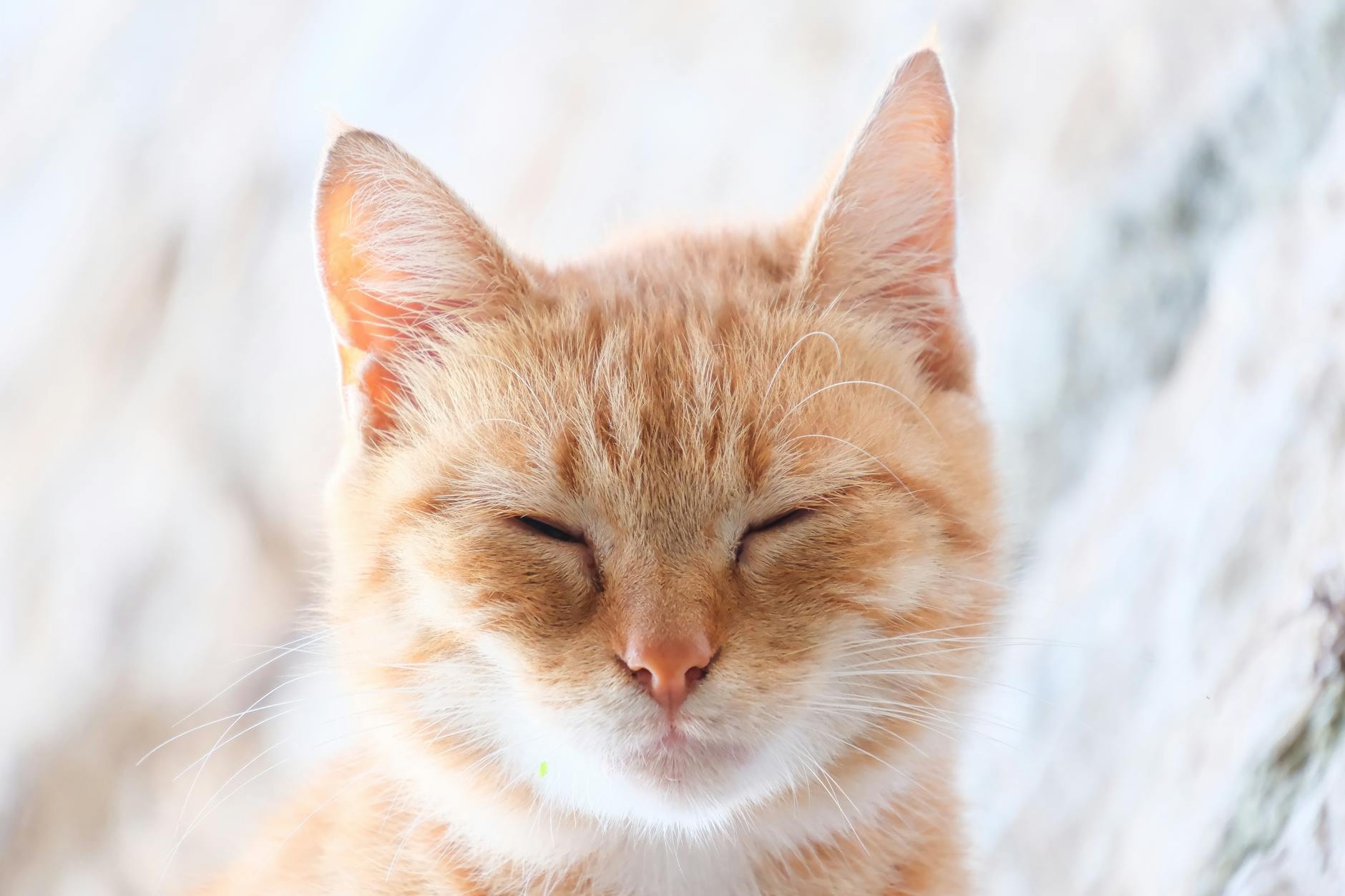
Kittens are born with the ability to digest their mother’s milk because they produce adequate amounts of lactase, the enzyme required to break down lactose. However, as cats wean and transition to solid food, their bodies naturally reduce lactase production. By adulthood, most cats retain only about 10 percent of their original lactase levels, rendering them functionally lactose intolerant. This biological shift explains why the iconic image of a cat happily lapping up a bowl of milk is actually a recipe for gastrointestinal distress. When a lactose-intolerant cat consumes dairy products like Swiss cheese, the undigested lactose passes into the large intestine where bacteria ferment it.
This fermentation process produces gas, draws water into the intestines, and creates the uncomfortable symptoms associated with lactose intolerance. Swiss cheese contains approximately 0.4 grams of lactose per ounce, which is lower than cheddar (approximately 0.5 grams) or American cheese (approximately 0.5 to 1 gram), but still enough to trigger symptoms in sensitive cats. Interestingly, some cats appear to tolerate small amounts of dairy better than others. This variation occurs because lactose intolerance exists on a spectrum rather than as an absolute condition. A cat that can eat a tiny piece of cheese without obvious distress may still experience subclinical digestive issues that aren’t immediately visible. Comparing two cats from the same litter, one might show immediate diarrhea after eating cheese while the other seems fine””but neither is actually benefiting nutritionally from the dairy.
The Nutritional Mismatch Between Swiss Cheese and Feline Dietary Needs
Cats are obligate carnivores, meaning their bodies are designed to derive nutrition almost exclusively from animal meat. Their digestive systems lack the enzymes and metabolic pathways needed to efficiently process many plant-based foods and dairy products. Swiss cheese, while technically derived from an animal source, is a processed food that doesn’t align with a cat’s biological requirements. It contains protein and fat, but in forms and ratios that don’t match what cats need. A one-ounce serving of Swiss cheese contains approximately 8 grams of fat and 108 calories.
For a 10-pound cat requiring roughly 200 to 250 calories daily, even a small piece of cheese represents a significant caloric addition without corresponding nutritional value. The protein in cheese, while present, is not as bioavailable to cats as protein from muscle meat. Cats also require specific amino acids like taurine that are abundant in meat but not meaningfully present in dairy products. However, if your cat is underweight and struggling to eat due to illness or medication side effects, a veterinarian might occasionally suggest small amounts of strongly scented foods like cheese to stimulate appetite. This represents a specific medical situation where the temporary benefit of getting calories into a sick cat outweighs the digestive drawbacks. For healthy cats maintaining normal weight, cheese adds unnecessary calories without nutritional justification and can contribute to obesity over time.
How Much Swiss Cheese Is Too Much for a Cat?
Determining a “safe” amount of Swiss cheese for cats is difficult because individual tolerance varies significantly. As a general guideline, a piece no larger than a fingernail given no more than once or twice per month falls within the range that most cats can handle without severe symptoms. This amount””roughly one to two grams””contains minimal lactose but still poses risks for particularly sensitive individuals. Some veterinary nutritionists suggest that treats of any kind should constitute no more than 10 percent of a cat’s daily caloric intake, which for cheese works out to an extremely small portion. A practical example helps illustrate appropriate limits. If you’re using cheese to hide a pill for your cat, a thin slice wrapped around the medication represents an acceptable occasional use.
Feeding your cat the rind trimming from your sandwich every day, however, crosses into problematic territory. The cumulative effect of regular small exposures can lead to chronic low-grade digestive inflammation, gradual weight gain, and a cat that becomes increasingly demanding about receiving human food. Watch for warning signs that even small amounts are too much for your specific cat. These include soft stools within 12 to 24 hours of consumption, excessive gas, reduced appetite at the next meal, or vomiting. Some cats also exhibit behavioral signs of digestive discomfort such as restlessness, frequent trips to the litter box, or reluctance to be touched on the abdomen. If you observe any of these symptoms, Swiss cheese should be eliminated from your cat’s diet entirely rather than simply reduced.
Comparing Swiss Cheese to Other Dairy Products for Cats
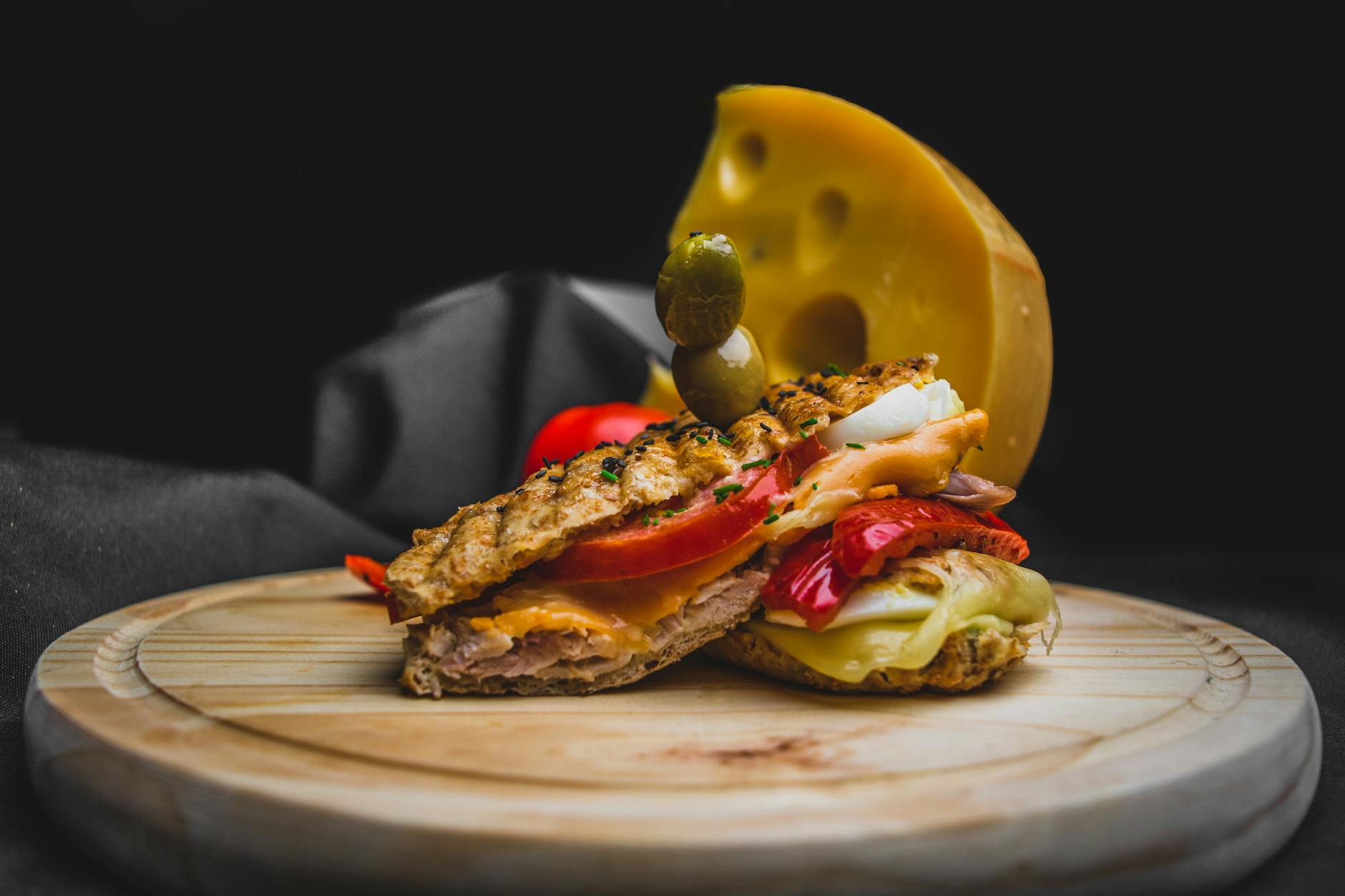
Among common dairy products, Swiss cheese falls in the middle range for lactose content and associated risks. Hard aged cheeses like Parmesan and aged cheddar contain the least lactose because the aging process allows bacteria to consume much of the milk sugar. Soft cheeses like brie, cream cheese, and cottage cheese contain more lactose and pose greater digestive risks. Milk and ice cream top the danger list with the highest lactose concentrations. The fat content creates another comparison point. Swiss cheese contains less fat than cheddar or cream cheese but more than cottage cheese.
For overweight cats or those with pancreatitis history, even the moderate fat content in Swiss cheese presents a concern. Pancreatitis in cats can be triggered or worsened by high-fat foods, and while a single small piece of cheese rarely causes acute pancreatitis, repeated exposure adds cumulative risk. A meaningful tradeoff exists between cheese types if you insist on occasionally sharing dairy with your cat. Aged Parmesan contains roughly half the lactose of Swiss cheese and could be considered marginally safer from a digestive standpoint. However, Parmesan is significantly saltier, and excessive sodium poses its own risks for cats including increased thirst, urination issues, and potential blood pressure effects. Neither option qualifies as genuinely safe or beneficial””the comparison simply highlights which is less problematic.
Potential Health Complications From Regular Cheese Consumption
Beyond immediate digestive upset, regular cheese consumption can contribute to several chronic health issues in cats. Obesity stands as the primary long-term concern, affecting an estimated 60 percent of domestic cats in the United States. The caloric density of cheese combined with its palatability creates a situation where cats may gain weight while their owners believe they’re only giving occasional small treats. A cat receiving cheese regularly, along with other treats, can easily exceed daily caloric needs without appearing to eat excessive amounts. Dental health represents another underappreciated consequence. Unlike dry kibble or dental treats designed to scrape tartar as cats chew, soft cheese sticks to teeth and provides substrate for bacterial growth.
Cats fed regular dairy treats often show accelerated tartar buildup and may develop periodontal disease earlier than cats fed more appropriate diets. The financial and health costs of feline dental disease””including required anesthesia for professional cleaning””far exceed any convenience gained from using cheese as a treat. Cats with existing health conditions face elevated risks. Diabetic cats cannot afford the carbohydrate and fat disruption that dairy introduces. Cats with kidney disease need controlled phosphorus intake, and cheese is relatively high in phosphorus. Cats with inflammatory bowel disease may experience flare-ups from any dietary deviation, including seemingly small amounts of cheese. If your cat has any chronic health condition, assume that cheese is contraindicated unless your veterinarian specifically approves it for a defined purpose.
What to Do If Your Cat Eats a Large Amount of Swiss Cheese
If your cat manages to consume a significant quantity of Swiss cheese””more than an ounce or two””monitor closely for the next 24 to 48 hours. Most cats will experience self-limiting digestive symptoms including diarrhea and possibly vomiting. Ensure fresh water is readily available since diarrhea can lead to dehydration.
Withholding the next meal or offering a smaller portion of bland food may help the digestive system recover. A specific example of concerning consumption would be a cat that gets into an unattended cheese plate and eats several slices. In this case, expect pronounced symptoms and contact your veterinarian if diarrhea persists beyond 48 hours, if you notice blood in stool or vomit, if your cat becomes lethargic or refuses water, or if symptoms seem disproportionately severe. Young kittens, elderly cats, and those with compromised health warrant earlier veterinary consultation since they have less physiological reserve to handle digestive stress.
Safer Treat Alternatives for Your Cat
Commercial cat treats formulated by veterinary nutritionists offer rewards without the digestive risks associated with cheese. Freeze-dried meat treats made from single ingredients like chicken, salmon, or turkey provide the protein cats crave in a digestible form. Many cats find these treats equally or more appealing than cheese, especially once they become accustomed to them.
The cost per treat often compares favorably to cheese, and the peace of mind regarding your cat’s digestive health adds intangible value. For cat owners who want to share human food occasionally, small pieces of cooked plain chicken, turkey, or fish represent far safer options than dairy products. These foods align with feline nutritional requirements and rarely cause digestive upset in healthy cats. The key is keeping portions small and avoiding seasonings, oils, or preparations that add problematic ingredients.
Conclusion
Swiss cheese occupies a gray zone in feline nutrition””not acutely toxic but certainly not beneficial and potentially harmful with regular consumption. The combination of lactose content, high fat, and caloric density makes it a poor choice for cat treats despite its appeal to many felines. While a single small nibble is unlikely to cause serious problems for most cats, the risks of digestive upset, weight gain, and potential contribution to chronic health issues outweigh any momentary pleasure your cat might experience.
The practical path forward involves eliminating or strictly limiting cheese from your cat’s diet and substituting appropriate alternatives when you want to reward or treat your pet. If you’re using cheese to administer medication, discuss alternatives with your veterinarian””many medications can be compounded into flavored liquids or treats specifically designed for cats. Your cat’s long-term health depends on a diet aligned with feline biology, and that diet simply doesn’t include room for regular dairy consumption.