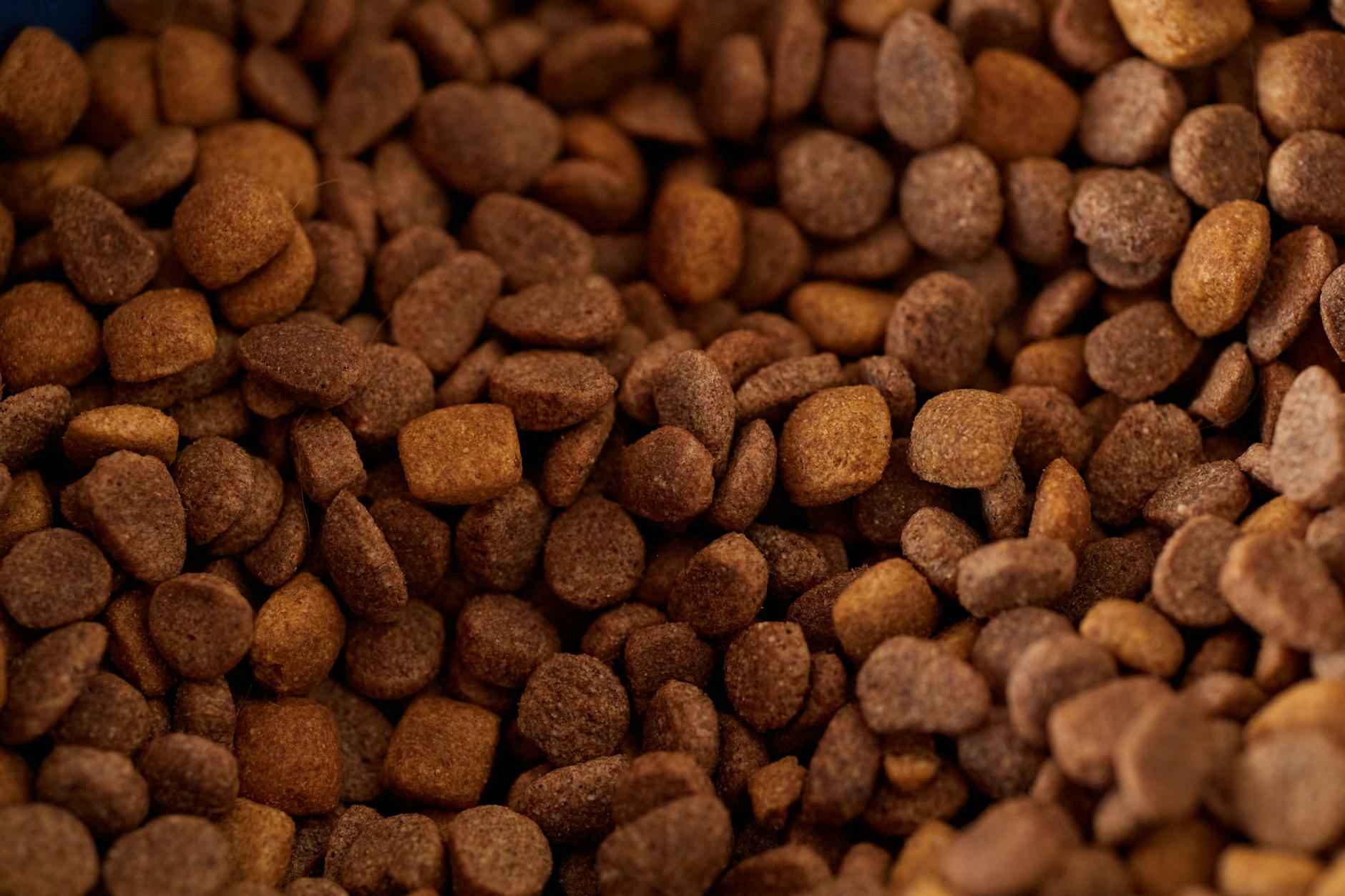
Understanding is dry dog food safe for cats is essential for anyone interested in cat care, feline health, cat behavior, breed information, and pet ownership guidance. This comprehensive guide covers everything you need to know, from basic concepts to advanced strategies. By the end of this article, you’ll have the knowledge to make informed decisions and take effective action.
Table of Contents
- Why Can’t Cats Eat Dry Dog Food as a Regular Meal?
- The Critical Nutrients Missing From Dog Food That Cats Need
- What Happens if a Cat Eats Dog Food for an Extended Period
- Common Misconceptions About Feeding Dog Food to Cats
- What to Do if Your Cat Has Been Eating Dog Food Regularly
- The Difference Between Occasional Nibbles and Dietary Replacement
- The Future of Multi-Pet Household Nutrition
Why Can’t Cats Eat Dry Dog Food as a Regular Meal?
cats and dogs diverged evolutionarily millions of years ago, and their digestive systems reflect that split. Dogs are omnivores. They can extract nutrients from grains, vegetables, and meat with roughly equal efficiency. Cats, on the other hand, are obligate carnivores, meaning their bodies are designed to run almost exclusively on animal-based protein. Their livers and digestive enzymes are calibrated for a meat-heavy diet, and they lack certain metabolic pathways that dogs and humans take for granted. For instance, cats cannot efficiently convert beta-carotene from plant sources into vitamin A the way dogs can — they need preformed vitamin A from animal tissue. Dry dog food reflects the omnivorous flexibility of dogs.
It typically contains higher proportions of carbohydrates and plant-based proteins, with lower overall protein content than cat food. A standard dry dog food might contain 18 to 25 percent protein, while cat food formulations generally start at 26 percent and often run higher. That protein gap matters because cats use protein not just for muscle maintenance but as a primary energy source. When a cat eats dog food, it is essentially being put on a low-protein diet that forces its body to break down its own muscle tissue to compensate. The carbohydrate load in dog food presents another problem. Cats have a limited ability to process carbohydrates because they produce less amylase, the enzyme responsible for starch digestion. A cat eating carb-heavy dog kibble may experience digestive discomfort, and over time, the excess carbohydrates can contribute to obesity and insulin resistance. Compare two labels side by side — a typical dog kibble and a typical cat kibble — and the differences in protein, fat, and carbohydrate ratios become immediately obvious.
The Critical Nutrients Missing From Dog Food That Cats Need
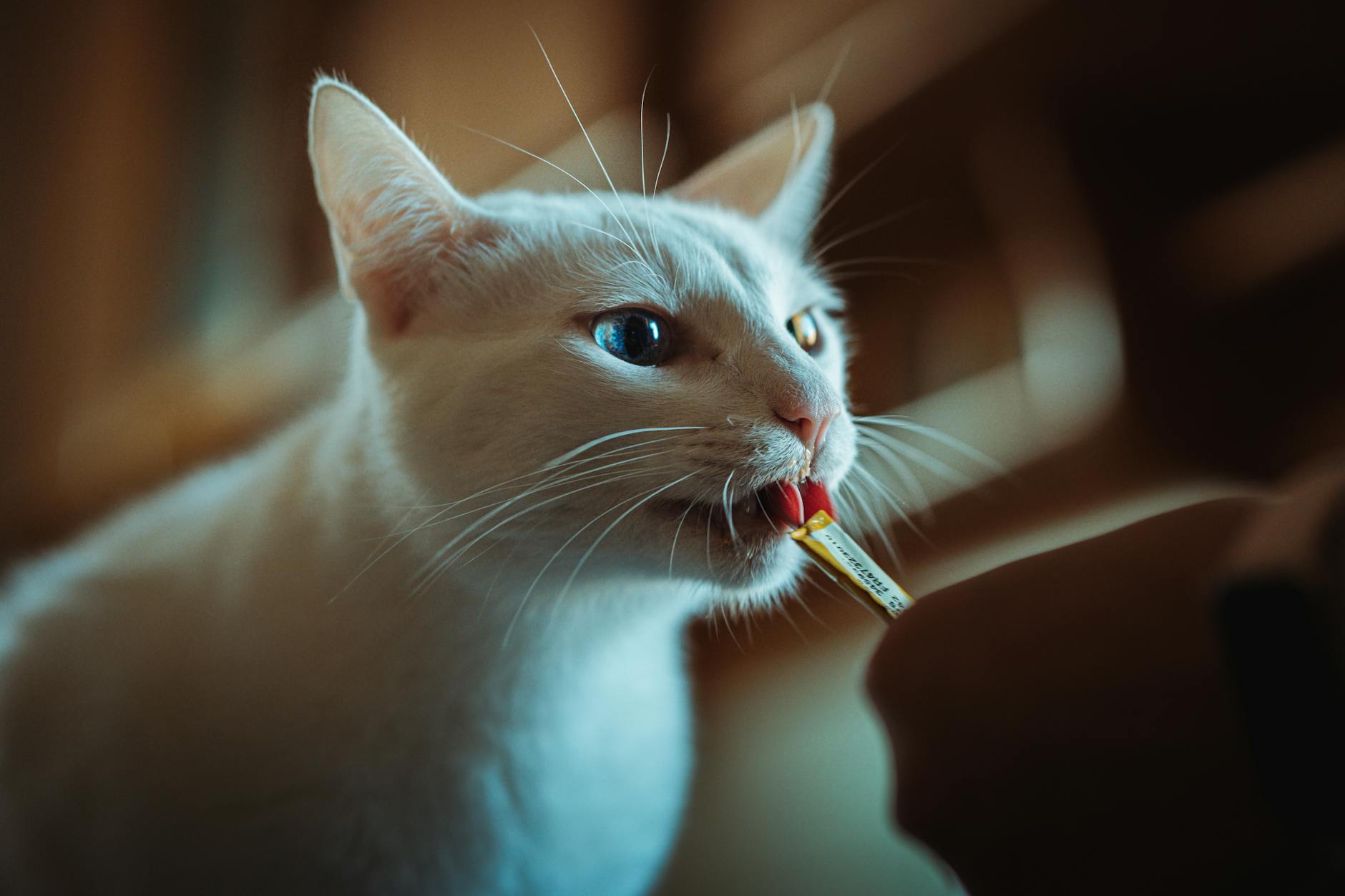
Taurine is the nutrient that gets the most attention in this conversation, and for good reason. cats cannot produce taurine in sufficient quantities internally, so they must get it from food. Dog food is not required to be supplemented with taurine because dogs can synthesize their own. A cat that goes without adequate taurine for an extended period — typically several weeks to months — can develop dilated cardiomyopathy, a serious and potentially fatal heart condition. Taurine deficiency also causes central retinal degeneration, which leads to irreversible blindness, and it impairs reproductive health in breeding cats. However, taurine is not the only concern. Arachidonic acid is a fatty acid that cats must obtain from animal fat in their diet. Dogs can produce arachidonic acid from linoleic acid through enzymatic conversion, so dog food does not prioritize it as an ingredient.
Cats lack the delta-6 desaturase enzyme needed for that conversion. Without sufficient arachidonic acid, cats can develop skin problems, inflammatory issues, and impaired blood clotting. If your cat has a pre-existing skin condition or inflammatory disorder and has been eating dog food, the dietary deficiency may be compounding the problem without your knowledge. Vitamin A and niacin round out the list of critical gaps. As mentioned, cats need preformed vitamin A from animal sources because they cannot convert plant-based precursors effectively. Niacin is another nutrient that cats cannot synthesize from tryptophan the way dogs can, so it must be present in the diet at higher levels. Dog food formulations account for the dog’s ability to self-manufacture these nutrients, resulting in levels that are inadequate for a feline body. The cumulative effect of these deficiencies — taurine, arachidonic acid, vitamin A, and niacin all running low simultaneously — is a cat that deteriorates across multiple body systems at once.
What Happens if a Cat Eats Dog Food for an Extended Period
The early signs of nutritional deficiency in a cat eating dog food are subtle and easy to dismiss. The coat may lose its shine and become dry or coarse. The cat might seem slightly less energetic or less interested in play. These changes often happen gradually enough that an owner attributes them to aging or seasonal variation rather than diet. By the time more obvious symptoms appear — weight loss, muscle wasting, lethargy, or vision changes — the deficiencies have typically been building for weeks or months. A veterinarian in a multi-pet household practice once described a case where a client brought in a three-year-old domestic shorthair that had become lethargic and was losing weight despite eating regularly. The owner had switched both pets to the same premium-brand dog food six months earlier to simplify feeding. Blood work revealed low taurine levels and early cardiac changes consistent with dilated cardiomyopathy. The cat was transitioned back to a complete cat food and placed on taurine supplementation. Cardiac function improved over several months, but the case illustrates how quickly the damage can accumulate — and how it can happen even with an expensive, high-quality dog food. Prolonged dog food feeding also increases the risk of hepatic lipidosis, or fatty liver disease, particularly if the cat begins refusing food or eating less due to the nutritional imbalance. Cats are uniquely susceptible to this condition. When a cat’s caloric intake drops — whether from illness, stress, or simply not finding dog food palatable enough — the body mobilizes fat stores to the liver faster than the liver can process them. This can become life-threatening within days. The combination of an inadequate diet and reduced appetite creates a dangerous feedback loop that dog owners managing multi-species households should watch for closely.
## How to Keep Cats and Dogs From Eating Each Other’s Food Managing feeding in a household with both cats and dogs is one of the most practical challenges pet owners face, and there is no single perfect solution — only tradeoffs. The most reliable approach is supervised, scheduled feeding. Put each animal’s food down at the same time, in separate locations, and pick up any uneaten food after 15 to 20 minutes. This eliminates the opportunity for grazing and food theft entirely. The downside is that it requires consistency and does not accommodate cats that prefer to eat small amounts throughout the day, which is the natural feline feeding pattern. For owners who cannot supervise every meal, physical separation is the next best option. Feeding the cat in an elevated location that the dog cannot reach — a counter, a shelf, or a cat tree with a feeding platform — takes advantage of the cat’s climbing ability. Microchip-activated feeders are another increasingly popular option. These devices read the pet’s implanted microchip or a collar tag and only open for the designated animal. They work well but typically cost between 70 and 150 dollars per unit, and some cats find the mechanical opening motion startling at first. A cheaper alternative is a feeding station with an entrance too small for the dog to fit through, though determined dogs have been known to defeat these barriers. The worst strategy is simply hoping the animals will stick to their own bowls. They will not. Cats are curious, and dogs are opportunistic. Regardless of which method you choose, the goal is the same: ensure that each animal eats only the food formulated for its species, every meal, without exception. The small inconvenience of managing separate feedings is trivial compared to treating a nutritional deficiency down the road.

Common Misconceptions About Feeding Dog Food to Cats
One of the most persistent myths is that premium or grain-free dog food is acceptable for cats because it contains high-quality ingredients. Ingredient quality is not the issue. A grain-free dog food may use excellent protein sources, but it is still formulated to meet canine nutritional standards set by AAFCO (the Association of American Feed Control Officials), not feline ones. The taurine, arachidonic acid, vitamin A, and niacin levels will still be calibrated for a dog’s metabolism. Spending more money on dog food does not make it appropriate for a cat. Another common misconception is that cats will self-regulate and stop eating food that does not meet their needs. While cats can be notoriously picky eaters, their selectiveness is driven by taste and texture preferences, not nutritional wisdom.
A cat may happily eat dog food indefinitely if it finds the flavor appealing, with no instinctive awareness that critical nutrients are missing. There is also a belief that supplementing dog food with occasional cat treats or meat scraps can fill the nutritional gaps. This is unreliable at best. Without precise knowledge of the specific nutrient shortfalls and the exact amounts needed to correct them, supplementation is guesswork. The safer and simpler path is always to feed a complete and balanced cat food as the dietary foundation. One warning that deserves emphasis: some owners of diabetic or overweight cats have been advised to seek low-carbohydrate diets and conclude that certain dog foods fit the bill. While some dog foods are indeed lower in carbohydrates than some cat foods, they still lack the feline-specific nutrient profile. A cat with diabetes or weight issues should be on a veterinary-recommended cat food designed for that condition, not a dog food chosen based on a single macronutrient.
What to Do if Your Cat Has Been Eating Dog Food Regularly
If you discover that your cat has been eating primarily dog food for more than a few days, a veterinary checkup is warranted. Your vet can run blood panels to assess taurine levels and organ function, and a cardiac ultrasound may be recommended if the dog food diet has been ongoing for several weeks. Early detection of taurine-related cardiomyopathy dramatically improves the prognosis.
One case study published in veterinary literature documented full cardiac recovery in cats whose taurine deficiency was caught within the first three months, while cats diagnosed later showed only partial improvement. Transition the cat back to a species-appropriate diet gradually over seven to ten days, mixing increasing proportions of cat food with decreasing amounts of dog food. Abrupt dietary changes can cause gastrointestinal upset in cats, including vomiting and diarrhea, which adds unnecessary stress to an animal that may already be nutritionally compromised.
The Difference Between Occasional Nibbles and Dietary Replacement
Context matters enormously in this discussion. A cat that sneaks three or four pieces of dog kibble off the floor once a week is in no danger. The nutritional impact of that tiny amount is negligible, and the stress of trying to prevent every single stolen morsel would likely cause more harm than the kibble itself.
The concern begins when dog food starts to replace meaningful portions of the cat’s regular diet — roughly ten percent or more of total caloric intake on a recurring basis. If your cat consistently finishes the dog’s leftovers after eating its own food, those extra calories and mismatched nutrients add up. Pay attention to patterns, not isolated incidents.
The Future of Multi-Pet Household Nutrition
Pet food manufacturers are increasingly aware that multi-pet households create unique feeding challenges. Some companies have explored “all life stages” formulations designed to be safe for both cats and dogs, though these products remain niche and often compromise by meeting the minimum requirements for both species rather than optimizing for either.
The more promising development is in smart feeding technology — automated feeders that use facial recognition or RFID to dispense species-specific food to the correct animal. As these tools become more affordable and reliable, managing separate diets in a shared home will become considerably easier. Until then, the responsibility falls on the owner to ensure that each animal gets the food its biology demands.