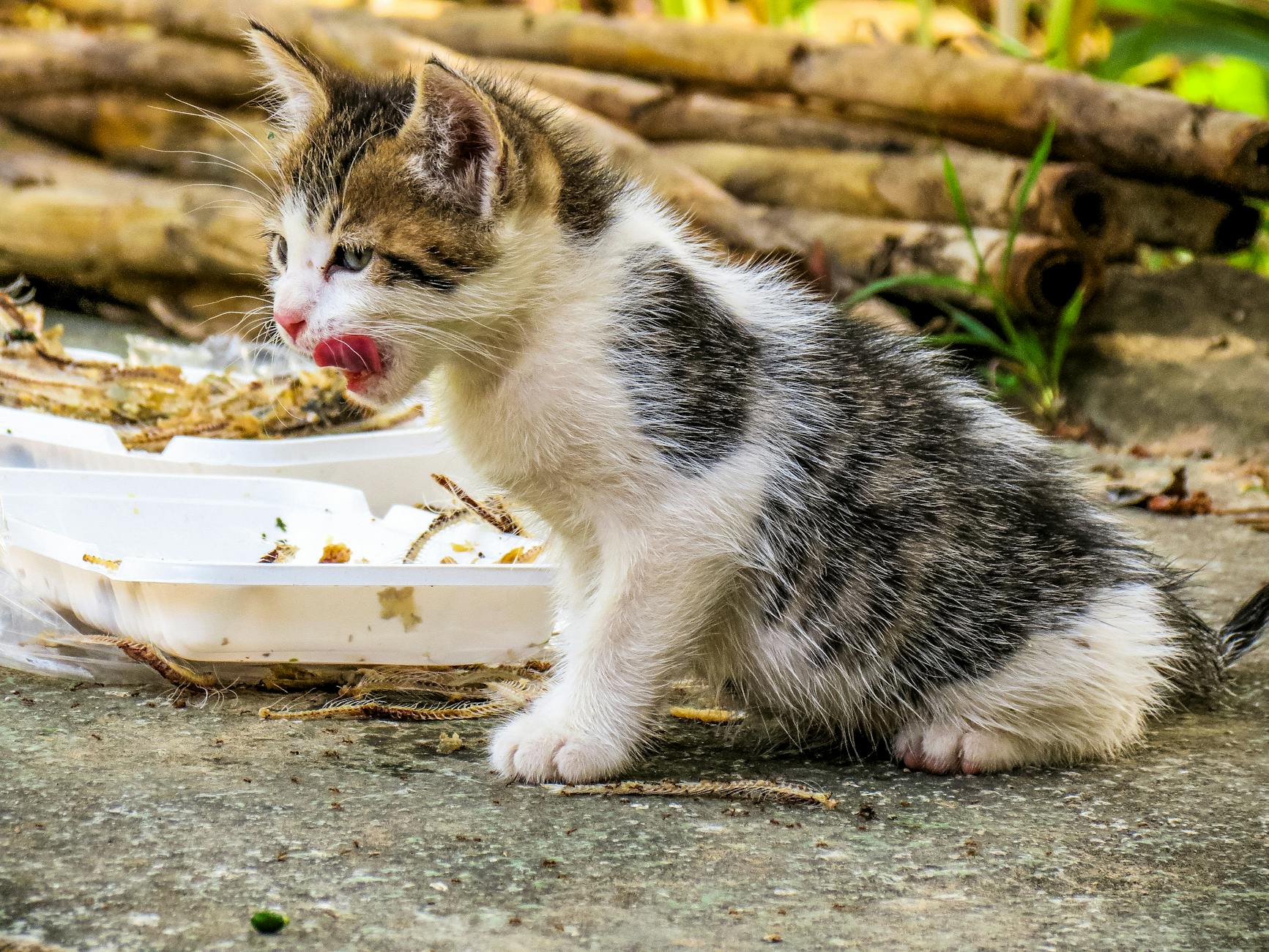
Cats should not eat dog food as a regular part of their diet, though an occasional nibble won’t cause immediate harm. The fundamental issue is that cats are obligate carnivores with specific nutritional requirements that dog food simply cannot meet. Dog food lacks adequate levels of taurine, arachidonic acid, and vitamin A—nutrients that cats cannot synthesize on their own and must obtain directly from food. A cat that eats dog food regularly will eventually develop serious health problems, even if they appear fine in the short term.
Consider a common scenario: you have both a cat and a dog, and your cat occasionally sneaks a few bites from the dog’s bowl. This sporadic snacking is unlikely to cause problems. However, if your cat develops a preference for dog food and starts eating it instead of their own food for weeks or months, you’re looking at potential nutritional deficiencies that can lead to heart disease, vision problems, and a weakened immune system. The danger isn’t in the occasional taste—it’s in the substitution. This article examines why cat and dog nutritional needs differ so dramatically, what specific health risks emerge from feeding cats dog food, how to handle multi-pet households where food-stealing occurs, and what to do if your cat refuses to eat anything but dog food.
Table of Contents
- Why Can’t Cats Safely Eat Dog Food Long-Term?
- The Protein and Vitamin Differences Between Cat Food and Dog Food
- What Happens If Your Cat Eats Dog Food Once
- Health Warning Signs From Improper Feline Nutrition
- When Veterinarians Might Recommend Dog Food Temporarily
- Transitioning a Cat Back to Appropriate Food
- Conclusion
Why Can’t Cats Safely Eat Dog Food Long-Term?
The core issue comes down to evolutionary biology. cats evolved as strict carnivores, hunting small prey and eating almost exclusively meat. Dogs, on the other hand, evolved alongside humans and adapted to a more omnivorous diet that includes plant matter. This fundamental difference means their bodies process and require nutrients differently. Taurine represents the most critical distinction. Dogs can synthesize taurine from other amino acids in their bodies, so dog food manufacturers don’t need to add much of it. Cats cannot produce taurine internally and must consume it directly.
Without sufficient taurine, cats develop dilated cardiomyopathy—a serious heart condition—along with retinal degeneration that leads to blindness. These conditions develop gradually, so a cat eating dog food might seem perfectly healthy for months before symptoms appear. Arachidonic acid presents a similar problem. This essential fatty acid supports skin health, kidney function, and reproductive health in cats. Dogs can create arachidonic acid from other fats, but cats require it pre-formed in their diet. Dog food contains minimal amounts because dogs don’t need it supplemented. A cat lacking arachidonic acid may develop skin problems, inflammatory conditions, and difficulty healing from injuries.
The Protein and Vitamin Differences Between Cat Food and Dog Food
Cat food typically contains 30-40% protein, while most dog foods range from 18-25%. This isn’t simply a matter of cats preferring more meat—their bodies require higher protein levels to maintain muscle mass, organ function, and overall metabolic health. When cats eat lower-protein dog food, their bodies may begin breaking down their own muscle tissue to meet protein needs. Vitamin A requirements also differ substantially. Cats cannot convert beta-carotene from plants into vitamin A the way dogs and humans can. They need pre-formed vitamin A from animal sources.
Dog food often relies partly on plant-based vitamin A precursors, leaving cats deficient. However, this becomes concerning primarily with extended feeding periods—a cat that occasionally eats dog food won’t develop vitamin A deficiency from a few stolen meals. The protein quality matters too, not just quantity. Cat foods use protein sources with complete amino acid profiles suited to feline metabolism. Some dog foods use more plant-based proteins that may technically meet protein percentage requirements but don’t provide the right amino acid balance for cats. A cat fed these foods might technically consume enough protein grams while still suffering from specific amino acid deficiencies.
What Happens If Your Cat Eats Dog Food Once
A single incident of a cat eating dog food is not a medical emergency. Cats have eaten stranger things with no lasting consequences. If your cat snuck into the dog food bag or cleaned out the dog’s bowl once, watch for immediate digestive upset like vomiting or diarrhea, but don’t panic. Most cats will experience no symptoms at all from an occasional dog food meal. Dog food isn’t toxic to cats—it’s simply nutritionally incomplete for them. Think of it like a human eating nothing but white rice for a meal. Not ideal, not providing complete nutrition, but not dangerous as a one-time event. The concern begins when occasional turns into frequent. If you notice your cat regularly preferring the dog’s food over their own, take steps to separate feeding areas. Some cats genuinely prefer dog food’s taste or texture, possibly because certain dog foods contain more grains or different meat flavors. This preference can lead to a problematic pattern if not addressed.
## How to Manage Feeding in Multi-Pet Households Separating feeding stations is the most reliable solution when you have both cats and dogs. Feed animals in different rooms with doors closed, or use timed feeding rather than free-feeding so you can supervise meals. Some pet owners install cat doors to rooms where dog food is never kept, giving cats a separate eating space. Microchip-activated feeders offer a high-tech solution for households where separation isn’t practical. These devices read a pet’s microchip or a special collar tag and only open for the designated animal. They’re expensive—typically $100-200 per feeder—but effectively prevent food theft. The tradeoff is cost and complexity, particularly in households with multiple pets needing multiple feeders. Elevated feeding stations work in some cases since cats can jump to high surfaces that many dogs cannot reach. However, this approach fails with athletic dogs or senior cats with mobility limitations. It also doesn’t prevent a determined cat from jumping down to eat dog food on the floor. The best approach often combines multiple strategies: elevated cat food, scheduled dog feeding times, and supervision during meals.

Health Warning Signs From Improper Feline Nutrition
If a cat has been regularly eating dog food—whether you’ve knowingly fed it or discovered secret food-stealing—watch for specific symptoms indicating nutritional deficiency. Heart problems from taurine deficiency may present as lethargy, difficulty breathing, or decreased appetite. By the time these symptoms appear, significant damage may already exist, making early dietary correction crucial. Vision changes represent another warning sign. A cat with taurine deficiency may show dilated pupils that don’t respond normally to light, bumping into objects, or reluctance to jump or navigate in dim lighting.
Retinal degeneration from taurine deficiency can become permanent if not addressed, though some vision may be preserved if proper nutrition is restored quickly. Coat and skin problems often emerge from arachidonic acid and vitamin deficiencies. A cat’s fur may become dull, dry, or prone to matting. Skin may become flaky or develop sores that heal slowly. These symptoms can indicate various health issues, not just dietary problems, so veterinary examination is important for accurate diagnosis. Be honest with your vet about your cat’s actual diet—they need accurate information to diagnose correctly.
When Veterinarians Might Recommend Dog Food Temporarily
In rare circumstances, a veterinarian might suggest temporarily feeding dog food to a cat. This typically occurs in emergency situations where no cat food is available and the alternative is starvation. A day or two of dog food won’t cause lasting harm, and adequate calories matter in crisis situations.
Some veterinary therapeutic diets are formulated for both species, particularly for specific medical conditions. These are not standard dog foods—they’re specially designed prescription diets with adjusted nutrient profiles. Never substitute regular dog food for a veterinary diet without explicit veterinary guidance.
Transitioning a Cat Back to Appropriate Food
If your cat has developed a strong preference for dog food, transitioning them back to cat food requires patience. Abrupt changes often result in food refusal. Mix small amounts of cat food into the dog food they prefer, gradually increasing the ratio over one to two weeks.
Trying different cat food flavors or textures can help with stubborn cats. A cat hooked on dry dog food might accept wet cat food more readily than dry cat food, or vice versa. Warming cat food slightly can increase its aroma and appeal. The goal is finding a cat-appropriate food your pet actually wants to eat, then phasing out the dog food entirely.
Conclusion
Cats cannot safely eat dog food as a dietary staple because their bodies require specific nutrients—taurine, arachidonic acid, pre-formed vitamin A, and higher protein levels—that dog food doesn’t provide in adequate amounts. An occasional nibble poses no real threat, but regular consumption leads to serious deficiency-related health problems including heart disease, blindness, and compromised immune function.
For multi-pet households, proactive management prevents problems before they start. Separate feeding areas, supervised meal times, or microchip-activated feeders keep each pet eating appropriate food. If your cat has been consuming significant amounts of dog food, consult your veterinarian about potential deficiencies and the best approach to transitioning back to proper feline nutrition.