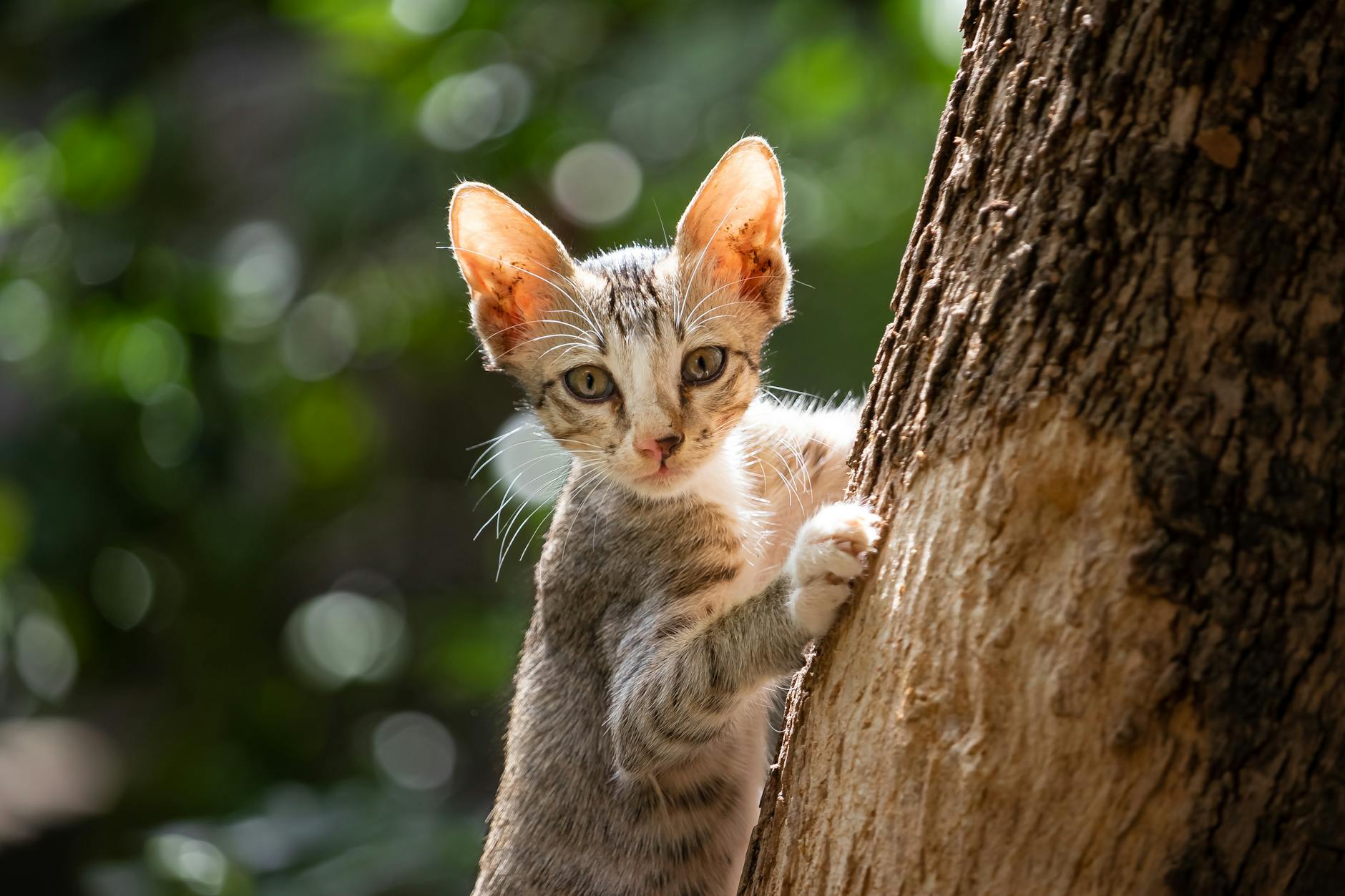
Oranges are not toxic to cats in the way that grapes or lilies are, but they are far from safe or advisable as a treat. The flesh of an orange itself is unlikely to cause a life-threatening emergency if a cat nibbles a small piece, but the essential oils and compounds found in the peel, seeds, and pith — particularly limonene and linalool — are genuinely toxic to felines and can cause vomiting, diarrhea, and central nervous system depression. A cat that chews on an orange rind, for instance, is at considerably greater risk than one that licks a tiny bit of juice off your fingers, though neither scenario is one you should encourage. Beyond the toxicity question, oranges pose other problems for cats.
The high acidity can upset a cat’s stomach, and the sugar content offers nothing of nutritional value to an obligate carnivore. Most cats instinctively avoid citrus — the strong scent is a natural repellent — so the situation rarely arises organically. Still, kittens and particularly curious cats sometimes investigate fruit left on counters. This article covers what specifically makes oranges problematic, which parts of the fruit are most dangerous, what symptoms to watch for, how oranges compare to other fruits, and what to do if your cat has already eaten some.
Table of Contents
- Can Cats Eat Oranges Without Getting Sick?
- Why Citrus Essential Oils Are Dangerous to Cats
- Symptoms of Citrus Toxicity in Cats
- What to Do If Your Cat Eats an Orange
- Other Citrus Fruits and Related Risks
- Why Most Cats Naturally Avoid Citrus
- Safe Fruit Alternatives for Cats
- Conclusion
- Frequently Asked Questions
Can Cats Eat Oranges Without Getting Sick?
Technically, a cat that swallows a small sliver of orange flesh will probably not require emergency veterinary care. The flesh contains vitamin C and water, neither of which is harmful in trace amounts. But “probably fine in a tiny quantity” is a far cry from “safe,” and the distinction matters. cats produce their own vitamin C internally, so there is zero nutritional incentive to offer citrus. What you are really doing is introducing unnecessary sugar and acid into a digestive system that evolved to process animal protein.
The real danger is not the flesh but everything surrounding it. Orange peels contain concentrated essential oils — limonene accounts for roughly 90 percent of the oil in citrus rind — and these compounds are metabolized poorly by cats due to their liver’s limited glucuronidation capacity. A cat’s liver simply lacks the enzymatic pathways that humans and even dogs use to break down these substances efficiently. This is why citrus-based cleaning products, essential oil diffusers with orange oil, and even discarded peels in the trash can all pose hazards beyond the fruit itself. Compare this to a fruit like watermelon, where the flesh is nontoxic, low in sugar relative to citrus, and generally well-tolerated by cats in small amounts. The gap between “cats can technically survive eating a bit” and “this is a reasonable thing to feed your cat” is enormous with oranges.
Why Citrus Essential Oils Are Dangerous to Cats
Limonene and linalool are the two primary compounds in orange essential oils that cause trouble for cats. Both are classified as toxic to felines by the ASPCA. When absorbed — whether through ingestion, skin contact, or even inhalation of concentrated diffused oils — these substances can cause a range of symptoms from mild gastrointestinal upset to serious neurological effects. A cat that bites into an orange peel or plays with one as a toy is getting a concentrated dose of these oils. Symptoms may include excessive drooling, vomiting, diarrhea, lethargy, and in more serious cases, tremors or difficulty walking.
The onset can be within a few hours of exposure. One scenario veterinarians see periodically is a cat that knocked a bowl of citrus fruit off a counter and chewed on the peels out of curiosity — not because the cat wanted to eat them, but because the rolling fruit triggered a play response. However, if your cat merely sniffed an orange and walked away, there is no cause for alarm. The concentration of oils from casual proximity is negligible. The risk scales with direct contact and ingestion. This is also why a single drop of orange juice that lands on your cat’s fur during breakfast is not an emergency, though you should wipe it off to prevent grooming-related ingestion.
Symptoms of Citrus Toxicity in Cats
The signs that a cat has ingested a problematic amount of orange — particularly peel or seeds — tend to appear within two to twelve hours. The most common early symptom is vomiting, often followed by diarrhea. These are the body’s attempts to expel the irritant, and in mild cases, this may be the extent of it. A cat that ate a small piece of orange flesh might vomit once and then behave normally.
More concerning symptoms include excessive drooling, skin irritation around the mouth, lethargy, and a noticeable reluctance to eat. In cases involving significant peel ingestion or exposure to concentrated orange essential oil, cats may exhibit photosensitivity, depression, or even weakness in the hind legs. A friend’s Maine Coon once pulled a bag of orange peels out of a compost bin and chewed on several pieces — the cat was drooling heavily within an hour and required IV fluids at the vet to manage dehydration from repeated vomiting. If you observe any neurological symptoms — trembling, unsteady gait, unusual vocalization — treat it as urgent and contact your veterinarian or the ASPCA Animal Poison Control Center immediately. These signs suggest a larger exposure and may require more aggressive treatment than simple observation at home.
What to Do If Your Cat Eats an Orange
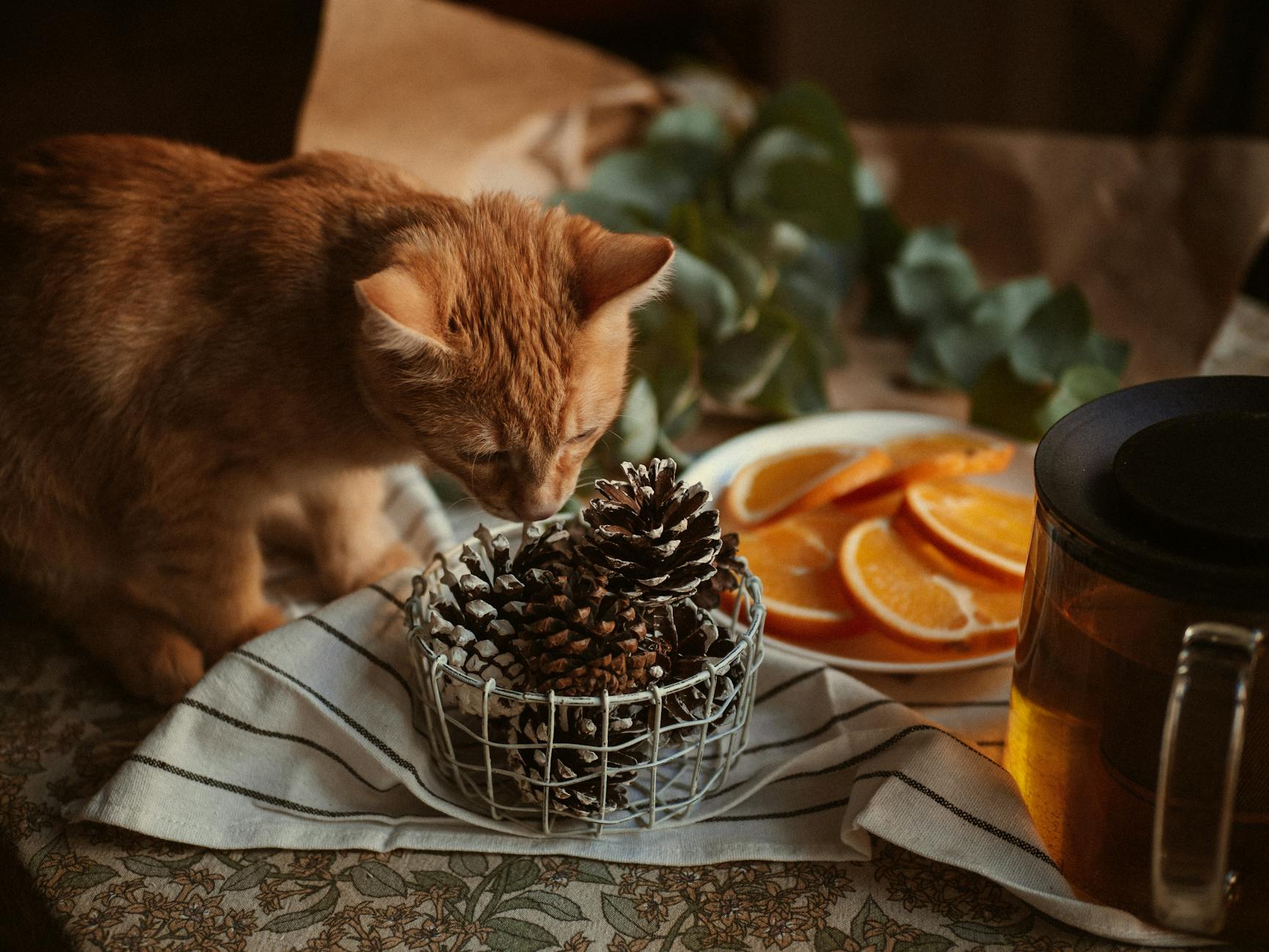
The first step is to assess what was eaten and how much. A lick of orange juice warrants nothing more than monitoring. A bite of flesh with no peel is low-risk but worth watching for vomiting over the next few hours. Ingestion of peel, pith, or seeds is where you should act more quickly. Do not induce vomiting at home unless specifically instructed to by a veterinarian.
Hydrogen peroxide, which is sometimes used to induce vomiting in dogs, is not safe for cats and can cause severe gastric irritation or worse. Instead, remove any remaining orange material from the cat’s reach, note approximately how much was consumed and when, and call your vet. If it is after hours, the ASPCA Poison Control hotline is available around the clock, though there is a consultation fee. The tradeoff between the cost of that call and the peace of mind — or the early intervention it might prompt — is almost always worth it when peel is involved. For mild exposures where the cat seems fine, keep water readily available, withhold food for a couple of hours to let the stomach settle, and watch for any developing symptoms. Most cats that eat a small amount of orange flesh recover without incident, but the window for observation should be at least 12 hours.
Other Citrus Fruits and Related Risks
Oranges are not the only citrus fruit to keep away from cats. Lemons, limes, grapefruits, and tangerines all contain the same problematic essential oils in their peels and to varying degrees in their flesh. Lemons and limes are actually more concentrated in these compounds than oranges, making them potentially more dangerous per gram of peel ingested. Grapefruit contains additional compounds called psoralens that can cause photosensitivity in cats. A common misconception is that mandarin oranges or clementines are safer because they taste sweeter and seem milder.
The peel of a clementine still contains limonene in significant concentrations. The flesh is slightly less acidic than a navel orange, but this difference is irrelevant from a safety standpoint — the core risk profile is the same. One important limitation to note: most toxicity data for cats and citrus comes from case reports and extrapolation from essential oil studies rather than controlled feeding trials, because deliberately feeding toxic substances to cats for research purposes raises obvious ethical issues. This means the exact threshold for a dangerous dose is not precisely established. Erring on the side of caution is the only responsible approach.

Why Most Cats Naturally Avoid Citrus
There is an evolutionary reason most cats recoil from oranges. Cats have a highly developed sense of smell, and the volatile compounds in citrus are intensely unpleasant to them. This is why citrus peels and citrus-scented sprays are commonly recommended as cat deterrents for keeping cats off furniture or out of garden beds.
The aversion is so reliable that many commercial cat repellent products list orange oil as a primary active ingredient. This natural aversion is actually a protective mechanism, and it works well in most cases. The cats that end up ingesting citrus are typically very young kittens who have not yet developed strong scent preferences, cats with pica or compulsive chewing behaviors, or cats that encounter citrus in a disguised form — mixed into a food, for example, or as an ingredient in a flavored human snack. If your cat is one of the rare ones that shows interest in citrus, it is worth being extra vigilant about keeping fruit stored securely.
Safe Fruit Alternatives for Cats
If you want to occasionally offer your cat a fruit-based treat, there are better options than oranges. Small pieces of seedless watermelon, cantaloupe, or blueberries are generally well-tolerated and nontoxic. Some cats enjoy the texture of melon in particular.
These should still be given sparingly — fruit is not a natural part of a cat’s diet, and the sugar content adds empty calories. The broader trend in feline nutrition is moving toward recognizing that cats thrive on meat-based diets with minimal plant matter. While the occasional safe fruit treat is harmless and can provide enrichment, the best “treat” for most cats remains a small piece of cooked plain chicken or a high-quality commercial cat treat formulated for their nutritional needs. When in doubt about any human food, a quick check with your vet takes less time than managing the aftermath of a poor dietary choice.
Conclusion
Oranges occupy an uncomfortable middle ground — not acutely lethal like some household toxins, but genuinely risky due to the essential oils in their peel and the acid and sugar in their flesh. The safest policy is straightforward: keep oranges and all citrus fruits out of your cat’s reach, and do not offer them as treats regardless of how small the portion. The fact that most cats naturally dislike citrus works in your favor, but it is not a guarantee, especially with kittens or unusually adventurous eaters.
If your cat does eat some orange, stay calm and assess what was consumed. Flesh-only exposures in small amounts are generally manageable with monitoring at home. Any peel ingestion, significant quantity, or onset of symptoms like vomiting, drooling, or lethargy warrants a call to your veterinarian. Keep the ASPCA Animal Poison Control number saved in your phone, and remember that when it comes to cats and human food, the boring answer — stick to cat food and vet-approved treats — is almost always the right one.
Frequently Asked Questions
Can a small lick of orange juice hurt my cat?
A single lick is extremely unlikely to cause harm. Orange juice is diluted compared to the peel oils, and the quantity from a lick is negligible. Wipe up any spills and monitor briefly, but there is no need to panic.
Are orange-scented cleaning products dangerous for cats?
They can be. Products containing concentrated orange oil or limonene should be used with caution in homes with cats. Ensure surfaces are fully dry and rooms are ventilated before allowing your cat access. Better yet, choose pet-safe cleaning alternatives.
My cat ate an orange peel — should I go to the emergency vet?
If your cat ate more than a small nibble of peel, call your veterinarian or the ASPCA Poison Control hotline for guidance. Watch for vomiting, drooling, or lethargy. If neurological symptoms appear, go to the emergency vet immediately.
Why does my cat hate the smell of oranges?
Cats have a strong aversion to citrus scent due to the volatile compounds like limonene, which smell overwhelmingly intense to their sensitive noses. This is a natural protective instinct that helps them avoid potentially toxic plant material.
Can cats eat orange-flavored yogurt or candy?
These products typically contain artificial flavoring rather than real orange oil, so the citrus toxicity risk is lower. However, dairy can cause digestive upset in lactose-intolerant cats, and sugar or artificial sweeteners like xylitol are their own hazards. Avoid offering these to cats.