
No, cats should not eat mushrooms, and the vast majority of mushroom varieties are toxic to felines. Even small amounts of certain mushroom species can cause serious poisoning, with some varieties potentially fatal if ingested. If your cat has eaten a mushroom, particularly one you cannot identify, immediate veterinary attention may be necessary. This article explores which mushrooms are dangerous, how mushroom toxins affect cats, what symptoms to watch for, and how to prevent accidental poisoning in your home.
The danger with mushrooms lies not just in the toxins themselves, but in the difficulty of identifying what your cat has eaten. A mushroom that grows in your yard or appears harmless could be one of dozens of toxic species. Many cat owners assume that if something is safe for humans, it must be safe for pets—a dangerous misconception when it comes to fungi. Cats lack certain liver enzymes that allow them to metabolize many compounds that other animals can tolerate.
Table of Contents
- Why Are Mushrooms Toxic to Cats?
- Common Toxic Mushrooms and Their Effects
- Can Any Mushrooms Be Safely Fed to Cats?
- What to Do If Your Cat Eats a Mushroom
- Preventing Mushroom Poisoning in Your Home and Yard
- Other Yard Toxins Often Mistaken for Mushroom Concerns
- Long-Term Health Monitoring After Mushroom Exposure
- Conclusion
- Frequently Asked Questions
Why Are Mushrooms Toxic to Cats?
Mushrooms contain compounds called mycotoxins that can damage a cat’s liver, kidneys, and nervous system. Different mushroom species produce different toxins, ranging from mild irritants to compounds that cause organ failure. A cat’s smaller body size means that even a small amount of a toxic mushroom can reach dangerous concentration levels in their system. The toxin amatoxin, found in death cap mushrooms (Amanita phalloides) and related species, is particularly deadly—it interferes with protein synthesis in cells and can be fatal in doses as small as half a mushroom cap.
The problem is compounded by the latency period in mushroom poisoning. Symptoms often don’t appear for 6 to 24 hours after ingestion, during which the toxins are already damaging internal organs. By the time an owner notices something is wrong, significant harm may have already occurred. This delay means that waiting to see if your cat gets sick is not a safe approach. For comparison, a cat might show immediate symptoms from many other poisons, but with mushroom toxicity, early intervention based on suspected exposure is critical.
Common Toxic Mushrooms and Their Effects
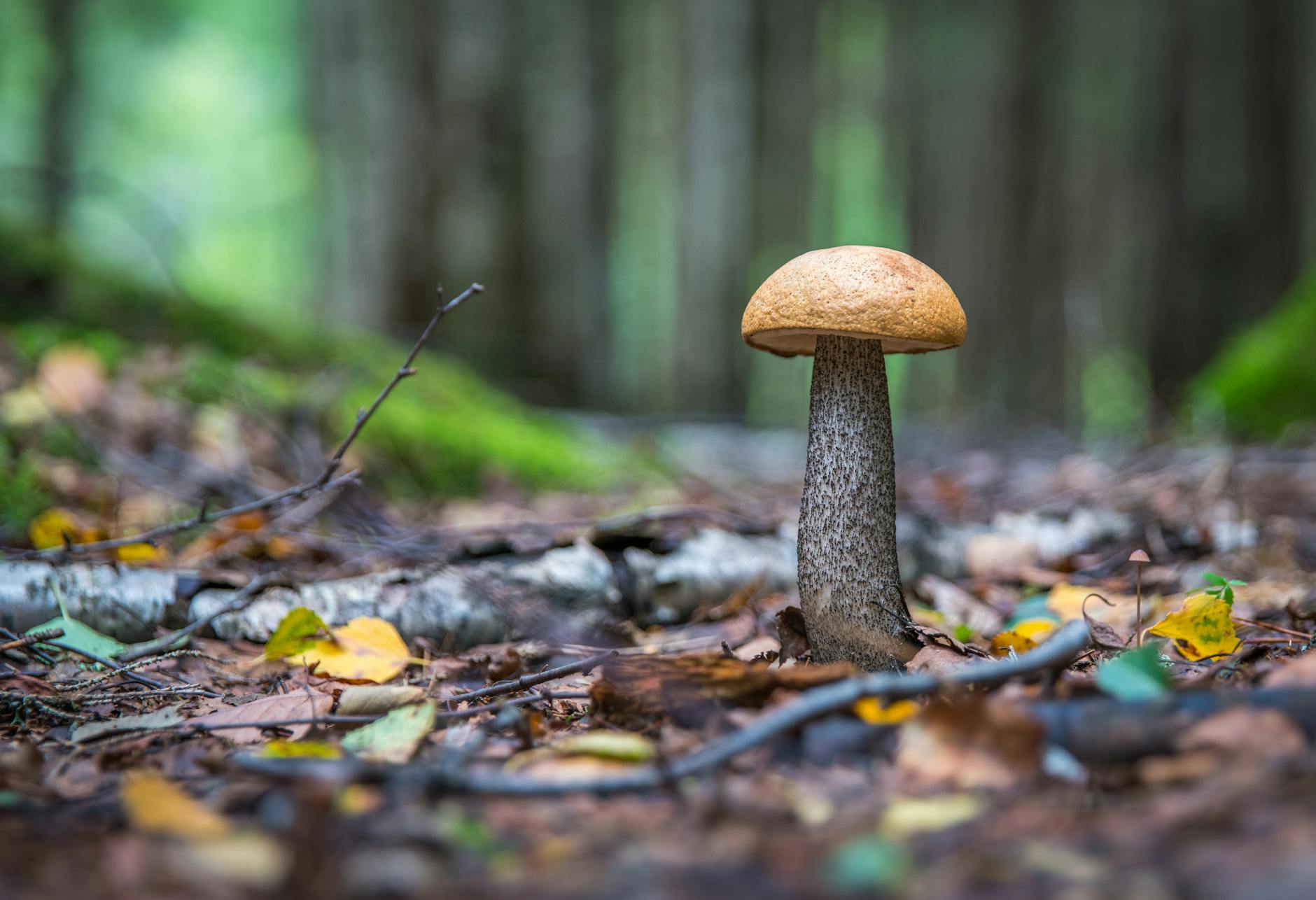
The most dangerous mushrooms for cats are those containing amatoxin, including the death cap (Amanita phalloides), destroying angels (Amanita virosa and related species), and funeral bell mushrooms. These species are found throughout North America and Europe, often growing near oak and other trees during fall and spring. Even a single small piece can poison a cat. The initial symptoms include drooling, vomiting, and diarrhea, followed by a deceptive recovery period lasting 12 to 24 hours.
During this false recovery, internal damage is extensive, and the second phase brings liver failure, kidney damage, and neurological symptoms. Other dangerous mushrooms include those containing ibotenic acid and muscimol, such as fly agaric (Amanita muscaria), which cause neurological symptoms like tremors, confusion, and seizures. Psilocybe species, while less commonly encountered in yards, are also toxic and produce hallucinations and severe neurological effects in cats. However, it’s important to note that not every mushroom your cat encounters will be a death cap or destroying angel—but because identification requires expertise and the consequences of guessing wrong are severe, treating any mushroom ingestion as potentially serious is the only safe approach.
Can Any Mushrooms Be Safely Fed to Cats?
While some mushrooms like button mushrooms and cremini mushrooms are not inherently toxic to cats, this does not mean they are safe or beneficial to feed. Raw or cooked store-bought mushrooms contain no nutritional benefit for cats and pose a choking hazard due to their texture. More importantly, even non-toxic mushroom varieties can cause digestive upset, including vomiting and diarrhea, particularly if a cat is not accustomed to eating them. The safest assumption is that cats do not need mushrooms in their diet and gain nothing from eating them.
Some sources online claim that medicinal mushrooms like reishi or shiitake are safe for cats, but veterinary consensus does not support feeding these to cats as a regular part of their diet. Even if a specific mushroom variety is not acutely toxic, it may contain compounds that interfere with nutrient absorption or cause digestive issues. A cat’s nutritional needs are met through a balanced feline diet formulated by nutritionists. If you’re interested in adding supplements or novel foods to your cat’s diet for health reasons, consult your veterinarian first—never experiment with mushrooms or other wild foods without professional guidance.
What to Do If Your Cat Eats a Mushroom
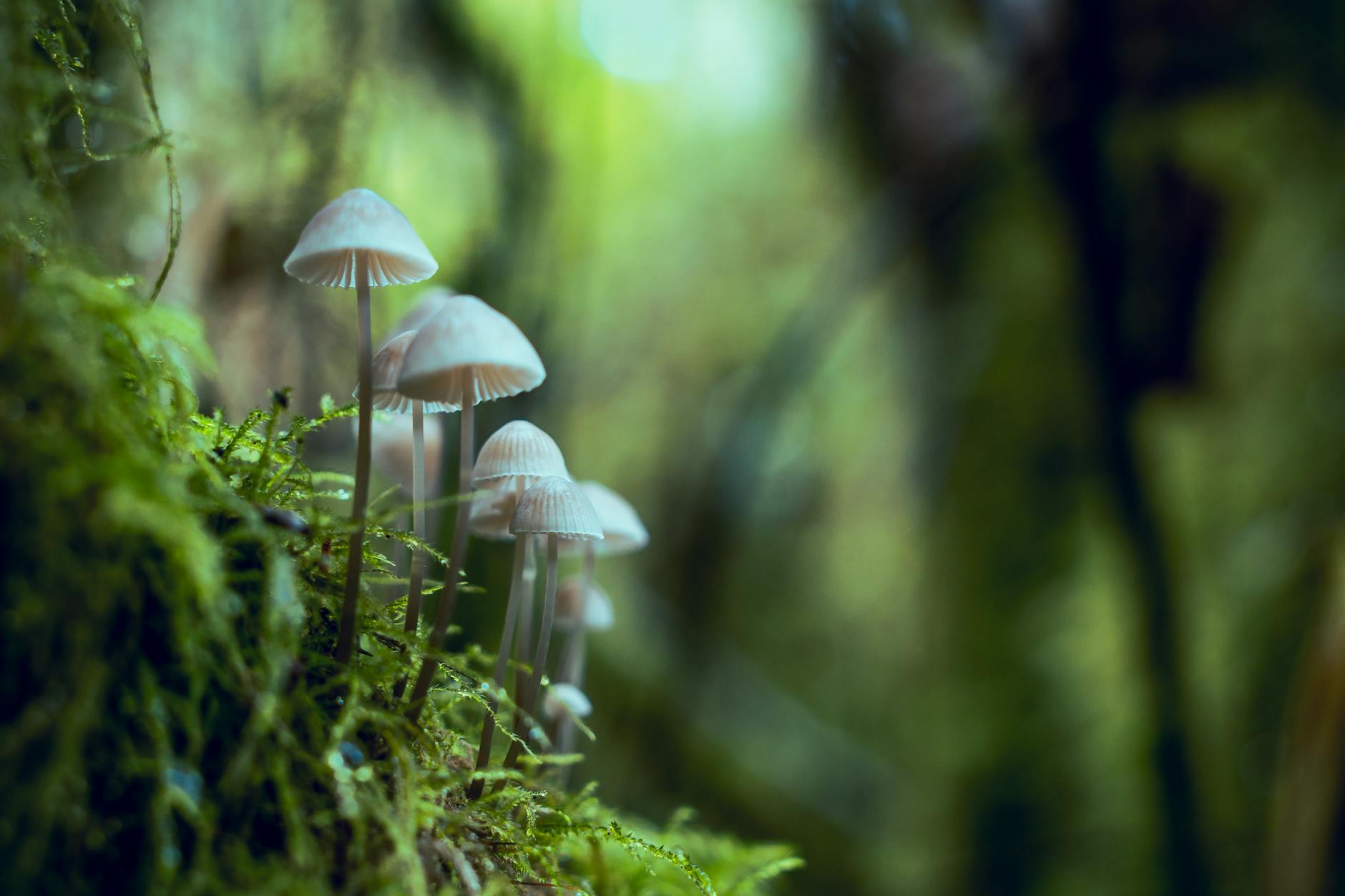
If you see your cat eat a mushroom or suspect they have, the first step is to identify the mushroom if possible. Take a photo of the area where it was growing and any remnants of the mushroom itself. If you cannot identify it, or if there’s any possibility it was a toxic variety, contact your veterinarian or poison control immediately. Do not wait for symptoms to develop. The ASPCA Animal Poison Control Center (888-426-4435) can help identify mushrooms and assess risk.
At the veterinary clinic, treatment depends on the type of mushroom and how recently it was ingested. If the poisoning was recent, the vet may induce vomiting or perform gastric lavage to remove mushroom material from the stomach. Activated charcoal may be administered to bind toxins. For amatoxin poisoning, supportive care including IV fluids, liver-protective medications, and monitoring of liver and kidney function are essential. The prognosis depends heavily on how quickly treatment begins. A cat treated within hours of ingesting a death cap has a better chance of survival than one treated a day later, making speed of action critically important.
Preventing Mushroom Poisoning in Your Home and Yard
Prevention is far more effective than treatment. Remove mushrooms from your yard regularly, particularly in damp seasons when they fruit prolifically. This means checking under deck areas, around trees, and in shaded garden spots where mushrooms are most likely to grow. If you notice mushrooms appearing repeatedly in the same spot, the underlying conditions—moisture, decomposing wood, or fungi in the soil—may need to be addressed. Mulch and compost piles attract fungi and should be kept in areas where your cat cannot access them.
Indoors, store any mushrooms you purchase for cooking in sealed containers on high shelves or in the refrigerator where your cat cannot reach them. Even cooked mushroom scraps should be disposed of securely in a closed trash can. If you forage for mushrooms, store them separately from your cat’s environment and never leave mushroom preparation areas unattended where a curious cat might sample raw pieces. Some cats are more prone to eating non-food items than others, but assume your cat may be curious about anything new in the environment. The effort of prevention takes minutes; the cost and heartbreak of treating poisoning is far greater.
Other Yard Toxins Often Mistaken for Mushroom Concerns
Mushroom poisoning often comes up alongside other yard hazards that can harm cats. Toads, for example, are sometimes confused with mushrooms as a yard hazard, but they’re a separate concern—certain toad species secrete toxins through their skin. Like with mushrooms, the best approach is prevention: remove toads from areas where cats roam.
Pesticides and fungicides used to treat lawns can also poison cats, and some of these are applied specifically to kill mushrooms or fungi, creating a false sense that the yard is now safe. In reality, these chemicals can be as harmful as the mushrooms themselves. Similarly, other toxic plants in the yard—lilies, foxglove, sago palm, and others—should be removed if you have cats outdoors or if these plants are accessible to indoor cats. A comprehensive yard safety review is worthwhile if you’re concerned about poisoning risks, as mushrooms are just one of many potential hazards in a typical residential outdoor space.
Long-Term Health Monitoring After Mushroom Exposure
If your cat has ingested mushrooms and received treatment, follow-up care is essential. Liver and kidney function should be rechecked 7 to 10 days after the incident, then again at 3 weeks. Some cats recover fully from mild mushroom poisoning, while others suffer lasting damage to the liver or kidneys that requires lifelong dietary management or medication. A cat that survives amatoxin poisoning may require a special diet, regular bloodwork, and close monitoring for signs of organ dysfunction.
Your veterinarian will provide a specific care plan based on your cat’s individual situation. Recovery is not just about surviving the acute poisoning—it’s about ensuring no permanent damage interferes with your cat’s quality of life. Some cats develop chronic liver disease after severe poisoning, requiring frequent vet visits and dietary restrictions for the rest of their lives. This underscores why prevention is so critical: the easiest and cheapest option is to ensure your cat never eats a mushroom in the first place.
Conclusion
Cats should not eat mushrooms, and the vast majority of mushroom varieties are toxic to felines with potentially serious or fatal consequences. Most household and wild mushrooms pose a genuine risk of poisoning, and because symptoms are delayed and identification is difficult, any suspected mushroom ingestion should be treated as an emergency. There are no nutritional benefits to offering mushrooms to cats, and even non-toxic varieties offer nothing beneficial and can cause digestive upset.
The best protection is prevention: remove mushrooms from your yard, store any mushrooms you buy for cooking securely, and supervise your cat’s outdoor time in areas where mushrooms are present. If your cat does eat a mushroom, contact your veterinarian or poison control immediately—do not wait to see if symptoms develop. By understanding the risks and taking preventive steps, you can protect your cat from one of the more serious accidental poisoning hazards in a typical home and yard environment.
Frequently Asked Questions
Can cats eat button mushrooms from the grocery store?
Button mushrooms and cremini mushrooms are not toxic to cats, but they provide no nutritional benefit and can cause digestive upset. There is no reason to feed them to your cat. If your cat has eaten a small amount of cooked button mushroom, it is unlikely to cause serious harm, but raw mushrooms are a choking hazard and should be kept out of reach.
How long after eating a mushroom do symptoms appear?
Symptoms of mushroom poisoning in cats typically appear 6 to 24 hours after ingestion, though some signs like drooling or vomiting may occur within hours. The delay in symptom onset is part of what makes mushroom poisoning dangerous—significant internal damage may occur before you notice anything is wrong.
Is there an antidote for mushroom poisoning in cats?
There is no specific antidote for most mushroom toxins. Treatment is supportive, focused on removing the toxin from the stomach (if caught early), binding remaining toxins with activated charcoal, and managing symptoms and organ damage with IV fluids, medications, and monitoring.
Can I identify safe mushrooms by their appearance?
No. Many toxic mushroom species look similar to non-toxic varieties, and even experts require microscopic examination to identify some species with certainty. Never assume a mushroom is safe based on appearance alone. The safest approach is to remove all mushrooms from areas where your cat has access.
What should I do if my cat eats a mushroom and I don’t know what kind it is?
Contact your veterinarian or the ASPCA Animal Poison Control Center (888-426-4435) immediately. Describe the mushroom’s appearance and location, and be prepared to bring your cat in for evaluation. Do not wait for symptoms to develop—early treatment can be lifesaving.
Are medicinal mushrooms like reishi safe for cats?
Veterinarians do not recommend feeding medicinal mushrooms to cats. While some may not be acutely toxic, they provide no proven benefit to feline health and may cause digestive upset or interfere with nutrient absorption. Stick to a balanced feline diet unless your veterinarian recommends otherwise.