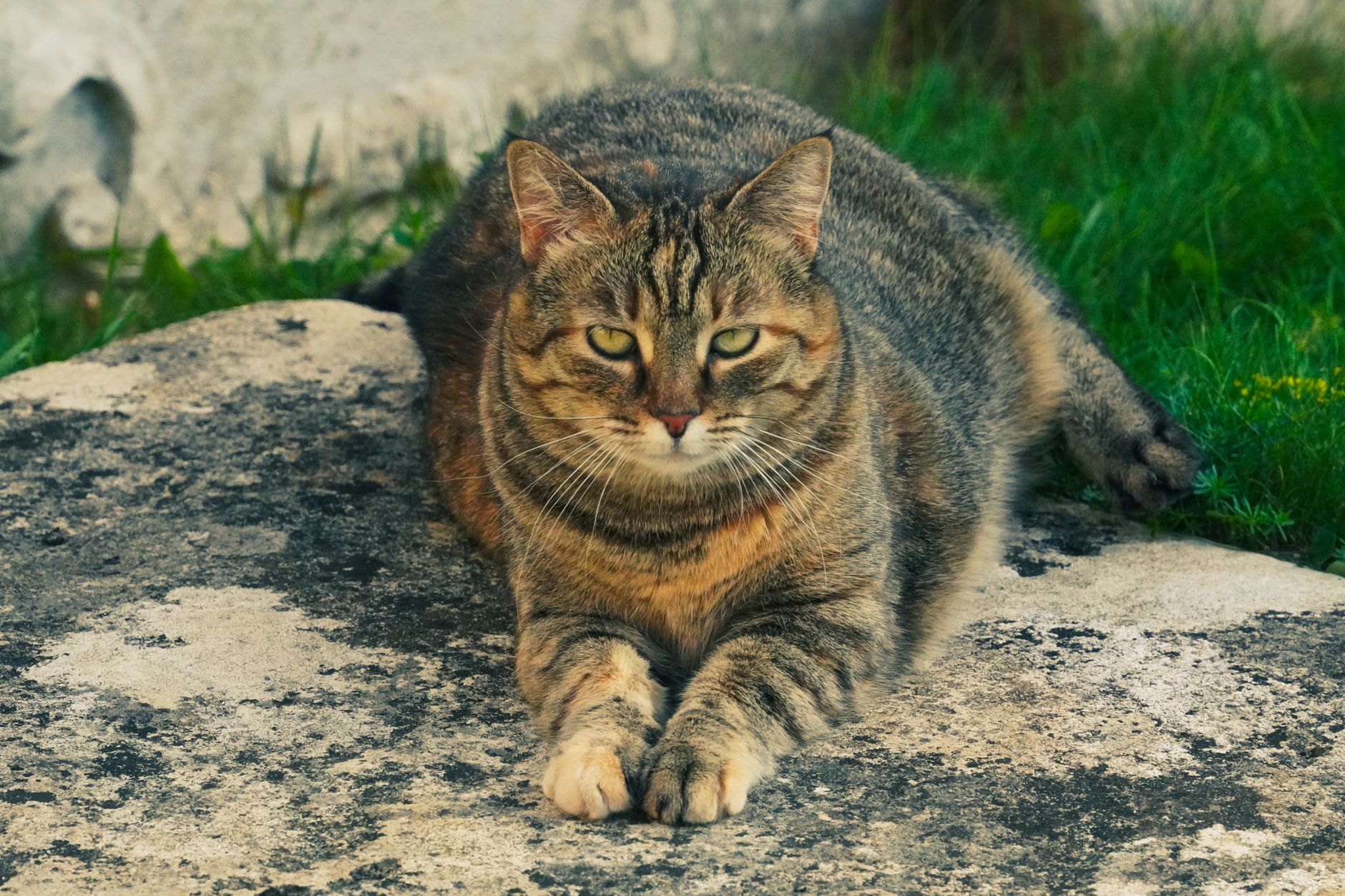
Scent marking is how a cat labels home as familiar and safe. It includes cheek rubbing, scratching and urine spraying, and each form sends a different message about security.
A steady home routine keeps most marking quiet and reassuring. Secure cats mainly use rubbing and scratching to maintain familiarity. Change, crowding, poor enrichment or feeling unsafe can add indoor spraying and heavier scratching.
Table of Contents
- What rubbing and scratching mean
- How spraying differs
- How should you set up the home?
- When does marking need a closer look?
What rubbing and scratching mean
Bunting is facial rubbing of cheeks, chin and body against people, furniture and doorways. Cornell University College of Veterinary Medicine explains in its guide to house soiling that this deposits cheek-gland scent and marks familiar territory. You will often see it after work, around chair legs, corners and entryways.
Scratching works in a similar way. It leaves a visual groove plus scent from paw glands, while removing loose claw sheaths and stretching the body. Cornell describes it as normal maintenance and communication, not misbehavior.
How spraying differs
Spraying usually targets a vertical surface. VCA Animal Hospitals describes in its guide to marking and spraying behavior how the cat stands, backs up, often quivers the tail and releases a small amount of urine without full squatting. The message announces presence, holds boundaries or advertises mating availability.
Indoor spraying, urinating on flat surfaces, stool marking or a jump in scratching often means the cat feels unsafe. VCA lists moves, new furniture, new people or pets, visible outdoor cats, crowding and weak enrichment as common triggers. The ASPCA notes intact males spray most for mating reasons, while stressed neutered males and females can also spray.
How should you set up the home?
Give each function its own place. The American Association of Feline Practitioners advises in its environmental needs guidelines that homes should separate food, water, litter, rest and scratch areas. That separation lowers competition and helps calm marking.
- Offer sturdy scratchers near sleep spots, doorways and marked furniture.
- Keep cheek-marked alternatives where the cat already rubs.
- Clean spray sites with enzymatic cleaner to remove odor cues.
- Avoid punishment, which raises fear and can increase marking.
- Ask a veterinarian about neutering or anxiety care when spraying persists.
When does marking need a closer look?
Watch for change in pattern. Secure indoor cats mainly use rubbing and scratching, while insecure cats add spraying and more scratching, according to ISFM and AAFP veterinary environment guidance. Medical illness and litter-box aversion can look like marking.
Ohio State researchers tested synthetic facial pheromone on towels in 20 caged cats. Cats with the pheromone towels groomed more, explored more normally and ate more than cats with placebo towels, a sign of lower anxiety. If spraying starts suddenly, smells strong, involves straining, blood, thirst change or missed litter-box use, seek veterinary care promptly and review stress, boxes and resources together.