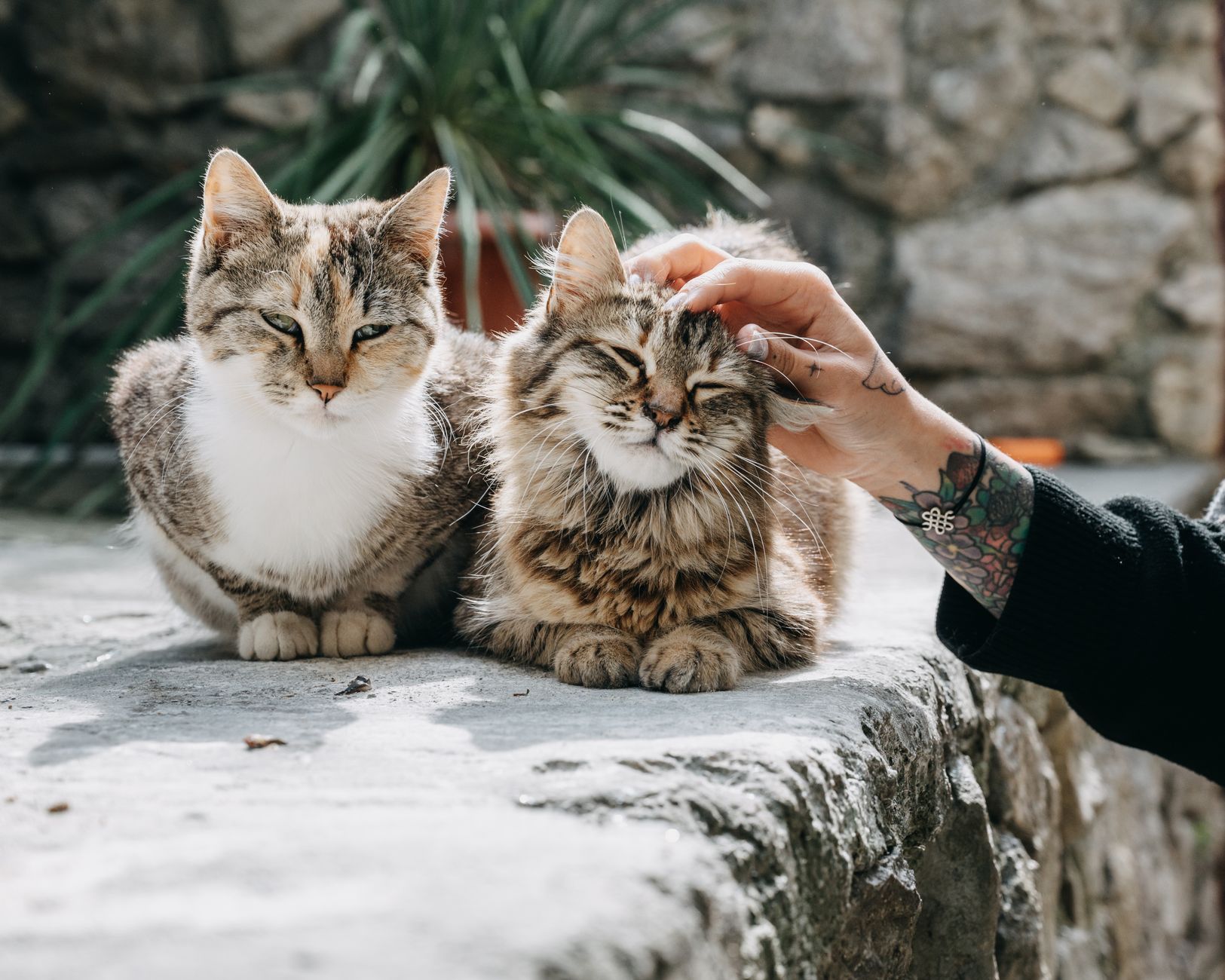
Yes, rescue birds and cats can form genuine, affectionate connections—but they require careful management and an understanding of the biological forces working against the relationship. The classic predator-prey dynamic doesn’t disappear through goodwill alone; instead, successful bonds develop when specific conditions align: a cat with relatively low prey drive, a bird with bold temperament, gradual acclimation, and consistent human supervision. A rescue parakeet named Kiwi, for example, learned to perch on a skeptical tabby’s shoulder within weeks of careful introductions, eventually napping beside her feline housemate—not because the cat lost its hunting instinct, but because both animals developed trust through predictable, positive interactions.
The most common scenario involves rescue birds arriving in homes where cats already live, or vice versa. The “skeptical” cat isn’t rejecting the bird out of cruelty but responding to instinct: movement triggers the prey response, unfamiliar sounds and smells provoke caution, and territorial concerns run deep. A rescue bird, having survived uncertain conditions, often arrives with either heightened anxiety or unusual confidence—and that confidence can either accelerate bonding or mask underlying stress that emerges later.
Table of Contents
- Can Prey Drive Really Be Overridden in a Cat-and-Bird Household?
- The Real Risks of Cross-Species Cohabitation
- How Do You Recognize Genuine Bonding Versus Tolerance?
- Step-by-Step Introduction Protocol for Rescue Birds and Resident Cats
- Common Mistakes That Sabotage Cat-Bird Relationships
- Factors That Influence Success Rates
- Ongoing Monitoring and Practical Safety Measures
Can Prey Drive Really Be Overridden in a Cat-and-Bird Household?
Prey drive in cats exists on a spectrum. Some cats, particularly certain breeds like Birmans or some Scottish Folds, display lower hunting intensity than others. A cat’s individual temperament matters more than breed alone, but genetics do influence how readily a cat will chase, pounce, or fixate on movement.
What matters for successful cohabitation is not eliminating prey drive—that’s neurologically impossible—but channeling it, managing triggers, and building competing motivations like food association and social bonding with the bird. When a rescue bird arrives, the cat’s curiosity phase typically lasts several days to weeks. During this time, the bird registers as novel stimulation. If introductions happen gradually, with the bird safely enclosed while the cat observes from a distance, the novelty fades and the cat begins categorizing the bird differently—not as “moving small thing to chase” but as “that creature that exists in this house.” The key is preventing a single negative incident (a successful pounce, a scare, or an injury) that reinforces the predator-prey framework.
The Real Risks of Cross-Species Cohabitation
The most serious risk is injury or death, particularly for smaller bird species like finches or canaries. Even a “gentle” scratch from a cat‘s claw can introduce bacteria that prove fatal to birds, whose immune systems evolved in avian-specific environments. A playful swat that doesn’t break skin can still fracture delicate wing bones.
Additionally, stress from constant exposure to a predator—even a non-aggressive one—suppresses birds’ immune function and can lead to feather plucking, aggression, or premature death despite apparently “getting along.” Another overlooked risk is that rescue birds sometimes display erratic behavior due to previous trauma or inadequate socialization. A startled rescue bird might panic and injure itself or escalate a cat’s interest through frantic movement. Similarly, a cat that hasn’t been tested around birds might have a buried or dormant prey drive that emerges unexpectedly during a vulnerable moment—the bird molting, sick, or cornered. Even well-socialized cats can revert during hunting season (spring and fall, when hormonal changes influence behavior in indoor cats) or if a bird illness causes unusual, stumbling movement.
How Do You Recognize Genuine Bonding Versus Tolerance?
True bonding looks different from mere coexistence. Bonded cats and birds initiate contact voluntarily: the bird lands near the cat without prompting; the cat approaches without stalking posture; they rest in proximity without defensive spacing. A bonded pair often grooms or preens each other, with the cat using its rough tongue gently on the bird’s feathers or the bird nibbling around the cat’s eyes and ears. Vocalizations change too—cats make soft chirping sounds at birds, and birds vocalize differently around a bonded cat than they do with unfamiliar felines. Mere tolerance, by contrast, looks like the bird staying in its cage or perched high while the cat rests below, each aware of the other but maintaining distance.
The bird might freeze when the cat enters the room rather than actively engaging. The cat might watch with dilated pupils and a tail that twitches with interest. These are signs of tension management, not affection. A crucial distinction: if separation causes distress (the bird screeching constantly when the cat leaves the room, the cat pacing anxiously), genuine attachment is present. If separation brings relief, the relationship is still stressed.
Step-by-Step Introduction Protocol for Rescue Birds and Resident Cats
The first week involves no direct contact. The bird stays in a secure cage in a room where the cat can observe from a distance, and the cat’s comfort level dictates proximity. Place the cage in a visible but not threatening location—not on the cat’s favorite sleeping spot and not isolated in a corner. Play soft music to mask sudden sounds. Feed the cat near the cage so positive associations form. Never force the cat to approach; let curiosity drive it naturally. Week two introduces controlled visual access without contact. If the setup allows, move the cage to the cat’s main living area.
Watch the cat’s body language: ears forward and relaxed (good), ears back and stiff posture (concerning), stalking walk (red flag). If the cat shows predatory behavior, reduce proximity and extend the observation phase. Simultaneously, work on basic obedience with the cat—practicing “sit,” “look at me,” and “leave it” commands so you have reliable control during later stages. By week three or four, if both animals remain calm, allow supervised out-of-cage time with the cat in the room. The bird should have multiple perches, escape routes (like a playstand with height), and the cat should be on a harness or closely monitored. Many behaviorists recommend keeping the bird on a high perch initially—cats are less likely to chase vertical prey. Watch for signs of escalating interest in the cat; a tail thrash or forward body lean means session ends immediately. Gradually increase these sessions over weeks to months, always maintaining the ability to separate them instantly.
Common Mistakes That Sabotage Cat-Bird Relationships
Rushing introductions remains the most frequent error. Owners eager to see their pets bond push contact before either animal is ready, then interpret a single negative encounter as proof it will never work. In reality, a frightened bird’s panic or a cat’s pounce during an unsupervised moment can undo weeks of positive association. The minimum safe timeline is four to six weeks of gradual exposure; some experts recommend eight to twelve weeks for cautious cats or traumatized rescue birds. Another mistake is ignoring the cat’s body language and pushing interactions. Some people hold a reluctant cat near a bird to “help them bond,” which backfires spectacularly—the cat associates the bird with forced confinement and stress, and the bird learns that the cat’s presence means danger.
Similarly, allowing the bird unrestricted freedom when the cat isn’t fully ready, believing the bird’s confidence will transfer to the cat, often results in injuries. Rescue birds, having survived previous instability, sometimes display inappropriate boldness—flying directly at a cat or landing on its head without permission—which can trigger a defensive reaction. A third mistake is assuming that one good interaction means permanent success. Relationships between cats and birds require ongoing management. Hunger, illness, hormonal changes, or even changes in routine can shift a cat’s behavior. A bird that seems safe with one cat might need reintroduction if a new cat enters the household. Continued supervision, even after years of cohabitation, prevents tragic accidents.
Factors That Influence Success Rates
Age matters significantly. Kittens raised around birds from an early age (ideally before twelve weeks) develop different prey responses than adult cats. A kitten that watched a bird consistently during sensitive developmental periods categorizes birds differently neurologically than an adolescent or adult cat encountering birds for the first time. Rescue birds also benefit from young arrival; birds hatched in captivity and socialized early accept cats more readily than wild-caught or feral birds.
Individual personality overrides most other factors. Some cats have a genetic predisposition toward low prey drive—certain lines within breeds show this trait. Conversely, some rescue birds arrive with unusual boldness or fearlessness that makes cohabitation possible. A traumatized rescue bird that hasn’t fully healed psychologically might be too anxious to bond with any cat, regardless of how gentle the feline is. Similarly, a cat with high hunting drive or a history of successful predation on small animals might never be safe around birds, no matter how patient the owner is.
Ongoing Monitoring and Practical Safety Measures
Even established bonds require protective structures. The bird’s cage must be cat-proof with secure latches; a determined or curious cat can open many standard cage doors. Perches should be placed high enough that the cat cannot reach them, typically above the cat’s stretched height. Provide the bird with escape routes and “safe zones” it can access instantly—small doorways, high shelving, or enclosed spaces where the cat simply doesn’t fit.
Supervise all interaction periods without exception. Use baby monitors if you must step away briefly, and don’t assume that a peaceful moment means the bird is safe during bathroom breaks or phone calls. Some veterinarians recommend keeping birds and cats in separate rooms overnight, ensuring the bird gets stress-free sleeping time. During the cat’s peak hunting hours (typically dawn and dusk), separate them unless you’re actively monitoring. This isn’t pessimism—it’s recognition that predatory instinct operates on biological cycles that cohabitation doesn’t erase.