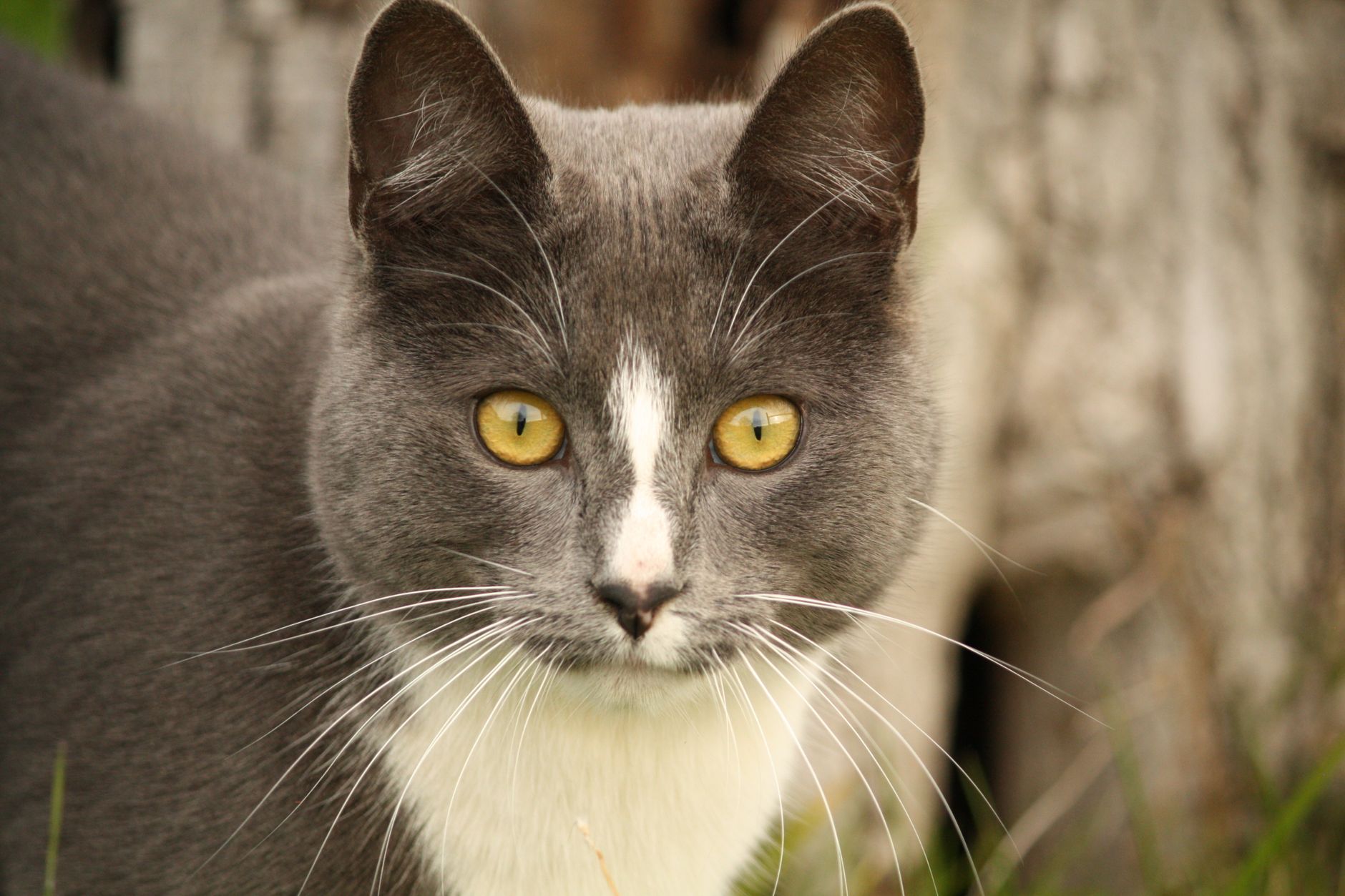
Cat color transformations that perplex owners are often rooted in real biological processes rather than true mysteries. Wilbur’s case, like many feline color shifts, likely stems from one of several well-documented phenomena: temperature-sensitive coat genetics, nutritional changes, oxidation of light fur, or underlying health conditions. While the transformation may appear sudden or baffling to the household, veterinarians recognize these patterns as part of feline development or response to environmental and physiological changes.
The confusion around such changes stems from owners not expecting dramatic shifts in their cat’s appearance. Unlike hair on human heads, cat fur undergoes continuous cycles of growth and shedding, and new growth can display different pigmentation than the old coat. A cat with a rust-tinged coat might develop this after months of sun exposure, or a cream-colored cat might develop subtle darkening through nutritional shifts or age progression.
Table of Contents
- Why Do Cats’ Coats Change Color Over Time?
- Nutritional and Metabolic Influences on Coat Pigmentation
- Age-Related Color Changes and Development
- When to Consult a Veterinarian About Coat Changes
- Fungal and Parasitic Causes of Apparent Color Changes
- Distinguishing Normal Changes from Signs of Systemic Illness
- Environmental Factors and Seasonal Coat Changes
- Frequently Asked Questions
Why Do Cats’ Coats Change Color Over Time?
Multiple biological mechanisms can alter a cat‘s fur color, and veterinarians approach these shifts systematically to determine the cause. The most common explanation is the natural growth cycle: as old fur sheds and new fur grows in, the replacement coat may have different pigmentation due to genetics, age, or current nutritional status. This is especially noticeable in cats with lighter coats, where even subtle variations become visible. Temperature-sensitive genes present in certain breeds, particularly those with Siamese ancestry, create color changes based on body temperature. These cats may develop darker coloring on extremities and lighter coloring on warmer body areas.
Kittens born with this genetic trait sometimes appear almost white at birth, then gradually develop their color points over weeks and months. An owner might perceive this gradual change as mysterious if they’re unaware of the breed’s genetic predisposition. Environmental factors like sun exposure can cause oxidation of light-colored fur, similar to how bleach gradually lightens hair. A cat that spends increasing time by a sunny window might develop reddish or yellowish tones in previously white or cream fur. This oxidation is purely cosmetic and doesn’t indicate health problems, though excessive sun exposure can increase skin cancer risk in vulnerable cats.
Nutritional and Metabolic Influences on Coat Pigmentation
The quality and color of new fur growth is directly influenced by the cat’s nutritional intake, particularly levels of protein, amino acids, and trace minerals like copper and zinc. A cat switched to a lower-quality diet, or one experiencing malabsorption issues, may grow in duller or differently-pigmented fur. Conversely, improving nutrition can result in noticeably richer, darker coat color within weeks as new, healthier fur replaces the old. Thyroid disorders represent an important metabolic cause of coat changes that veterinarians must rule out during examination.
Hyperthyroidism and hypothyroidism can both affect fur quality and color, though these conditions typically present with additional symptoms like weight loss, lethargy, or behavior changes. A cat with a previously glossy, dark coat developing a dull, lightened appearance might warrant thyroid screening, especially if the cat is middle-aged or older. One limitation of attributing color changes solely to nutrition is that deficiencies must be severe enough to affect developing hair, meaning mild nutritional issues may not produce visible changes. This can make it difficult for owners to connect subtle dietary problems to coat quality without veterinary guidance and bloodwork.
Age-Related Color Changes and Development
As cats mature from kittens to adults to seniors, their coat color frequently shifts. Some kittens are born with darker coats that progressively lighten as they reach adulthood, while others experience the opposite trajectory. Specific breeds like Russian Blues may develop richer, more silvered coats with maturity. Gray hairs and depigmentation can appear in senior cats, creating a salt-and-pepper or grizzled appearance, though this is less pronounced in cats than in humans.
Hormonal changes associated with spaying and neutering can also influence coat quality and color, though the effect is typically subtle. The metabolic shift following these surgeries can lead to changes in fur texture and, occasionally, slight color variations. Some cat owners report that their cats’ coats became duller or changed hue after these procedures, though this isn’t a universal experience. A specific example of age-related change occurs in cats with the “agouti” pattern, where each hair has bands of color. As new growth replaces old fur, the banding pattern and overall appearance can shift, making the cat appear darker or lighter depending on the proportion of each color band in the new growth.
When to Consult a Veterinarian About Coat Changes
Owners should distinguish between cosmetic color changes and alterations that indicate underlying health problems. Color changes accompanied by hair loss, skin inflammation, scaling, or scratching warrant veterinary evaluation for fungal or parasitic infections. Ringworm, a fungal infection common in cats, can create circular areas of hair loss and discoloration that may initially seem like a localized color transformation. A systematic approach helps owners identify concerning changes: note whether the color change is gradual or sudden, whether it’s localized or whole-body, and whether any behavioral or physical symptoms accompany it.
A cat with a gradual coat color shift and no other symptoms may simply be experiencing normal developmental or environmental changes. Conversely, a cat with rapid color changes in patches, combined with itching or lethargy, requires prompt veterinary assessment. The tradeoff in monitoring coat changes is between appropriate vigilance and unnecessary anxiety. Most color transformations are benign, but the veterinary examination itself costs money and time. Owners should prioritize veterinary visits when changes are accompanied by other symptoms or when the transformation is unusually rapid or severe.
Fungal and Parasitic Causes of Apparent Color Changes
Fungal infections like ringworm don’t always present as classical circular lesions; they can create patchy areas of discoloration and hair loss that an owner might initially interpret as a color transformation rather than an infection. These infections are contagious to other cats and to humans, making accurate diagnosis essential. Veterinary examination, sometimes including fungal culture, is necessary to confirm fungal involvement. Parasitic infestations, including fleas and mites, can also alter coat appearance through damage to hair shafts and secondary skin inflammation.
A cat with flea allergy dermatitis may develop patches of darker, damaged fur or alopecia that changes the cat’s overall appearance. The danger of assuming a color change is cosmetic when parasites are responsible is that the underlying infestation worsens without treatment. Demodectic mites, while less common in cats than in dogs, can cause localized alopecia and color changes in affected areas. Diagnosis requires skin scraping or plucking samples examined under microscopy, so visual assessment alone is insufficient.
Distinguishing Normal Changes from Signs of Systemic Illness
Coat condition often reflects overall health status, making it a valuable indicator for owners. A cat with anemia, liver disease, or chronic kidney disease may develop a dull, color-muted coat as part of the broader systemic effects of these conditions. However, coat changes are rarely the first or only sign of these illnesses; they typically accompany changes in appetite, activity level, or litter box habits.
A practical warning: owners sometimes attribute serious health changes to superficial causes when they observe coat color shifts. A cat with new gray hairs and a slightly duller coat might be experiencing normal aging, but could also be showing early signs of hyperthyroidism or other age-related conditions. This ambiguity makes veterinary assessment valuable, particularly for middle-aged and older cats experiencing noticeable changes.
Environmental Factors and Seasonal Coat Changes
Cats, like many mammals, can undergo seasonal coat changes related to daylight exposure and ambient temperature. As photoperiod shifts with seasons, some cats may alter their coat density and, to a lesser extent, color. This is more pronounced in outdoor cats than indoor cats, since indoor cats experience relatively consistent lighting and temperature year-round.
A specific example of environmental influence appears in cats with seasonal shedding patterns. During spring shedding, a cat might reveal a coat of different color or texture beneath the winter coat, creating an apparent transformation when the heavy winter fur is removed. Some owners find this annual shift dramatic, particularly in longhaired breeds where the difference between a thick winter coat and a thinner summer coat is visually striking.
Frequently Asked Questions
Is it normal for a cat’s fur to change color as it grows older?
Yes, age-related coat color changes are common in cats. Kittens often have different colored coats than adults, and senior cats frequently develop gray hair and depigmentation, though these changes are typically gradual.
Could my cat’s color change indicate a serious health problem?
Coat color changes alone are usually cosmetic, but when accompanied by hair loss, skin inflammation, behavioral changes, or other symptoms, they warrant veterinary evaluation to rule out fungal infections, parasites, or systemic illness.
Why does my light-colored cat’s fur look more yellowish or rusty than before?
Light-colored coats often oxidize with sun exposure, developing reddish or yellowish tones similar to bleaching. This is purely cosmetic and doesn’t indicate health problems, though limiting excessive sun exposure reduces skin cancer risk.
Can diet change my cat’s coat color?
Yes, nutritional status directly affects new fur growth. Switching to a higher-quality diet with adequate protein, amino acids, and trace minerals can result in noticeably richer coat color and quality within weeks.
Should I be concerned if my cat’s coat color changes suddenly?
Sudden changes warrant attention, particularly if localized to specific areas or accompanied by other symptoms. Gradual whole-body color shifts over weeks or months are typically normal, while rapid patches of discoloration may indicate infection or other problems requiring veterinary assessment.
Is coat color change a sign of stress in cats?
Stress doesn’t typically cause visible color changes in cat fur, though it can affect coat quality by triggering excessive grooming or reducing food intake. Any stress-related coat problems would be secondary to the stress-induced behavior, not a direct color shift.