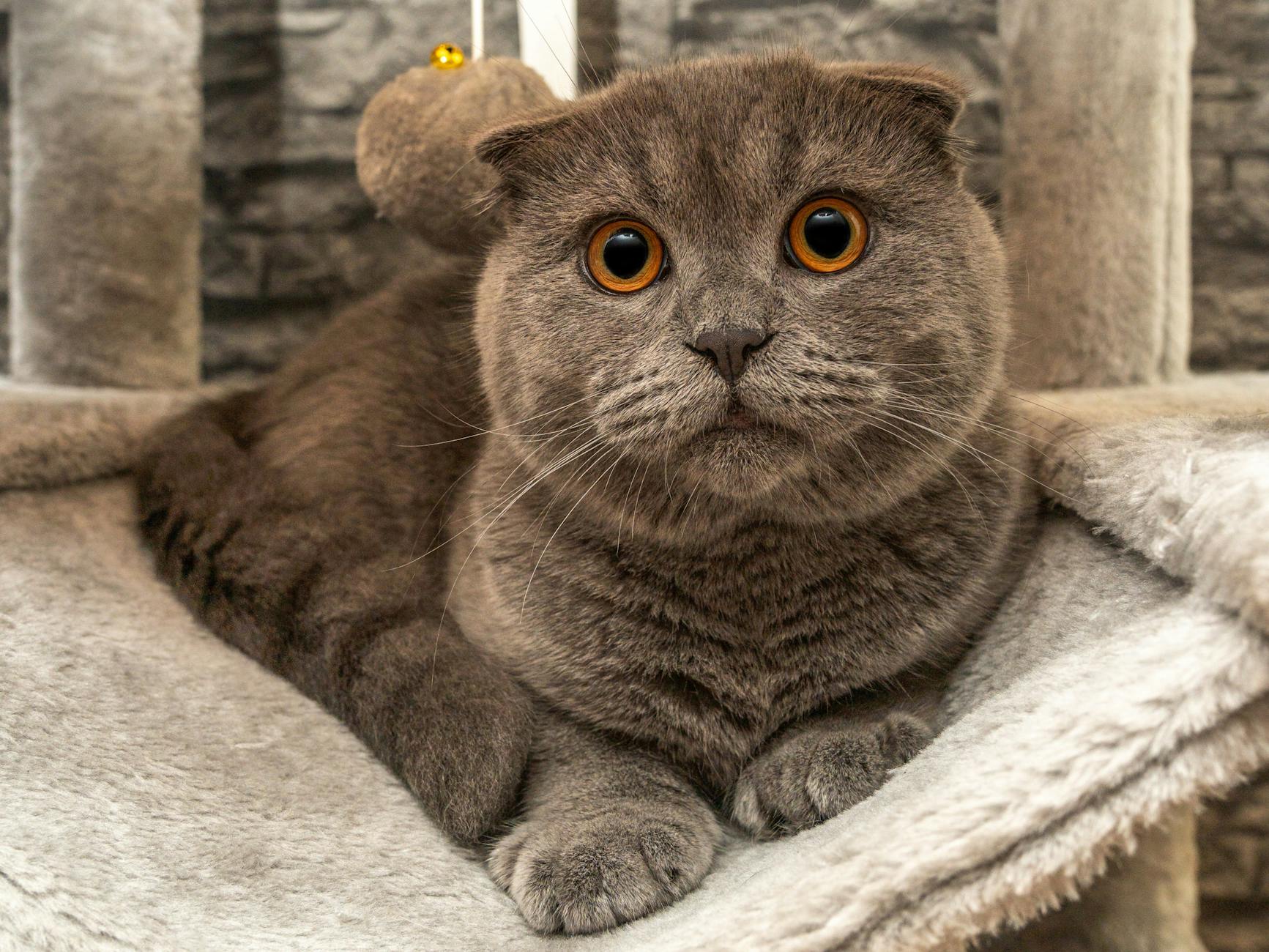
Several short-haired cat breeds are recognized for their striking blue eyes, with the Siamese cat being the most iconic and widely recognized. However, the answer to what short-haired blue-eyed breeds exist extends far beyond Siamese cats alone. Today, there are between 11 and 29 documented short-haired cat breeds capable of displaying blue eye coloring, each with distinct characteristics, origins, and personality traits.
The most common short-haired blue-eyed breeds include Siamese, Tonkinese, Snowshoe, Colorpoint Shorthair, Russian Blue, and British Shorthair cats. These breeds have been selectively bred over decades to emphasize their striking eye color while maintaining their short, manageable coats. If you’ve ever seen a Siamese cat with its piercing aqua-blue eyes and sleek cream and chocolate-colored coat, you’ve witnessed one of the most recognizable examples of this feline characteristic.
Table of Contents
- Which Short-Haired Cat Breeds Have Blue Eyes?
- Understanding the Genetics Behind Blue Eyes in Short-Haired Cats
- Personality and Temperament of Blue-Eyed Short-Haired Cats
- Care Requirements and Coat Maintenance
- Health Considerations and Genetic Concerns
- Lesser-Known Blue-Eyed Short-Haired Breeds
- Choosing the Right Blue-Eyed Short-Haired Breed for Your Lifestyle
- Conclusion
Which Short-Haired Cat Breeds Have Blue Eyes?
Siamese cats remain the gold standard when discussing blue-eyed short-haired breeds. These cats are widely recognized for their distinctive pointed coloring pattern, where their face, ears, tail, and paws are darker than their body. Siamese cats are known for their exceptionally vocal nature and strong social temperament, often demanding attention and conversation from their human companions. They form deep bonds with their owners and are rarely satisfied being left alone for extended periods.
Tonkinese cats offer another compelling option, featuring prominent wide-set aqua-blue eyes and short, sleek coats. Developed from deliberate crosses between Burmese and Siamese cat breeds, Tonkinese cats inherit the best traits from both parent breeds. They typically display the pointed coloring of Siamese but with a more solid body type from their Burmese heritage. Snowshoe cats, created by crossing Siamese with American Shorthair breeds, present yet another variation on the blue-eyed short-haired theme. Their name comes from their distinctive white paws that resemble little snow boots, and they are athletic, active cats with striking blue eyes and a more moderate temperament than purebred Siamese.
Understanding the Genetics Behind Blue Eyes in Short-Haired Cats
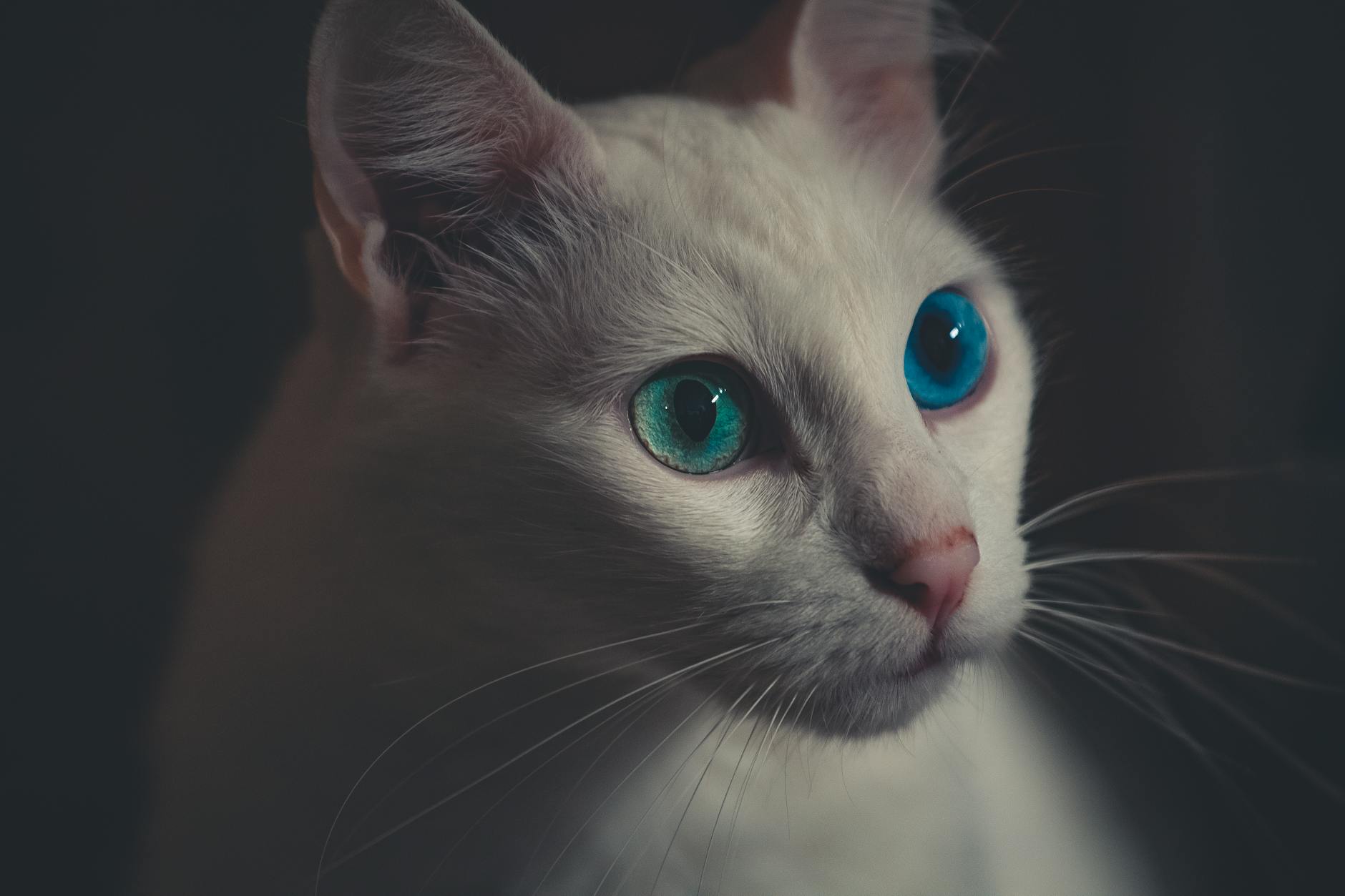
Blue eyes in cats are determined by genetics, specifically by the amount of melanin present in the iris. Breeds like Siamese, Tonkinese, and Snowshoe carry genetic traits that produce little to no melanin in their eye pigmentation, resulting in the characteristic blue coloration. This genetic predisposition is often linked to the same genes that produce their distinctive pointed coloring patterns, where the extremities of their bodies are darker than their core.
One important limitation to understand is that not all blue-eyed cats will retain their blue eyes throughout their entire lives. While Siamese and related breeds typically maintain their blue eyes permanently, other short-haired breeds with blue eyes may experience eye color changes as they mature. The genetic mutation responsible for blue eyes in breeds like Ojos Azules—a USA-originated shorthaired domestic cat breed—was so dominant that it caused significant breeding concerns. This particular breed’s blue eye genetic mutation became so concentrated in breeding populations that the breed eventually became officially extinct due to these genetic complications and breeding limitations.
Personality and Temperament of Blue-Eyed Short-Haired Cats
Siamese cats have earned a reputation for being among the most vocal and communicative of all cat breeds. They will follow their owners from room to room, “talking” constantly and demanding participation in household activities. This vocal temperament is not a flaw but rather a defining characteristic that many Siamese enthusiasts embrace and even celebrate. Their social nature means they thrive in homes where they receive regular interaction and mental stimulation.
Snowshoe cats inherit their athletic and active personality from their American Shorthair ancestry, making them notably more independent and playful than their pure Siamese relatives. They enjoy interactive play sessions and are less likely to become distressed by periods of solitude. Tonkinese cats typically fall somewhere between these extremes, offering a moderate level of vocal communication and social need while maintaining the intelligence and trainability that makes these breeds such engaging companions. A Snowshoe cat might entertain itself with toys and perches while you’re at work, whereas a Siamese cat would likely spend that time waiting impatiently for your return.
Care Requirements and Coat Maintenance
Short-haired blue-eyed cat breeds require far less grooming than their long-haired counterparts, making them practical choices for busy owners. A weekly brushing session is generally sufficient to maintain their coats in excellent condition, remove loose hair, and reduce shedding throughout your home. The short, dense coats of Siamese, Snowshoe, Tonkinese, and similar breeds are naturally resistant to matting and tangling, eliminating the need for daily grooming routines.
However, the simplicity of coat care should not be confused with overall care demands. Many blue-eyed short-haired breeds, particularly Siamese and their descendants, require substantial mental and physical enrichment. The comparison between a Snowshoe cat and a Siamese cat illustrates this well: a Snowshoe may be content with basic play and environmental enrichment, while a Siamese will demand interactive play sessions, puzzle feeders, window perches, and regular human interaction. Owners considering these breeds must account for the time investment in enrichment and interaction, not just the minimal grooming requirements.
Health Considerations and Genetic Concerns
While most short-haired blue-eyed breeds are relatively healthy, certain genetic concerns warrant attention. The concentration of genes producing blue eyes in some breeds has historically led to breeding complications, as evidenced by the extinction of the Ojos Azules breed. This cautionary tale reminds breeders and buyers alike that selecting for extreme traits—including intense blue eye coloration—can sometimes come with genetic costs.
Some blue-eyed cats may be prone to specific health issues related to the genes that produce their eye color, though this varies significantly by breed. Responsible breeders of Siamese, Tonkinese, Snowshoe, and other established breeds have largely eliminated hereditary problems through careful selective breeding practices. When acquiring a blue-eyed short-haired cat, purchasing from reputable breeders who conduct health testing and maintain diverse genetic pools is essential. Avoid breeders who concentrate on appearance at the expense of overall health, as this approach can perpetuate genetic vulnerabilities that emerged in now-extinct breeds like the Ojos Azules.
Lesser-Known Blue-Eyed Short-Haired Breeds
Beyond the popular Siamese, Tonkinese, and Snowshoe varieties, other short-haired breeds display blue eyes. Colorpoint Shorthair cats are recognized for their bright blue eyes and short coats, offering an alternative for those seeking the classic blue-eyed pointed look.
Russian Blue cats and British Shorthairs are among the 29 or more documented cat breeds that can display blue eye coloring, though their blue eyes are less distinctive and striking than those of Siamese-related breeds. A Russian Blue’s softer blue-green gaze differs markedly from the intense sapphire eyes of a Siamese, offering a subtler aesthetic for those who prefer it.
Choosing the Right Blue-Eyed Short-Haired Breed for Your Lifestyle
Selecting the appropriate short-haired blue-eyed breed depends heavily on your lifestyle and household composition. Siamese cats suit homes where someone is present for significant portions of the day or where owners actively engage with their pets during non-working hours. These vocal, social cats form intense bonds with their humans and expect reciprocal attention and interaction.
Snowshoe cats offer an excellent middle-ground option for households seeking the striking blue-eyed aesthetic with a more independent temperament. Their heritage as working cats has equipped them with greater self-sufficiency while still maintaining intelligence and trainability. As these breeds have become more established and refined through responsible breeding, the health concerns that plagued earlier selective breeding efforts have largely been mitigated. Modern breeders of Siamese, Tonkinese, Snowshoe, and Colorpoint Shorthairs prioritize genetic diversity and health alongside aesthetic traits, creating healthier, longer-lived cats than those produced through less careful breeding practices.
Conclusion
Short-haired blue-eyed cat breeds offer striking beauty combined with practical care requirements, making them appealing choices for many cat enthusiasts. Whether you’re drawn to the iconic Siamese with its vocal personality and intense social needs, the balanced Tonkinese, or the more independent Snowshoe, these breeds provide distinct options for different households and preferences. The key to finding the right match lies in understanding not just their physical characteristics but also their temperament requirements and the commitment level each breed demands.
When pursuing a short-haired blue-eyed cat, prioritize working with responsible breeders who emphasize health and genetic diversity alongside aesthetic traits. Learn from the cautionary history of breeds like Ojos Azules, which suffered extinction due to concentrated selective breeding for extreme traits. By making informed choices and understanding the full picture of breed characteristics, you’ll be better equipped to select a blue-eyed companion that thrives in your specific home environment.