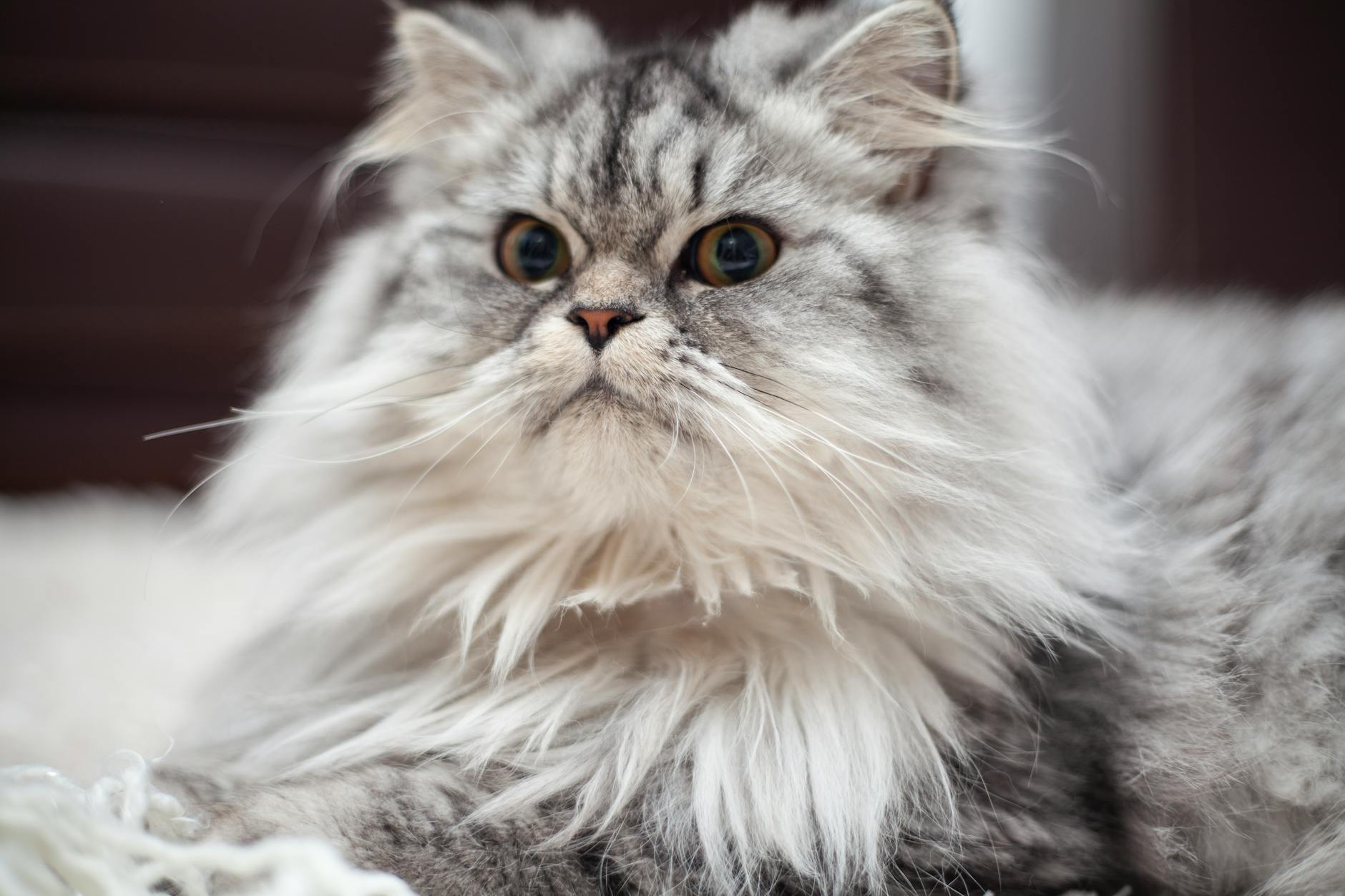
Several cat breeds combine long hair with striking blue eyes, but the Ragdoll stands out as the most iconic and consistent example. This large, semi-long-haired breed has sapphire blue eyes as a mandatory breed standard, making it the quintessential answer to the question of which feline pairs luxurious long hair with deep blue eyes. However, other breeds—including Himalayans, Balinese, Birmans, and Turkish Angoras—also possess this combination, each with their own distinct characteristics and eye color variations. Understanding which breed matches your preferences requires knowing not only what these cats look like, but also how their genetics, size, and temperament differ.
The most striking feature of these blue-eyed cats is that their eye color isn’t permanent from birth. Ragdoll kittens, for example, are born with black eyes that gradually transform to vivid sapphire blue by 6 to 8 weeks of age. This transformation is one of the defining moments in a Ragdoll kitten’s development and is a trait breeders and owners eagerly anticipate. The blue eye phenomenon across these breeds results from the Tyndall Effect—the same scientific principle that makes the sky appear blue—rather than from actual blue pigment in the iris.
Table of Contents
- Which Long-Haired Cat Breeds Have Blue Eyes?
- The Genetics Behind Blue Eyes in Long-Haired Cats
- Physical Characteristics Beyond Eyes and Coat
- Temperament and Care Requirements
- Health Considerations and Genetic Risks
- The Role of Reputable Breeders in Maintaining Standards
- Emerging Trends in Blue-Eyed Breed Development
- Conclusion
Which Long-Haired Cat Breeds Have Blue Eyes?
The primary candidates for long-haired, blue-eyed cats include the Ragdoll, Himalayan, Balinese, Birman, and Turkish Angora, each representing different breeding lineages and aesthetic characteristics. The Ragdoll is the largest of these breeds, with males averaging 12 to 20 pounds and females 8 to 15 pounds, standing 9 to 11 inches tall with a body length of 17 to 21 inches. Himalayans, created by crossing Persians with Siamese, are medium to large cats with the breed standard requiring “deep vivid blue” eyes in pointed colorations. The Balinese represents a long-haired mutation of the Siamese, featuring a more slender build compared to the stockier Ragdoll or Himalayan.
The Birman is distinguished by distinctive white “gloves” on the paws, while the Turkish Angora typically has hair that is longer around the neck and face, with eyes that can range from sky blue to sapphire. A practical comparison: if you want a calm, gentle companion that tolerates handling well, the Ragdoll’s semi-relaxed temperament makes it ideal for families. If you prefer a more active, playful cat with the characteristic blue eyes and long hair, the Balinese or Turkish Angora might better suit your lifestyle. The Himalayan’s pushed-in snub nose and rounded face give it a distinctly different appearance from the Ragdoll’s more moderate features, and this physical difference often comes with different health considerations. It’s important to research each breed’s specific health concerns before committing, as their facial structures and genetic backgrounds can influence susceptibility to certain conditions.

The Genetics Behind Blue Eyes in Long-Haired Cats
The blue eyes in pointed breeds like Ragdolls, Himalayans, Balinese, and Birmans result from a temperature-sensitive gene (the Siamese allele or cs gene) that controls melanin production in the iris. This gene is specifically linked to the colorpoint pattern—where the face, ears, paws, and tail are darker than the body—and is not the same gene responsible for blue eyes in white-coated cats. This distinction is crucial because it means that blue-eyed pointed breeds do not carry the same deafness risk as all-white cats with two blue eyes. In white cats, the white coat gene (W gene) can cause blue eyes, and this combination carries a significant deafness risk affecting 65 to 80 percent of all-white cats with two blue eyes.
The Tyndall Effect, the optical phenomenon creating blue eye color, is the same mechanism that makes the sky and ocean appear blue. Rather than containing blue pigment, the iris has minimal pigment, and light scatters through the stroma (the tissue layer) in a way that makes blue wavelengths more visible to our eyes. This explains why blue-eyed cats sometimes appear to have slightly different eye color in different lighting conditions. For buyers and owners, this scientific understanding should provide reassurance: the blue eyes in Ragdolls, Himalayans, Balinese, and Birmans are a natural result of selective breeding for colorpoint patterns, not an indicator of health problems typically associated with white coats.
Physical Characteristics Beyond Eyes and Coat
Long-haired blue-eyed breeds exhibit significant variation in body structure and facial features despite their shared eye color. The Ragdoll, while called “semi-long-haired,” has a silky coat that can reach surprising length, particularly around the neck and hindquarters. The Himalayan has a distinctly different face—pushed-in and snub-nosed—which requires special grooming attention and carries considerations for respiratory health that flatter-faced breeds must manage. The Birman’s white gloves are not merely aesthetic; they are a defining breed characteristic that adds complexity to the genetic makeup of the breed and make Birmans instantly recognizable. The Turkish Angora, often described as having a “wedge-shaped” face, presents a more delicate, angular appearance compared to the rounded features of Himalayans or the more moderate face of Ragdolls.
A key limitation to understand is that all of these long-haired breeds require significant grooming commitment. The Ragdoll’s silky coat, while less prone to matting than a Persian’s, still needs brushing several times per week to prevent tangles and reduce shedding. Himalayans, with their extremely long coats, require daily grooming to maintain their appearance and prevent skin issues. The Turkish Angora’s longer neck hair and semi-long coat also demand regular attention. Potential owners attracted to the stunning blue eyes and elegant appearance should recognize that these physical traits come with grooming demands that cannot be ignored without consequences for the cat’s comfort and health.
Temperament and Care Requirements
While blue eyes might be the primary visual draw, temperament differs significantly among these breeds and should influence your decision. Ragdolls are known for their docile, laid-back nature—they are often called the “dog-like” breed because they follow owners around and are generally tolerant of handling, making them excellent for families with children. Balinese cats, by contrast, maintain more of the vocal, social, and demanding temperament associated with their Siamese ancestry; they are highly interactive and require more active engagement from their owners. Birmans typically fall somewhere in the middle, being affectionate without being as demanding as Balinese cats. Turkish Angoras are intelligent and playful, often bonding closely with their chosen family members but maintaining some independence.
The lifespan of Ragdolls typically ranges from 15 to 20+ years, which is important to factor into adoption decisions, as is the case with most long-haired breeds. Care requirements extend beyond grooming to include regular veterinary checkups, particularly for Himalayans, which may have breathing difficulties related to their flat faces. Ragdolls, despite their size and semi-relaxed demeanor, still require enrichment and play to maintain healthy weights and prevent obesity-related conditions. Balinese and Turkish Angoras, being more active breeds, need adequate space and environmental stimulation. Each breed’s specific care profile should align with your lifestyle, living situation, and commitment level before adoption.
Health Considerations and Genetic Risks
Despite their visual similarity in eye color, long-haired blue-eyed breeds carry different health profiles influenced by their breeding histories and genetic backgrounds. Himalayans, due to their extremely flat faces and the Persian ancestry, may experience breathing difficulties (brachycephalic syndrome), eye tearing issues, and kidney disease. Ragdolls are generally hardy but have a documented higher incidence of hypertrophic cardiomyopathy (heart disease) in some lines, making pre-purchase genetic testing from reputable breeders essential. Balinese cats, sharing some Siamese ancestry, can be prone to strabismus (crossed eyes) and certain genetic conditions.
The important warning here is that the striking blue eyes and long coat should never override careful breeder selection and health screening. The confusion between the deafness risk in white cats versus blue-eyed pointed breeds deserves repeated emphasis: the blue-eye gene in Ragdolls, Himalayans, Balinese, and Birmans is not linked to deafness. However, individual cats within any breed can develop hearing loss as they age, particularly white cats or those with partial white coloring. Always request health certifications from breeders, including genetic screening where available, and consider pet insurance given the potential for breed-specific health issues. A beautiful cat is not a healthy cat by default, and the responsibility of owning a long-haired breed includes committing to preventive veterinary care.
The Role of Reputable Breeders in Maintaining Standards
Purchasing a long-haired, blue-eyed cat from a reputable breeder matters significantly for both health and breed integrity. Organizations like TICA (The International Cat Association) maintain breed standards that require sapphire blue eyes in Ragdolls and “deep vivid blue” eyes in Himalayans, ensuring that breeders are selecting for health alongside appearance. Reputable breeders conduct genetic testing, maintain health records, and can explain the lineage and health history of both parents.
They are also more likely to be transparent about potential breed-specific health issues, allowing you to make an informed decision. Backyard breeders or irresponsible sources may produce blue-eyed, long-haired kittens without the health screening or breed knowledge necessary to produce genuinely healthy cats. These sources often prioritize appearance and quick profits over genetic diversity and health outcomes, resulting in kittens with higher disease incidence or behavioral problems. The premium price of a Ragdoll or Himalayan from a quality breeder reflects not just the parentage and appearance, but the health guarantees and support you receive throughout the cat’s life.
Emerging Trends in Blue-Eyed Breed Development
The genetics of blue eyes in cats is experiencing renewed interest in the breeding community, particularly following the discovery of the Altai gene and the emergence of a trait known as Dominant Blue Eyes (DBE). This development is described as “the next big thing” in selective cat breeding, and interest in developing cats with dominant blue-eye traits is gaining particular momentum in China, where breeders are utilizing genes from Ukrainian cat populations. This trend suggests that blue-eyed cats may become even more prevalent and diverse in appearance as breeders explore new genetic combinations.
The future of long-haired, blue-eyed cat breeding will likely involve more genetic transparency and testing as breeders continue to advance their understanding of eye color inheritance and health correlations. For prospective owners, this evolution means that research into emerging breeds and genetic developments will become increasingly important. The classic blue-eyed long-haired breeds—Ragdoll, Himalayan, Balinese, Birman, and Turkish Angora—will remain the most established and well-understood options, but the field is actively expanding with new possibilities and considerations.
Conclusion
Long-haired cats with blue eyes represent some of the most visually striking and sought-after felines, with the Ragdoll being the most iconic and consistent example of this combination. Several other breeds—including Himalayans, Balinese, Birmans, and Turkish Angoras—also feature long coats and blue eyes, each bringing their own temperament, size, and care requirements to the table.
The blue eye color itself is a result of the Tyndall Effect and, in pointed breeds, the temperature-sensitive gene controlling colorpoint patterns, not a health liability in these breeds despite common misconceptions about blue-eyed cats and deafness. If you are drawn to a long-haired, blue-eyed cat, prioritize purchasing from reputable breeders who conduct health screening and maintain breed standards, research the specific health profiles of your chosen breed, and commit to the grooming and care demands that come with long-haired cats. The beauty of these breeds is undeniable, but their well-being depends on owners who understand not just their striking appearance, but the genetic, health, and temperament factors that make each breed unique.