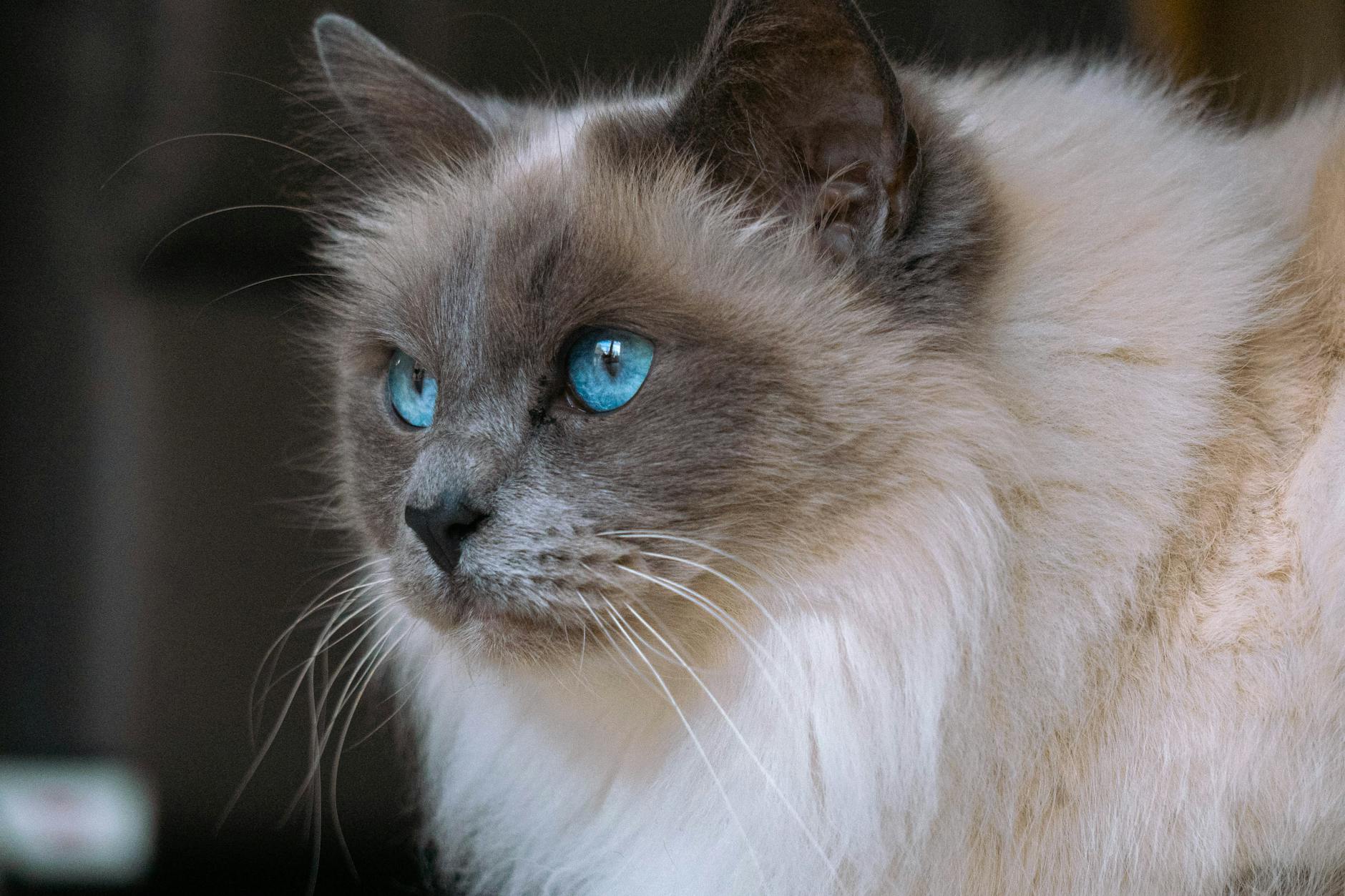
While several cat breeds are known for striking pale blue eyes, the Ragdoll stands out as one of the most iconic examples. This large, gentle breed is characterized by eyes that range from pale icy blue to deep sapphire, often described as resembling pale sea glass. The Ragdoll is one of the largest domesticated cat breeds, with females typically weighing 8 to 15 pounds and males reaching 12 to 20 pounds or more. All purebred Ragdolls have blue eyes as a breed standard, making them an excellent answer to the question of which cat breed features pale blue eyes.
However, the Ragdoll isn’t alone. Several other breeds are celebrated for their pale blue eyes, including the Siamese, Birman, Neva Masquerade, and Javanese. What these breeds share goes deeper than just eye color—they often share genetic heritage or similar genetic traits that produce those distinctive blue eyes. Understanding which breeds possess this trait, why they have it, and what it means for their health is important for anyone considering bringing one of these beautiful cats into their home.
Table of Contents
- Which Cat Breeds Have Pale Blue Eyes?
- Understanding the Colorpoint Gene and Pale Eye Color
- The Science Behind Pale Blue Cat Eyes
- Choosing a Blue-Eyed Breed: What You Need to Know
- Health Considerations for Blue-Eyed Cats
- How Kitten Eye Color Develops
- Finding Your Blue-Eyed Feline Companion
- Conclusion
Which Cat Breeds Have Pale Blue Eyes?
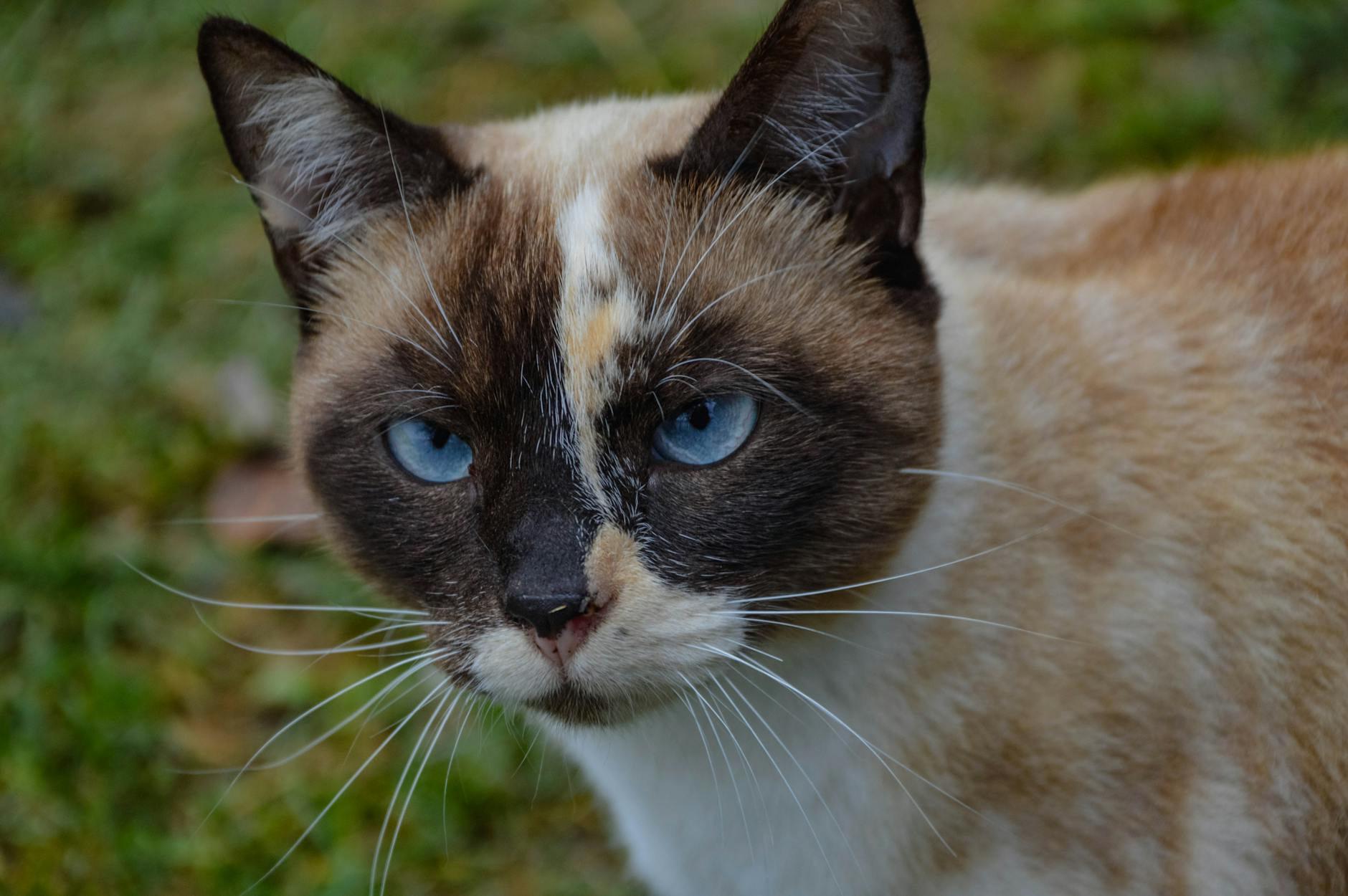
The Ragdoll is perhaps the most recognized breed for pale blue eyes, but it’s far from the only one. The Siamese is another breed famous for vivid blue eyes, characterized by their short hair and distinctive colorpoint pattern where the ears, face, legs, and tail are darker than the rest of the body. The Birman also features blue eyes as a defining breed characteristic, and like the Siamese, displays the colorpoint coloration that contributes to their eye color genetics. Less familiar to some cat lovers are the Neva Masquerade, a colorpoint Siberian cat variant originating from Russia and named after the Neva River, and the Javanese, a breed developed from Siamese, Colorpoint, and Balinese bloodlines. Each of these breeds brings its own personality and size characteristics to the table, but they’re united by their stunning blue eyes.
If you’re drawn to pale blue eyes in cats, you have several distinct breed options, each with different temperaments and care requirements. The key difference among these breeds often comes down to size, personality, and how vivid or pale the blue eyes appear. Ragdolls tend to be larger and more docile, while Siamese cats are known for being highly vocal and extremely social. Birmans fall somewhere in between in terms of both size and personality. This variety means you can find a blue-eyed breed that matches both your aesthetic preferences and your lifestyle needs.
Understanding the Colorpoint Gene and Pale Eye Color
The reason so many blue-eyed cat breeds share a colorpoint pattern isn’t coincidence—it’s genetics. A temperature-sensitive gene called the Siamese colorpoint allele (cs) directly controls both the darker coloration on the ears, face, legs, and tail and the blue eye color itself. This gene suppresses melanin production in the warmer regions of the body, which is why colorpoint cats have those distinctive darker “points.” The same gene also suppresses melanin in the eyes, which is what creates the blue eye color in these breeds. This genetic link is important to understand: all colorpoint cats will have blue eyes, without exception. This is different from some other blue-eyed cats, where the eye color might vary or change as the cat matures.
If you see a colorpoint cat, you can be virtually certain its eyes will be blue. The pale quality of the blue often depends on how much pigment is present in the iris. The less melanin present, the paler and more icy the blue appears. One limitation to keep in mind is that this genetic tie to colorpoint means that if you want a blue-eyed cat, you’re often getting the colorpoint pattern as well. If you prefer a solid-colored cat with blue eyes, your options become more limited, and you may need to look at less common breeds or mixed-breed cats. This is an important consideration when choosing your breed, as the colorpoint pattern is a visual commitment that comes with the pale blue eye trait.
The Science Behind Pale Blue Cat Eyes
The pale blue color we see in cat eyes is the result of a natural phenomenon called the Tyndall Effect, the same reason the sky appears blue. Cat eyes contain very little melanin (the pigment that creates color), and when light passes through the iris without much pigment to absorb it, the light scatters in a way that our eyes perceive as blue. This is why kittens are often born with blue eyes—they have minimal melanin in their irises at birth. As kittens grow, melanin production begins in the iris around 4 to 6 weeks of age. By 12 to 16 weeks, adult eye color fully emerges.
For colorpoint cats, however, this process is modified by the temperature-sensitive gene. The gene keeps melanin production suppressed in the eyes just as it does in the body’s extremities, which is why colorpoint cats retain their blue eyes throughout their lives while other kittens’ eyes may turn green, yellow, or amber. Understanding this science helps explain why some cats retain pale blue eyes while others don’t. It also explains why forcing eye color change or expecting variation in a colorpoint breed isn’t realistic. The genetics are stable and consistent, which is why breeders can reliably predict eye color in these breeds.

Choosing a Blue-Eyed Breed: What You Need to Know
If you’re attracted to pale blue eyes and considering a blue-eyed breed, the Ragdoll and Siamese offer distinctly different experiences despite both having those striking eyes. Ragdolls are known for being calm, gentle, and laid-back companions that enjoy being held and are relatively quiet. Siamese, by contrast, are highly vocal and demand significant interaction and attention from their owners. Both can live 12 to 17 years or more, so this personality difference is worth considering. The Birman offers a middle ground between these two extremes.
They’re social and enjoy human companionship but are generally less demanding than Siamese. The Neva Masquerade, being a Siberian variant, tends to be larger and more independent than the other colorpoint breeds, making them a good choice if you want blue eyes with a cat that has a stronger independent streak. A practical tradeoff to consider: larger breeds like Ragdolls and Neva Masquerades require more space and may eat more than smaller breeds, but they often have calmer temperaments that make them easier to handle. Smaller, more vocal breeds like Siamese may be fine in apartments but demand more active engagement from their owners. Your living situation and available time should influence which blue-eyed breed you choose.
Health Considerations for Blue-Eyed Cats
One critical health fact that prospective cat owners need to understand is the connection between blue eyes and deafness in white cats. Approximately 65 to 80 percent of all-white cats with two blue eyes experience deafness, a result of genes linked to white coat, blue eyes, and hereditary deafness. This is a significant health concern and something you must consider before adopting a white blue-eyed cat. Even partial deafness is possible in these cats, and a veterinary hearing test may be recommended.
However, this deafness risk does not apply to colorpoint breeds like Ragdolls, Siamese, Birmans, and Javanese. Because these breeds achieve their blue eyes through the colorpoint gene rather than through a white coat gene, they do not carry the same genetic predisposition to deafness. Colorpoint cats with blue eyes are not at elevated risk for hearing problems, making them a safer choice for those concerned about this health issue. This distinction is crucial: the risk of deafness in blue-eyed cats is primarily associated with the white coat gene, not with blue eyes themselves. If you’re drawn to blue-eyed breeds, focusing on colorpoint breeds or non-white cats with blue eyes eliminates the major health concern associated with this eye color.
How Kitten Eye Color Develops
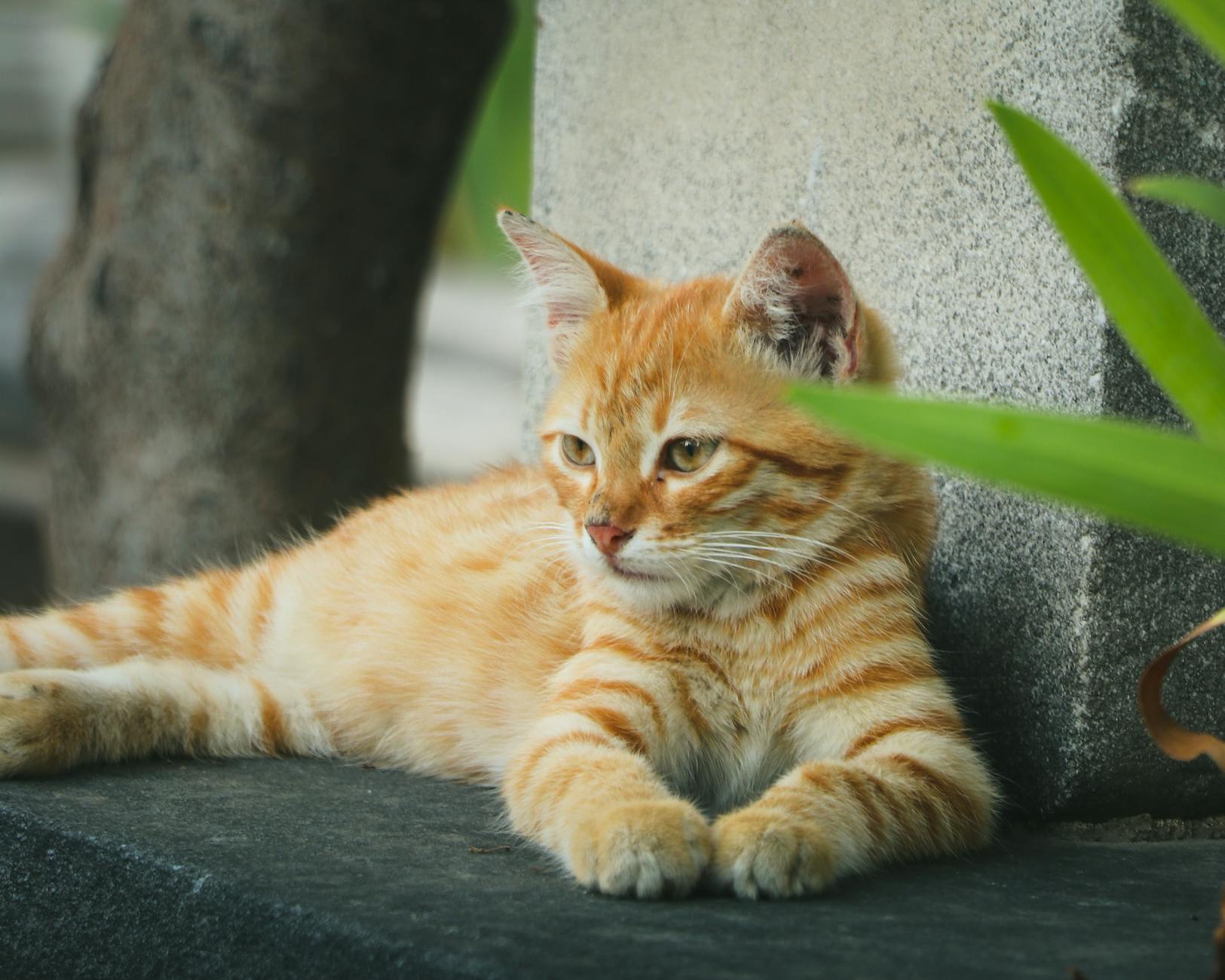
All kittens are born with blue eyes, a fact that surprises many new cat owners. This is because newborn kittens have minimal melanin in their irises. The pale blue you see in a newborn kitten’s eyes is the Tyndall Effect operating at its most pronounced. Within the first few weeks of life, melanin production begins, and this is when a kitten’s final eye color starts to emerge.
For colorpoint kittens, this development process is different. While melanin production begins in their warm body regions, the temperature-sensitive colorpoint gene continues to suppress melanin in the eyes. This is why a colorpoint kitten’s blue eyes remain blue throughout its life, while a non-colorpoint kitten’s eyes typically change to green, amber, or another color by 12 to 16 weeks of age. If you’re adopting a young kitten and love its blue eyes, understanding whether it’s a colorpoint breed tells you whether those eyes will stay blue or change.
Finding Your Blue-Eyed Feline Companion
The availability and cost of blue-eyed cat breeds vary depending on where you live and which breed appeals to you. Ragdolls and Siamese are more commonly available through dedicated breeders, while some of the less common breeds like the Neva Masquerade or Javanese may require more extensive searching. Adopting from rescue organizations is also an option, though purebred blue-eyed cats in rescue are less common than mixed breeds.
As cat lovers increasingly recognize the beauty of pale blue eyes, more people are seeking out these breeds. The future trend suggests continued popularity for Ragdolls and Siamese, while less familiar colorpoint breeds may see increased interest as information about them spreads. Regardless of which blue-eyed breed you choose, you’ll be bringing home a cat with a rich genetic history and distinctive visual appeal.
Conclusion
Multiple cat breeds are known for their pale blue eyes, with the Ragdoll, Siamese, Birman, Neva Masquerade, and Javanese being the most recognized. These breeds achieve their striking blue eye color through the colorpoint gene, which creates both the darker coloration on the ears, face, legs, and tail and the suppression of melanin in the eyes. Understanding the genetics behind this trait helps explain why all colorpoint cats have blue eyes and why these eyes remain blue throughout the cat’s life.
If you’re considering bringing a blue-eyed cat into your home, research the specific breed’s personality, size, and care requirements alongside your attraction to their eye color. The good news is that colorpoint blue-eyed breeds do not carry the deafness risk associated with white-coated blue-eyed cats, making them a healthy choice for cat lovers drawn to this distinctive feature. Whether you choose a calm Ragdoll, a vocal Siamese, or one of the other blue-eyed breeds, you’ll have a companion with one of the feline world’s most striking features.